

large-to-giant breed
Akita
Dignified, powerful and remarkably quiet - once an Akita decides you are their person, the arrangement is lifelong and unshakeable. They carry themselves with a self-possession that borders on feline, reserved with strangers rather than friendly, and they rarely bark without a reason. The hard parts are plain: a hundred pounds or more of dog, a guarding instinct that needs shaping from puppyhood, and an intolerance of other dogs that socialization softens but does not erase.

Pup Height
26-28 in

Pup Weight
100-130 lb
Figures are for males; females are 24-26 in and 70-100 lb. Source: AKC breed standard.

Pup Lifespan
10-13 years
Your pup, at a glance
What’s Life With This Pup Really Like?

Deeply loyal and affectionate with their own household, though with a dignified, almost cat-like independence rather than clinginess.

Best with older, considerate children and careful supervision - the combination of size and low tolerance for rough handling means mistakes matter more here than with a smaller breed.

Real difficulties here. Same-sex dog aggression is well documented in the breed, and prey drive toward small animals is strong. Early, careful socialization is essential, not optional.

Famously quiet. They rarely bark without a genuine reason, which makes it worth listening when they do.

Moderate. They want a solid daily walk and something to think about, not a marathon.

Heavy during the twice-yearly coat blow, moderate the rest of the year. Expect a lot of fur for a few weeks, twice annually.

Composed rather than goofy. They'll play, but on their own dignified terms.

Moderate. Some jowl, more than a tight-lipped terrier but nothing extreme.

Independent and strong-willed, bred to hunt and decide alone. Consistent, reward-based training from an experienced hand gets much further than repetition.

About as good as it gets. Naturally protective and famously fearless - this breed takes guarding seriously without any training at all.

Moderate most of the year, intense for a few weeks during each seasonal coat blow. A good undercoat rake earns its keep.

Needs an experienced handler, real space, and careful management around other dogs. Not the breed that adapts easily to a chaotic or inconsistent household.
Lifestyle fit
Could This Be Your Best Breed?
An Akita suits a house with a secure yard, a one-dog household, and an experienced owner who leads calmly and can keep up with the twice-yearly coat blow. Budget $2,000 to $3,200 a year across a ten-to-thirteen-year life. If this is your first dog, if your weekends run through the dog park, or if strangers come and go all day, do not.

Living Space
A house with a secure yard, not an apartment - both for the size and for the guarding instinct, which does better with clear boundaries than with constant exposure to passersby.

Pup Experience
Not a first dog. Akitas are independent, strong-willed and naturally protective, and they need an owner who can lead calmly and consistently from puppyhood, particularly around other dogs.

Daily Pup Time
Thirty to sixty minutes of exercise daily, plus regular brushing that steps up considerably during the twice-yearly coat blow.

Allergies & Coat
The Akita scores 8/10 for shedding and 3/10 for drooling. No dog is truly hypoallergenic. The allergens come from dander and saliva, and a dog that sheds this much will leave plenty of hair behind - especially on your furniture, floors, and clothes.
Quirks & challenges
The Not-So-Easy Stuff

Not a Dog Park Dog
Same-sex aggression is well documented in this breed. Careful, controlled socialization matters far more here than with most breeds.
Guards First, Asks Later
Powerful natural protective instincts mean early, thorough socialization with new people isn't optional.
Independent Mind
Bred to make decisions alone while hunting, and they still do. Training needs consistency and patience, not repetition.
Seasonal Shedding
Blows the undercoat twice a year in earnest - expect tumbleweeds of fur and daily brushing for a few weeks each time.
Small Pets at Risk
Real prey drive toward anything small and fast. Cats and small dogs need careful, gradual introductions at best.
Reserved, Not Friendly
Aloof and watchful with strangers by nature. Not aggression, just an Akita being an Akita.
The good, the bad & the hairy
Health, Care & Costs
Understanding the health risks and ongoing costs of a Akita helps you plan for a happy, healthy life together.

10-13 years
$70-$110
per groom (bath and deshedding), every 6-8 weeks - more often during the twice-yearly coat blow ($500-$900/year)
$2,000-$3,200/year
all-in (food, routine vet, grooming, insurance, incidentals)

Health Risks
Conditions this breed is prone to.

The hip joint develops loosely, so the ball and socket grind instead of gliding. It leads to arthritis and, in severe cases, replacement surgery. Ask to see hip scores for both parents.
Similar to hip dysplasia but in the elbow joint - the bones don't fit together properly, causing pain and early arthritis. Common in large, fast-growing breeds. Treatment ranges from management to surgery depending on severity.
The thyroid stops producing enough hormone, causing weight gain, lethargy and a thinning coat. A daily tablet manages it completely and the medication itself is inexpensive.
An inherited disease that slowly destroys the retina. Night vision goes first, then daylight vision, usually ending in blindness. There is no treatment, but it is painless and gradual, and most dogs cope well in a home they already know.
The stomach fills with gas and twists, cutting off its own blood supply. Without surgery within hours it is fatal. Deep-chested dogs are most at risk, and feeding one large meal a day or exercising straight after eating makes it likelier.
A group of autoimmune conditions the breed sees somewhat more often than most, causing skin lesions, hair loss or pigment changes. Diagnosis usually needs a biopsy, and treatment is long-term immune suppression rather than a quick fix.

Insurance & Health Coverage
Akitas are a large, generally robust breed, but hip and elbow dysplasia are common enough to plan around, and as a big, deep-chested dog the Akita carries real bloat risk too.

Joint surgery for hip or elbow dysplasia runs several thousand dollars per joint, and bloat surgery is an emergency procedure in the same range - both the kind of bills a policy is built for, not something to budget around out of pocket.

Hip and elbow scores done early, before either joint shows up in a vet's notes, are what keep a future claim from being written off as pre-existing - worth doing before symptoms ever appear, not after.
 Get a Pet Insurance Quote
Care needs
The Daily Routine

Grooming
Brush weekly most of the year, daily during the twice-yearly coat blow when the undercoat comes out in earnest. Nails and ears need regular attention too.

Exercise
Thirty to sixty minutes of exercise daily - a solid walk plus some mental stimulation. They're not hyperactive, but they do need a real outlet.

Food & Weight
Feed two measured meals rather than one large one, and keep hard exercise clear of mealtimes - deep-chested breeds carry real bloat risk. Grow puppies slowly on large-breed food, and feed away from other pets, since food guarding is common in the breed.
Similar breeds
If This Isn’t Quite the One
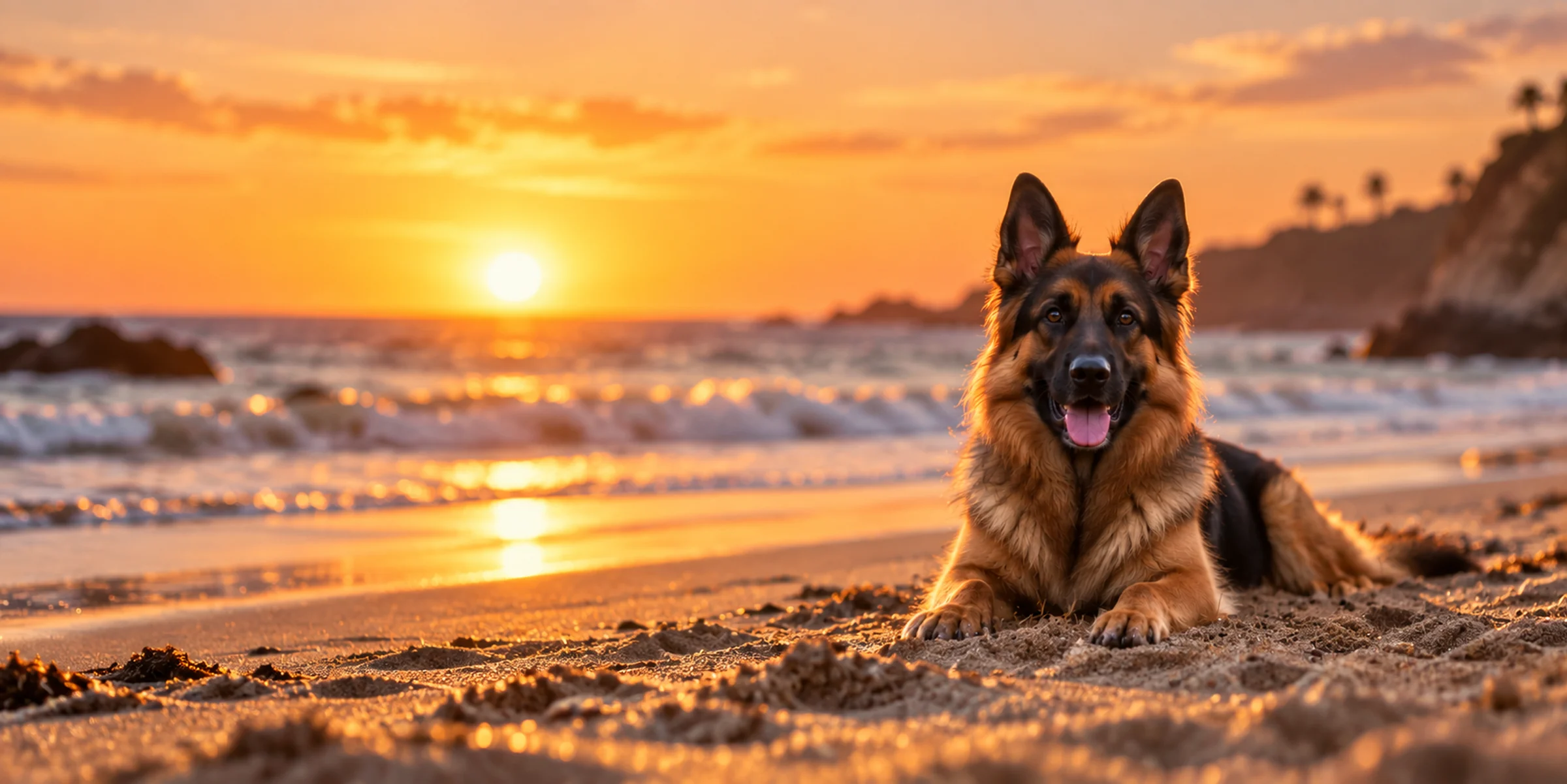
German Shepherd
If the size, the loyalty and the natural guarding instinct are the appeal, a German Shepherd trades the Akita's reserve and same-dog aggression for a breed built to work closely and confidently alongside other dogs and people.

Golden Retriever
If the independence and the wariness of strangers are what give you pause, a Golden Retriever trades it for a breed that's friendly with everyone, dog park included, by default.

Tosa
The Japanese fighting mastiff, two to three times the weight. Tosas carry the same same-sex intolerance with far more consequence at 100-200 lb, and are banned or restricted in a number of countries where an Akita is not.