

small breed
French Bulldog
A snorty, low-effort couch companion who wants to be wherever you are and asks remarkably little in return - no long walks, not much noise, endless affection. The trade is blunt: a face bred flat enough to make breathing a lifelong management job, a back that goes with it, and the highest average vet bills of anything on this site. None of that is bad luck. It is the shape.

Pup Height
11-14 in

Pup Weight
Under 28 lb
Height is for males; females are 9.5-12.5 in. The AKC caps weight at 28 lb, the FCI allows up to 31 lb. Source: AKC breed standard.

Pup Lifespan
10-12 years
Your pup, at a glance
What’s Life With This Pup Really Like?

About as high as it goes. Bred purely for company, and they want to be in the room with you at all times.

Patient and sturdy for their size. Good with children, provided the children are gentle back.

Usually relaxed about other animals. Low prey drive and not much to prove.

Notably quiet for a small dog. They'll grumble and snort more than they bark, which apartments and neighbors appreciate.

Low, and hard-capped by their breathing. Two short walks in cool weather is the whole requirement.

Short coat that sheds modestly. The bigger job is the skin folds, not the hair.

Comically playful in short bursts, then done. Watch for overheating - they won't stop themselves.

Some, thanks to the flat face and loose lips. Not a Mastiff, but expect the odd wet chin.

Not stupid, just unconvinced. Short, frequent, high-value sessions work; long ones overheat them and lose their interest.

They'll notice and comment, but there's no real guarding instinct and no bark to back it up.

Weekly brushing, plus daily face-fold cleaning and thorough drying. Trapped moisture turns into infection fast.

Genuinely apartment-suited, but inflexible about heat and about being left alone. Both are hard limits, not preferences.
Lifestyle fit
Could This Be Your Best Breed?
Frenchies suit an apartment, a warm-natured household and an owner who will argue with a vet rather than nod along - being an informed advocate is part of the job here. Budget $2,400 to $4,500 a year, insure early, and expect a decade rather than the fifteen years a small dog usually gets. If carrying that yearly figure would strain the household, the answer is already no - and a hot climate or a long day alone answers it the same way.

Living Space
Genuinely made for small spaces - one of the few breeds where an apartment is the right answer rather than a compromise. Just keep it cool: heat is the real limit here, not square footage.

Pup Experience
First-timer friendly, with one serious caveat: you'll need to be an informed advocate at the vet. This is a breed with real structural problems and you'll be making decisions about them.

Daily Pup Time
Two short walks in cool weather, 15-20 minutes each. They will happily play past their own limit, so you're the one who calls time. And skip the water - that build sinks.

Allergies & Coat
The French Bulldog scores 4/10 for shedding and 4/10 for drooling. No dog is truly hypoallergenic. The allergens come from dander and saliva, and a dog that sheds this much will leave plenty of hair behind - especially on your furniture, floors, and clothes.
Quirks & challenges
The Not-So-Easy Stuff

Stubborn Streak
They understand the cue perfectly. They're simply choosing not to. Respect the negotiation.
Home Alone Blues
Separation anxiety is close to universal here. They want to be in the room with you.
Mine, Actually
Food, toys and favorite humans can all become guarded property.
House-Training
Slower than average. Patience and routine beat frustration every time.
Overheating
They will play past their limit and won't self-regulate. Heat is a real danger, not a caution.
Not a Swimmer
Their build sinks them. Water needs active supervision, always.
The good, the bad & the hairy
Health, Care & Costs
Understanding the health risks and ongoing costs of a French Bulldog helps you plan for a happy, healthy life together.

10-12 years
$40-$60
per groom if used at all; most maintenance is at-home fold cleaning ($0-$300/year)
$2,400-$4,500/year
all-in - by far the most expensive small breed on this site (small-breed median is about $1,750) and third-highest overall behind two giants, driven by veterinary spend rather than food or grooming

Health Risks
Conditions this breed is prone to.

The defining health problem of the breed. A shortened skull leaves the airway compressed - narrow nostrils, an over-long soft palate, a narrow windpipe. It shows as snoring, snorting, and struggling in heat or on exercise. Corrective surgery helps a great deal but cannot undo the underlying anatomy.
The cushioning discs between the vertebrae harden and can rupture, pressing on the spinal cord. It ranges from a painful back to sudden hind-leg paralysis, and it is usually an emergency. Ramps instead of jumps, a harness instead of a collar, and keeping the dog lean are the three things that actually help.
A compromised airway cannot shed heat the way normal panting does. These dogs overheat fast and can die of it. Walk early or late in summer, and never leave them in a car or a conservatory.
Warm, damp skin folds grow yeast and bacteria. Wiping and thoroughly drying the folds daily prevents most flare-ups - it takes a minute and saves repeat vet visits.
The kneecap slips out of its groove. Mild cases show as an occasional skip in the step; severe ones need surgery. Common in small breeds and usually present from puppyhood.
The third eyelid's tear gland pops out and sits visibly in the corner of the eye. It is surgical but routine. Glaucoma is the more serious neighbor - pressure building inside the eye, which destroys sight within days if untreated.
The majority of litters require cesarean delivery. Wide heads and narrow hips mean most litters cannot be delivered naturally, so planned cesareans are the norm. It is a large part of why puppies from this breed cost what they do.

Insurance & Health Coverage
This is the breed where insurance economics are least ambiguous.

Frenchies are among the most expensive breeds to insure precisely because claims are so likely: BOAS corrective surgery runs $3,000-$6,000, IVDD spinal surgery $6,000-$10,000, and both are common enough to be considered near-expected rather than unlucky.

Insure before symptoms appear - once a Frenchie has been recorded as snoring heavily or dragging a hind leg, that entire body system is typically excluded as pre-existing.
 Get a Pet Insurance Quote
Care needs
The Daily Routine

Grooming
Weekly brushing. Clean and thoroughly dry facial folds daily - trapped moisture causes infection quickly. Check ears weekly.

Exercise
Two short 15-20 minute walks daily in cool conditions. Never exercise in heat or humidity. Most Frenchies cannot swim - their build sinks them - so water needs active supervision.

Food & Weight
Every extra pound makes a flat-faced dog's breathing harder, and heat harder to survive. Keep this one genuinely lean. A slow feeder helps, since gulping means swallowed air on a breed that already struggles to move it back out.
Similar breeds
If This Isn’t Quite the One
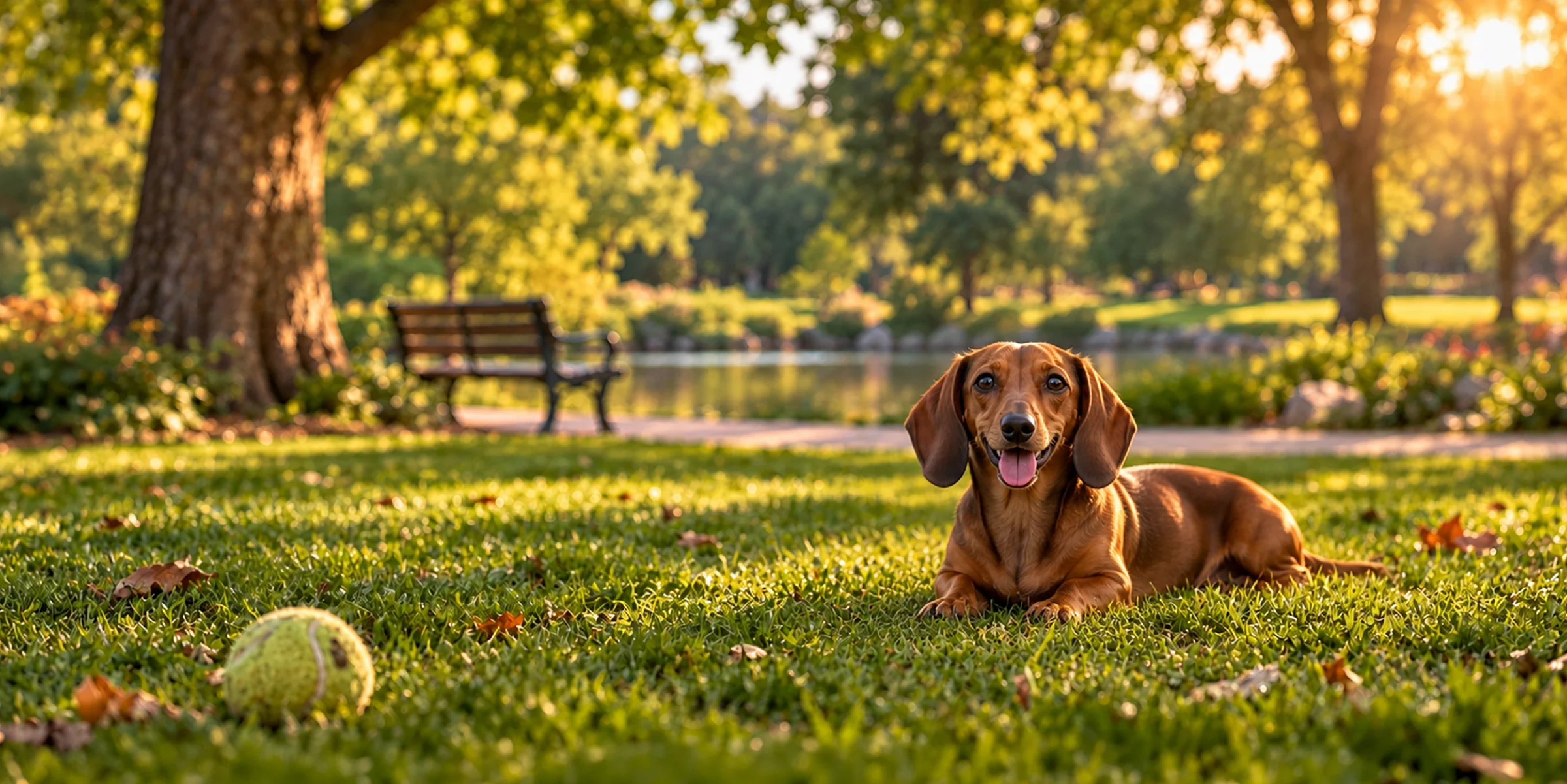
Standard Dachshund
Similar apartment-friendly size and companion temperament, without the airway problems - though it shares the spinal risk.

Beagle
A sturdier small-to-medium dog with far fewer structural health issues, if the Frenchie vet bills are what concern you.

Miniature Poodle
Small size with a markedly longer, healthier life expectancy and none of the airway problems - at the cost of a permanent grooming bill.

Labradoodle
A larger step up in size and energy, but a much healthier structure if you have room and time and the Frenchie was only ever the convenient choice.