

large breed
Golden Retriever
America's default family dog, and mostly they earn it - soft-mouthed, biddable, wonderful with children, easy with other dogs and game for whatever the day holds. Nobody should call a Golden low-maintenance, though. The coat sheds relentlessly and wants ten minutes most days, and cancer is the hard fact of the breed: study estimates commonly put lifetime incidence around 60 percent, most often hemangiosarcoma or lymphoma.

Pup Height
23-24 in

Pup Weight
65-75 lb
Figures are for males; females are 21.5-22.5 in and 55-65 lb. Source: AKC breed standard.

Pup Lifespan
13.2 years
Your pup, at a glance
What’s Life With This Pup Really Like?

Very high. They lean, they lie on feet, they follow you room to room. Personal space is not a concept they hold.

About as good as it gets. Famously tolerant, though a bouncy adolescent can flatten a toddler by accident.

Sociable with almost everything. Very little guarding or territorial instinct to get in the way.

Low. They'll announce the door and then befriend whoever is behind it.

High but manageable - 60 to 90 minutes. They swim readily, which is easier on the joints than road walking.

Heavy and constant, with two big seasonal blowouts. Hair becomes a permanent feature of the house.

Endlessly game. Retrieving is the whole point of the breed and it never really switches off.

Moderate, mostly around water and food. Not a drooler by nature.

Eager and quick, which is why they dominate assistance work. Soft-natured, so harsh correction backfires badly.

Close to nil. They will greet an intruder warmly and show them where things are kept.

Brush three or four times weekly, daily in the molt. Never shave the double coat - it disrupts temperature regulation.

Easy-going about most things and poor at long days alone. They want to be involved in whatever is happening.
Lifestyle fit
Could This Be Your Best Breed?
A Golden Retriever suits a household with children, daily outdoor time and a lint roller in every room - a yard is ideal, an apartment works if the two walks genuinely happen. Budget $1,900 to $3,100 a year, insure early rather than after something is found, and expect around thirteen years. Skip this one if you need a dog who takes the front door seriously, floors that stay clear of hair, or a vet bill you can forecast - a Golden gives you none of the three.

Living Space
Adaptable, but they need daily outdoor time. A yard is ideal; an apartment is fine if you're genuinely walking them twice a day, every day.

Pup Experience
About as forgiving as dogs get for a first-timer. Mistakes here make an unruly dog, not a dangerous one - which is a rather nice safety net to have.

Daily Pup Time
Sixty to ninety minutes, plus ten minutes of brushing most days and a great deal more when the coat blows. They swim beautifully, and it's kinder on the joints than pavement.

Allergies & Coat
The Golden Retriever scores 8/10 for shedding and 4/10 for drooling. No dog is truly hypoallergenic. The allergens come from dander and saliva, and a dog that sheds this much will leave plenty of hair behind - especially on your furniture, floors, and clothes.
Quirks & challenges
The Not-So-Easy Stuff

Forever a Puppy
The goofy stage runs well past the first birthday. Adolescence is long.
Mouthy Business
They carry things. Shoes, remotes, your wrist - it's retrieving instinct looking for an outlet.
The Happy Jump
Everyone is their friend, and they'd like to greet them at face height.
Home Alone Blues
Poorly suited to long unattended days. They want to be involved.
Eats Anything
Indiscriminate eating drives a lot of avoidable vet visits.
The Shedding
Constant, year-round, and dramatic twice a year. Hair becomes a seasoning.
The good, the bad & the hairy
Health, Care & Costs
Understanding the health risks and ongoing costs of a Golden Retriever helps you plan for a happy, healthy life together.

13.2 years
median; the all-breed median is 12.5
$60-$90
per professional groom, every 8-12 weeks, or $0 if you do it yourself ($0-$450/year)
$1,900-$3,100/year
all-in (food, routine vet, grooming, insurance, incidentals)

Health Risks
Conditions this breed is prone to.

Particularly hemangiosarcoma and lymphoma. Notably elevated in this breed. An aggressive cancer of the blood-vessel lining, most often in the spleen or heart. It frequently causes no symptoms at all until an internal bleed, which is why it is so often found late.
Both joints develop loosely, so they grind rather than glide. The result is arthritis, and in bad cases replacement surgery. Ask to see hip and elbow scores for both parents - they are the single most useful thing a breeder can show you.
A narrowing just below the aortic valve that forces the heart to work harder. Mild cases live normally; severe ones carry a risk of sudden collapse. It is often first picked up as a murmur at a puppy check.
An inherited disease that slowly destroys the retina. Night vision goes first, then daylight vision, usually ending in blindness. There is no treatment, but it is painless and gradual, and most dogs cope well in a home they already know. Responsible breeders DNA-test for it.
The thyroid stops producing enough hormone, causing weight gain, lethargy and a thinning coat. A daily tablet manages it completely and the medication itself is inexpensive.
Drop ears and hairy canals trap warmth and moisture, which is exactly what yeast and bacteria want. Weekly checks and drying the ears after swimming prevent most of it. Left alone it becomes a lifelong cycle that is far harder to break.

Insurance & Health Coverage
Golden Retrievers have one of the highest cancer rates of any breed - study estimates commonly put lifetime incidence around 60%.

Treatment is not cheap and it is not quick: chemotherapy protocols routinely run $6,000-$12,000.

This is the breed where the gap between an insured and an uninsured owner most often becomes a decision about treatment rather than a decision about money, and cancer claims are the reason to insure well before any symptom exists.
 Get a Pet Insurance Quote
Care needs
The Daily Routine

Grooming
Brush 3-4 times weekly, daily during the twice-yearly coat blow. Never shave the double coat - it disrupts natural temperature regulation and often grows back unevenly.

Exercise
60-90 minutes daily. They are strong swimmers and water work is excellent low-impact exercise for a breed carrying joint risk.

Food & Weight
A retriever will convince you they have not been fed. Measure meals, count treats into the daily total, and judge by feel rather than the chart on the bag. Staying genuinely lean is one of the few things that meaningfully protects joints and adds healthy years.
Similar breeds
If This Isn’t Quite the One

Labrador Retriever
Nearly the same job description with a shorter coat and marginally lower grooming load - the usual pick when the Golden's hair is the sticking point.
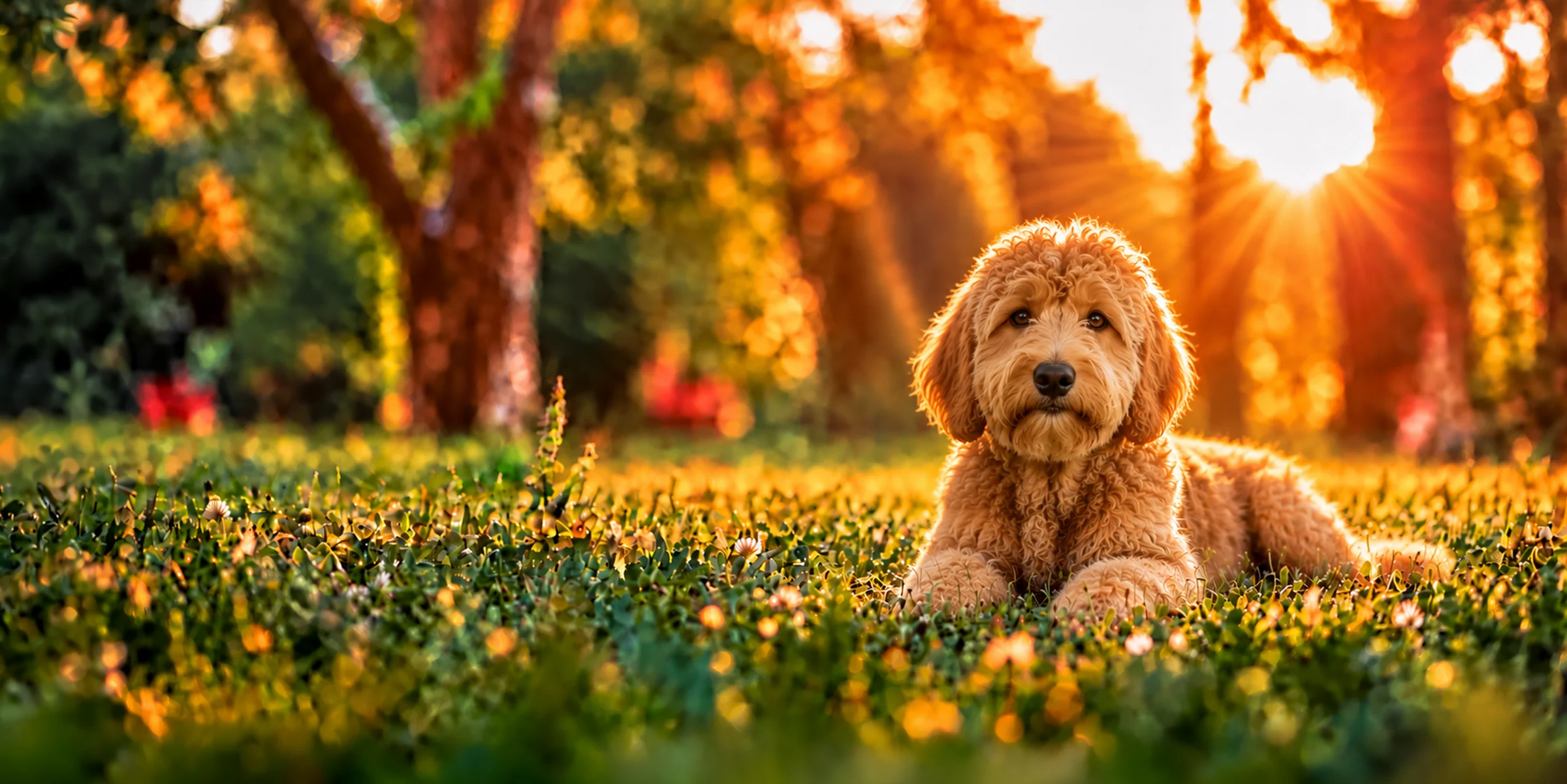
Goldendoodle
Keeps the Golden temperament but swaps constant shedding for a coat that needs regular professional grooming instead.
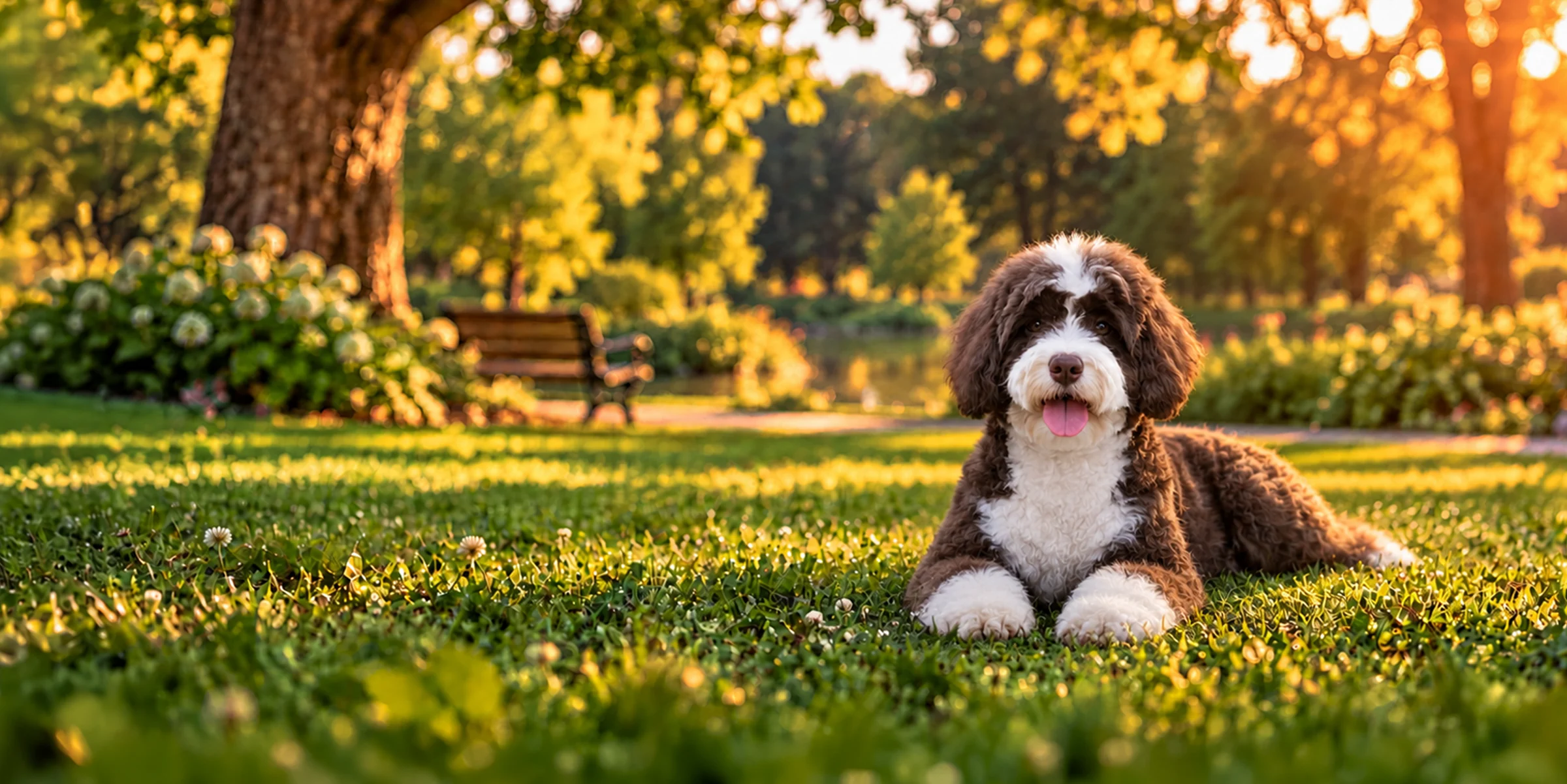
Labradoodle
Similar family-dog profile with a low-shedding coat, if allergies rather than tidiness are what rules out a Golden.

Standard Poodle
Comparable intelligence and biddability, considerably longer-lived, and no seasonal shedding at all.
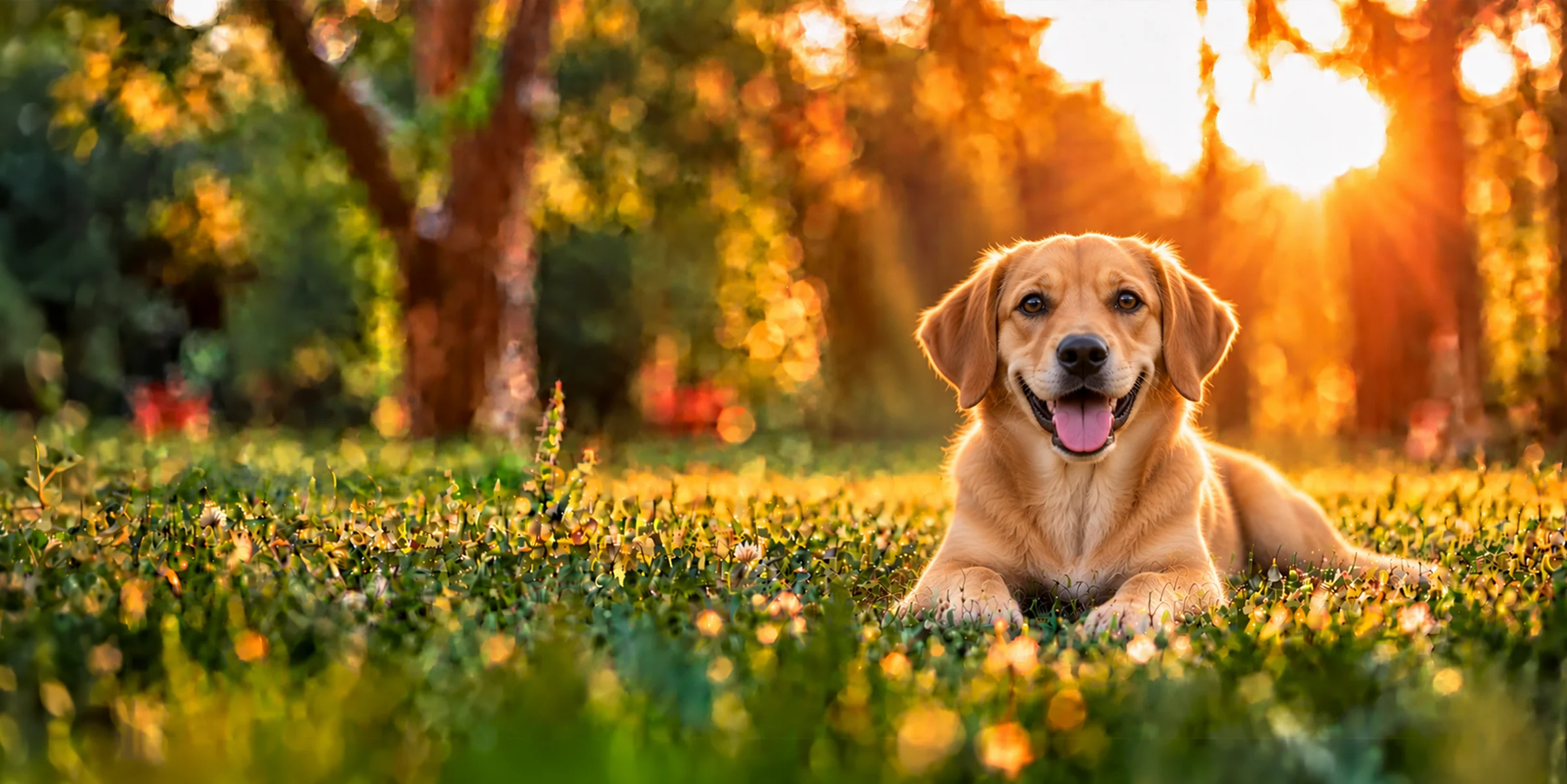
Goldador
The Labrador cross, and a working cross rather than a fashionable one. Service programs breed it for temperament and to widen a closed gene pool; it does not dilute the Golden's cancer risk, which is the asymmetric one in the pairing.