
By LifestyleGood With Kids
Dog Breeds That Are Good With Kids
These breeds score 8 or higher with children, which is a statement about tendencies rather than a promise about any individual dog. Breeding sets the odds; how a dog is raised, socialized and supervised decides the rest. Two things are worth saying plainly whatever the score: no dog of any breed should be left alone with a small child, and a patient dog still needs somewhere to go when they have had enough.
162 of 320 breeds · Scores 8 or higher with children
 Alaskan Malamute
 American Bully
 American English Coonhound
 American Eskimo Dog
 American Foxhound
 American Hairless Terrier
 American Leopard Hound
 American Pit Bull Terrier
 American Staffordshire Terrier
 Australian Shepherd
 Australian Terrier
 Barbado da Terceira
 Barbet
 Basset Fauve de Bretagne
 Basset Hound
 Bearded Collie
 Bergamasco Sheepdog
 Berger Picard
 Bernese Mountain Dog
 Bichon Frise
 Black and Tan Coonhound
 Bloodhound
 Blue Picardy Spaniel
 Bohemian Shepherd
 Border Terrier
 Boston Terrier
 Bouvier des Flandres
 Boxer
Boxer Boykin Spaniel
 Bracco Italiano
 Braque du Bourbonnais
 Braque Francais, Pyrenean
 Braque Saint-Germain
 Briard
 Brittany
 Broholmer
 Bulldog
 Cairn Terrier
 Cardigan Welsh Corgi
 Cavalier King Charles Spaniel
 Cesky Terrier
 Chinook
 Clumber Spaniel
 Cocker Spaniel
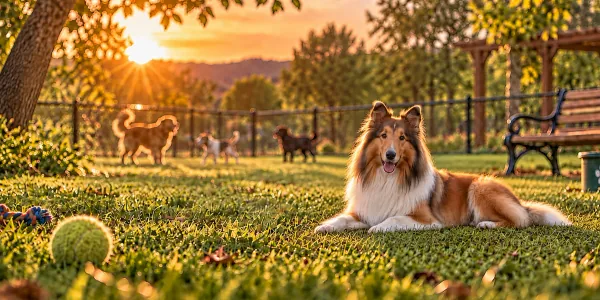 Collie
 Coton de Tulear
 Curly-Coated Retriever
 Danish-Swedish Farmdog
 Deutscher Wachtelhund
 Drentsche Patrijshond
 Drever
 English Cocker Spaniel
 English Foxhound
 English Setter
 English Springer Spaniel
 Eurasier
 Field Spaniel
 Finnish Lapphund
 Finnish Spitz
 Flat-Coated Retriever
 German Longhaired Pointer
 German Shorthaired Pointer
 German Spitz
 German Wirehaired Pointer
 Glen of Imaal Terrier
 Gordon Setter
 Grand Basset Griffon Vendeen
 Great Dane
 Great Pyrenees
 Greater Swiss Mountain Dog
 Greyhound
 Hamiltonstovare
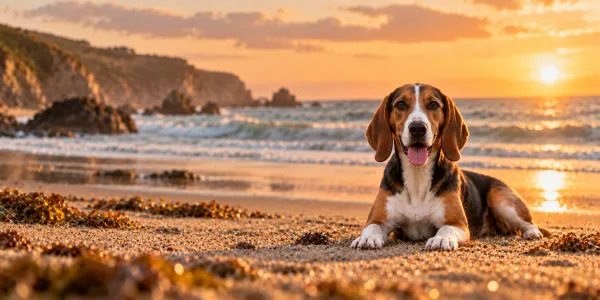 Harrier
 Havanese
 Hovawart
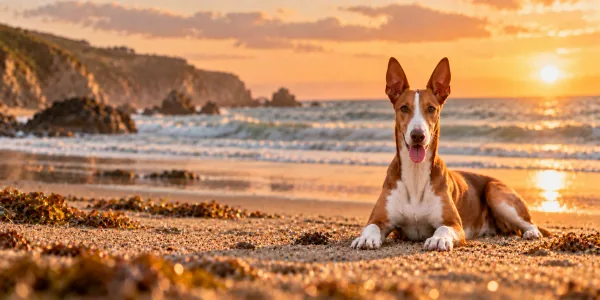 Ibizan Hound
 Icelandic Sheepdog
 Irish Red and White Setter
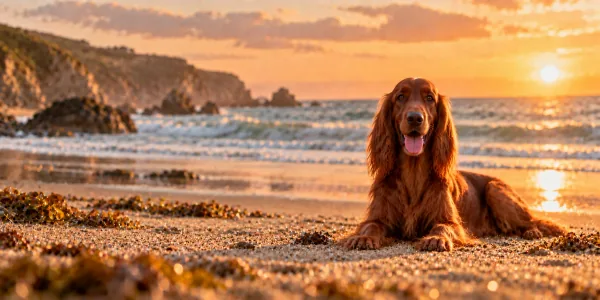 Irish Setter
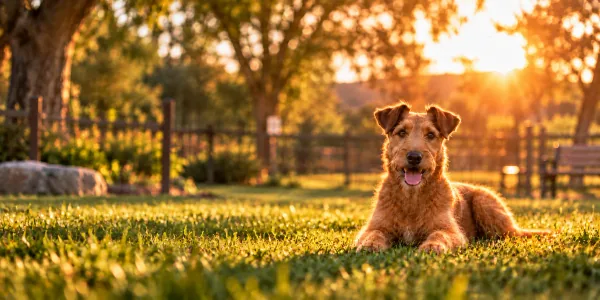 Irish Terrier
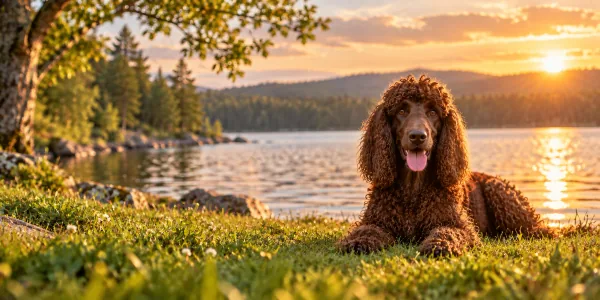 Irish Water Spaniel
 Irish Wolfhound
 Japanese Spitz
 Keeshond
 Kromfohrlander
 Lagotto Romagnolo
 Lapponian Herder
 Large Munsterlander
 Leonberger
 Lucas Terrier
 Mastiff
 Miniature American Shepherd
 Miniature Schnauzer
 Nenets Laika
 Newfoundland
 Norfolk Terrier
 Norwegian Buhund
 Norwegian Elkhound
 Norwich Terrier
 Nova Scotia Duck Tolling Retriever
 Old Danish Pointer
 Old English Sheepdog
 Otterhound
 Petit Basset Griffon Vendeen
 Pointer
 Pont-Audemer Spaniel
 Porcelaine
 Portuguese Pointer
 Portuguese Water Dog
 Pudelpointer
 Pug
Pug Pyrenean Mastiff
 Rat Terrier
 Redbone Coonhound
 Russian Tsvetnaya Bolonka
 Saint Bernard
 Samoyed
 Schapendoes
 Scottish Deerhound
 Segugio Italiano
 Shetland Sheepdog
 French Spaniel
 Welsh Springer Spaniel
 Welsh Terrier
 Wirehaired Pointing Griffon
 Wirehaired Vizsla
 Yakutian Laika
 Teddy Roosevelt Terrier
 Tornjak
 Transylvanian Hound
 Treeing Tennessee Brindle
 Treeing Walker Coonhound
 Silken Windhound
 Slovakian Wirehaired Pointer
 Slovensky Cuvac
 Small Munsterlander
 Stabyhoun
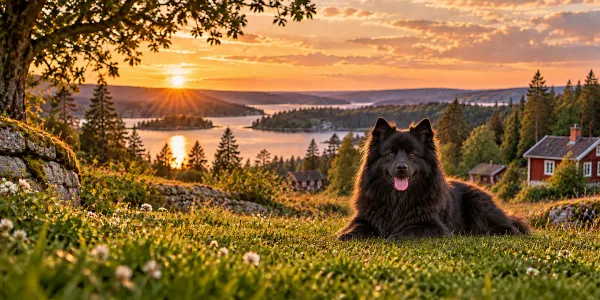 Swedish Lapphund
 Spinone Italiano
 Standard Schnauzer
 Sussex Spaniel
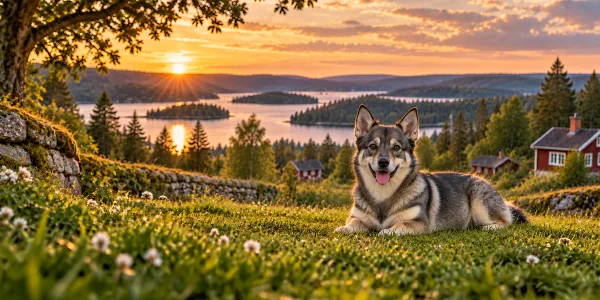 Swedish Vallhund
 Siberian Husky
 Soft Coated Wheaten Terrier
 Staffordshire Bull Terrier
 Vizsla
 Whippet
 Labradoodle
 Goldendoodle
 Golden Retriever
 Labrador Retriever
 French Bulldog
 Standard Poodle
 Beagle
 Bernedoodle
 Cavapoo
 Cockapoo
 Sheepadoodle
 Cavachon
 Puggle
 Goldador
 Havapoo