

medium-to-large breed
Belgian Malinois
The dog police and military units pick when the job actually matters, and the reason is not aggression - it is an almost unreasonable willingness to work at full intensity, all day, for a handler they trust. Malinois are brilliant, athletic, biddable and permanently switched on. In an ordinary household that becomes a serious problem inside six months, and rescues are full of Malinois chosen by people who had watched a video.

Pup Height
24-26 in

Pup Weight
55-75 lb
Figures are for males; females are 22-24 in and 40-60 lb. Malinois are one of four Belgian shepherd varieties - Malinois, Tervuren, Groenendael and Laekenois - which the AKC registers as four separate breeds and most of the rest of the world registers as one breed in four coats. The Malinois is the short fawn coat with a black mask. Source: AKC breed standard.

Pup Lifespan
14-16 years
Your pup, at a glance
What’s Life With This Pup Really Like?

Devoted to their handler and physically demonstrative about it, though rarely still enough to be a lap dog. The bond is intense; the sitting quietly is not.

Difficult, and not because they are unkind. The gripping instinct fires at running children, the intensity overwhelms small ones, and the guarding instinct complicates visiting friends. Experienced households manage it; most should not try.

Manageable with dogs a Malinois is raised with. Cats and small animals meet a fast dog with strong movement drive, and same-sex pairings are often difficult.

Moderate. They are not idly noisy, and most of what they say is purposeful - an alert rather than a running commentary.

Top of the scale, and among the most relentless examples of it. Two to three hours of structured work daily, every day, for a decade.

Moderate year-round with two heavy turns a year. Short, stiff hairs that get into everything.

Intense and tireless. They play the way they work - flat out, with total focus - and a tug session is training rather than a break from it.

Very low. A dry, tidy, hard-coated dog.

The highest here. They learn in very few repetitions, generalize fast and retain indefinitely, and that capacity is aimed at whatever is available - which is exactly why an untrained one is such a problem.

The joint highest on this site. Alert, territorial and entirely capable of acting on it, with a protective instinct that arrives at maturity without being asked for.

Very low. A weekly brush covers most of the year. The coat is the one part of this breed that asks nothing of you.

The lowest here. They adjust to houses, climates and routines without trouble, and to a life without work not at all.
Lifestyle fit
Could This Be Your Best Breed?
A Malinois needs land, a serious fence, and two to three hours a day of structured training rather than exercise - the highest time cost on this site, and no amount of square footage substitutes for it. Grooming is trivial and the all-in runs $1,900 to $3,200 a year. Put one in an ordinary pet home on a plan of a long walk and a fenced yard and you get the six-month rescue listing, which is where most first-time Malinois end up.

Living Space
Land and a serious fence, and even then the space is the least of it. What this dog needs is hours of structured work every day, and no amount of square footage substitutes for a handler with a plan.

Pup Experience
The most demanding breed on this site, and the one most often chosen by the wrong person. Malinois are the dogs military and police units choose over almost everything else, and the traits that make them excellent at that work - relentless drive, intensity, a bite trained or otherwise - are not features of a family pet. Owners need real experience with working dogs, not enthusiasm.

Daily Pup Time
Two to three hours daily of genuine work, most of it structured training rather than exercise. The coat takes five minutes a week. The time cost here is the highest on the site.

Allergies & Coat
The Belgian Malinois scores 5/10 for shedding and 2/10 for drooling. No dog is truly hypoallergenic. The allergens come from dander and saliva, and a dog that sheds this much will leave plenty of hair behind - especially on your furniture, floors, and clothes.
Quirks & challenges
The Not-So-Easy Stuff

Chosen by the Wrong People
Films and videos market the breed to households that cannot meet it. This is the commonest way a Malinois ends up in rescue at eighteen months.
They Never Switch Off
Two to three hours of structured work daily, and an unemployed Malinois does not sulk - they find a job, usually an expensive one.
They Grip
Herding instinct expressed as biting at movement. Running children, joggers and bicycles all trigger it, and it needs redirecting from puppyhood.
Protective by Maturity
The guarding instinct arrives around two whether it was trained or not. Broad early socialization decides how that lands.
Sensitive Under the Drive
Hard on the outside, surprisingly soft to correction. Heavy-handed training produces a conflicted dog, not a compliant one.
Insurance and Housing
Increasingly named on home insurer exclusion lists. Sort your cover and tenancy out in writing before the dog arrives.
The good, the bad & the hairy
Health, Care & Costs
Understanding the health risks and ongoing costs of a Belgian Malinois helps you plan for a happy, healthy life together.

14-16 years
$45-$70
per groom (bath, deshedding, nails and ears), every 8-12 weeks ($200-$400/year)
$1,900-$3,200/year
all-in (food, routine vet, training, insurance, incidentals)

Health Risks
Conditions this breed is prone to.

The hip joint develops loosely, so the ball and socket grind instead of gliding. It leads to arthritis and, in severe cases, replacement surgery - which for a dog whose whole life is physical work is a bigger deal than the figures suggest. Ask to see hip scores for both parents.
Similar to hip dysplasia but in the elbow joint - the bones do not fit together properly, causing pain and early arthritis. Serious in a breed expected to work hard for a decade.
Chronic inflammation creeps across the surface of the cornea as a pinkish film, and left untreated it can take the sight. It is associated with this breed and with sunlight exposure, and it is managed with lifelong eye drops rather than cured.
An inherited disease that slowly destroys the retina. Night vision goes first, then daylight vision, usually ending in blindness. There is no treatment, but it is painless and gradual, and most dogs cope well in a home they already know.
Seizures with no other underlying cause, usually first appearing between one and five years old. It is controlled with daily medication rather than cured, and the drugs and monitoring are a lifelong cost.
The stomach fills with gas and twists, cutting off its own blood supply. Without surgery within hours it is fatal. Deep-chested dogs are most at risk, and feeding one large meal a day or working straight after eating makes it likelier.

Insurance & Health Coverage
A genuinely healthy breed with an unusually long life for their size - fourteen to sixteen years is normal, which is a long time to be covering a dog who works this hard.

The medical risks are occupational and orthopedic. Joint surgery runs several thousand dollars and matters more here than in a pet breed, because a Malinois who cannot work is a management problem as well as a sad one. Bloat is the sudden emergency, in the same range. Epilepsy and pannus are the chronic ones - daily medication for life rather than a single bill, and both typically appear young enough that an owner who waits to arrange cover finds the condition already excluded.

The other conversation is liability rather than health. This breed increasingly appears on home insurer exclusion lists, and a bite from a dog with this reputation is treated differently from a bite by a Labrador. Confirm your cover in writing before you commit.
 Get a Pet Insurance Quote
Care needs
The Daily Routine

Grooming
A short, hard double coat that needs a weekly going-over and rather more during the twice-yearly shed. Nails, teeth and ears on the usual schedule - the grooming is genuinely trivial and it is the only trivial thing about them.

Exercise
Two to three hours daily, and the ratio matters more than the total: structured training, protection sport, herding, tracking, agility and scent work do far more than distance. Running them without giving their head a job produces a fitter dog with the same problem.

Food & Weight
Two or three measured meals rather than one large one, with hard work kept clear of mealtimes given the bloat risk. Feed to the workload and keep them lean - this is a breed that should carry no spare weight at all, and joint problems are worse in a heavy dog.
Similar breeds
If This Isn’t Quite the One
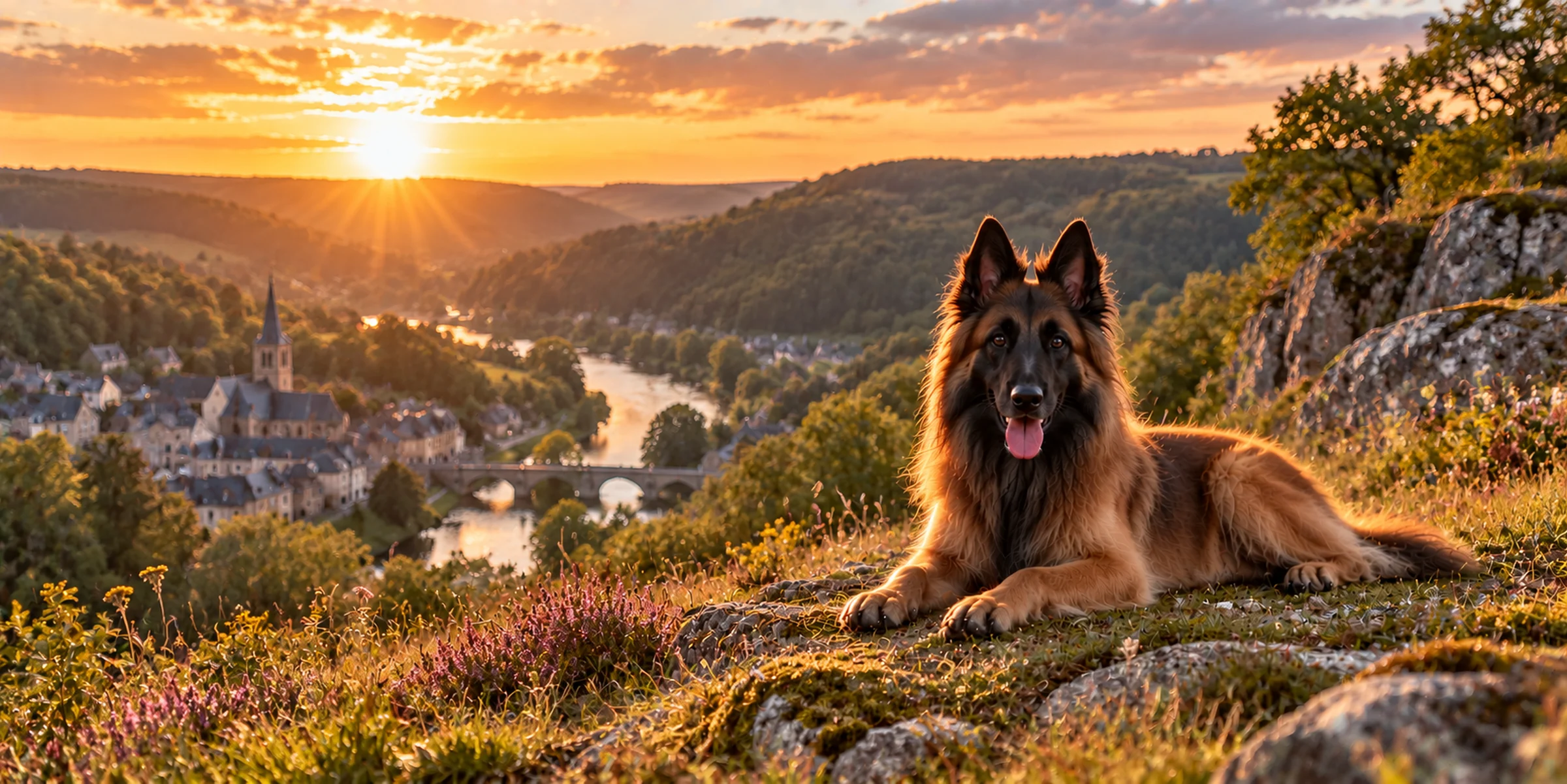
Belgian Tervuren
The same breed in a long fawn coat, and in practice a noticeably more liveable dog - bred for the show ring and for family homes rather than for police work, with real drive but nothing like the Malinois tempo. If the Belgian shepherd appeals but the intensity frightens you, start here.
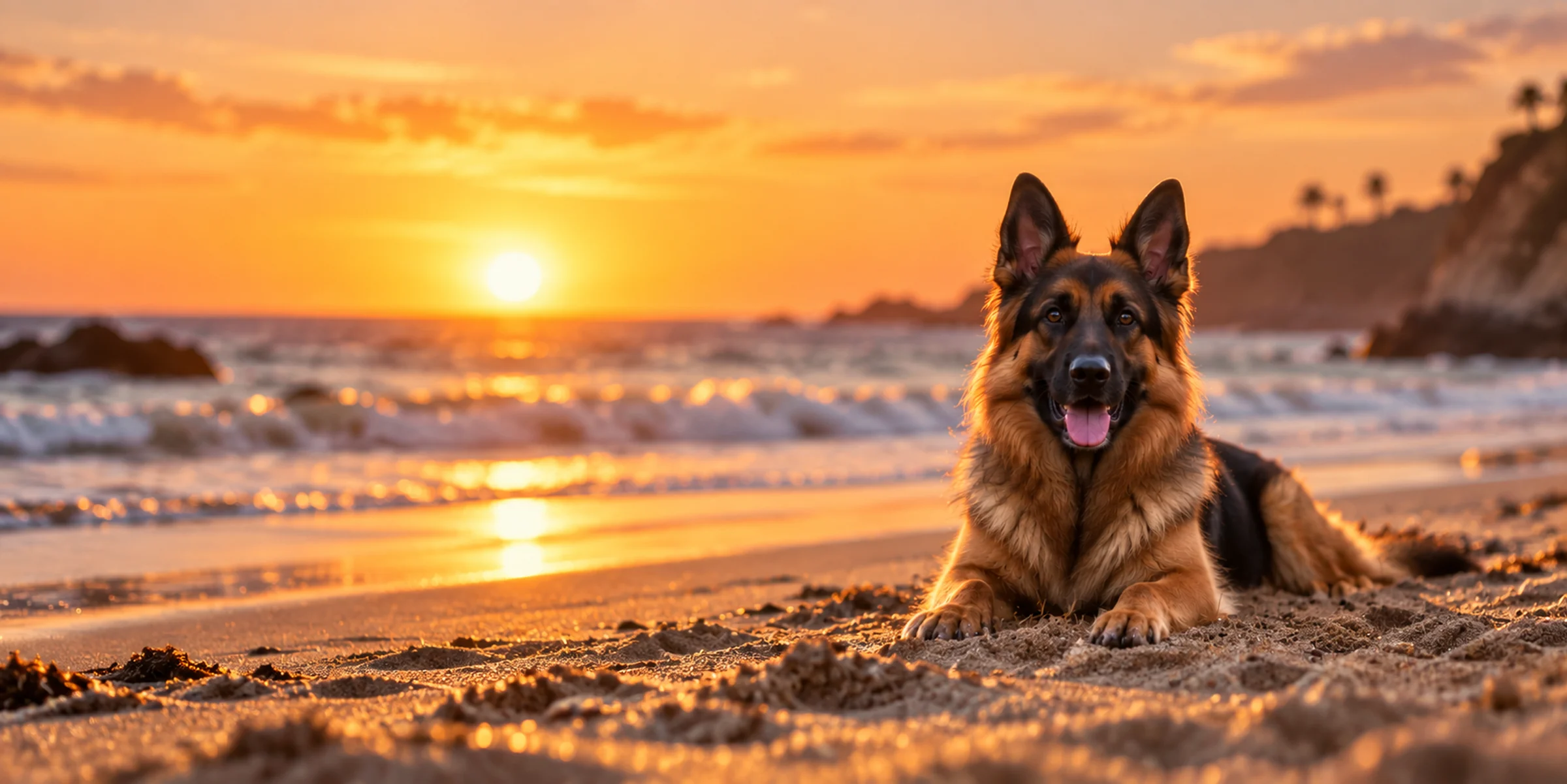
German Shepherd
The other great police and military breed, and the more forgiving of the two. A German Shepherd is heavier, slower to fire, and considerably more tolerant of an ordinary household - the Malinois is what handlers pick when they want more dog, not an easier one.