

small breed
Cesky Terrier
Long, low and rectangular rather than the square outline of most terriers. Puppies are born black or brown and lighten with age to shades of gray - blue-gray is the usual adult color, and it can take three years to arrive. Unusually for a terrier, the coat is clipped rather than stripped. One of the rarest AKC breeds, with only a few hundred in the United States. Source: AKC breed standard.
A terrier built on purpose to be easy - a mid-century Czech cross that kept the drive and the courage and left out most of the noise and the arguing. Ceskys are calm indoors, affectionate, sociable with other dogs and quiet enough for close neighbors. Two honest catches: the coat needs a clip every six to eight weeks for life, and the gene pool is small enough that a waiting list is normal.

Pup Height
10-13 in

Pup Weight
14-24 lb

Pup Lifespan
12-15 years
Your pup, at a glance
What’s Life With This Pup Really Like?

Very affectionate and notably calm indoors for a terrier. They settle on a lap willingly and are happy to be a house dog between outings.

Good. Sturdy, patient and less snappy than most terriers, though they are small enough that young children need supervising around a Cesky.

Good with other dogs, which is the whole reason Ceskys were created - they were bred to hunt in packs. Small pets and outdoor cats are a different matter given the prey drive.

Low to moderate, and low for a terrier. They alert and then stop, rather than working themselves up.

Moderate. An hour satisfies them and they genuinely switch off indoors afterward.

Very low. The coat grows rather than sheds, which is why it needs clipping instead.

Playful and game without being frantic. They enjoy fetch, digging and scent work in equal measure.

Very low, though the beard collects water and carries it to the furniture.

Good, and unusually so for the group. Horak selected for cooperation and it took - they work with a handler rather than around one.

Moderate. Alert and quick to announce a visitor, then friendly once introduced. Too small to be more than notice.

High. Brushing several times a week plus a professional clip every six to eight weeks for life.

High. Apartment or house, city or country - they adapt easily provided the walks and the grooming happen.
Lifestyle fit
Could This Be Your Best Breed?
A Cesky Terrier suits an apartment or a house, city or country, and works for a first-time owner who wants terrier character without terrier volume. Budget $1,600 to $2,600 a year and expect twelve to fifteen years. Want one this month, or a small dog who can be trusted off leash, or a coat that stops costing money? Then this is not the terrier.

Living Space
Apartment or house, city or country. They are small, quiet by terrier standards and adaptable - the main constraint is finding one at all rather than housing them.

Pup Experience
Good for a first-time owner who wants terrier character without terrier volume. They are more biddable and less reactive than most of the group, and still a terrier underneath.

Daily Pup Time
Forty-five minutes to an hour of walking and play. Grooming is the larger commitment - a thorough brush a few times a week plus a clip every six to eight weeks.

Allergies & Coat
The Cesky Terrier scores 2/10 for shedding and 2/10 for drooling. No dog is truly hypoallergenic. The allergens come from dander and saliva, and a coat like this one holds on to them rather than spreading them around your home - which is what a groomer is clearing out every six to eight weeks.
Quirks & challenges
The Not-So-Easy Stuff

The Coat Needs Clipping
A low-shedding coat that keeps growing. A clip every six to eight weeks plus brushing between, indefinitely.
Prey Drive Intact
Bred to hunt and still does. Squirrels, cats outdoors and anything that runs are all live targets off-leash.
They Dig
An earth-working terrier with the instinct to match. Give them a sanctioned spot or they audit the flower beds.
Genuinely Rare
Only a few hundred in the country. Expect a waiting list, travel, and a great deal of due diligence.
Scottie Cramp
An inherited movement disorder from the Scottish Terrier side. Harmless but alarming, and worth knowing about first.
Long Back, Short Legs
Not as extreme as a Dachshund, but stairs and sofa jumps still ask more of their spine than a square dog's.
The good, the bad & the hairy
Health, Care & Costs
Understanding the health risks and ongoing costs of a Cesky Terrier helps you plan for a happy, healthy life together.

12-15 years
$65-$95
per groom (clip, bath, beard, nails, ears), every 6-8 weeks ($450-$800/year)
$1,600-$2,600/year
all-in (food, routine vet, grooming, insurance, incidentals)

Health Risks
Conditions this breed is prone to.

An inherited neurological condition from the Scottish Terrier side that causes the muscles to spasm during excitement or exercise, so the dog moves stiffly or somersaults briefly. It looks alarming and is not painful, does not shorten life, and needs no treatment in most cases. There is a DNA test.
The lens of the eye slips out of position, which is painful and can cause glaucoma and blindness if it is not treated quickly. It is DNA testable, so responsible breeders know both parents' status and it is avoidable.
The kneecap slips out of its groove, producing a skipping gait and sometimes needing surgical correction. Common in short-legged small breeds.
Heart murmurs and valve disease appear in the breed, which is small enough that the gene pool concentrates whatever is in it. Annual auscultation catches most of it early.
A longer-than-tall build puts more load on the spine than a square dog carries. Keeping them lean and limiting repeated jumping does most of the prevention.
Worth stating on its own. The breed was founded on a handful of dogs in 1949 and remains very small, so genetic diversity is narrow and a careful, test-conscious breeder matters more here than in a populous breed.

Insurance & Health Coverage
A comparatively healthy small breed, so the case for cover is the ordinary one - accidents, sudden illness, and the small number of conditions that are genuinely expensive when they arrive.

Primary lens luxation is the one to know about. It is an emergency when it happens, surgery is not cheap, and untreated it costs the eye. It is also entirely DNA testable, so the parents' results settle the question before you bring one home - and because it is congenital, no policy will pay for it either way.

Grooming is the recurring cost that surprises people more than the vet bills. A clip every six to eight weeks for the dog's whole life adds up to more than most owners of a twenty-pound dog expect.
 Get a Pet Insurance Quote
Care needs
The Daily Routine

Grooming
A soft, wavy, low-shedding coat that keeps growing and mats if left. Brush thoroughly two or three times a week, and clip every six to eight weeks - unusually for a terrier, the coat is clipped rather than hand-stripped, which leaves the long furnishings on the legs, chest and face. The beard needs wiping after meals.

Exercise
Forty-five minutes to an hour daily. They enjoy long walks, earthdog work and scent games, and they are notably calmer indoors afterward than most terriers manage.

Food & Weight
Two measured meals. They are compact dogs with a long back, so extra weight lands where it does the most harm - keep the ribs easy to feel under the coat.
Similar breeds
If This Isn’t Quite the One
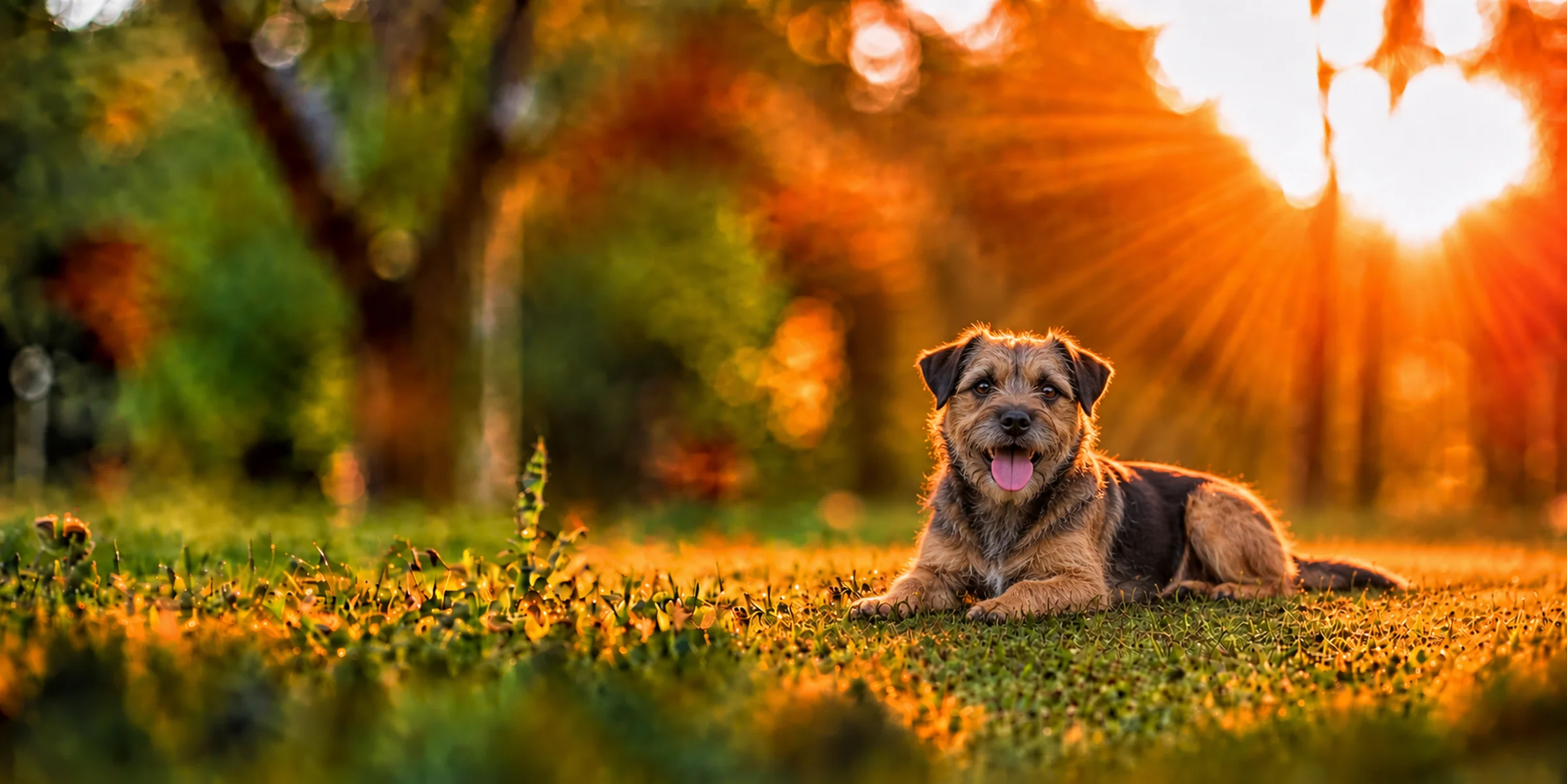
Border Terrier
Another working terrier with an unusually even temperament and real sociability with other dogs. The Border needs stripping rather than clipping and is a touch more energetic; the Cesky is calmer indoors.
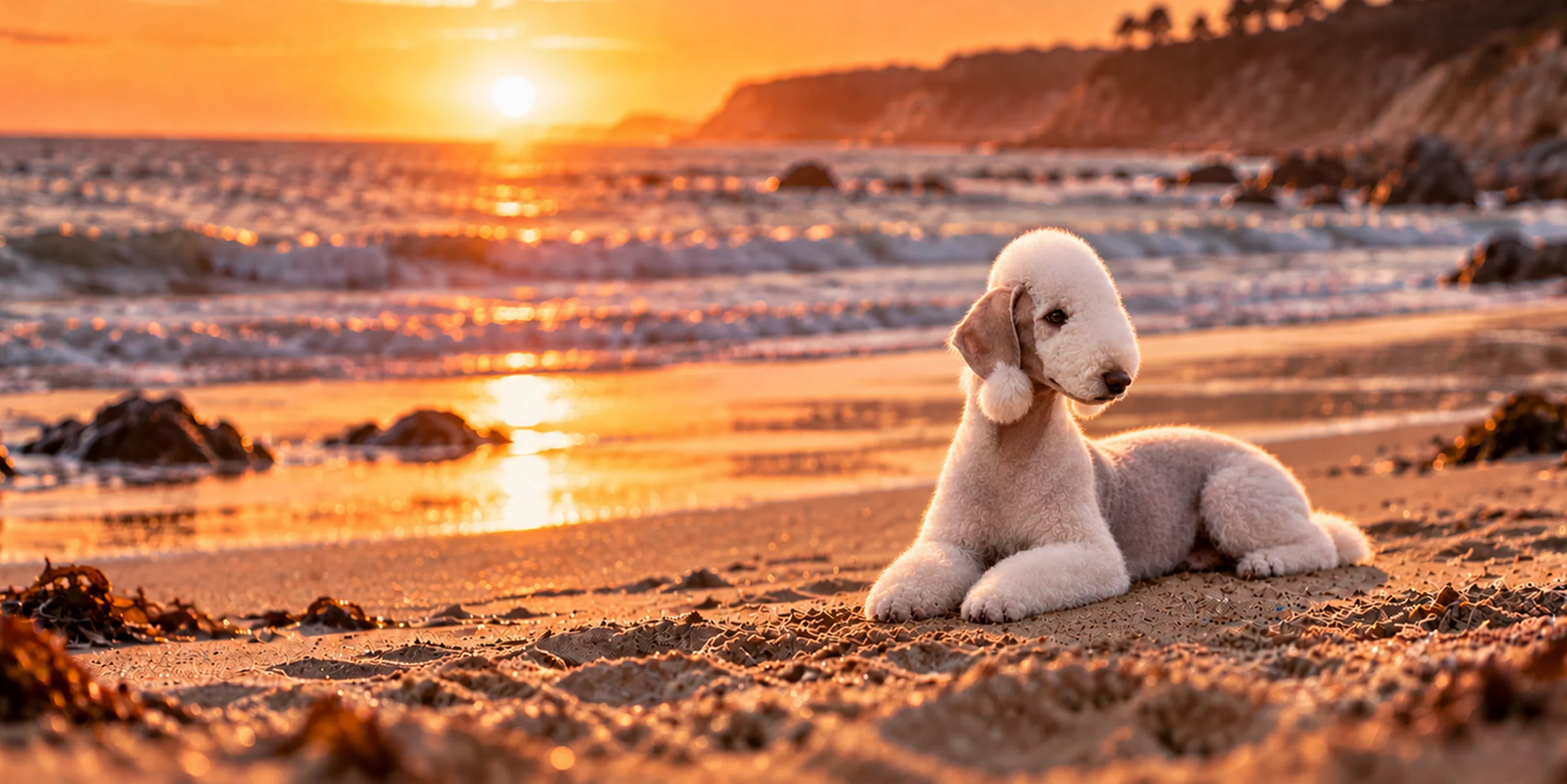
Bedlington Terrier
A similar profile - a terrier with a non-shedding coat that needs regular professional clipping, gentle at home and driven outdoors. The Bedlington is taller and faster; the Cesky is lower, sturdier and rarer.