

small breed
Miniature Pinscher
A German stable ratter several centuries old, and not a shrunken Doberman - the Min Pin is the older breed, and the likeness is coincidence. Miniature Pinschers are eight to ten pounds of self-belief on a high-stepping walk, and the coat asks for nothing beyond a weekly rubdown. The honest costs are alert barking at every sound, housetraining measured in months rather than weeks, and a fence that has to be checked at ground level.

Pup Height
10-12.5 in
10-12.5 in at the withers for both sexes, with 11-11.5 in preferred; under 10 in or over 12.5 in is a disqualification. The standard sets no weight. Solid clear red, stag red (red with black hairs intermixed), black and rust, or chocolate and rust. A smooth, hard, short, lustrous coat. The high-stepping, hackney-like gait is a defining feature of the breed. Ears may be cropped or natural. Source: AKC breed standard.

Pup Weight
8-10 lb

Pup Lifespan
12-16 years
Your pup, at a glance
What’s Life With This Pup Really Like?

Good. Loves to burrow under blankets with their people once the day's patrolling is done.

Fair. Affectionate with respectful older children, but not tolerant of grabbing or rough play and easily injured by toddlers.

Fair. Often bossy with other dogs and driven to chase small animals, though many live well with a dog raised alongside them.

High. Alert to every sound and quick to announce it.

High. Busy from morning to night, with a lot of energy for a dog under 12 inches tall.

Low to moderate. The short coat sheds lightly year-round, but the hairs are small and easy to wipe up.

Very playful. Energetic, curious and mischievous, with a love of chase games and toys.

Minimal. A dry-mouthed breed.

Moderate. Quick to learn, but independent and happy to ignore a cue that does not seem worth it.

High. Suspicious of strangers and fearless about raising the alarm, whatever the size of the visitor.

Minimal. A weekly rubdown, nails and teeth are all the coat asks for.

Good. The size and easy coat travel well and suit apartments, but cold weather and long hours alone do not.
Lifestyle fit
Could This Be Your Best Breed?
Miniature Pinschers fit an apartment or a house, and suit active adults or a family whose children are past the grabbing stage - rough handling is not tolerated, and eight pounds is easily hurt. Reckon on $1,200 to $2,500 a year and twelve to sixteen years. Skip this one if what you want is a quiet small dog who stays put and settles on a lap all evening.

Living Space
Works in an apartment or a house, as long as the energy has somewhere to go. Any yard needs a secure fence with no gaps, because Miniature Pinschers squeeze through, dig under and climb over barriers that hold much bigger dogs.

Pup Experience
Best with an owner who has had a dog before, or a first-timer ready to be consistent. The size is easy; the confidence, independence and talent for escape are not.

Daily Pup Time
About 45-60 minutes of walks and play spread through the day, plus short training sessions. Grooming takes a few minutes a week.

Allergies & Coat
The Miniature Pinscher scores 3/10 for shedding and 1/10 for drooling. No dog is truly hypoallergenic. The allergens come from dander and saliva, and a coat that sheds this little leaves far less of them on your furniture, floors, and clothes.
Quirks & challenges
The Not-So-Easy Stuff

Escape Artist
Slips through fence gaps, under gates and out of open doors. A secure yard and a harness they cannot back out of are essential.
Barking
Quick to alert at every noise and passerby. Teach a quiet cue early, especially in an apartment.
Big-Dog Attitude
Will challenge much larger dogs without hesitation. Careful introductions keep that confidence from getting them hurt.
Prey Drive
Bred to hunt vermin and still keen on it. Hamsters, rats and birds are not safe, and some Min Pins chase cats.
Housetraining
Like many toy breeds, slow to be fully reliable indoors. A routine and a crate help, and cold, wet weather makes it harder.
Stubborn Streak
Smart but independent, and quick to learn what they can get away with. Rules must be the same every day.
The good, the bad & the hairy
Health, Care & Costs
Understanding the health risks and ongoing costs of a Miniature Pinscher helps you plan for a happy, healthy life together.

12-16 years
$40-$70
per groom (bath, nails, ears) a few times a year, or done at home ($0-$250/year)
$1,200-$2,500/year
all-in (food, routine vet, dental care, insurance, incidentals)

Health Risks
Conditions this breed is prone to.

The kneecap slips out of place, causing a skipping gait. Mild cases are managed conservatively; severe ones need surgery. Breeders should have parents' knees evaluated.
The blood supply to the top of the thigh bone fails in young dogs, usually between 4 and 12 months, causing hind-leg lameness. Surgery to remove the damaged femoral head generally gives a good outcome.
PRA gradually destroys the retina and leads to blindness; cataracts also appear in the breed. Annual eye examinations by a veterinary ophthalmologist are part of responsible breeding.
An inherited enzyme deficiency that affects bones and joints and can cause clouded corneas. A DNA test exists, so carriers can be identified before breeding.
An underactive thyroid causes weight gain, coat thinning and sluggishness. A blood test diagnoses it and a daily tablet manages it.
Small mouths crowd teeth, and tartar and early tooth loss are common. Daily brushing and periodic professional cleanings save money and teeth.

Insurance & Health Coverage
Insure early. Legg-Calvé-Perthes disease usually shows up before the first birthday and patellar luxation often appears young, so a policy started after the first limp may exclude the very condition you need covered.

Orthopedic surgery is the claim to plan for. A femoral head procedure or a kneecap repair runs into the thousands, and a long-lived breed means more years for a knee or eye problem to develop. Check that the policy covers hereditary and congenital conditions and look at the per-condition caps.

Dental work is the other steady expense. Many policies exclude routine cleanings or cover dental illness only with an add-on, so read that section before choosing.
 Get a Pet Insurance Quote
Care needs
The Daily Routine

Grooming
A short, hard coat that needs little more than a weekly wipe with a rubber brush or grooming mitt and an occasional bath. Trim nails every couple of weeks, check the ears, and brush teeth daily. The thin coat means a sweater or coat in cold weather.

Exercise
Two or more brisk walks a day plus active play - chasing toys, puzzle games and short training sessions. Always on leash or in a securely fenced area, because a Min Pin that spots something to chase will not come back.

Food & Weight
Small, measured meals of a quality small-breed food. Min Pins are good at persuading people into extra treats, and a pound or two of excess weight on a 9-pound dog puts real strain on the knees and hips. Count training treats as part of the daily ration.
Similar breeds
If This Isn’t Quite the One
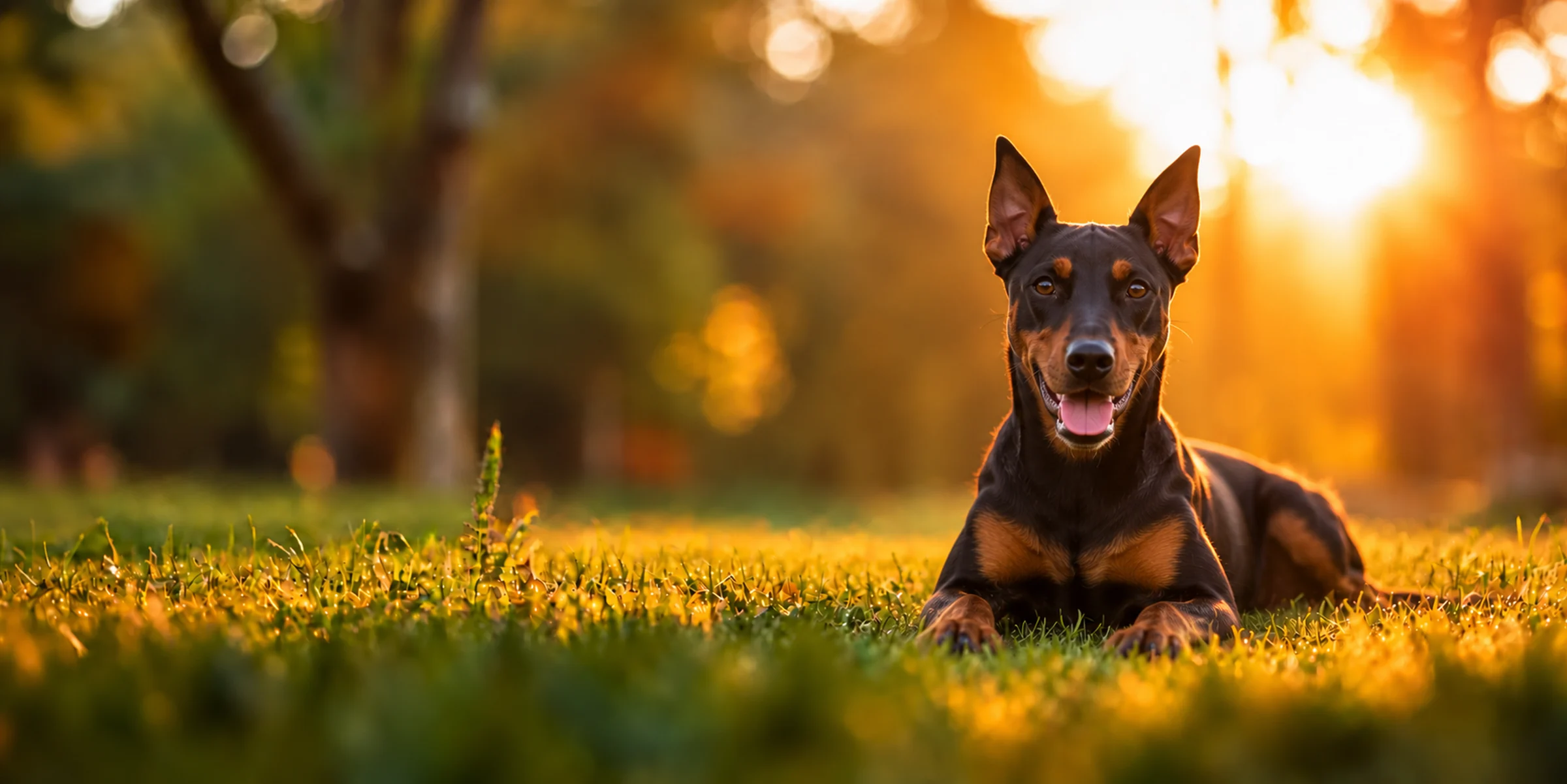
German Pinscher
The Min Pin's closest relative, sharing the same German pinscher roots. The German Pinscher is a medium-sized, more powerful dog with a stronger guarding instinct and higher exercise needs; the Miniature Pinscher packs a similar attitude into a toy frame.

Toy Manchester Terrier
A similar-looking small, sleek black and rust dog. The Toy Manchester is a British ratting terrier that tends to be a little more biddable and less domineering with other dogs; the Min Pin is bolder and more of an escape artist.

Italian Greyhound
Another short-coated, low-grooming toy with an elegant outline. The Italian Greyhound is gentler, quieter and more fragile, happy to nap most of the day; the Min Pin is sturdier, louder and far busier.

Chihuahua
A tiny, devoted dog with a similar alert, vocal streak and wariness of strangers. The Chihuahua is smaller and more of a lapdog; the Miniature Pinscher needs considerably more exercise and entertainment.