

small breed
Affenpinscher
Nine pounds of dog with the self-image of a Rottweiler, scruffy and wire-coated and genuinely funny to live with. Affenpinschers are devoted to their people and quietly convinced they run the household, which is charming right up until the doorbell, the squirrel and the mail all get announced at volume. The wiry coat needs stripping or clipping every six to eight weeks, and a long day alone turns boredom into barking and chewing.

Pup Height
9-11.5 in

Pup Weight
7-10 lb

Pup Lifespan
12-14 years
Your pup, at a glance
What’s Life With This Pup Really Like?

Affectionate with their own people and often quite attached, but they carry themselves with more dignity than a lapdog - this is a dog who chooses to sit with you, not one who melts into you.

Best with calm, older children who understand not to roughhouse. Affenpinschers are small enough to be hurt easily and confident enough to snap back if they are.

Mixed. Dogs they're raised with are usually fine; cats and small pets can trigger real prey drive, and Affenpinschers won't back down from a bigger dog either.

Loud for their size and proud of it. An excellent alarm system, which is exactly the problem in an apartment with thin walls.

Moderate. They want a real walk and some play, not a marathon - twenty to forty minutes a day covers it.

Low. The wiry coat sheds very little, though it mats if it isn't kept up.

Genuinely funny to watch - mischievous, a little theatrical, and happiest when they've got an audience.

Essentially none. A dry, tidy little mouth.

Bright but opinionated. They'll learn fast for a reward and dig their heels in against a correction - reward-based training isn't optional here, it's the only thing that works.

Excellent, and fearless well past the point common sense would suggest. They will announce - and stand their ground against - anything.

The wiry coat needs hand-stripping or clipping every six to eight weeks, plus regular brushing between visits.

Settles into apartments and houses equally well. What they don't adapt well to is being ignored - they want to be part of whatever's happening.
Lifestyle fit
Could This Be Your Best Breed?
An Affenpinscher suits an apartment or a house equally well, and suits an owner who is home most of the day, enjoys a small dog with opinions, and trains with rewards rather than sternness. Budget $1,400 to $2,300 a year and expect twelve to fourteen years of it. A house empty ten hours a day is where this comes apart, and so is a building with a light sleeper next door - quiet was never on the menu.

Living Space
Perfectly happy in an apartment or a house - size was never the issue. What they need is company; left alone too long, boredom turns into barking and chewing.

Pup Experience
Not a beginner-hostile breed, but the independent streak catches people off guard. Reward-based training works; a soft, consistent hand gets further than a stern one.

Daily Pup Time
Twenty to forty minutes of walking and play, plus regular brushing and a stripping or clipping session every six to eight weeks to keep that wiry coat in shape.

Allergies & Coat
The Affenpinscher scores 2/10 for shedding and 1/10 for drooling. No dog is truly hypoallergenic. The allergens come from dander and saliva, and a coat like this one holds on to them rather than spreading them around your home - which is what a groomer is clearing out every six to eight weeks.
Quirks & challenges
The Not-So-Easy Stuff

Big Dog Energy
This is a nine-pound dog that has never once noticed they are a nine-pound dog. A confident approach to much larger dogs is not unusual.
Stubborn Streak
Bred to think for themselves in a barn full of rats, and they still do. Reward-based training works; arguing does not.
Sounds the Alarm
An excellent watchdog with a genuinely surprising bark for the size. The mail carrier never stands a chance.
Prey Drive
Small furries read as prey, not friends, unless raised together from puppyhood. Supervise cats and rabbits accordingly.
Wiry Coat Upkeep
That scruffy, monkey-like coat needs hand-stripping or clipping every six to eight weeks to stay tidy rather than matted.
Slow to House-Train
Small bladder, big opinions. A consistent schedule matters more here than with most breeds.
The good, the bad & the hairy
Health, Care & Costs
Understanding the health risks and ongoing costs of a Affenpinscher helps you plan for a happy, healthy life together.

12-14 years
$50-$80
per groom (hand-stripping or clipping), every 6-8 weeks ($350-$650/year)
$1,400-$2,300/year
all-in (food, routine vet, grooming, insurance, incidentals)

Health Risks
Conditions this breed is prone to.

The kneecap slips out of its groove. Mild cases show as an occasional skip in the step; severe ones need surgery. Common in small breeds and usually present from puppyhood.
The head of the femur loses its blood supply and collapses, usually in small breeds under a year old. It causes limping and pain, and surgery is generally the fix. Recovery is good once done.
A heart defect present from birth - a blood vessel that should close after birth stays open, forcing the heart to overwork. Often caught as a murmur at a puppy's first checkup. Surgical correction is a specialist procedure, and dogs that have it done young typically go on to live completely normal lives.
The hip joint develops loosely, so the ball and socket grind instead of gliding. Less common at this size than in large breeds, but it still turns up. Ask to see hip scores for both parents.
Crowded small mouths trap food and plaque, and untreated gum disease costs teeth. Daily brushing genuinely prevents it; the alternative is repeated cleanings under anesthesia.
The lens clouds over and vision dims. Surgery restores sight in most cases and is routine, though not cheap. Worth an annual eye check as the dog ages.

Insurance & Health Coverage
Affenpinschers are a small, generally sturdy breed, but the size cuts both ways: patellar luxation and dental disease are common enough to expect, and the heart defect PDA turns up often enough in the breed to be worth asking a breeder about directly.

Patellar luxation surgery runs $1,500-$3,500 per knee when it's needed, and PDA correction - if a puppy needs it - is a specialist cardiac procedure that can run several thousand dollars on its own.

None of this is expensive by large-breed standards, but a heart murmur or a slipping kneecap picked up at a puppy checkup becomes a pre-existing condition the moment it's on record - cover arranged before that first vet visit is worth more than cover arranged after.
 Get a Pet Insurance Quote
Care needs
The Daily Routine

Grooming
Hand-strip or clip every six to eight weeks to keep the wiry coat looking sharp rather than scruffy - brush weekly in between. Teeth need regular attention; the small mouth crowds easily.

Exercise
Twenty to forty minutes of walking and play daily. They're not athletes, but they do need a real outlet or the mischief moves indoors.

Food & Weight
At seven to ten pounds the margin for error is tiny - a couple of extra treats is a meaningful share of the day's calories. Measure meals, weigh treats into that total, and judge by feel: ribs easy to find, a waist visible from above.
Similar breeds
If This Isn’t Quite the One

Toy Poodle
A similarly tiny companion built to please rather than to argue with you, if the stubbornness here is what gives you pause - though you're trading it for a much bigger grooming bill.
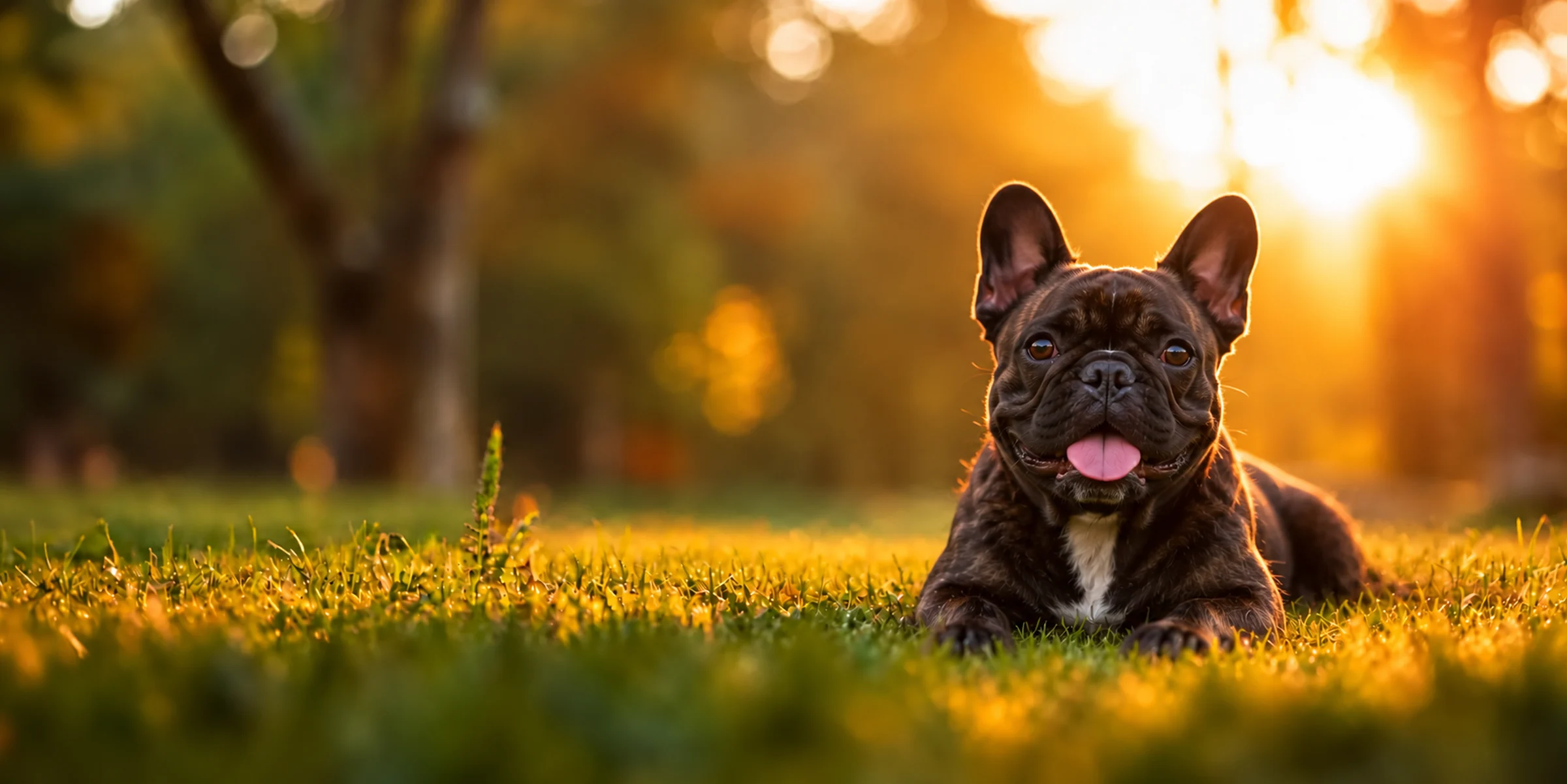
French Bulldog
A quieter, sturdier small companion if the barking and the bossiness are the dealbreaker - though they carry their own heavier health burden.