

small breed
Toy Poodle
The Poodle brain and the same non-shedding coat in the smallest size the breed comes in, and the easiest of the three to fit into a home. Toy Poodles are bright, quick to learn and closely bonded, usually to one person. The trade is fragility and attachment: four to six pounds genuinely breaks, the coat has to be brushed daily and clipped every four to six weeks, and this is the variety that copes worst with an empty house.

Pup Height
10 in or under

Pup Weight
4-6 lb
The smallest of the three Poodle varieties. Standards are over 15 in / 44-71 lb and Miniatures 10-15 in / 10-15 lb. 'Teacup' is a marketing word, not a variety - no registry recognizes it, and dogs bred deliberately under standard carry more health problems, not fewer. Source: AKC and FCI breed standards.

Pup Lifespan
14-16 years
Your pup, at a glance
What’s Life With This Pup Really Like?

The most attached of the three varieties. They want to be on you, and they let you know when they aren't.

Better with older, calm children. At four to six pounds a dropped or squeezed Toy gets genuinely hurt, and a hurt dog snaps.

Fine with dogs that respect their size. Large boisterous dogs are the real hazard, not other small pets.

The most vocal of the three. Demand barking is learned quickly and reinforced without you noticing.

Modest. Twenty to thirty minutes and some indoor play covers it, which is what makes them so apartment-friendly.

The lowest on this site. The coat doesn't shed out, which is the whole appeal and also why it mats.

Playful in short bursts and cleverer than the size suggests. A puzzle lands as well as a toy.

None to speak of.

Very bright, though a little more easily distracted than the larger varieties and more easily rattled by a sharp voice.

An enthusiastic alarm attached to no deterrent whatsoever.

The cheapest of the three per visit, but still every four to six weeks for life. Teeth matter even more here than coat does.

Among the most apartment-viable dogs on this site, provided the alone time is short. They do not cope with long empty days.
Lifestyle fit
Could This Be Your Best Breed?
A Toy Poodle suits an apartment and an owner who is home most of the day - someone who wants a companion at close quarters and will keep up daily brushing and daily tooth brushing. Grooming alone runs $500 to $950 a year, on top of everything else, for fourteen to sixteen years. If a standing grooming bill that size is not in the budget, stop here.

Living Space
About as apartment-viable as a dog gets. The constraint is not floor space, it is how long they are left alone - this variety copes worst of the three with empty days.

Pup Experience
First-timer friendly, with one caveat: they are easy to carry everywhere and forgive everything, and that is exactly how the habits start. Sensitive to sharp handling.

Daily Pup Time
Twenty to thirty minutes outdoors plus indoor play and something to think about, on top of daily brushing.

Allergies & Coat
The Toy Poodle scores 1/10 for shedding and 1/10 for drooling. No dog is truly hypoallergenic. The allergens come from dander and saliva, and a coat like this one holds on to them rather than spreading them around your home - which is what a groomer is clearing out every six to eight weeks.
Quirks & challenges
The Not-So-Easy Stuff

Home Alone Blues
The most attached of the three varieties. Long days by themselves are the thing they handle worst.
Demand Barking
The most vocal Poodle. They work out fast that noise gets a response.
Small-Dog Syndrome
They get carried and forgiven, then behave accordingly. Treat them like a dog.
Genuinely Breakable
Four to six pounds does not bounce. Sofa jumps and clumsy grabs cause real injuries.
Teeth Trouble
Small mouths crowd. Dental disease is close to a certainty without daily brushing.
Grooming Wriggles
Condition them to handling early or every appointment is a fight.
The good, the bad & the hairy
Health, Care & Costs
Understanding the health risks and ongoing costs of a Toy Poodle helps you plan for a happy, healthy life together.

14-16 years
the longest-lived variety of the three
$55-$85
per professional groom, every 4-6 weeks ($500-$950/year)
$1,500-$2,400/year
all-in (food, routine vet, grooming, insurance, incidentals)

Health Risks
Conditions this breed is prone to.

The kneecap slips out of its groove. Mild cases show as an occasional skip in the step; severe ones need surgery. Common in small breeds and usually present from puppyhood.
The head of the femur loses its blood supply and collapses, usually in small breeds under a year old. It causes limping and pain, and surgery is generally the fix. Recovery is good once done.
The windpipe's cartilage rings weaken and flatten, causing a honking cough that worsens with excitement or any pressure on the neck. Use a harness, never a collar. It is managed rather than cured.
Crowded small mouths trap food and plaque, and untreated gum disease costs teeth. Daily brushing genuinely prevents it; the alternative is repeated cleanings under anesthesia.
An inherited disease that slowly destroys the retina. Night vision goes first, then daylight vision, usually ending in blindness. There is no treatment, but it is painless and gradual, and most dogs cope well in a home they already know. Responsible breeders DNA-test for it.
Very small puppies can run out of blood sugar between meals, causing wobbliness or collapse. Frequent small meals through the first few months prevent it, and most dogs grow out of it entirely.

Insurance & Health Coverage
The cheapest of the three varieties to run and the longest-lived, which makes this a question of years rather than emergencies.

Tracheal collapse is another one to understand: it is managed rather than cured, which means recurring cost for the rest of the dog's life.

Sixteen years is a lot of veterinary exposure, and the two things most likely to need it - dental work and patellar luxation surgery - both arrive gradually enough that an insurer can call them pre-existing if a note lands before the policy does.
 Get a Pet Insurance Quote
Care needs
The Daily Routine

Grooming
Brush daily - the coat does not shed out, so anything loose stays in and mats. Professional groom every 4-6 weeks. Teeth need daily brushing; dental disease is the breed's most reliable problem at this size.

Exercise
20-30 minutes daily plus indoor play and puzzle work. Use a harness rather than a collar to keep pressure off the trachea.

Food & Weight
Puppies at four to six pounds can drop into hypoglycemia if meals are spaced too far apart, so feed small and often until they are grown. Adults need very little food, which makes treats the usual culprit; weigh them into the day rather than adding on top.
Similar breeds
If This Isn’t Quite the One

Miniature Poodle
The same breed and coat with meaningfully more substance to it, if the fragility is what gives you pause.

Standard Poodle
The original working version of the same dog, if the size was never the appeal.
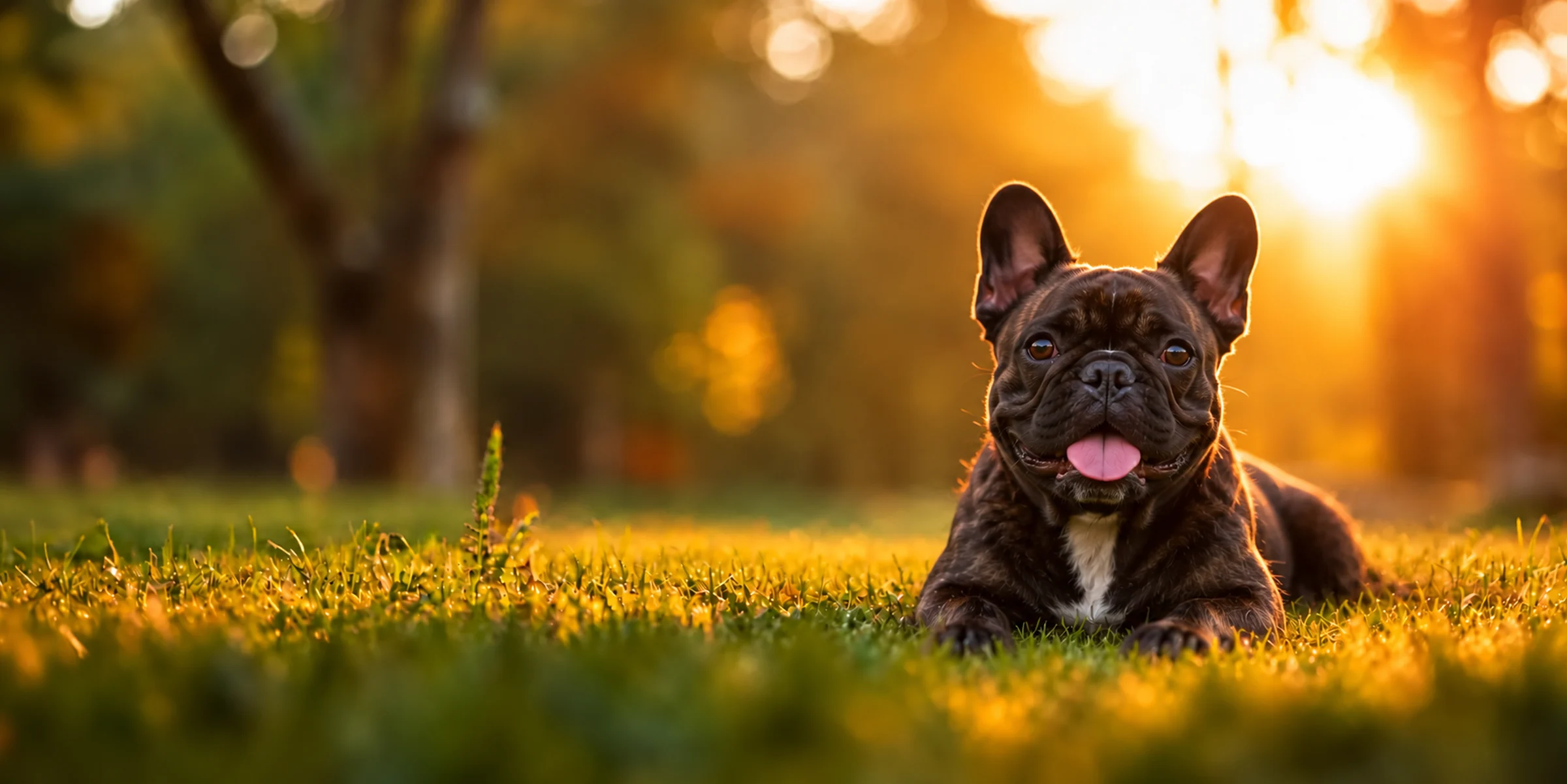
French Bulldog
A sturdier small companion that is quieter and needs far less coat work - though they carry a much heavier health burden.
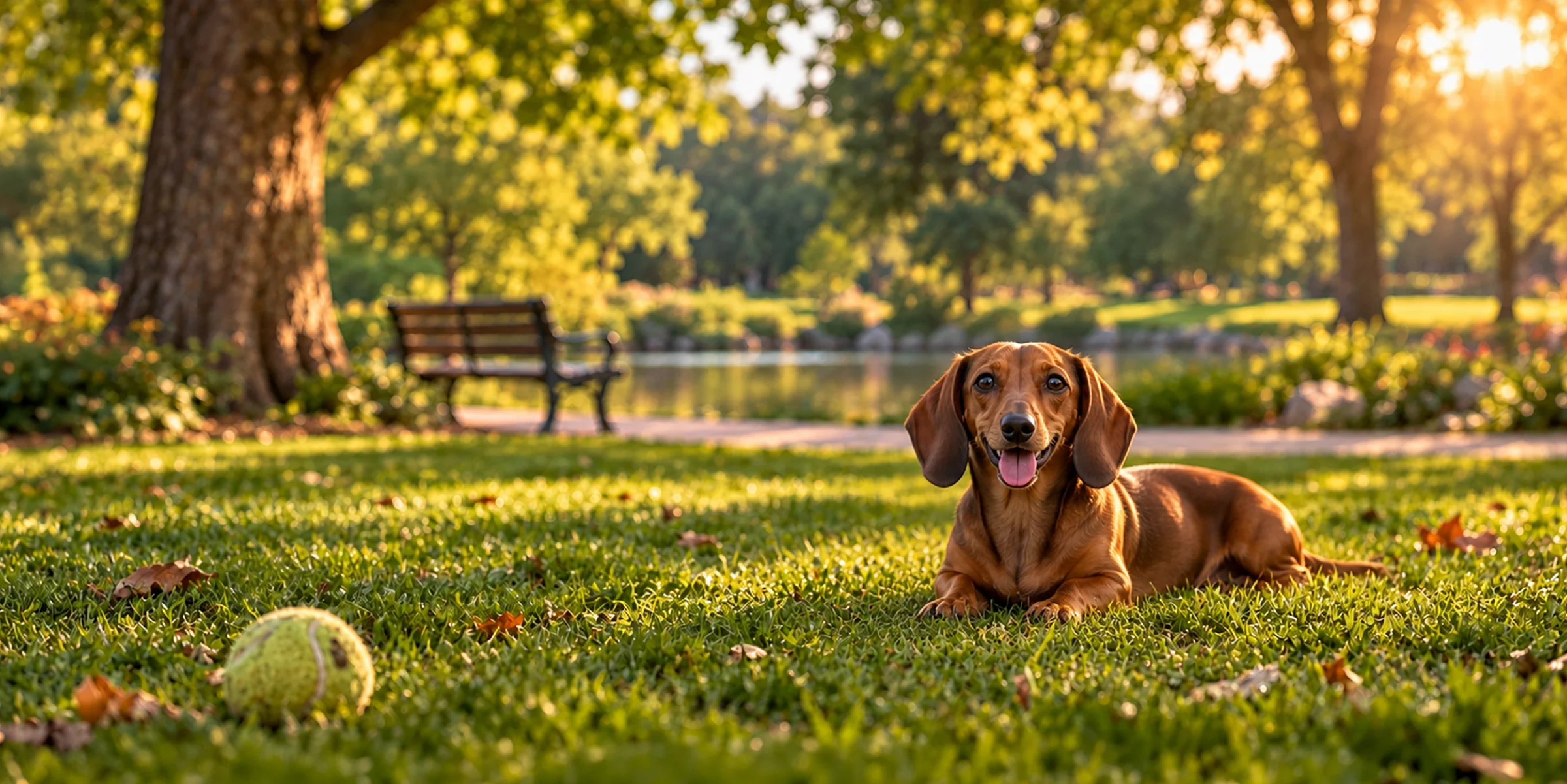
Standard Dachshund
Similar small-space appeal with a great deal more independence, if the Poodle's attachment sounds like too much.

Maltipoo
The Maltese cross, and a very small dog with everything that follows - daily tooth brushing against near-certain dental disease, real fragility, and a coat that mats from both sides of the pairing.

Yorkiepoo
The Yorkshire Terrier cross, and usually bred to this variety rather than the Miniature. A bolder, more vocal dog than a Toy Poodle alone, and one whose first-year health check should include a bile acid test.

Shihpoo
The Shih Tzu cross, and the pairing where the Poodle muzzle earns its keep - it can moderate the flat face, though only for the puppies who inherit it.