

medium-to-large breed
Afghan Hound
Dignified, aloof and dressed like they are stepping onto a runway, right up until they sprint flat out around the yard for no reason anyone can identify. Afghan Hounds love their people on their own schedule rather than yours, and they are affectionate without ever being biddable. The coat is the real commitment: without near-daily brushing, that flowing silk felts into a solid mat in a matter of weeks.

Pup Height
25-27 in

Pup Weight
50-60 lb

Pup Lifespan
11-13 years
Your pup, at a glance
What’s Life With This Pup Really Like?

Affectionate on their own terms - independent and a little cat-like, they'll choose to be near you rather than climb into your lap on command.

Best with calm, older children who respect an Afghan Hound's space. Afghans aren't rough-and-tumble playmates and can be aloof with a toddler's chaos.

Real prey drive toward anything that runs. Cats and small dogs Afghan Hounds weren't raised with are genuinely at risk; other calm dogs are usually fine.

Quiet by hound standards. They observe more than they announce.

A sprinter, not an endurance athlete. They want a real off-leash run in a secure space, then they're happy to do nothing for the rest of the day.

Moderate. The long coat traps loose hair rather than scattering it everywhere, but that's exactly why it needs so much brushing out.

Has a genuinely goofy, clownish streak at home that surprises people expecting only dignity. Plays on their own terms, though.

Essentially none. A dry, tidy mouth.

Independent by design - bred to hunt alone and make their own calls. Reward-based training works; repetition and correction mostly just get ignored.

Reserved with strangers rather than alert. They notice everything and rarely say anything about it.

About as high as it gets on this site. Near-daily brushing and a professional wash and blow-dry every few weeks, for life.

Needs secure fencing and real space to sprint, so they don't adapt well to a tiny apartment or an insecure yard. Otherwise settles calmly once their exercise and coat needs are met.
Lifestyle fit
Could This Be Your Best Breed?
An Afghan Hound suits a house with a genuinely secure fenced yard, somewhere safe to sprint, and an owner with the patience for daily grooming and the humor to accept being ignored. Running costs are high for the size at $2,200 to $3,600 a year, across eleven to thirteen years. Anyone hoping for obedience, an off-leash walk, or a coat they can forget about for a week should look at another breed.

Living Space
Needs a genuinely secure, fully fenced yard - this is a sighthound built to chase, and an unfenced yard or a gap in the fence is how Afghan Hounds go missing. A house suits the size and the coat far better than an apartment.

Pup Experience
Not the breed for a first-time owner chasing obedience-class ribbons. Afghan Hounds are independent by design, bred to hunt alone across open country, and training asks for patience and reward rather than repetition and correction.

Daily Pup Time
A real off-leash sprint in a secure area most days, plus calm time on the sofa the rest of it - and near-daily brushing, which is the part that actually eats the hours.

Allergies & Coat
The Afghan Hound scores 4/10 for shedding and 1/10 for drooling. No dog is truly hypoallergenic. The allergens come from dander and saliva, and a dog that sheds this much will leave plenty of hair behind - especially on your furniture, floors, and clothes.
Quirks & challenges
The Not-So-Easy Stuff

Selective Hearing
A sighthound chases first and considers recall a suggestion for later. Off-leash is a real risk unless the space is fully enclosed.
Aloof by Design
Bred to hunt independently, and it shows: affectionate on their own terms, not a dog who lives for constant contact.
The Coat Is a Job
Near-daily brushing is non-negotiable. Skip a week and you are not brushing a dog, you are cutting mats out of one.
Small Pets Beware
Anything that runs reads as prey. Cats and small dogs Afghan Hounds weren't raised with are genuinely at risk.
Stubborn Streak
Bred to make their own calls in open country, and they still do. Reward-based training works; repetition alone does not.
Cool With Strangers
Reserved rather than friendly with people they don't know. Not aggressive, just unimpressed.
The good, the bad & the hairy
Health, Care & Costs
Understanding the health risks and ongoing costs of a Afghan Hound helps you plan for a happy, healthy life together.

11-13 years
$90-$150
per professional groom (bath, blow-dry and brush-out), every 3-4 weeks ($1,100-$1,800/year - among the highest recurring grooming costs on this site)
$2,200-$3,600/year
all-in (food, routine vet, grooming, insurance, incidentals)

Health Risks
Conditions this breed is prone to.

The hip joint develops loosely, so the ball and socket grind instead of gliding. It leads to arthritis and, in severe cases, replacement surgery. Ask to see hip scores for both parents.
The thyroid stops producing enough hormone, causing weight gain, lethargy and a thinning coat. A daily tablet manages it completely and the medication itself is inexpensive.
The lens clouds over and vision dims, sometimes appearing relatively young in this breed. Surgery restores sight in most cases and is routine, though not cheap.
Environmental allergies - pollen, dust mites, grass - showing up as itching and irritation. The long coat can trap allergens against the skin, which makes regular bathing more than just cosmetic here.
Sighthounds process certain anesthetic drugs differently because of their low body fat and lean muscle mass. It isn't a disease so much as a fact to hand your vet before any procedure, so they use a sighthound-safe protocol.
A rare but breed-associated condition where lymphatic fluid builds up around the lungs, causing labored breathing. It's uncommon, but specific enough to this breed that it's worth knowing the name if a persistent cough or breathing trouble ever comes up.

Insurance & Health Coverage
Afghan Hounds are a generally sturdy, long-limbed breed, but hip dysplasia and cataracts are common enough in the breed to plan around, and their unusual anesthesia sensitivity means even routine procedures need a vet who already knows sighthounds.

Hip dysplasia surgery runs several thousand dollars when it's needed, and cataract surgery is a specialist ophthalmology procedure that isn't cheap either - both are the kind of bills a policy is actually built for.

A hip score or an eye check done early, before either shows up in a vet's notes, is what keeps future claims from being written off as pre-existing - the paperwork matters as much as the dog's actual health here.
 Get a Pet Insurance Quote
Care needs
The Daily Routine

Grooming
Brush most days - this coat mats fast, and a missed week means cutting mats out rather than combing them free. Professional bath and blow-dry every 3-4 weeks to keep it manageable.

Exercise
A real off-leash sprint in a securely fenced area most days is worth more than a long slow walk - this is a sprinter, not an endurance athlete. Calm and content on the sofa the rest of the time.

Food & Weight
Sighthound lean is not underweight - faintly visible ribs are correct here, and owners often overfeed trying to fill out the frame. Split the day's food across two meals and keep hard exercise clear of mealtimes, since this is a deep-chested breed.
Similar breeds
If This Isn’t Quite the One
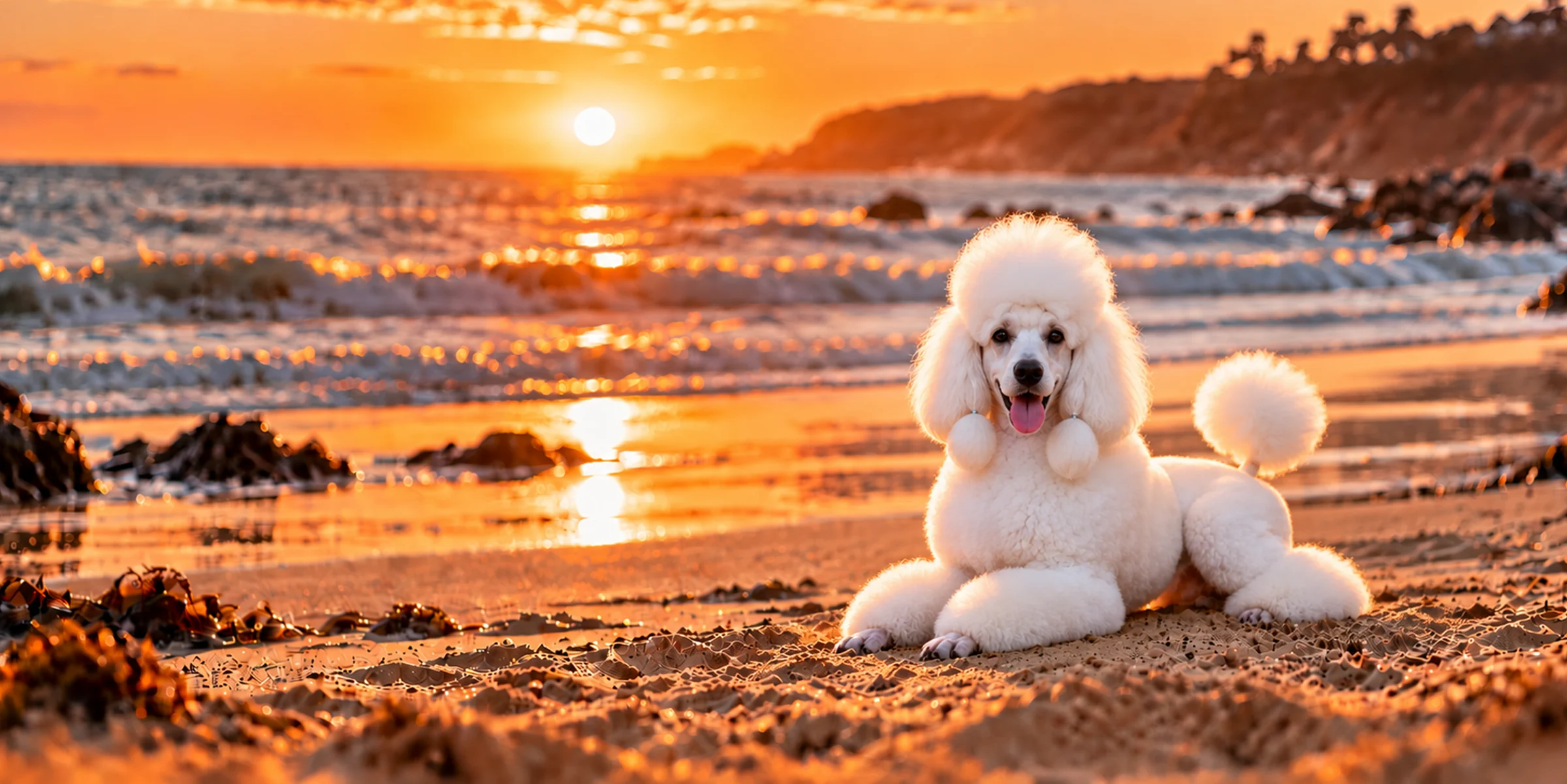
Standard Poodle
If the exceptional grooming commitment is the appeal but you'd rather have a dog actively trying to please you than quietly tolerating you, a Standard Poodle carries an even higher coat-care bill with a temperament built to work with you.
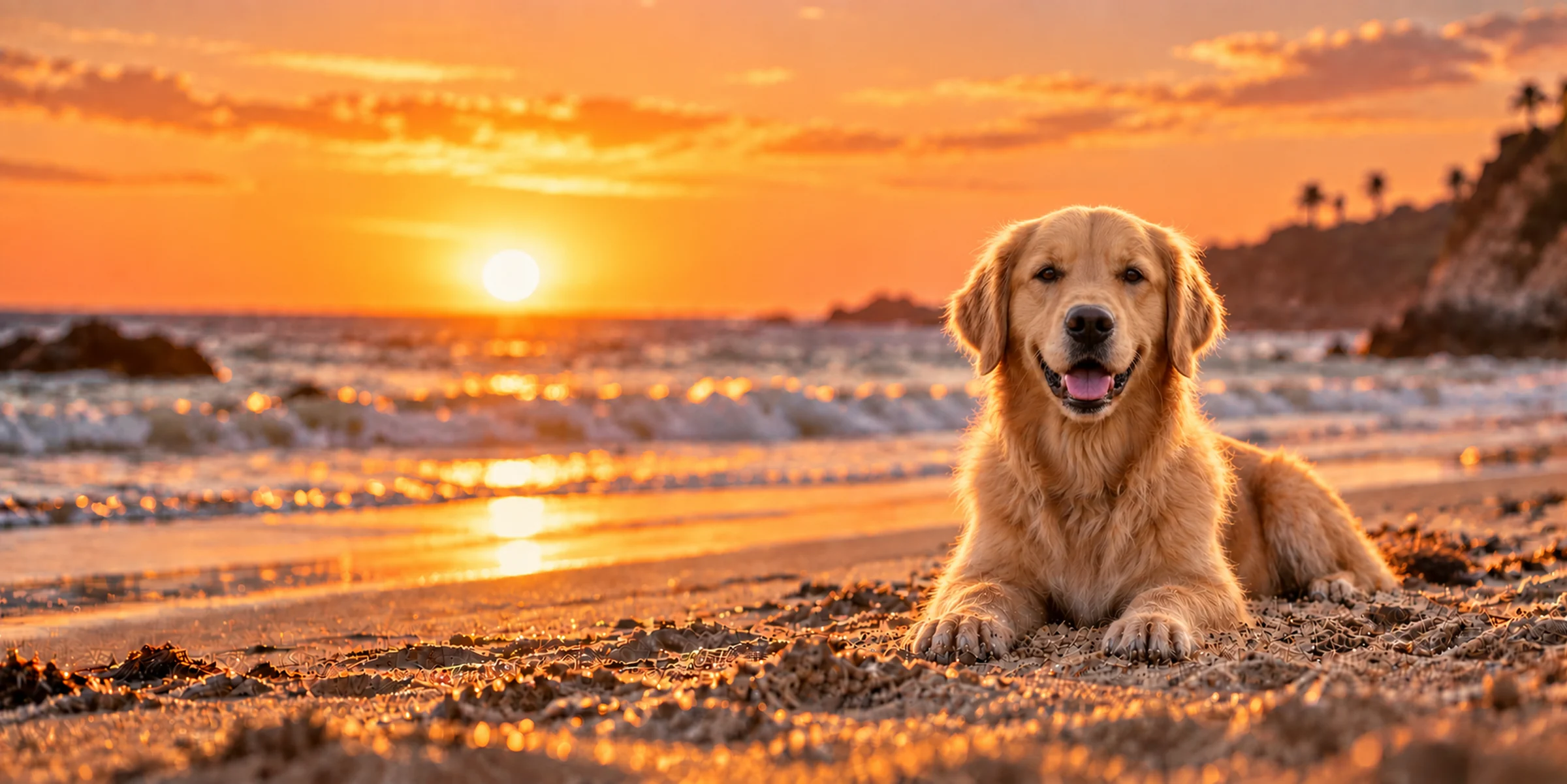
Golden Retriever
If the independence and the prey drive are what give you pause, a Golden Retriever trades the aloof sighthound instincts for a dog that would rather follow you room to room than chase anything over the horizon.