

medium-to-large breed
Standard Poodle
Badly underestimated, largely because of the haircut. Under the show clip is a 44-to-71-pound water retriever with a first-class brain, a coat that does not shed, and one of the better health profiles among large breeds - though bloat and Addison's both belong on the list. The bill comes due at the groomer every four to six weeks for life, and the Standard is the variety that costs the most to keep in coat.

Pup Height
Over 15 in

Pup Weight
44-71 lb
The largest of the three Poodle varieties. Miniatures are 10-15 in / 10-15 lb and Toys 10 in or under / 4-6 lb - the same breed, registered as separate size varieties. Source: AKC and FCI breed standards.

Pup Lifespan
12-14 years
Your pup, at a glance
What’s Life With This Pup Really Like?

Affectionate and attached, with a bit more dignity than the retrievers. They stay close without draping themselves over you.

Good, and sturdy enough for family life in a way the smaller varieties aren't. Worth teaching kids that a bouncing Standard is a lot of dog.

Generally very good. Sociable and not territorial.

The quietest of the three varieties. They'll announce a visitor and then let it go.

Higher than people expect - this is a working water retriever under the haircut. Forty-five to seventy-five minutes, including real running.

The lowest on this site. The coat doesn't shed out, which is the whole appeal and also why it mats.

Very playful and genuinely inventive. A problem to solve lands as well as a game of fetch, and they'll swim all day.

Minimal. A dry, neat mouth.

Rivals the Border Collie. Sensitive with it - correction-heavy methods shut them down rather than speed them up.

Alert and quick to announce, more reserved with strangers than a retriever, but no real guarding weight.

One of the highest recurring costs here, and the most coat of the three varieties. Daily brushing and a professional groom every four to six weeks, for life.

Handles change well as long as their people are around. Apartment living is the one genuine stretch - this variety needs room.
Lifestyle fit
Could This Be Your Best Breed?
A Standard Poodle suits an active household that wants a big, clever dog and no shed hair on the furniture - a yard, forty-five to seventy-five minutes of real running, and $2,400 to $3,800 a year across twelve to fourteen years, with the groomer the single biggest line in that. Anyone who treats grooming as optional, or who trains by correction, will not enjoy this breed.

Living Space
Wants a house with a yard and room to properly run. This is the variety that still works like a retriever, and an apartment will feel tight unless you are genuinely committed to getting them out.

Pup Experience
First-timer friendly and very quick to learn. They are sensitive, though - harsh handling shuts them down rather than speeding them up.

Daily Pup Time
Forty-five to seventy-five minutes including real running, plus daily brushing. They love water - it is what they were built for.

Allergies & Coat
The Standard Poodle scores 1/10 for shedding and 2/10 for drooling. No dog is truly hypoallergenic. The allergens come from dander and saliva, and a coat like this one holds on to them rather than spreading them around your home - which is what a groomer is clearing out every six to eight weeks.
Quirks & challenges
The Not-So-Easy Stuff

Home Alone Blues
They attach hard, and a bored Standard has the height and the ingenuity to redecorate.
Too Clever
Inventive problem-solvers with capable paws. Bins, latches and you are all trainable.
Sensitive Soul
They read the room. Household tension and raised voices genuinely rattle them.
The Happy Bounce
A delighted Standard is a tall Standard, and those front paws land at chest height.
Water Magnet
Every puddle, pond and paddling pool is an invitation. Fresh groom or not.
Grooming Wriggles
Condition them to handling early or every appointment is a fight.
The good, the bad & the hairy
Health, Care & Costs
Understanding the health risks and ongoing costs of a Standard Poodle helps you plan for a happy, healthy life together.

12-14 years
shorter than the Miniature and Toy, as size usually dictates
$90-$150
per professional groom, every 4-6 weeks ($800-$1,600/year - more coat than either smaller variety)
$2,400-$3,800/year
all-in (food, routine vet, grooming, insurance, incidentals)

Health Risks
Conditions this breed is prone to.

A deep-chested emergency the smaller varieties do not share. The stomach fills with gas and twists, cutting off its own blood supply. Without surgery within hours it is fatal. Deep-chested dogs are most at risk, and feeding one large meal a day or exercising straight after eating makes it likelier.
Notably elevated in Standards. The adrenal glands stop producing enough cortisol. The symptoms are vague - lethargy, vomiting, poor appetite - so it is often missed until a crisis. Once diagnosed it is managed for life with medication and regular monitoring.
A skin condition particular to the breed. An immune condition that destroys the skin's oil glands, leaving dry, scaly skin and patchy coat loss. It cannot be cured, but oil baths and supplements manage it well.
The hip joint develops loosely, so the ball and socket grind instead of gliding. It leads to arthritis and, in severe cases, replacement surgery. Ask to see hip scores for both parents.
An inherited disease that slowly destroys the retina. Night vision goes first, then daylight vision, usually ending in blindness. There is no treatment, but it is painless and gradual, and most dogs cope well in a home they already know. Responsible breeders DNA-test for it.
Recurrent seizures with no other underlying cause, typically first appearing between one and five years old. It is managed with lifelong daily medication rather than cured, and it is one of the conditions insurers exclude once it is on the record.

Insurance & Health Coverage
Standards are relatively healthy for their size, which changes the insurance calculation rather than removing it. Two things drive the case here, and neither applies to the smaller varieties.

Bloat is a genuine emergency - surgery runs to several thousand dollars and the window is hours, not days - and it is a deep-chested-breed risk a Toy simply does not carry.

Addison's disease is the other: easy to miss, frequently misdiagnosed, and requiring lifelong medication and monitoring once confirmed, which is a recurring annual cost rather than a one-off.
 Get a Pet Insurance Quote
Care needs
The Daily Routine

Grooming
Brush daily - the coat does not shed out, so anything loose stays in and mats. Professional groom every 4-6 weeks. Ears need plucking and cleaning regularly.

Exercise
45-75 minutes daily including proper running. They swim well and love retrieving - it is what they were built for.

Food & Weight
Feed two measured meals rather than one large one and keep hard exercise clear of mealtimes - the Standard is deep-chested and bloat is the emergency worth planning around. Judge condition by feel; the coat hides a widening waist better than most.
Similar breeds
If This Isn’t Quite the One

Miniature Poodle
The same breed and the same coat in an apartment-friendly package, if the size and the exercise load are the sticking point.
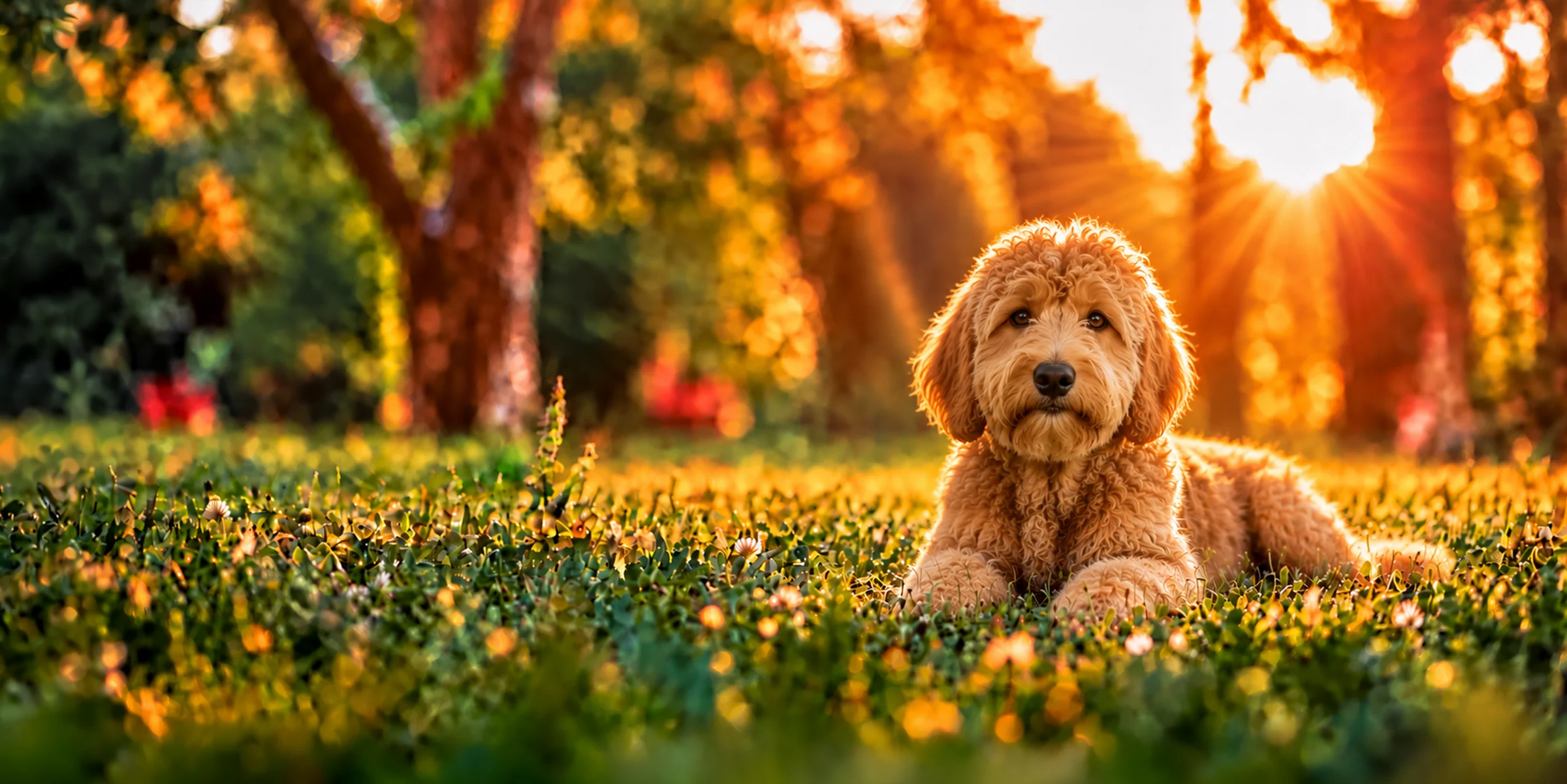
Goldendoodle
The Poodle coat crossed with a softer, less discerning temperament, if the Standard seems too sharp or too reserved.

Golden Retriever
Comparable intelligence and warmth with drastically lower grooming costs - if you can accept heavy shedding instead.

Border Collie
If what appeals is the intelligence and you want to push it much further into dog sports.
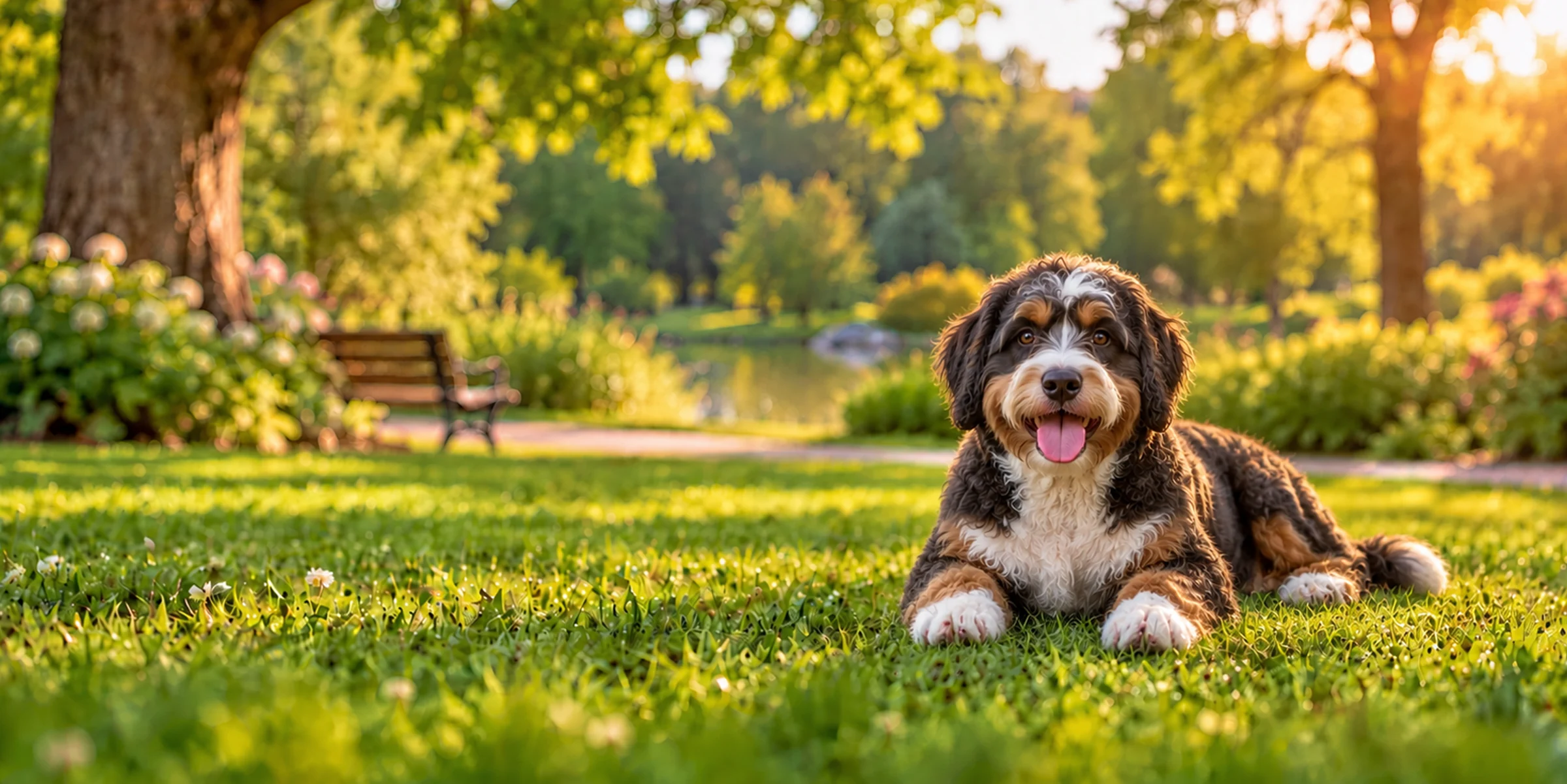
Bernedoodle
The Bernese cross, and the biggest and most placid of the common doodles. Slower and heavier than a Poodle, with the Bernese cancer risk in the background and a coat that costs as much as it looks like it should.
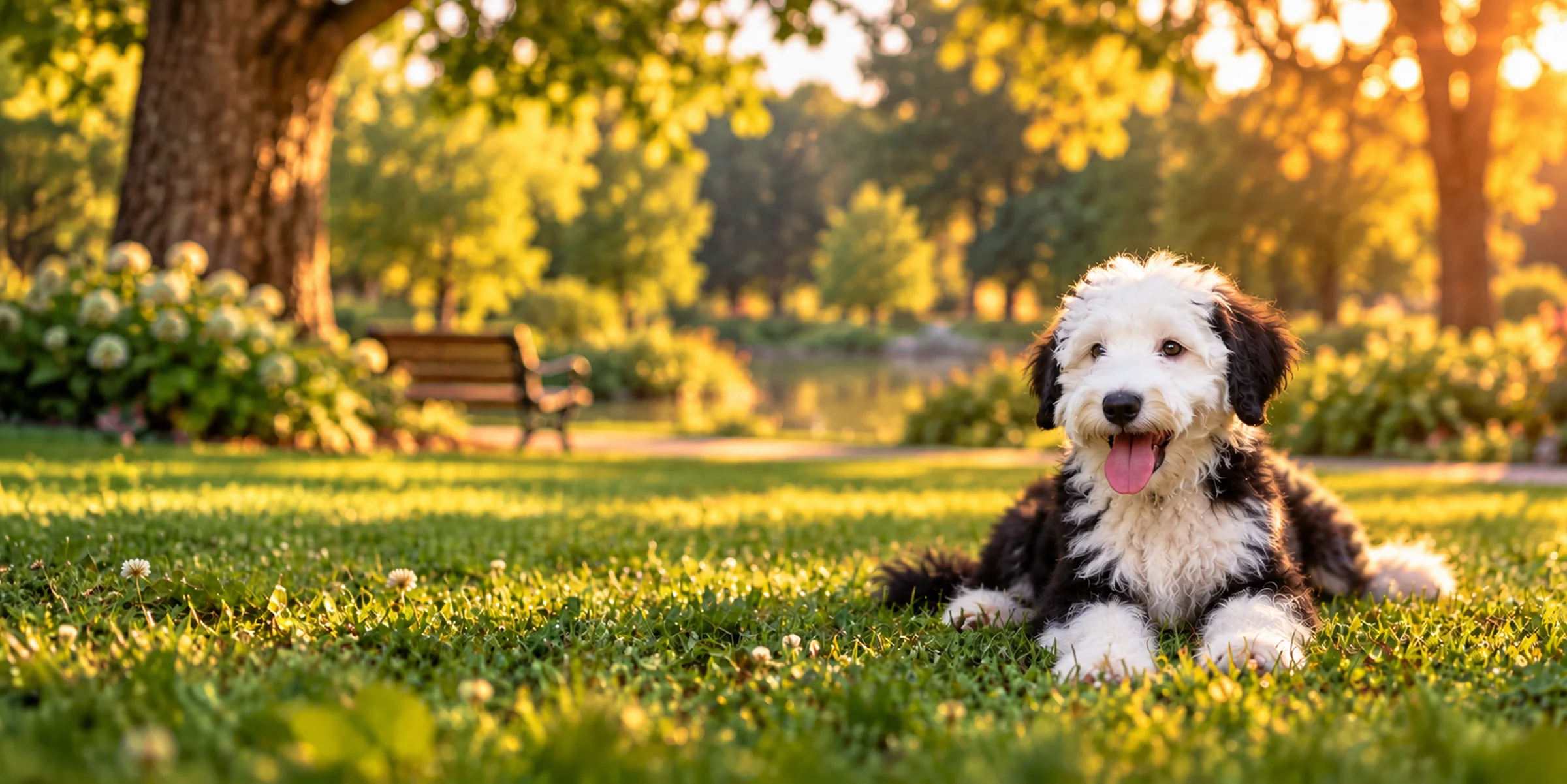
Sheepadoodle
The Old English Sheepdog cross - a large, goofy, herding-flavored dog with two matting parents behind it. The grooming commitment is the highest of any cross here.
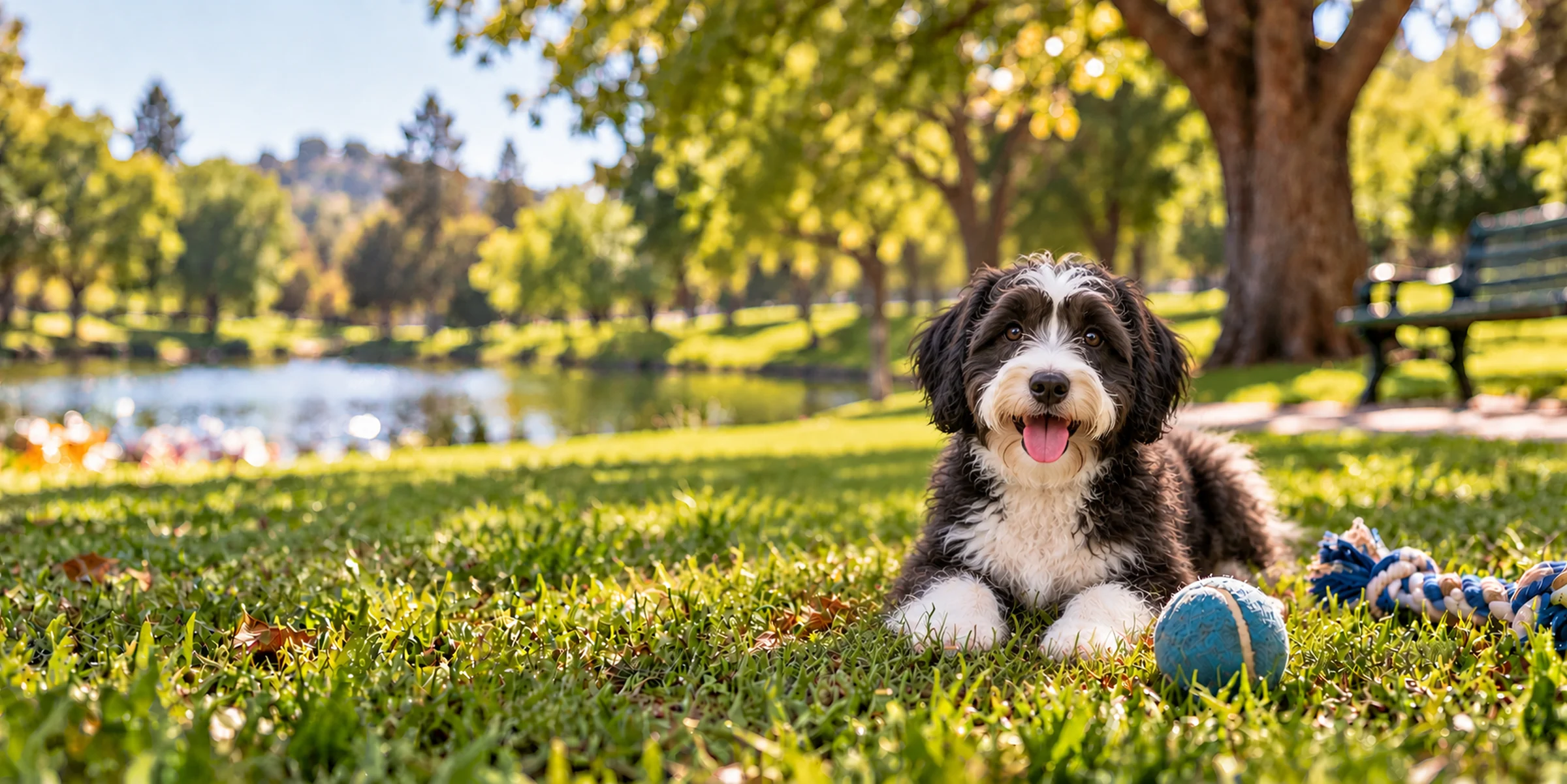
Bordoodle
The Border Collie cross, and the most demanding one here. Two breeds that both score at the top for trainability, with a herding dog's fixation underneath - wrong for most homes, exceptional in the right one.

Goldador
Not a Poodle cross at all, but the comparison worth making: Labrador to Golden, bred by service programs for decades. It sheds heavily, and it is the one cross whose outcome you can actually predict.