

medium breed
American Water Spaniel
One of the rarest breeds in the country, and a working dog with opinions. American Water Spaniels are bright, funny and deeply attached to their own household, and reserved with everyone else - which surprises people who assume every spaniel is a Golden Retriever in miniature. They are sensitive enough to shut down under heavy-handed correction, more vocal than most spaniels, and genuinely hard on a home that is empty all day.

Pup Height
15-18 in

Pup Weight
30-45 lb
Figures are for males; females are 25-40 lb, and the height range is the same for both. The coat comes in two textures the standard treats equally - tight curls or a flatter marcel wave - and both carry the same dense, oily undercoat. Source: AKC breed standard.

Pup Lifespan
12-15 years
Your pup, at a glance
What’s Life With This Pup Really Like?

Very affectionate with their own household and often fixed on one person in particular. They want to be in the room with you, and they notice when they are not.

Good with children they are raised alongside. American Water Spaniels are less indiscriminately tolerant than a Golden or a Labrador, so supervision with visiting children is worth the bother.

Generally fine with dogs and with cats they grow up with. There is real bird drive, so poultry and pet birds are a different question entirely.

More vocal than most spaniels. They announce things, and it is one of the traits worth working on early rather than living with.

High. Bred to work cold water all day, and an hour is the floor rather than a generous allowance.

Low to moderate. The dense double coat holds a lot of what it drops, which is why brushing matters more than vacuuming.

Enthusiastic and water-obsessed. Give them something to retrieve and a lake and they will outlast you.

Very low. A neat, dry-mouthed dog.

Bright and willing with someone they trust, and quick to disengage from anyone heavy-handed. Reward-based work gets a great deal out of them; pressure gets very little.

A good alarm. Naturally reserved with strangers and quick to announce them, though at forty pounds the warning is the whole of it.

Moderate and steady. Two or three brush-outs a week, sparing baths to protect the coat's natural waterproofing, and weekly ears that are not optional.

Reasonable on size and settling, limited by their attachment. They cope with new homes and routines far better than they cope with being left alone in them.
Lifestyle fit
Could This Be Your Best Breed?
An American Water Spaniel suits a house with a yard, or an apartment if the hour of daily exercise truly happens, and an owner who wants a partner rather than a pushover and trains with reward instead of pressure. Costs are modest at $1,400 to $2,300 a year over twelve to fifteen years. Anyone hoping for an easygoing gun dog who can handle a long empty workday should read the Golden Retriever page instead.

Living Space
A house with a yard suits them, and the size is modest enough that an apartment can work if the exercise genuinely happens. They are more vocal than most spaniels and more attached to their people than is convenient, so shared walls and long empty days are the combination to avoid.

Pup Experience
Manageable for a committed first-time owner, but American Water Spaniels are not the easy-going gun dogs people expect from the word spaniel. They are sensitive, opinionated and quick to shut down under heavy-handed correction, and an owner who trains by pressure will get less out of them, not more.

Daily Pup Time
An hour or more of real exercise daily, ideally including water, plus training or scent work for the head. Brushing two or three times a week, and ears every week without fail.

Allergies & Coat
The American Water Spaniel scores 4/10 for shedding and 2/10 for drooling. No dog is truly hypoallergenic. The allergens come from dander and saliva, and a dog that sheds this much will leave plenty of hair behind - especially on your furniture, floors, and clothes.
Quirks & challenges
The Not-So-Easy Stuff

Not a Golden Retriever
Reserved with strangers, sometimes markedly so, and often devoted to one person over the rest. Early socialization matters more than the spaniel label suggests.
Sensitive to Harsh Handling
Correction-heavy training shuts them down rather than sharpening them. Reward-based work is not a preference here, it is what functions.
They Talk, and Guard Things
Barking and resource guarding both turn up in the breed more than in most spaniels. Both are workable, and both need addressing early.
Hates Being Left Alone
Closely bonded and prone to separation anxiety. A household out for ten hours a day is the worst fit for this breed.
The Ears and the Water
Drop ears plus a dog who swims at every opportunity means infections unless they are cleaned and dried every single time.
Rare Enough to Be Hard
A few hundred registered a year. Expect long waits, few breeders, and little breed-specific support nearby.
The good, the bad & the hairy
Health, Care & Costs
Understanding the health risks and ongoing costs of a American Water Spaniel helps you plan for a happy, healthy life together.

12-15 years
$60-$90
per groom (bath, tidy and ears), every 8-10 weeks - or done at home for the cost of a brush ($0-$550/year)
$1,400-$2,300/year
all-in (food, routine vet, grooming, insurance, incidentals)

Health Risks
Conditions this breed is prone to.

The hip joint develops loosely, so the ball and socket grind instead of gliding. It leads to arthritis and, in severe cases, replacement surgery. Ask to see hip scores for both parents - a small gene pool makes testing more important here, not less.
The lens clouds and vision goes with it. Surgery restores sight in most cases but runs into thousands per eye. Breeding stock should carry a current eye examination certificate.
An inherited disease that slowly destroys the retina. Night vision goes first, then daylight vision, usually ending in blindness. There is no treatment, but it is painless and gradual, and most dogs cope well in a home they already know.
The thyroid stops producing enough hormone, causing weight gain, lethargy, and a coat that thins or dulls. A daily tablet manages it completely and the medication itself is inexpensive.
Heavy drop ears on a dog who swims whenever they can. Structural rather than inherited, and the single most predictable recurring cost in the breed - weekly cleaning and thorough drying after every swim is genuine prevention.
Itching, chewed paws and recurring hot spots, usually from environmental allergens and often tangled up with the ear trouble. Manageable rather than curable, and the costs recur.

Insurance & Health Coverage
A sound, long-lived breed with no single catastrophic condition hanging over them - the concerns here are chronic rather than dramatic.

Ears and skin are where the money goes, and they are worth understanding as an insurance problem specifically. Both are recurring conditions, both usually start young, and both are exactly what an insurer will exclude as pre-existing once they appear in a clinical history. A dog who swims constantly will meet the ear problem early, which means the window for taking out cover with a clean record is narrower here than in most breeds.

The expensive one-off is eyes. Cataract surgery runs into the thousands per eye, and it is the claim a policy genuinely earns its keep on. A small gene pool makes the parents' eye and hip certificates worth asking for directly rather than assuming.
 Get a Pet Insurance Quote
Care needs
The Daily Routine

Grooming
Brush two or three times a week to keep the curls from matting, particularly behind the ears and under the legs. Bathe sparingly - the coat's natural oils are what make it waterproof, and stripping them out defeats the point. Ears every week, and dried thoroughly after every swim.

Exercise
An hour or more daily, and swimming is the exercise they were built for. Retrieving work, scent games and gun dog training suit them; they are working spaniels and a walk on a leash does not use much of them.

Food & Weight
Two measured meals a day, with training treats coming out of the ration rather than on top. American Water Spaniels are compact, deep-bodied dogs and extra weight is easy to miss under a curly coat - go by ribs rather than by eye.
Similar breeds
If This Isn’t Quite the One
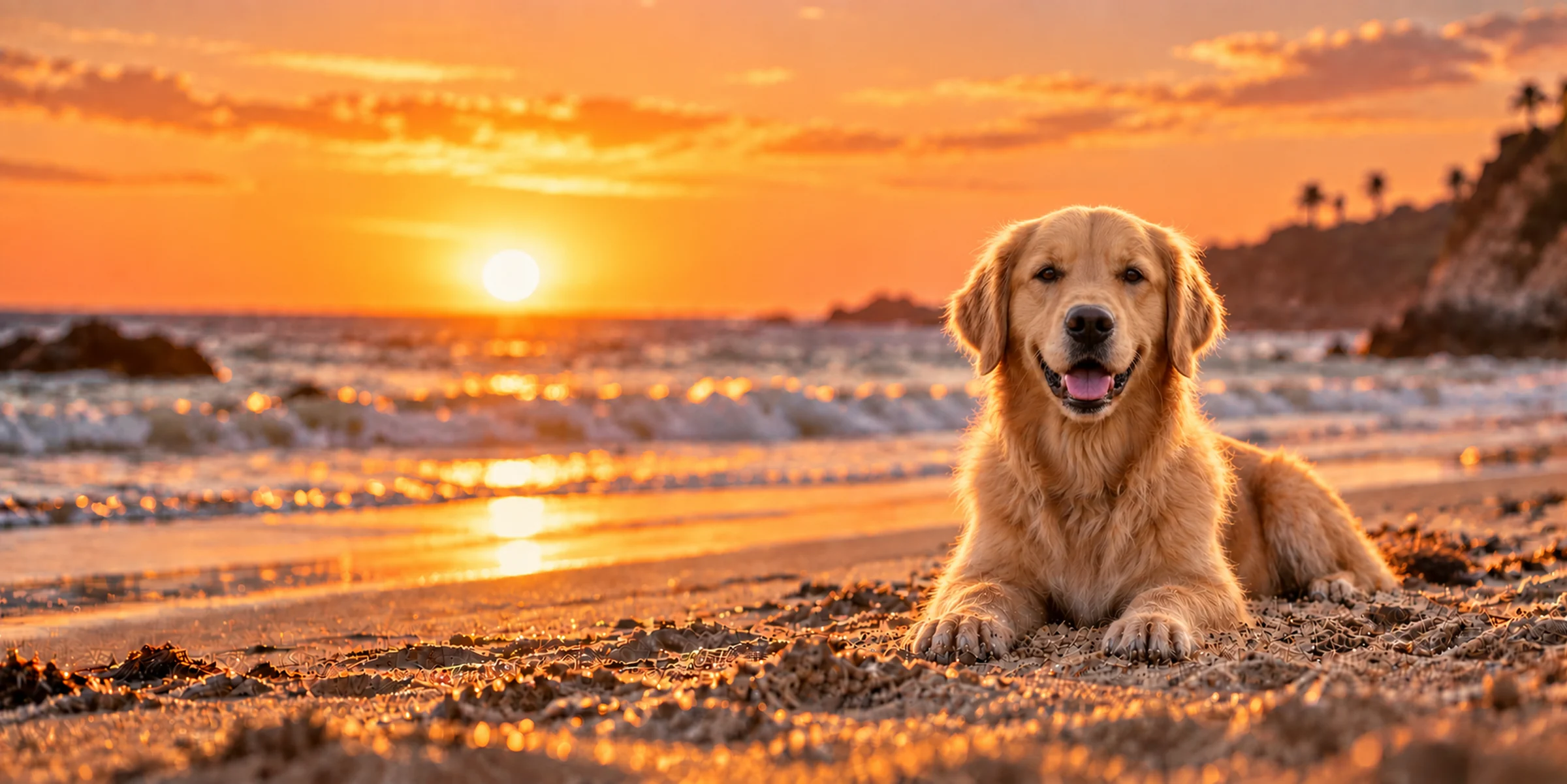
Golden Retriever
The comparison most people are actually making, and the honest version of it: a Golden is friendlier with strangers, easier to find, and considerably less complicated - the American Water Spaniel trades that openness for a smaller, sharper, one-person working dog.
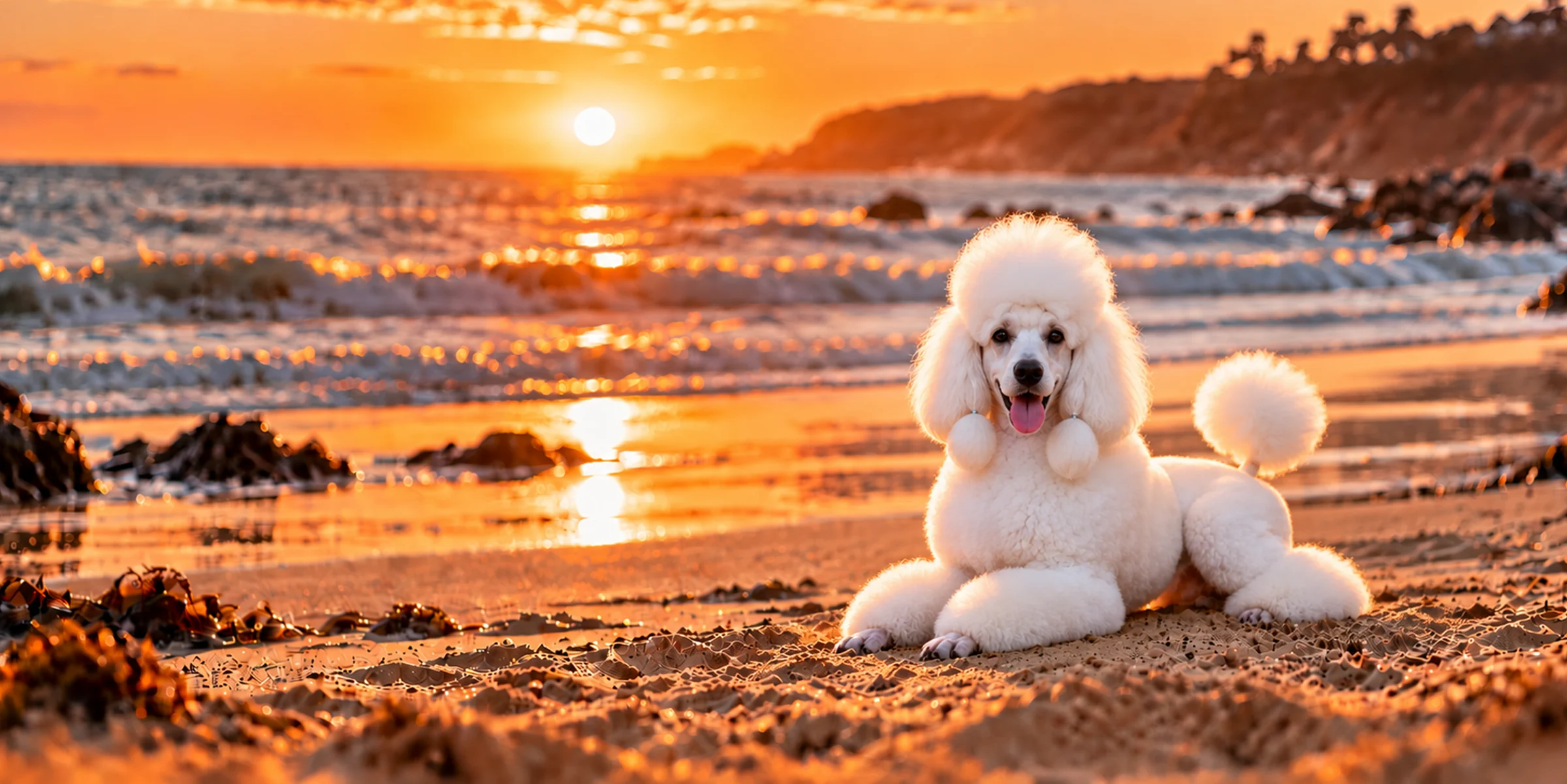
Standard Poodle
A Standard Poodle is also a curly-coated water retriever, and offers much the same brains and drive in a far more available breed with a coat that barely sheds - at the cost of a professional groom every six weeks.