

giant breed
Anatolian Shepherd Dog
Calm, watchful and extraordinarily self-possessed - well over a hundred pounds of dog who has decided what belongs to them and will defend it, whether that is your children, your goats or your fence line. Anatolians are not biddable, not sociable with strangers, and not suited to anything resembling a normal house. Given land and a job they are magnificent. Given a suburban yard they are a serious problem for everyone within earshot.

Pup Height
29 in

Pup Weight
110-150 lb
Figures are for males; females are 27 in and 80-120 lb. The standard sets a minimum height rather than a range, so a well-grown male often exceeds it. Regional Turkish types - the Kangal above all - overlap with this breed historically and are registered separately by some registries. Source: AKC breed standard.

Pup Lifespan
11-13 years
Your pup, at a glance
What’s Life With This Pup Really Like?

Affectionate on their own terms and not often. They are devoted rather than demonstrative, and they would generally rather lie where they can see the approach than be fussed over on a sofa.

Good with their own family's children and protective of them, which is the complication - a guardian who decides a visiting child's rough game is a threat is a serious matter at a hundred and thirty pounds. Supervision is not optional.

Superb with livestock they are raised to guard, and reliable with household animals they grow up alongside. Strange dogs on an Anatolian's ground are a different question, and the answer is usually no.

Very high, and worst at night by design - a guardian's whole method is announcing their presence in the dark so nothing comes closer. This is not trainable away.

Lower than their size implies. They patrol rather than run and conserve themselves for when it matters; what they need is space rather than mileage.

Heavy. A dense double coat on a very large dog, moderate most of the year and dramatic for a few weeks each spring and fall.

Serious. Anatolians are not a playful breed and show little interest in fetch or games - the job is the point, and they take it that way.

Moderate. Some loose lip and a fair amount of drool around food and water.

Low, and by design rather than by failing. They were bred to work alone and act on their own judgment, so they weigh instructions rather than following them. Reward-based work gets further than pressure, but nothing produces a biddable dog.

Top of the scale, alongside the other livestock guardians. This is not a dog who alerts you to a problem - they are the breed that handles it.

Moderate and manageable, with two intense weeks twice a year. A good undercoat rake earns its keep on a dog this size.

Very low. They need land, fencing and distance from neighbors, and none of the three is negotiable. This is the breed least likely to adapt to your circumstances on this site.
Lifestyle fit
Could This Be Your Best Breed?
An Anatolian Shepherd Dog needs acreage, serious fencing, and neighbors far enough away to sleep through the barking, with an owner who has handled livestock guardians before and treats the independence as the breed rather than a training gap. Budget $2,000 to $3,400 a year over eleven to thirteen years. Anyone in a suburb, anyone getting a first dog, and anyone who wants a pet with a guarding streak rather than a guardian with a household attached should look elsewhere.

Living Space
Acreage with serious fencing, and neighbors far enough away to sleep through the barking. Anatolians patrol a territory rather than occupying a yard, and dogs bred to decide for themselves where the boundary is will keep expanding it until something stops them.

Pup Experience
Not a first dog, and arguably not a fifth. An Anatolian is a livestock guardian, not a pet with a guarding streak - they were bred for thousands of years to work alone, make their own decisions and act on them without waiting to be told, and that is not a temperament that responds to the usual approaches.

Daily Pup Time
Less exercise than their size suggests - forty-five minutes of walking plus space to patrol - but a great deal of management, fencing and supervision. Brushing steps up sharply during the twice-yearly coat blow.

Allergies & Coat
The Anatolian Shepherd Dog scores 8/10 for shedding and 4/10 for drooling. No dog is truly hypoallergenic. The allergens come from dander and saliva, and a dog that sheds this much will leave plenty of hair behind - especially on your furniture, floors, and clothes.
Quirks & challenges
The Not-So-Easy Stuff

They Decide, Not You
Bred to guard alone, out of sight of any handler. They will assess a situation and act on their own judgment, and that is the trait rather than the flaw.
The Night Barking Is the Job
Guardians warn predators off by sounding off in the dark. It works, it is instinctive, and it is why neighbors need to be distant.
They Will Expand the Territory
A patrolling dog treats a fence as a suggestion. Serious perimeter fencing is a purchase to make before the puppy arrives.
Strangers Are the Problem
Naturally suspicious of unfamiliar people and dogs on an Anatolian's ground. Wide, early socialization manages it; nothing removes it.
Not a Retriever's Recall
Off-leash reliability is poor in most individuals and does not improve much with work. Fencing does the job that recall would elsewhere.
The Coat Blows Twice a Year
A dense double coat on a hundred-and-thirty-pound dog. For a few weeks each spring and fall it comes out in drifts.
The good, the bad & the hairy
Health, Care & Costs
Understanding the health risks and ongoing costs of a Anatolian Shepherd Dog helps you plan for a happy, healthy life together.

11-13 years
$80-$120
per groom (bath and deshedding on a very large dog), every 8-10 weeks - more during the coat blow ($400-$750/year)
$2,000-$3,400/year
all-in (food, routine vet, grooming, insurance, incidentals)

Health Risks
Conditions this breed is prone to.

Documented in this breed and in livestock guardians generally - lean body composition means standard dosing can be too much. Tell any vet who has not treated the breed before, and raise it before a routine neuter or dental rather than after.
The hip joint develops loosely, so the ball and socket grind instead of gliding. It leads to arthritis and, in severe cases, replacement surgery on a dog who may weigh a hundred and forty pounds. Ask to see hip scores for both parents.
Similar to hip dysplasia but in the elbow joint - the bones do not fit together properly, causing pain and early arthritis. Common in large, fast-growing breeds, and treatment ranges from management to surgery.
The stomach fills with gas and twists, cutting off its own blood supply. Without surgery within hours it is fatal. Deep-chested dogs are most at risk, and feeding one large meal a day or exercising straight after eating makes it likelier.
The eyelid rolls inward and the lashes rub the surface of the eye, which is painful and scars the cornea if it is left. It is corrected surgically and usually shows up in the first year or two.
The thyroid stops producing enough hormone, causing weight gain, lethargy and a thinning coat. A daily tablet manages it completely and the medication itself is inexpensive.

Insurance & Health Coverage
A hardy breed by the standards of dogs this size, and one bred for centuries by people who could not afford to keep a fragile animal.

The costs that matter are the ones that scale with weight. Joint surgery on a hundred-and-forty-pound dog is at the top end of what any orthopedic procedure costs, and bloat surgery is an emergency in the same range - both firmly in policy territory rather than something to absorb.

There is also a liability question that a health policy does not touch. A very large guardian breed who is territorial by design is a different proposition for a home insurer than a Labrador, and it is worth confirming your cover in writing rather than assuming. Hip and elbow scores done young, before either joint appears in a vet's notes, are what keep a later claim from being refused as pre-existing.
 Get a Pet Insurance Quote
Care needs
The Daily Routine

Grooming
A dense double coat that needs a weekly going-over with a rake most of the year and daily work during the twice-yearly blow. Nails on a dog this heavy matter more than most people expect, and the ears want a regular check.

Exercise
Forty-five minutes to an hour of walking daily, plus room to patrol - which is the part that cannot be substituted. They are not endurance athletes and do not want to jog; they want ground to be responsible for.

Food & Weight
Feed two measured meals rather than one large one and keep hard exercise clear of mealtimes, since deep-chested breeds carry real bloat risk. Grow puppies slowly on large-breed food - pushing weight onto developing joints in a dog headed for a hundred and forty pounds causes problems that last a lifetime.
Similar breeds
If This Isn’t Quite the One
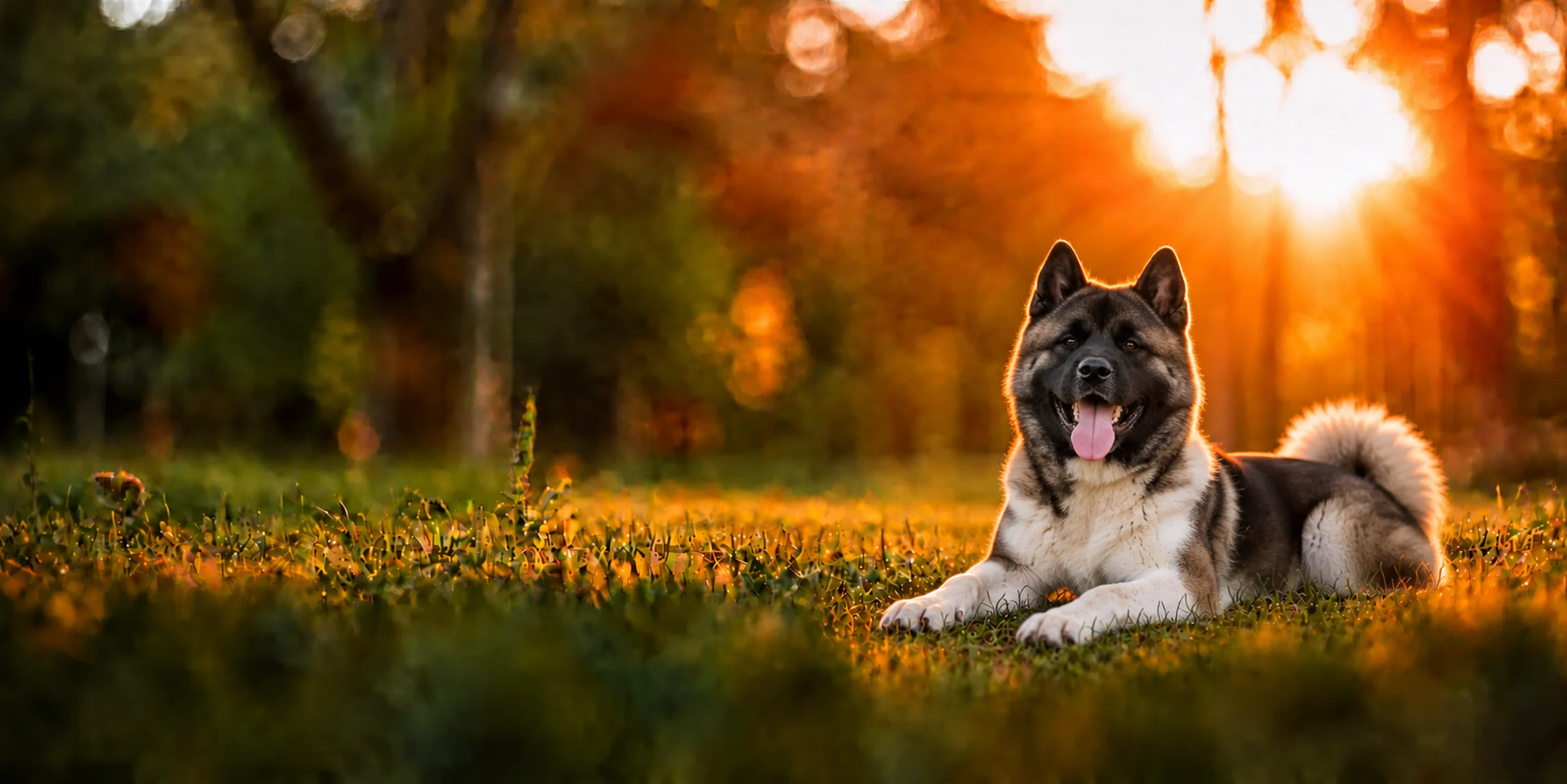
Akita
The closest match here on temperament rather than job - large, dignified, independent, deeply loyal to their own and reserved with everyone else. An Akita fits an ordinary house far better, and comes with the same warning about first-time owners.
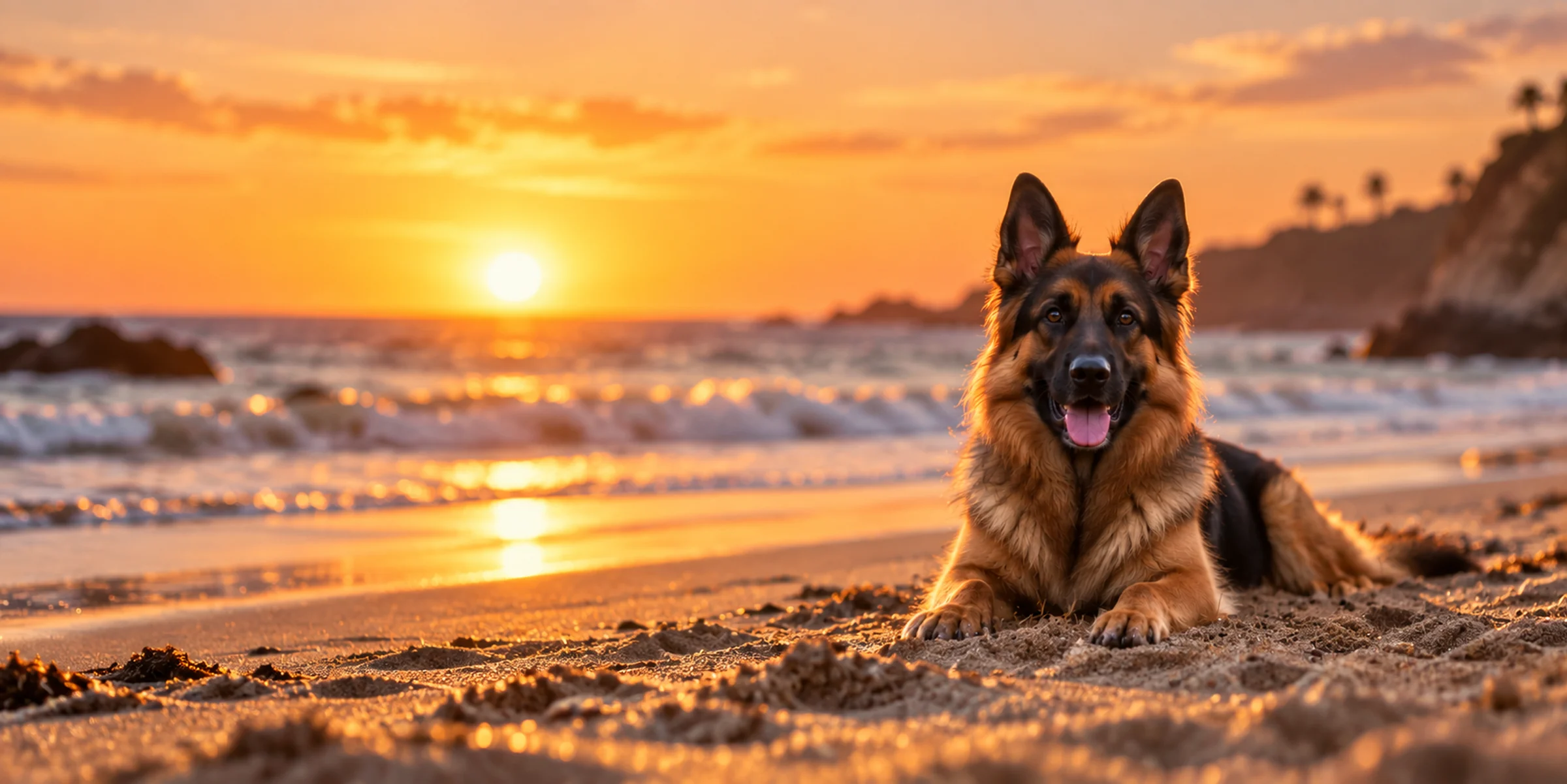
German Shepherd
If what appeals is a big protective dog rather than a livestock guardian specifically, a German Shepherd gives you the protectiveness in a breed that actually wants instructions - and one that can live somewhere with neighbors.