

medium-to-large breed
Appenzeller Sennenhund
The energy of three ordinary dogs and no interest at all in a quiet afternoon. Appenzellers are lively, agile, funny and completely devoted to their own household, and equally suspicious of everyone else and loud about it. They are physically strong out of all proportion to their size, and they want a job rather than a walk. Given a suburban routine and an hour a day, they become a difficult dog very quickly.

Pup Height
20-22 in
Figures are for males; females are 18.5-20.5 in and slightly lighter. The Appenzeller is one of four Swiss Sennenhund breeds and the second smallest - the Entlebucher is smaller, the Bernese and the Greater Swiss considerably larger. The tightly curled tail carried over the back is a breed hallmark. Source: FCI breed standard.

Pup Weight
48-70 lb

Pup Lifespan
12-15 years
Your pup, at a glance
What’s Life With This Pup Really Like?

Affectionate with their own people and closely bonded to them, though they would usually rather be doing something with you than lying against you.

Good with children they are raised with and genuinely playful, with one real caveat - a droving dog nips at heels to move stock, and a running child triggers the same response. Worth addressing early.

Fine with dogs and livestock they grow up around. Strange dogs meet the territorial side of an Appenzeller, and small fast animals meet the droving side.

Very high. A loud, ringing bark used freely to announce arrivals, departures and anything else they consider newsworthy. It is part of the farm dog package rather than a fault.

The highest here. Bred to work a Swiss holding all day, and two hours of real activity is a floor rather than a generous allowance.

Moderate and year-round, with a heavier turn twice a year. The coat is short and hard, so it is manageable but constant.

Boisterous, athletic and inventive. They play the way they work - flat out - and stay that way well past the age when most breeds slow down.

Very low. A neat, dry-mouthed dog.

Bright and willing, and one of the more trainable working breeds here. The catch is that clever dogs with too little to do train themselves, and you will not like the curriculum.

Excellent. Territorial, alert and extremely vocal - they were guarding the farmstead as well as moving the cattle, and both jobs are still live.

Low. A weekly brush covers most of the year, with a bit more during the seasonal shed. The coat is one of the easiest on the site.

Low. They can cope with a change of home, but not with a change of purpose - the exercise load and the barking together rule out most ordinary living situations.
Lifestyle fit
Could This Be Your Best Breed?
An Appenzeller Sennenhund suits a house with land and a family who wants a working partner - someone who will put two hours a day into herding, agility, carting or scent work and keep the training going. Costs are moderate at $1,600 to $2,700 a year over twelve to fifteen years. Skip this one if you share walls, have a small yard, have never handled a working dog, or want your evenings quiet.

Living Space
A house with land, and ideally something for them to do on it. They are loud, tireless and highly territorial, which makes shared walls a poor idea and a small yard a frustration rather than an outlet.

Pup Experience
Not a first dog. They are clever and genuinely trainable, but the combination of enormous drive, a strong voice and real wariness of strangers needs an owner who will put the work in early and keep putting it in. Under-exercised and under-employed, they become a difficult dog quickly.

Daily Pup Time
Two hours of real activity most days, and it has to include something for the brain - herding, agility, carting or scent work. The short coat needs almost nothing.

Allergies & Coat
The Appenzeller Sennenhund scores 6/10 for shedding and 2/10 for drooling. No dog is truly hypoallergenic. The allergens come from dander and saliva, and a dog that sheds this much will leave plenty of hair behind - especially on your furniture, floors, and clothes.
Quirks & challenges
The Not-So-Easy Stuff

Relentless Energy
Two hours a day is the floor, and it needs to be work rather than walking. This is the most demanding exercise requirement on the site.
A Loud, Ringing Bark
They announce everything, at volume, and consider it part of the job. It can be shaped, but a quiet Appenzeller is not really a thing.
Wary of Strangers
Territorial and suspicious with new people by nature. Broad early socialization is what keeps that useful rather than a liability.
They Nip Heels
A droving dog moves cattle by nipping, and running children read as cattle. Redirecting it early matters more than correcting it later.
Bored Is Destructive
A clever working dog with nothing to do invents work. Fences, furniture and yards are the usual casualties.
Hard to Find
Rare outside Switzerland, with few breeders and long waits. Little breed-specific support nearby if something goes wrong.
The good, the bad & the hairy
Health, Care & Costs
Understanding the health risks and ongoing costs of a Appenzeller Sennenhund helps you plan for a happy, healthy life together.

12-15 years
$45-$70
per groom (bath, nails and ears), every 8-12 weeks - a short coat needs little ($200-$350/year)
$1,600-$2,700/year
all-in (food, routine vet, grooming, insurance, incidentals)

Health Risks
Conditions this breed is prone to.

The hip joint develops loosely, so the ball and socket grind instead of gliding. It leads to arthritis and, in severe cases, replacement surgery. A small population makes parental hip scores more important here, not less - ask to see them.
Similar to hip dysplasia but in the elbow joint - the bones do not fit together properly, causing pain and early arthritis. Treatment ranges from management to surgery depending on severity.
An inherited disease that slowly destroys the retina. Night vision goes first, then daylight vision, usually ending in blindness. There is no treatment, but it is painless and gradual, and most dogs cope well in a home they already know.
The lens clouds and vision goes with it. Surgery restores sight in most cases but runs into thousands per eye. Breeding stock should carry a current eye examination certificate.
The thyroid stops producing enough hormone, causing weight gain, lethargy and a dulling coat. A daily tablet manages it completely and the medication itself is inexpensive.
The knee ligament tears under the load of a powerful, fast-turning dog working at speed. It usually needs surgery, and dogs that do one side often do the other later.

Insurance & Health Coverage
A robust, long-lived working breed - twelve to fifteen years is good for a dog of this size, and there is no cluster of inherited disease hanging over them.

What costs money here is the way they live. A dog working at this intensity is a candidate for cruciate injury, and that is several thousand dollars per knee with a real chance of the second one following. Joint surgery for hip or elbow dysplasia sits in the same range. Both are exactly what a policy is built for.

The small breeding population is the other reason to take the parents' certificates seriously - hips, elbows and eyes. A condition already in a vet's notes is a condition an insurer will exclude, and joint problems in a working dog tend to appear early enough that waiting to arrange cover is a genuine risk rather than a theoretical one.
 Get a Pet Insurance Quote
Care needs
The Daily Routine

Grooming
A short, hard double coat that needs a weekly brush and a bit more attention during the seasonal shed. Nails, teeth and ears on the usual schedule - the coat itself is one of the easiest on this site.

Exercise
Two hours most days, and the type matters more than the total. Herding, agility, carting, canicross and scent work all suit them; walking them for two hours will keep their body busy and leave their head looking for something to do.

Food & Weight
Feed to the workload rather than to a fixed scoop - a dog doing real work needs considerably more than the same dog rained in for a week, and the difference shows on their ribs either way. Two measured meals, with training treats coming out of the ration.
Similar breeds
If This Isn’t Quite the One
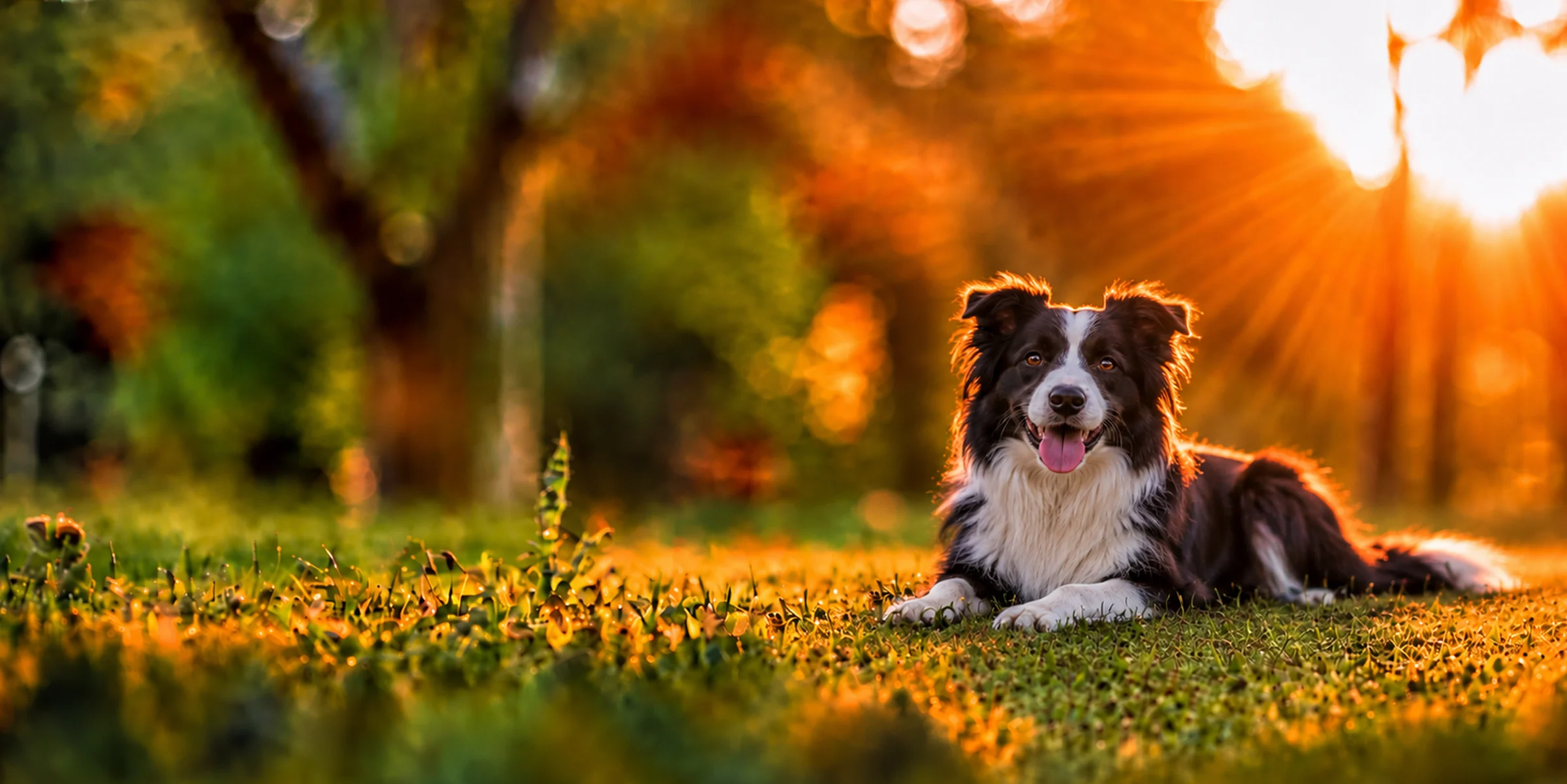
Border Collie
The closest match on this site for sheer drive and the need for a job - both are working farm dogs that struggle badly without one. The Border Collie is quieter, more biddable and far easier to find; the Appenzeller adds a guarding streak and a great deal more noise.
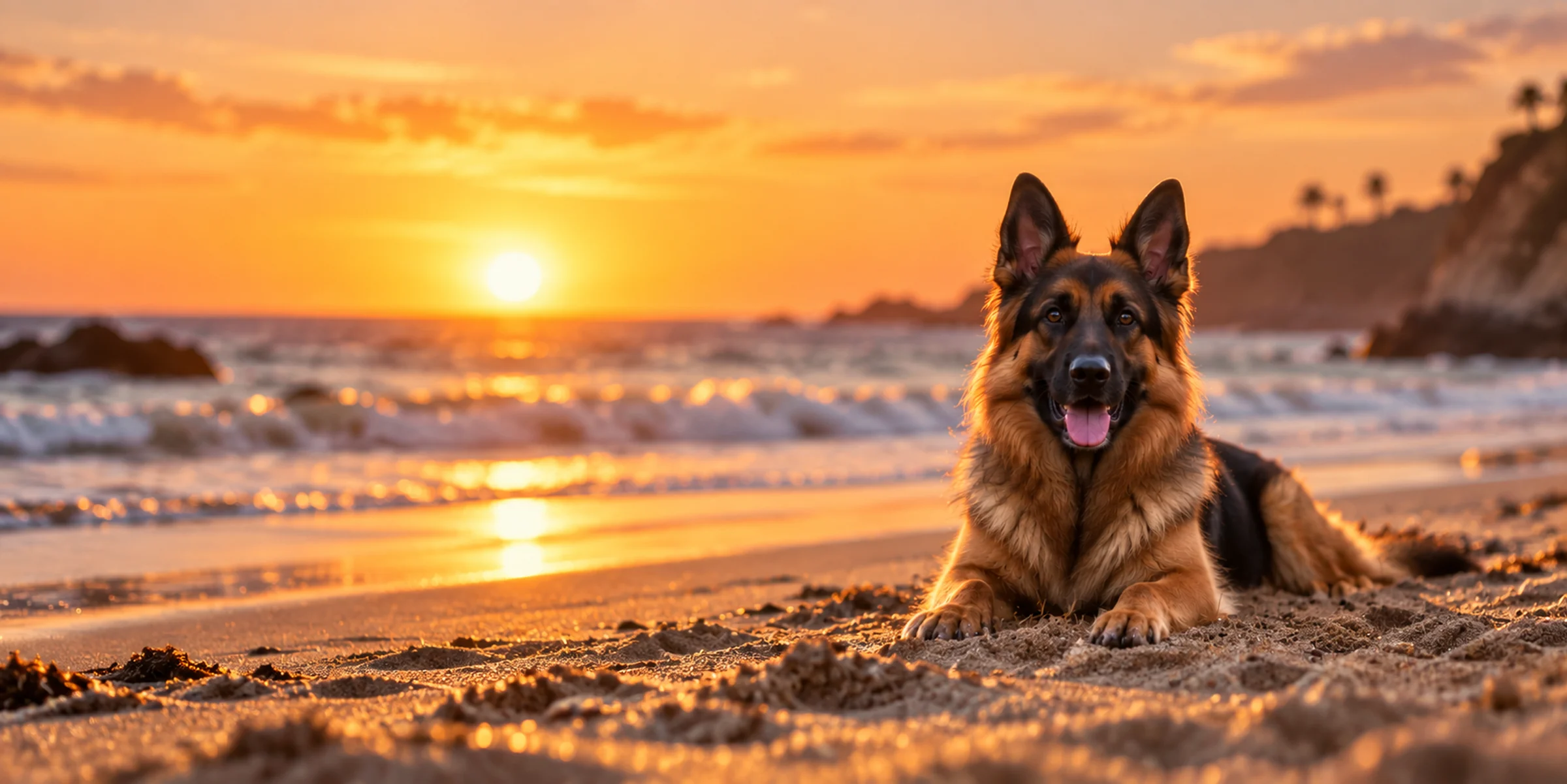
German Shepherd
If it is the combination of a working brain and a protective instinct that appeals, a German Shepherd offers both in a larger, more available breed with a considerably better support network behind it.