

small-to-medium breed
Beagle
Bred to trail rabbit in packs on foot, and it shows: a cheerful, sturdy, kid-proof optimist who would very much like you to know there is a smell over there. Two things end Beagle ownerships: the voice - a genuine bay that carries down the street - and the nose, which will take them over a fence and three miles away without one backward glance. Neither is a training failure.

Pup Height
13-15 in
The AKC recognizes two varieties: 13 inches and under, and over 13 up to 15 inches. Source: AKC breed standard.

Pup Weight
20-25 lb

Pup Lifespan
13.9 years
Your pup, at a glance
What’s Life With This Pup Really Like?

Affectionate on their own terms. They'll settle against you happily, then leave the second a smell gets interesting.

One of the best here. Sturdy, patient and genuinely fond of noise and chaos - a proper family dog.

Bred to hunt in packs, so other dogs are a plus rather than a problem. Small furries are a different story.

Not a bark so much as a bay, and it carries streets. This is the number one reason Beagle ownerships end.

An hour a day, and it needs to be sniff-led. A brisk march past interesting smells doesn't count.

Short double coat that sheds more than people expect, steadily, all year. Easy to brush, impossible to stop.

Games win when the nose is involved. Hide food, scatter it, make them work for it - fetch bores them quickly.

Minimal. Some flew after a big drink, nothing you'd notice day to day.

Willing and very food-motivated, right up until a scent appears. Then you cease to exist. Recall has to be trained around distraction specifically.

They'll announce a visitor loudly and then try to leave with them. Alert, not protective.

About as easy as it gets - a weekly brush. The ears are the real job: drop ears trap moisture and infections are common.

Easy-going about most things and poor at being alone. A pack breed left solo all day is a miserable one.
Lifestyle fit
Could This Be Your Best Breed?
Beagles suit a house with a fence that actually holds, neighbors who forgive some noise, and an owner who wants a cheerful dog rather than an obedient one. They are cheap to keep, ask almost nothing of a brush, and outlive most breeds here. A thin-walled apartment on a quiet street is where this goes wrong, and so is any plan that depends on a recall.

Living Space
House with a proper fence, please - and we mean proper. This nose will go under, over or through anything half-hearted. Apartments are tough too: that bay carries streets.

Pup Experience
Lovely for a first dog, as long as you go in knowing the recall may never be reliable. Cheerful, sturdy, forgiving of mistakes - just not especially interested in listening once a smell turns up.

Daily Pup Time
An hour a day, and let the nose lead it. A sniffy wander beats a brisk march every time, and a long line means they can follow their nose without following it home to someone else.

Allergies & Coat
The Beagle scores 6/10 for shedding and 3/10 for drooling. No dog is truly hypoallergenic. The allergens come from dander and saliva, and a dog that sheds this much will leave plenty of hair behind - especially on your furniture, floors, and clothes.
Quirks & challenges
The Not-So-Easy Stuff

The Famous Bay
That howl carries streets, not rooms. It's the number one reason neighbors come knocking.
Escape Artist
A scent goes over the fence, and so do they. Secure fencing isn't optional here.
Selective Hearing
Once the nose locks on, you stop existing. Recall training has to be built around distraction.
Snack Radar
Counters, bins, pockets - if it smells like food, it's fair game.
Home Alone Blues
Bred to work in packs, so solo days are genuinely hard on them.
Waistline Watch
One of the most weight-prone breeds going, and it snowballs into joint trouble.
The good, the bad & the hairy
Health, Care & Costs
Understanding the health risks and ongoing costs of a Beagle helps you plan for a happy, healthy life together.

13.9 years
median; the all-breed median is 12.5
$30-$50
per groom if used at all ($0-$200/year)
$1,300-$2,300/year
all-in - among the lower-cost breeds on this site

Health Risks
Conditions this breed is prone to.

Among the most weight-prone breeds, and the gateway to most of their other problems. Not a disease in itself, but the multiplier on nearly everything else - joints, spine, heart and lifespan. It is also the one major risk factor that is entirely within your control.
The cushioning discs between the vertebrae harden and can rupture, pressing on the spinal cord. It ranges from a painful back to sudden hind-leg paralysis, and it is usually an emergency. Ramps instead of jumps, a harness instead of a collar, and keeping the dog lean are the three things that actually help.
Recurrent seizures with no other underlying cause, typically first appearing between one and five years old. It is managed with lifelong daily medication rather than cured, and it is one of the conditions insurers exclude once it is on the record.
The thyroid stops producing enough hormone, causing weight gain, lethargy and a thinning coat. A daily tablet manages it completely and the medication itself is inexpensive.
The third eyelid's tear gland pops out and sits visibly in the corner of the eye. It is surgical but routine. Glaucoma is the more serious neighbor - pressure building inside the eye, which destroys sight within days if untreated.
Long drop ears trap moisture. Drop ears and hairy canals trap warmth and moisture, which is exactly what yeast and bacteria want. Weekly checks and drying the ears after swimming prevent most of it. Left alone it becomes a lifelong cycle that is far harder to break.
An inherited connective-tissue disorder specific to Beagles, causing tight skin, stiff joints and a characteristic upright, tiptoe stance. A DNA test exists, and affected dogs generally live comfortable lives.
The hip joint develops loosely, so the ball and socket grind instead of gliding. It leads to arthritis and, in severe cases, replacement surgery. Ask to see hip scores for both parents.

Insurance & Health Coverage
Beagles are a comparatively low-cost breed to own, which makes the insurance case a different shape: the risk here is chronic rather than catastrophic.

Epilepsy means lifelong medication and monitoring; recurrent ear infections mean repeated vet visits that individually look affordable and collectively are not; and obesity-driven joint disease builds slowly over years.

Chronic conditions are also precisely what gets excluded once diagnosed, so cover taken out after the first seizure or the third ear infection typically will not touch the thing you most need it for.
 Get a Pet Insurance Quote
Care needs
The Daily Routine

Grooming
Weekly brushing - the short double coat sheds more than people expect. Clean and dry ears weekly; the drop ears are the breed's most reliable source of vet visits.

Exercise
60 minutes daily, ideally including sniff-led walking where the dog sets the pace and route. Keep them on a long line anywhere unfenced - a Beagle on a scent will not come back until the trail runs out.

Food & Weight
Assume this dog is always hungry and will eat anything reachable, including things that are not food. Measure every meal, count treats, and secure the bin and the counters. Obesity is the breed's most common preventable problem, and it creeps up quietly.
Similar breeds
If This Isn’t Quite the One

Miniature Dachshund
The same scent-hound character in a genuinely smaller, apartment-friendly package, at the cost of serious spinal fragility.

Labrador Retriever
Comparable food drive and family temperament with vastly better trainability and recall, if the escaping is what worries you.

French Bulldog
A much quieter small companion, if the baying is the real dealbreaker and you can accept a heavier health burden.

Golden Retriever
Similar warmth with children and other dogs, but biddable and reliable off leash - the usual upgrade when recall matters.
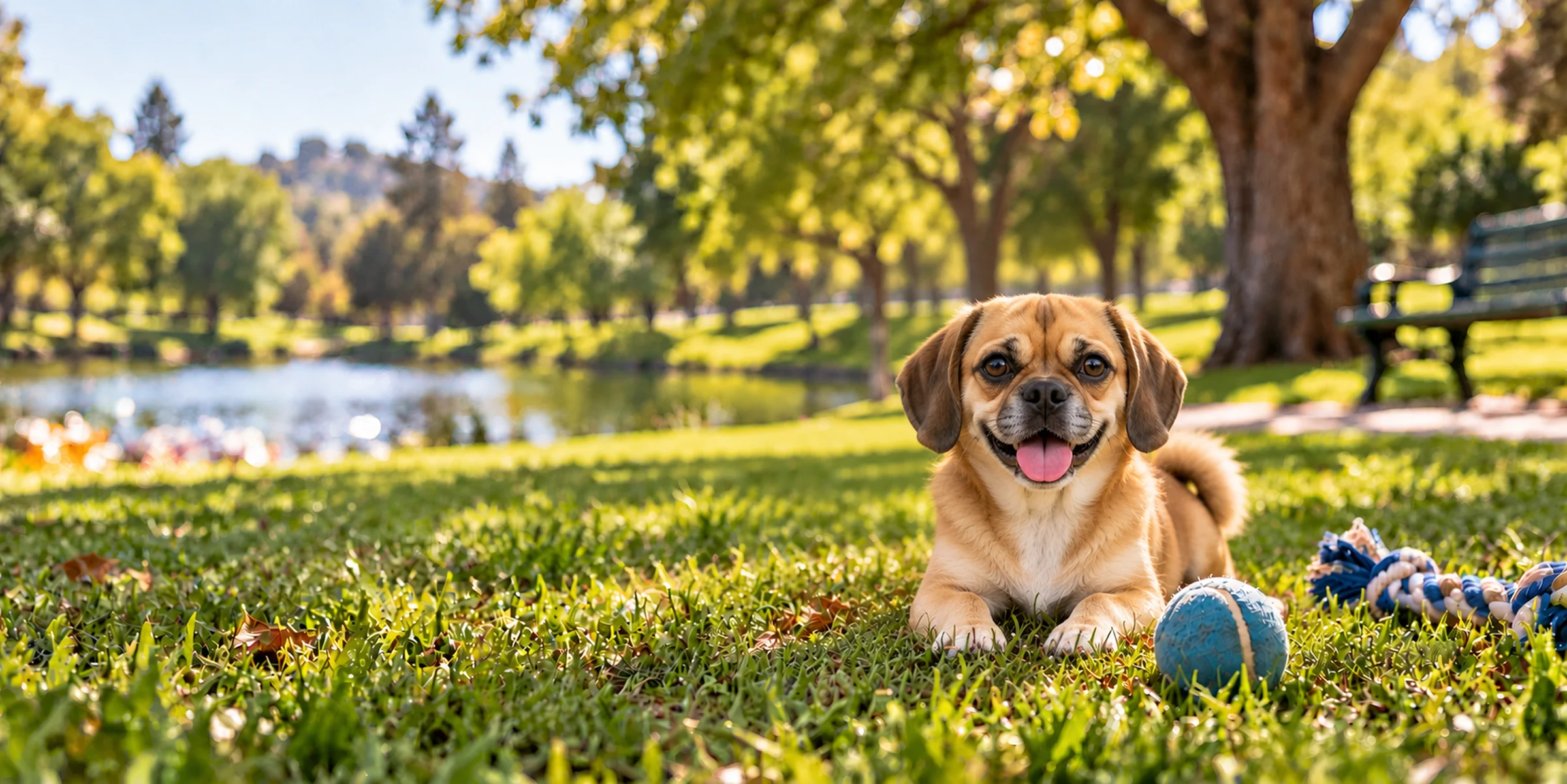
Puggle
The Pug cross. Smaller, more attached to people and a little quieter than a Beagle, with the same nose and often the same voice - and a partly flattened face that makes heat a genuine risk the Beagle does not have.