

large breed
Labrador Retriever
The default family dog, and deservedly so: robust, willing and almost impossible to offend. Two things catch owners out. An adolescent Lab reaches astonishing strength on the end of a leash months before the manners arrive, and this is a breed that gains weight thinking about it - which quietly drives most of the joint and cruciate trouble that shows up years later.

Pup Height
21.5-24.5 in

Pup Weight
65-80 lb
Figures are for males; females are 21.5-23.5 in and 55-70 lb. Source: AKC breed standard.

Pup Lifespan
13.1 years
Your pup, at a glance
What’s Life With This Pup Really Like?

High and physical. A Lab will lean their whole weight on you and consider that affection.

One of the best family dogs there is. The only real caveat is the sheer strength of an adolescent around toddlers.

Sociable and uncomplicated with other animals. Very little friction.

Low. They're not naturally noisy - most barking is excitement rather than warning.

High, and it takes real exercise to satisfy. Sixty to ninety minutes including proper cardio, not just a stroll.

Heavy and year-round. The short double coat sheds constantly and the hair works into everything.

Top of the scale. Retrieving, water, tug - they'll outlast you at all of it.

Moderate, especially around food and after drinking. Not extreme, but present.

Excellent, and it runs entirely on food. That same drive is why they counter-surf, so put it to work deliberately.

Low. They will alert and then wag. Not a guarding breed in any real sense.

About as easy as it gets - a weekly brush, more during the molt. No professional grooming required.

Very adaptable when well-exercised. An under-exercised Lab is destructive in any size of home.
Lifestyle fit
Could This Be Your Best Breed?
A Labrador Retriever suits a household with children, an hour of real exercise most days and a tolerance for hair on everything - a yard helps, an apartment works if the walks genuinely happen. Costs are modest for the size at $1,700 to $2,800 a year, and the median life is 13.1 years. Skip this one if you want a watchdog, a clean floor, or a dog who can be left under-exercised without consequences.

Living Space
Happiest with a yard but genuinely adaptable - a well-exercised Lab settles anywhere. An under-exercised one is destructive in any size of home.

Pup Experience
An excellent first dog. Forgiving, willing and uncomplicated. The thing that catches people out is the sheer strength of an adolescent on the end of a leash.

Daily Pup Time
Sixty to ninety minutes of proper exercise - not a stroll. Grooming is a weekly brush and not much else, which is a fair trade for the hair on everything.

Allergies & Coat
The Labrador Retriever scores 8/10 for shedding and 5/10 for drooling. No dog is truly hypoallergenic. The allergens come from dander and saliva, and a dog that sheds this much will leave plenty of hair behind - especially on your furniture, floors, and clothes.
Quirks & challenges
The Not-So-Easy Stuff

Freight Train
An adolescent Lab is strong enough to pull an adult over. Leash work early, not later.
Counter Surfer
Unusually strong food drive means nothing on the worktop is safe.
Bored Is Destructive
Fall short on exercise and they'll find their own project. Usually your furniture.
Too Much Hello
Overexcitement around visitors and other dogs is the default setting.
Always Hungry
Many Labs carry a gene variant that blunts feeling full. Portion discipline is on you.
Puppy Mouth
Everything goes in the mouth first. It's retrieving instinct, and it passes.
The good, the bad & the hairy
Health, Care & Costs
Understanding the health risks and ongoing costs of a Labrador Retriever helps you plan for a happy, healthy life together.

13.1 years
median; the all-breed median is 12.5
$0-$50
most owners never use a professional groomer ($0-$200/year)
$1,700-$2,800/year
all-in (food, routine vet, insurance, incidentals)

Health Risks
Conditions this breed is prone to.

Both joints develop loosely, so they grind rather than glide. The result is arthritis, and in bad cases replacement surgery. Ask to see hip and elbow scores for both parents - they are the single most useful thing a breeder can show you.
An inherited condition where five to fifteen minutes of intense exercise causes the hind legs to give way. Dogs recover within about half an hour and are normal in between. A DNA test exists, and affected dogs live well with managed exercise.
And the arthritis and diabetes that follow it. Not a disease in itself, but the multiplier on nearly everything else - joints, spine, heart and lifespan. It is also the one major risk factor that is entirely within your control.
The knee's stabilizing ligament tears, usually from gradual wear rather than one bad landing. Repair is surgical, and a dog that ruptures one has a meaningfully raised chance of rupturing the other.
An inherited disease that slowly destroys the retina. Night vision goes first, then daylight vision, usually ending in blindness. There is no treatment, but it is painless and gradual, and most dogs cope well in a home they already know. Responsible breeders DNA-test for it.
The stomach fills with gas and twists, cutting off its own blood supply. Without surgery within hours it is fatal. Deep-chested dogs are most at risk, and feeding one large meal a day or exercising straight after eating makes it likelier.
Drop ears and hairy canals trap warmth and moisture, which is exactly what yeast and bacteria want. Weekly checks and drying the ears after swimming prevent most of it. Left alone it becomes a lifelong cycle that is far harder to break.

Insurance & Health Coverage
Labradors are one of the most-claimed-on breeds in pet insurance, and the reason is orthopedic.

Cruciate ligament repair runs $3,500-$6,000 per knee, and a dog that ruptures one has a meaningfully elevated chance of rupturing the other.

Add the breed's documented tendency toward obesity - which accelerates joint degeneration - and the realistic question is not whether a Lab will need significant veterinary work, but when.
 Get a Pet Insurance Quote
Care needs
The Daily Routine

Grooming
Weekly brushing, increasing to several times a week during heavy seasonal sheds. The double coat sheds constantly regardless.

Exercise
60-90 minutes daily including real cardiovascular work. Swimming and retrieving suit them and spare the joints. Restrict high-impact exercise while growth plates are still open.

Food & Weight
The hunger is partly genetic in this breed and no amount of feeding settles it, so measure every meal and hold the line on treats. Labs top most obesity surveys. Judge by feel rather than the scale: ribs easy to find, a clear waist from above.
Similar breeds
If This Isn’t Quite the One

Golden Retriever
Same temperament and job, a touch softer and less physically bulldozing through adolescence.
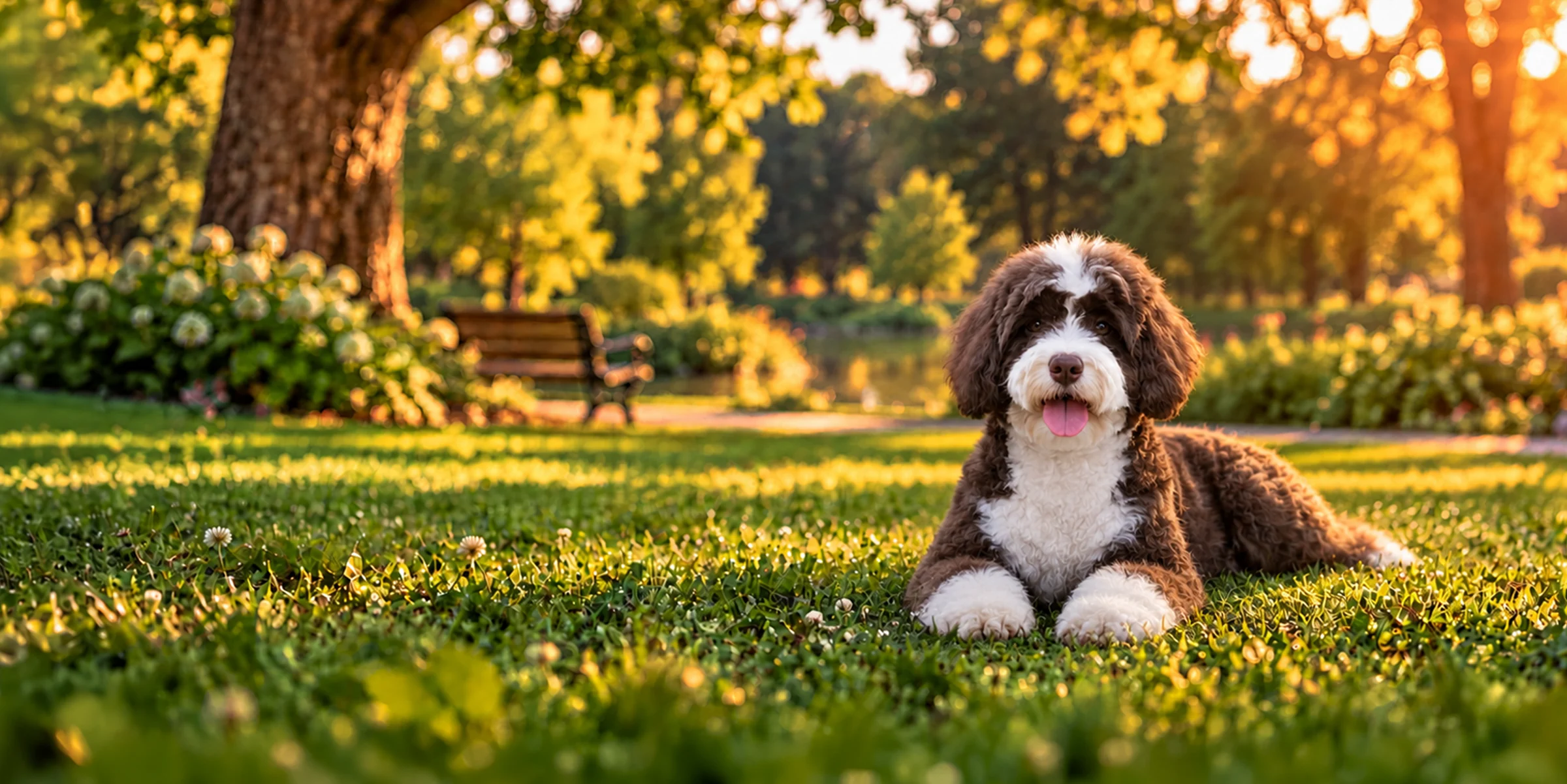
Labradoodle
The Lab temperament with a low-shedding coat, if hair rather than energy is the issue.

German Shepherd
If you want comparable trainability but with genuine guarding instinct the Lab completely lacks.
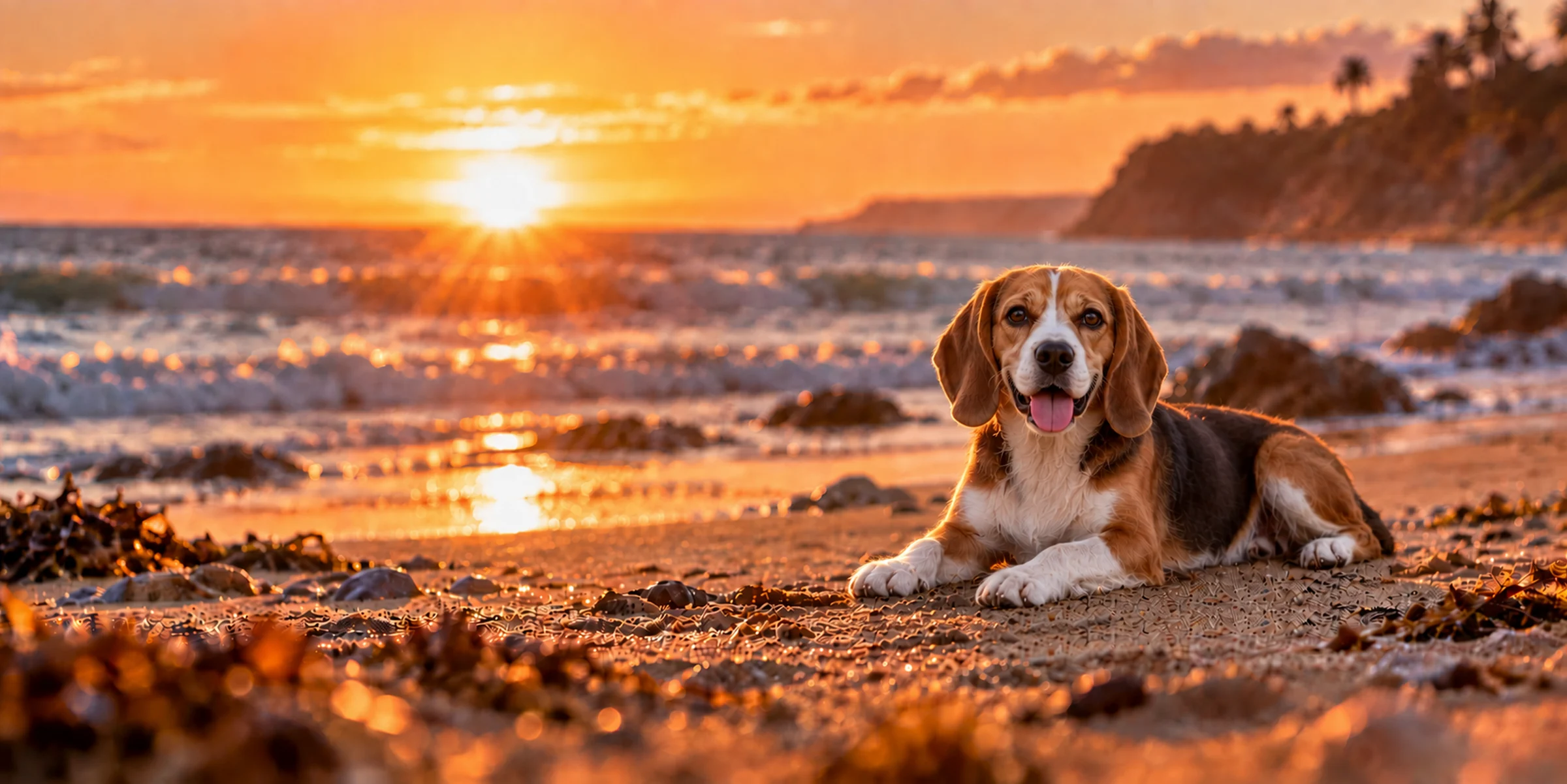
Beagle
A far smaller dog with similar food motivation and family tolerance, if the size and strength are the problem.
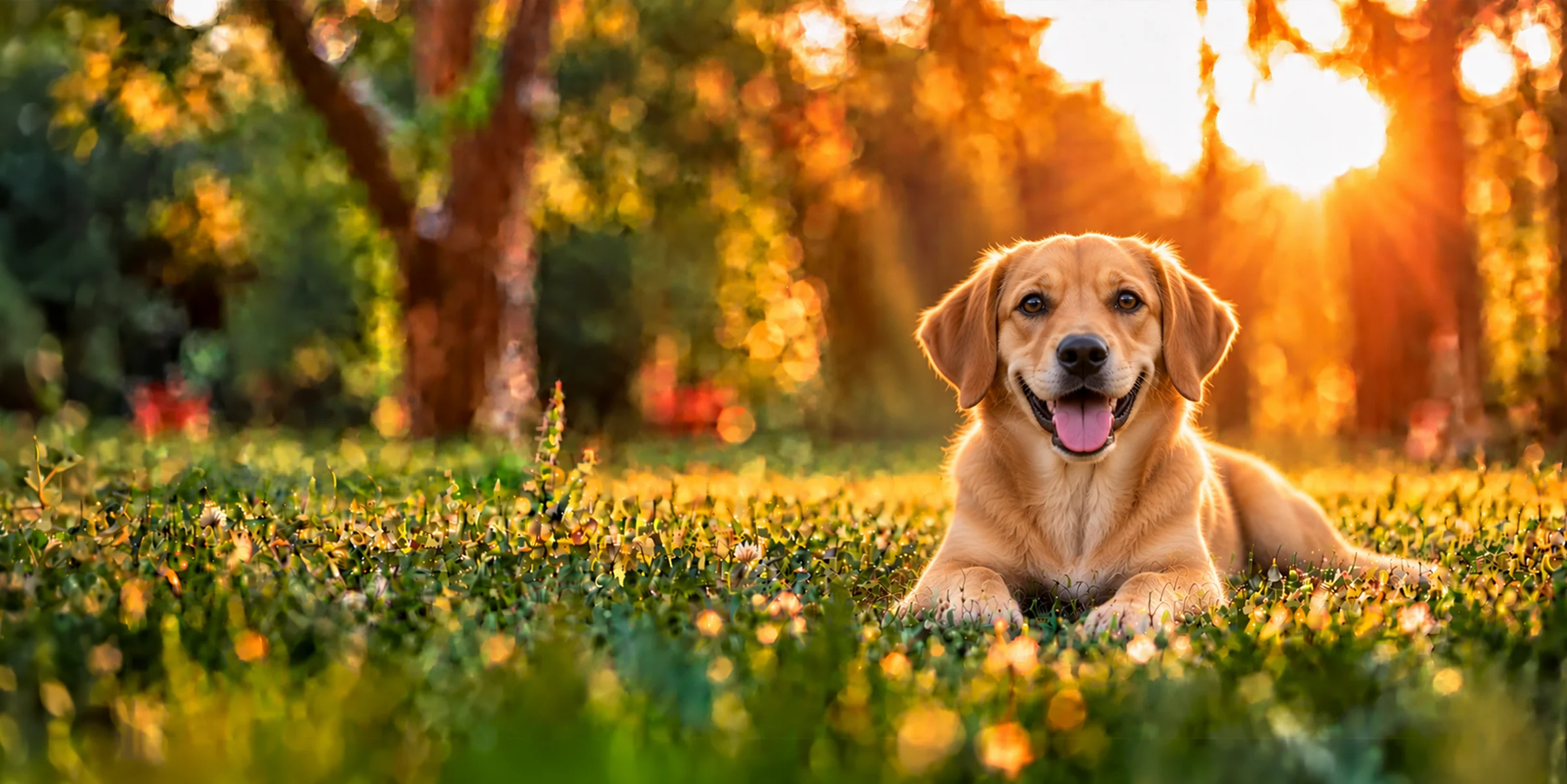
Goldador
The Golden cross, bred on purpose by guide dog programs for decades rather than for looks. The most predictable cross here - two parents of the same size, build and job - and the cancer risk leans in from the Golden side.