

large-to-giant breed
Beauceron
A large, powerful French shepherd with a guard dog wired in alongside the herding - watchful with strangers by default, and the top of this site's watchdog scale. Beaucerons are athletic, highly trainable and deeply serious about their own people. They are also slow to grow up, holding an adolescent mind until around three, and strong enough that handling mistakes have consequences. This is not a big friendly dog in a different coat.

Pup Height
25.5-27.5 in
Figures are for males; females are 24-26.5 in. Two coat patterns are recognized: black and tan, and harlequin, which is a gray, black and tan merle. The standard requires double dewclaws on each hind leg - an old working trait, and removing them disqualifies the dog. Bas rouge, red stockings, refers to the tan markings on the legs. Source: AKC breed standard.

Pup Weight
70-110 lb

Pup Lifespan
10-12 years
Your pup, at a glance
What’s Life With This Pup Really Like?

Devoted rather than demonstrative. They attach deeply to their household and express it by staying close and watching the door, not by climbing into laps.

Good with their own family's children and protective of them, which is the complication - a guarding breed who misreads a visiting child's rough game is a serious matter at ninety pounds. Supervision is not optional.

Manageable with dogs Beaucerons are raised with and with livestock they are taught to respect. Strange dogs meet a confident, territorial animal, and same-sex pairings can be difficult.

Moderate and purposeful. They are not a noisy breed and do not bark idly, which means it is worth paying attention when they do.

Very high. Two hours of real activity most days, and the mental half of that is what actually settles them.

Moderate year-round with two heavy turns a year. The coat is short but dense, and the hair is stiff enough to work into fabric.

Athletic and serious rather than silly. They play with intent, and they stay physically game well into middle age.

Low. Some looseness to the lip, nothing that needs managing.

Excellent, with conditions. They learn fast and work willingly for a handler they respect, and they will test an inconsistent one thoroughly - the trainability is real but it is not automatic.

The joint highest here. Territorial, protective and physically capable of backing it up, and they do not need any encouragement to take the job seriously.

Low. A weekly brush covers most of the year, with more during the seasonal shed. Do not forget the hind dewclaws.

Low. They need space, a boundary, a job and consistent handling, and there is no version of this dog that fits an ordinary suburban routine comfortably.
Lifestyle fit
Could This Be Your Best Breed?
A Beauceron needs land, a real fence, neighbors at some distance, and an experienced handler who will keep training and socialization running for the life of the dog rather than for a puppy course. Budget $2,000 to $3,300 a year across a ten to twelve year life. A door that opens to welcome everyone is the one thing a Beauceron will never give you, and neither an apartment nor a first dog is the place to find that out.

Living Space
A house with land and a real fence. The Beauceron is a large, powerful, genuinely protective dog with a working drive to match, and the combination needs space, a boundary, and neighbors who are not immediately on the other side of a wall.

Pup Experience
Not a first dog, and not a second. Beaucerons are highly trainable and highly opinionated, they mature slowly enough that you are managing an adolescent for three years, and they are strong enough that mistakes have consequences. Owners who do well with them have handled a serious working breed before.

Daily Pup Time
Two hours of activity most days with substantial mental work, plus the training that a protective breed needs continuously rather than in a block. The coat takes ten minutes a week.

Allergies & Coat
The Beauceron scores 6/10 for shedding and 3/10 for drooling. No dog is truly hypoallergenic. The allergens come from dander and saliva, and a dog that sheds this much will leave plenty of hair behind - especially on your furniture, floors, and clothes.
Quirks & challenges
The Not-So-Easy Stuff

They Mature Slowly
Physically grown at eighteen months and mentally adolescent well past two. Expect three years of a large, strong dog testing the arrangements.
Serious Guarding Instinct
Territorial and protective by breeding, not by training. Broad early socialization decides whether that is an asset or a liability.
Needs a Real Job
Herding, protection sport, tracking or agility. Two hours of walking leaves a working brain entirely unoccupied and looking for work.
Bloat Is a Live Risk
Deep-chested and large. Split meals, no hard exercise around feeding, and know the signs before you need them.
Harlequin Pairings Are Risky
The harlequin coat is a merle. Two merle parents can produce deaf and blind puppies - ask what color both parents are.
They Nip Heels
A droving dog moves stock by nipping, and a running child reads the same. Redirecting it early matters at this size.
The good, the bad & the hairy
Health, Care & Costs
Understanding the health risks and ongoing costs of a Beauceron helps you plan for a happy, healthy life together.

10-12 years
$55-$85
per groom (bath, deshedding, nails and ears), every 8-10 weeks ($300-$500/year)
$2,000-$3,300/year
all-in (food, routine vet, grooming, insurance, incidentals)

Health Risks
Conditions this breed is prone to.

The stomach fills with gas and twists, cutting off its own blood supply. Without surgery within hours it is fatal, and this is the emergency most likely to kill a Beauceron. Deep-chested dogs are most at risk, and feeding one large meal a day or exercising straight after eating makes it likelier.
The hip joint develops loosely, so the ball and socket grind instead of gliding. It leads to arthritis and, in severe cases, replacement surgery on a dog who may weigh a hundred pounds. Ask to see hip scores for both parents.
The heart muscle thins and stretches until it pumps poorly, which shows up as exercise intolerance, coughing or collapse. It is managed with medication rather than cured, and a cardiac clearance on both parents is a reasonable thing to ask for.
Similar to hip dysplasia but in the elbow joint - the bones do not fit together properly, causing pain and early arthritis. Common in large, fast-growing breeds.
The harlequin pattern is a merle, and the gene affects the inner ear and the developing eye. One merle parent is fine; two can produce double-merle puppies that are deaf, blind or both. This is a breeding decision rather than a veterinary one.
Itching, chewed paws and recurring hot spots, usually from environmental allergens. Manageable rather than curable, and the medication and diet costs recur for life.

Insurance & Health Coverage
A robust working breed, and the shorter lifespan for the size is the first thing to note - ten to twelve years is normal here rather than pessimistic.

Bloat is the risk that should shape the decision. It is sudden, it is fatal within hours without surgery, and the surgery is several thousand dollars at an emergency clinic at whatever time it happens. Joint surgery on a hundred-pound dog sits at the top end of orthopedic costs, and cardiomyopathy means lifelong medication and repeat cardiac scans once it appears.

There is also a liability question a health policy does not touch. A large, powerful, genuinely protective breed is a different proposition for a home insurer than a retriever, and it is worth confirming your cover in writing before the dog arrives rather than after an incident. The merle-related defects are congenital and would be excluded outright - the protection there is asking the breeder about both parents' coats.
 Get a Pet Insurance Quote
Care needs
The Daily Routine

Grooming
A short, dense double coat that needs a weekly going-over and rather more during the twice-yearly shed. Nails matter on a dog this heavy, and the dewclaws on the hind legs need checking and trimming since they never touch the ground.

Exercise
Two hours most days with real thinking in it. Herding, tracking, protection sport, agility and canicross all suit them; walking is transport for a dog bred to work a farm from dawn to dusk.

Food & Weight
Two or three measured meals rather than one large one, with hard exercise kept well clear of mealtimes - bloat is the single likeliest emergency in this breed. Grow puppies slowly on large-breed food; pushing weight onto developing joints in a dog headed for a hundred pounds causes problems that last a lifetime.
Similar breeds
If This Isn’t Quite the One
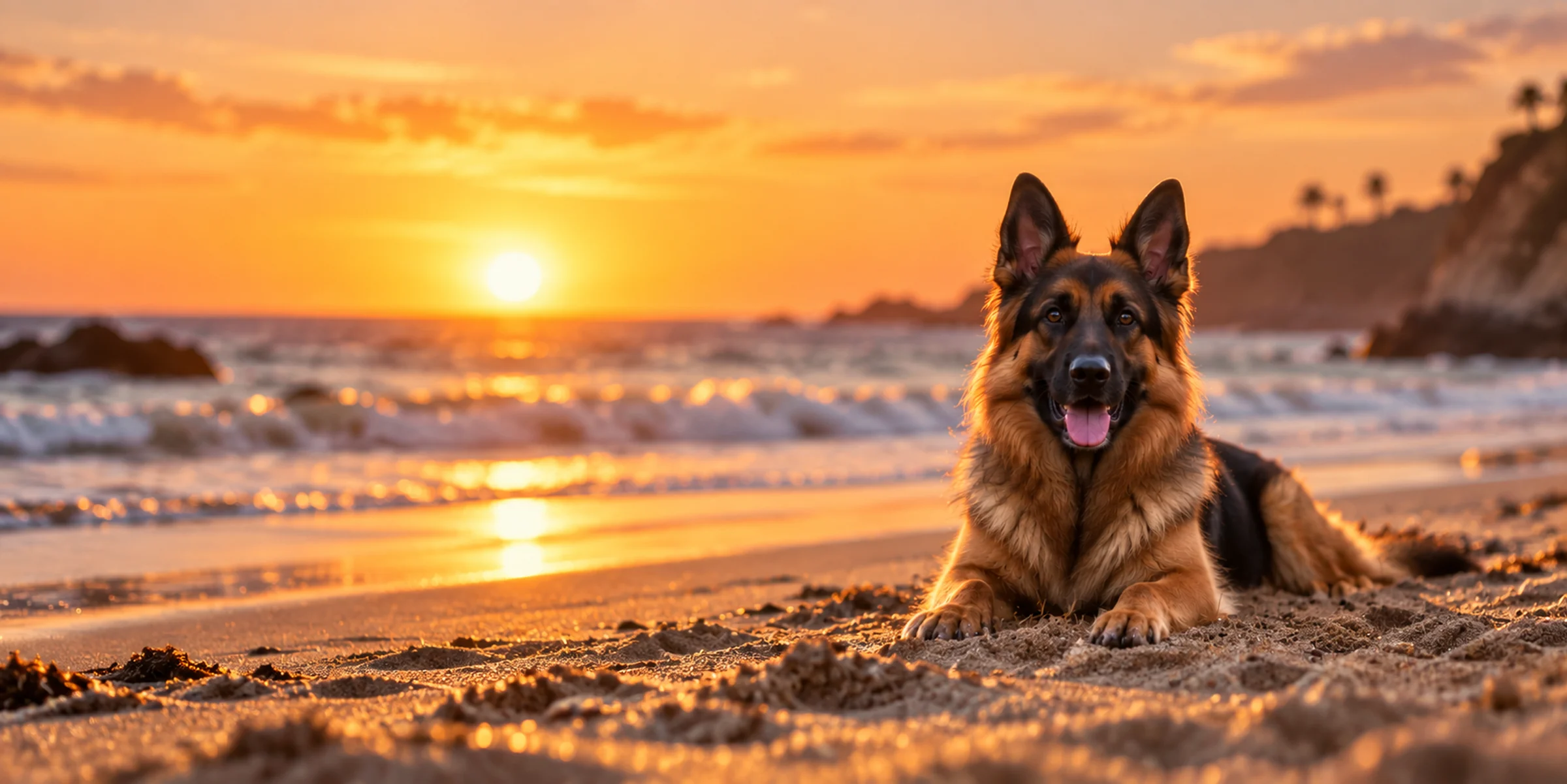
German Shepherd
The direct comparison, and the more available breed by a wide margin. A German Shepherd offers the same combination of trainability and protectiveness with a far better support network, more predictable lines, and a dog that matures a good deal sooner.
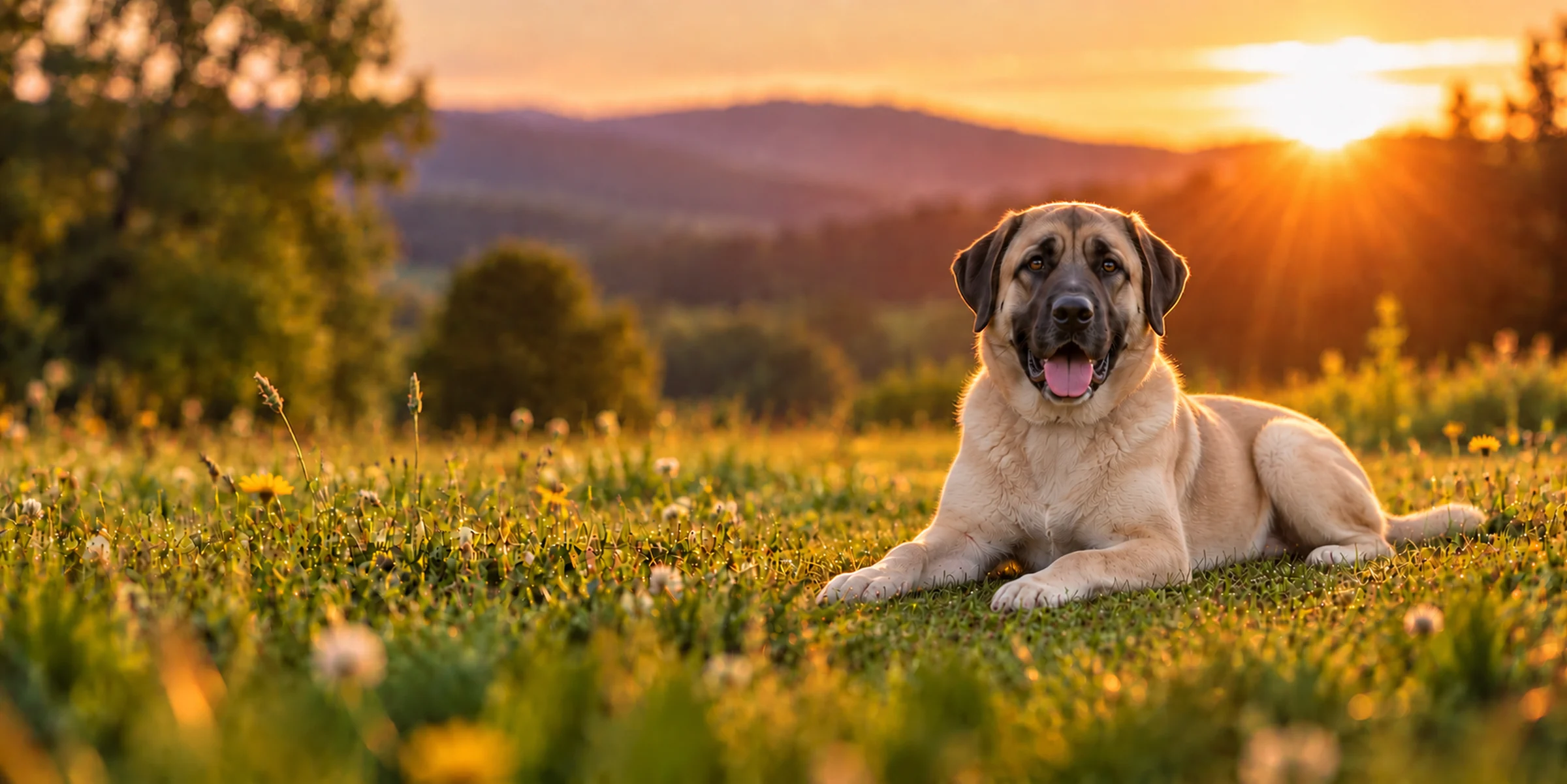
Anatolian Shepherd Dog
If the guarding is the appeal but the working drive is not, an Anatolian gives you far more dog and far less exercise - a livestock guardian who patrols rather than works, and who has no interest in taking instructions at all.