

medium-to-large breed
Belgian Laekenois
The rough-coated Belgian, and by a wide margin the rarest - so rare that finding one is the first real obstacle. Laekenois kept more of the working temperament than their long-coated relatives: hard, driven, intensely loyal to their own household and markedly reserved with everyone outside it. The tousled coat is meant to look unkempt and wants hand-stripping a few times a year rather than clipping. What they want most is work.

Pup Height
24-26 in

Pup Weight
55-75 lb
Figures are for males; females are 22-24 in and 40-60 lb. The Laekenois is the rough-coated one of the four Belgian shepherd varieties - the AKC registers Laekenois, Malinois, Tervuren and Groenendael as four separate breeds, most of the world as one breed in four coats. The harsh, tousled fawn coat is the whole distinction. Recognized by the AKC in 2020. Source: AKC breed standard.

Pup Lifespan
10-12 years
Your pup, at a glance
What’s Life With This Pup Really Like?

Devoted to their own household and undemonstrative about it by the standards of the group. They want to be near you rather than on you, and they are markedly less effusive than a Tervuren.

Acceptable with children they are raised with, and the most reserved of the four with visiting ones. The herding instinct turns running into a job, and supervision is worth the bother.

Manageable with dogs they grow up alongside. Strange dogs meet a confident, territorial animal, and small fast animals meet the herding drive.

Moderate. They alert with purpose rather than chattering, which makes them a somewhat easier neighbor than the two long-coated varieties.

High. Ninety minutes to two hours of real work daily, and the mental half is what actually settles them.

Low. The harsh coat holds most of what it drops, which is why it wants stripping out rather than vacuuming up.

Game and athletic, and more businesslike than the Tervuren. They play with purpose and would rather have a task than a toy.

Very low. A dry, tidy, hard-coated dog.

Very good, and they respond to being made worth their while. They are tough physically and not hard mentally - pressure produces resistance rather than compliance.

Excellent. Territorial, watchful and genuinely reserved with strangers, with a guarding instinct that arrives at maturity without encouragement.

Moderate and specific. A brush once or twice a week and a hand-strip a few times a year - considerably less work than the long coats, and a different skill.

Low. They cope with new homes and routines, and not with being under-worked or with a household that has strangers through it constantly.
Lifestyle fit
Could This Be Your Best Breed?
A Laekenois needs a house with a yard, some distance from the neighbors, and an experienced owner who will put ninety minutes to two hours a day into exercise and thinking work. Expect $1,800 to $3,000 a year over a ten to twelve year life. Skip this one if the house is full of visitors, if it would be your first dog, or if you are not prepared to wait for a rare litter.

Living Space
A house with a yard and a household that works them. The Laekenois is a watchful, territorial herding dog with real drive, and the combination wants space, a boundary and neighbors at some distance.

Pup Experience
Not a first dog. The Laekenois sits between the Tervuren and the Malinois in intensity, closer to the working end than the show end, and they are the most reserved of the four with strangers. Owners need to be deliberate about socialization and consistent about work.

Daily Pup Time
Ninety minutes to two hours daily with substantial mental work, plus a brush once or twice a week and a hand-strip a few times a year. Lower grooming than their long-coated relatives, higher than the Malinois.

Allergies & Coat
The Belgian Laekenois scores 3/10 for shedding and 2/10 for drooling. No dog is truly hypoallergenic. The allergens come from dander and saliva, and a coat that sheds this little leaves far less of them on your furniture, floors, and clothes.
Quirks & challenges
The Not-So-Easy Stuff

Very Hard to Find
The rarest Belgian variety by a distance. Expect long waits, a handful of breeders, and a small gene pool worth asking about directly.
The Most Reserved of the Four
Aloof and watchful with strangers as a baseline. Broad, deliberate early socialization is what keeps that useful rather than a problem.
Strip It, Don't Clip It
The harsh coat is meant to look tousled. Clipping softens it permanently and ruins the weatherproofing it exists for.
They Need Real Work
Ninety minutes to two hours daily with the head engaged. Walking a working shepherd is transport, not exercise.
They Circle and Herd
Gathering running children is instinct rather than mischief, and it comes with nudging and the occasional nipped heel.
Guards by Maturity
The protective instinct arrives around two whether it was asked for or not. What you did before then decides how it lands.
The good, the bad & the hairy
Health, Care & Costs
Understanding the health risks and ongoing costs of a Belgian Laekenois helps you plan for a happy, healthy life together.

10-12 years
$70-$105
per groom (hand-strip, tidy and ears), every 8-12 weeks ($350-$650/year)
$1,800-$3,000/year
all-in (food, routine vet, grooming, insurance, incidentals)

Health Risks
Conditions this breed is prone to.

Seizures with no other underlying cause, usually first appearing between one and five years old. The Belgian shepherd varieties see more of it than most breeds. It is controlled with daily medication rather than cured, and the drugs and monitoring are a lifelong cost.
The hip joint develops loosely, so the ball and socket grind instead of gliding. It leads to arthritis and, in severe cases, replacement surgery. A very small breeding population makes parental hip scores a requirement rather than a nicety.
Similar to hip dysplasia but in the elbow joint - the bones do not fit together properly, causing pain and early arthritis. Treatment ranges from management to surgery depending on severity.
An inherited disease that slowly destroys the retina. Night vision goes first, then daylight vision, usually ending in blindness. There is no treatment, but it is painless and gradual, and most dogs cope well in a home they already know.
The thyroid stops producing enough hormone, causing weight gain, lethargy and a coat that thins or dulls. A daily tablet manages it completely and the medication itself is inexpensive.
The stomach fills with gas and twists, cutting off its own blood supply. Without surgery within hours it is fatal. Deep-chested dogs are most at risk, and feeding one large meal a day or exercising straight after eating makes it likelier.

Insurance & Health Coverage
A hardy working breed carrying the same profile as the other three Belgians, with one extra consideration on top: the population is genuinely small, and a small gene pool is a reason to treat the parents' hip, elbow and eye certificates as non-negotiable rather than reassuring.

Epilepsy is the condition that shapes the decision. It is commoner across the Belgian varieties than in most breeds, usually appears between one and five years old, and then means daily medication and repeat bloodwork for the rest of their life - the textbook chronic condition an insurer excludes once the first seizure is in the notes.

Joint surgery and bloat are the surgical risks, each several thousand dollars. The liability question applies here as it does to the rest of the group: a large, protective, reserved herding breed is treated differently by some home insurers, and that is worth confirming in writing beforehand.
 Get a Pet Insurance Quote
Care needs
The Daily Routine

Grooming
Brush once or twice a week with a slicker and a comb, and hand-strip the harsh outer coat a few times a year rather than clipping it - the tousled look is correct and clipping destroys the texture that makes it weatherproof. Ears, teeth and nails on the usual schedule.

Exercise
Ninety minutes to two hours daily with real mental work. Herding, protection sport, tracking, agility and scent work all suit them; distance walking uses their legs and leaves a working brain entirely free.

Food & Weight
Two measured meals rather than one large one, with hard exercise clear of mealtimes given the bloat risk. Feed to the workload and keep them lean - a rough coat hides condition less than a long one, but not by much.
Similar breeds
If This Isn’t Quite the One
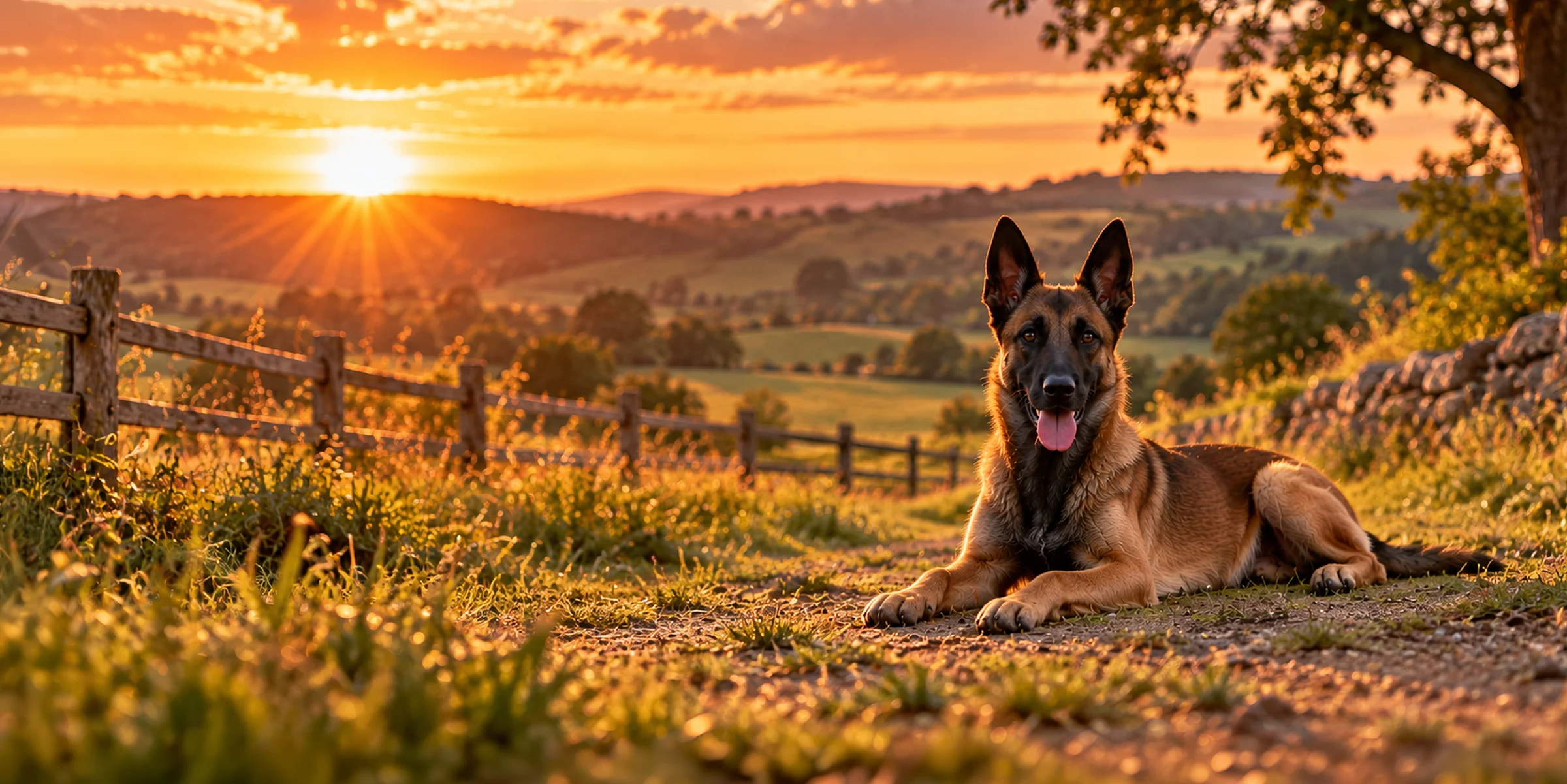
Belgian Malinois
The closest match on temperament among the four varieties - both kept the working end of the breed rather than the show end. The Malinois is faster, more intense and vastly easier to find; the Laekenois is a slightly lower-tempo version in a rough coat.
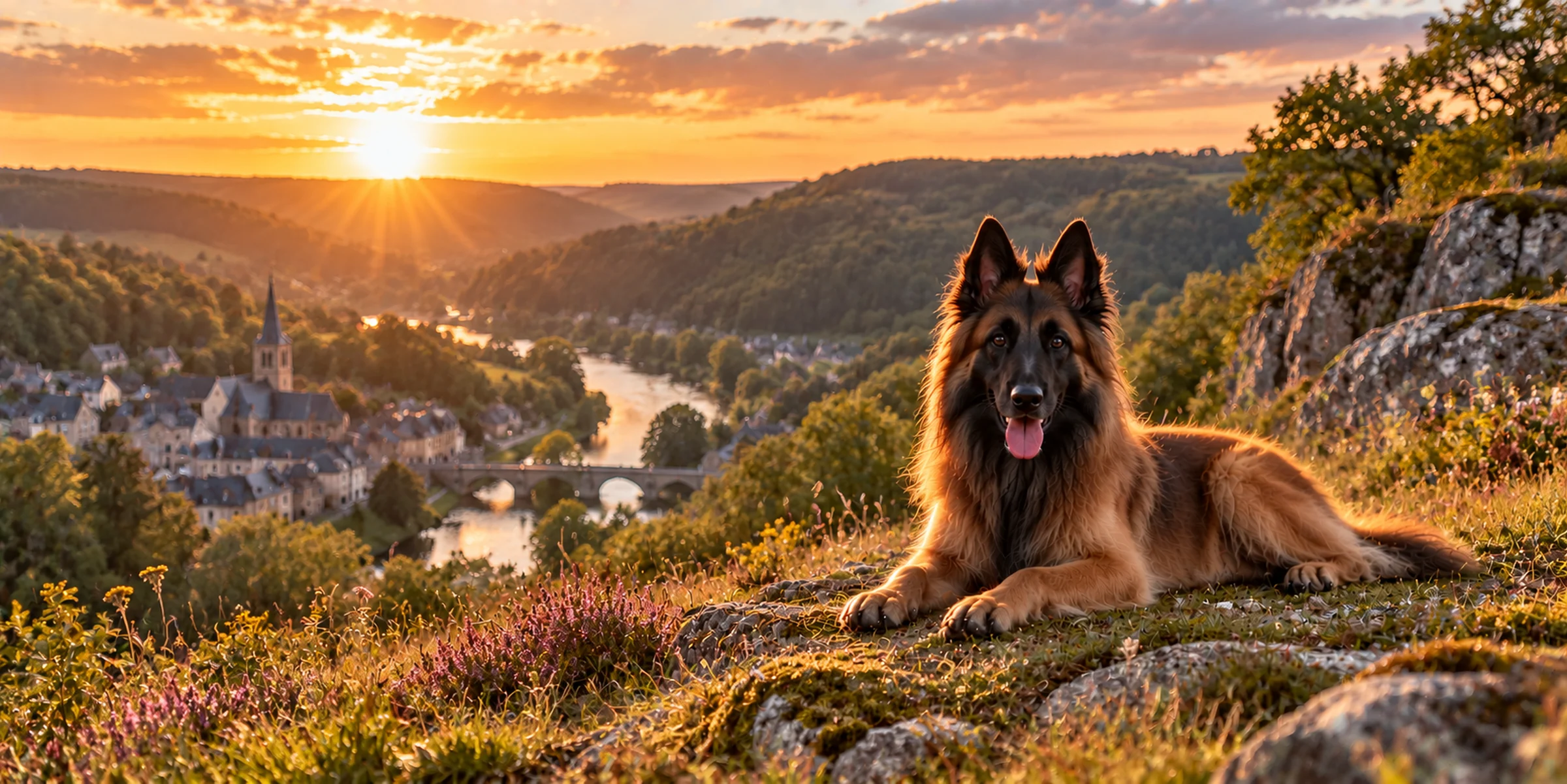
Belgian Tervuren
The same breed bred for families and the ring rather than for work, in a long fawn coat. Warmer with strangers, easier to live with, higher grooming, and available without a waiting list.