

small breed
Lucas Terrier
Sealyham crossed to Norfolk from the 1940s, on the theory that a terrier could be made smaller, sounder and calmer without ceasing to be a terrier - and mostly it worked. Lucas Terriers are cheerful, sociable and easier company than most of the group, which is why they suit families, older owners and smaller homes. The digging and the chasing did not get bred out, and published health data on the breed is thin.

Pup Height
9-12 in

Pup Weight
11-20 lb
Males roughly 14-20 lb and females 11-17 lb, both about 9-12 in at the shoulder, with a body a little longer than tall. A hard, weather-resistant double coat of moderate length, kept natural rather than sculpted. Colors are tan, black and tan, or grizzle, with small white markings allowed. Recognized by the UKC in the Terrier Group; not recognized by the AKC or The Kennel Club. The separately registered Sporting Lucas Terrier is a longer-legged working type with Plummer and Fell Terrier blood and is not the same dog. Published breed data is thin, and figures vary slightly between the UKC and the breed clubs. Source: UKC breed standard.

Pup Lifespan
12-15 years
Your pup, at a glance
What’s Life With This Pup Really Like?

High. Lucas Terriers are affectionate lap-sized companions who like to settle close after a walk.

Very good. Sturdy and good-natured with considerate children, though small enough to be hurt by rough handling.

Good for a terrier. Usually easy with other dogs; small pets and unfamiliar cats can still trigger the chase.

Moderate. They will announce visitors and wildlife, but are generally quieter than many terriers.

Moderate. Lively outdoors and happy to switch off at home once exercised.

Light. The harsh coat drops little hair, especially when kept stripped.

Cheerful and game. Tug, chase and anything involving a nose are favorites.

Minimal. A dry-mouthed little dog.

Fairly good. More cooperative than most terriers, but short sessions and good rewards matter, and recall takes real work.

Moderate. Alert and quick to sound off, with a friendly temperament behind the bark.

Moderate. Weekly brushing plus hand-stripping a few times a year.

Good. Small, sociable and adaptable to smaller homes, as long as they are not left alone for long days.
Lifestyle fit
Could This Be Your Best Breed?
A Lucas Terrier suits a small home, a first-time owner and a household that is around most of the day - forty-five minutes to an hour of walking, and $1,200 to $2,500 a year over twelve to fifteen years. What stops most people is not the dog but the waiting list: a handful of club breeders, almost all British. Anyone who needs a puppy this season ends up with a Norfolk or a Sealyham instead.

Living Space
Adapts to most homes, including an apartment or small house, provided the daily walk happens. A securely fenced yard is a bonus rather than a requirement, but any fence needs to stop a small terrier that will dig under it if something interesting is on the other side.

Pup Experience
A reasonable choice for a first-time owner who wants a terrier without the full terrier intensity. The Lucas was bred to be the gentler, quieter end of the group, but recall, digging and small-animal chasing still need steady work.

Daily Pup Time
About 45 minutes to an hour of walking and play daily, a quick brush a couple of times a week, and a hand-strip or tidy a few times a year.

Allergies & Coat
The Lucas Terrier scores 3/10 for shedding and 1/10 for drooling. No dog is truly hypoallergenic. The allergens come from dander and saliva, and a coat that sheds this little leaves far less of them on your furniture, floors, and clothes.
Quirks & challenges
The Not-So-Easy Stuff

Prey Drive
Rodents, squirrels and unfamiliar cats get chased. Recall needs work, and many are safest on a long line in open country.
Digging
A working terrier heritage means holes in the lawn. A dig pit and supervision save the flower beds.
Rarity
Few breeders and long waiting lists, and dogs advertised as Lucas Terriers are not always what they claim. Ask for pedigrees and club membership.
Thin Health Data
The population is small and there are no large health surveys. You are relying on the breeder's own records and on what is known in the parent breeds.
Coat Maintenance
The harsh coat looks best hand-stripped a few times a year. Clipping works but softens the texture and color.
Dislikes Being Alone
Bred as companions as much as workers, and prone to barking or chewing when left for long days.
The good, the bad & the hairy
Health, Care & Costs
Understanding the health risks and ongoing costs of a Lucas Terrier helps you plan for a happy, healthy life together.

12-15 years
$60-$100
per groom (hand-strip or tidy, bath, nails), 3-4 times a year or done at home ($0-$400/year)
$1,200-$2,500/year
all-in (food, routine vet, grooming, insurance, incidentals)

Health Risks
Conditions this breed is prone to.

The population is small and no large health survey has been published, so nobody can say with confidence what the breed's main problems are. Choose a breeder who shares health records on the parents and grandparents, and treat lists like this one as a guide rather than a verdict.
The kneecap slips out of place, showing as an occasional skip or hop on a back leg. Common in small breeds; mild cases need no treatment and severe ones need surgery. Ask whether the parents' knees have been checked.
The lens of the eye comes loose, causing pain and glaucoma and threatening sight. It is well documented in the Sealyham Terrier, one of the founding breeds, and a DNA test (ADAMTS17) exists, so it is reasonable to ask whether breeding stock has been tested.
A leaking heart valve that develops with age and is recognized in the Norfolk Terrier. A vet may first hear it as a murmur at a routine check; medication manages it for years in many dogs.
Itchy skin, paw licking and ear infections from environmental or food allergies turn up in many small terriers. Usually manageable, but often a lifelong cost.
Small mouths crowd teeth and collect tartar. Regular brushing and periodic cleanings under anesthesia keep teeth in and prevent gum infection.

Insurance & Health Coverage
Insure early. A small terrier with a long expected life will see a lot of vet visits, and anything noted on the record before a policy starts - a knee that slips, a heart murmur, an itchy spell - can become a permanent exclusion.

The thin health data cuts both ways. There is no well-known breed catastrophe to plan around, but there is also no reliable way to predict what might come up, so a policy with sensible per-condition and lifetime limits is worth more than chasing the lowest premium.

Long-lived small dogs build up claims in their senior years - dental work, heart medication, lumps and bumps. Check how premiums rise with age and whether the policy can be renewed for life.
 Get a Pet Insurance Quote
Care needs
The Daily Routine

Grooming
A harsh double coat that sheds lightly. Brush and comb once or twice a week, and hand-strip the dead coat a few times a year to keep the texture and color - a groomer who knows terriers can do it, or owners can learn. Trim nails, clean ears and brush teeth as part of the routine.

Exercise
About 45 minutes to an hour a day of walks, sniffing and play. Lucas Terriers enjoy a longer country hike but settle well on less, and scent games and puzzle toys cover a rainy day. Off-leash running is best kept to securely fenced areas.

Food & Weight
Small, sturdy and fond of food, so portions matter - an extra pound or two is a big percentage on a dog this size and puts strain on the knees. Measure meals, count training treats, and use puzzle feeders to slow eating and add mental work.
Similar breeds
If This Isn’t Quite the One
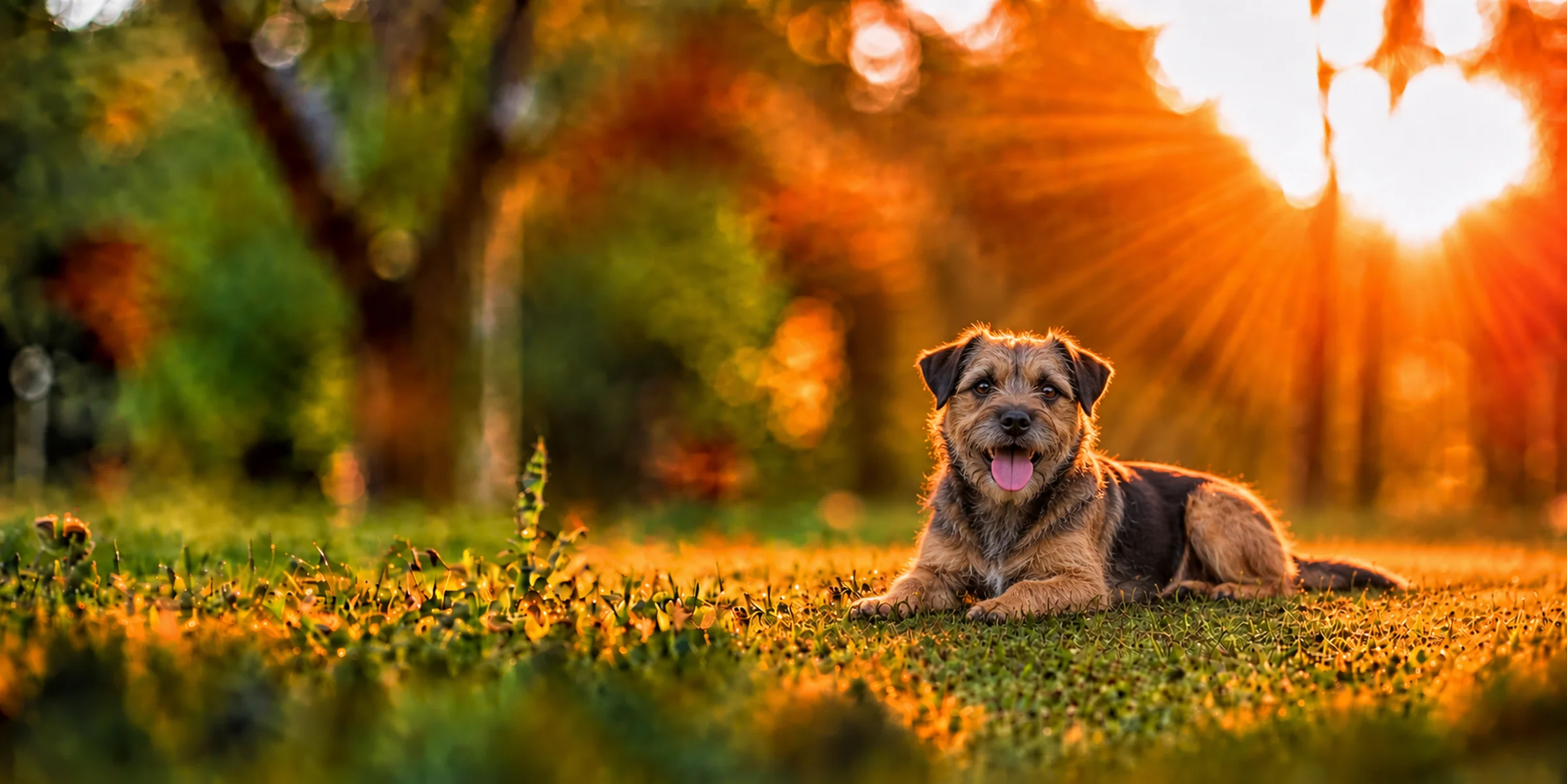
Border Terrier
Another small, friendly British working terrier with a harsh coat. The Border is leggier, more energetic and far easier to find; the Lucas is shorter, calmer and rare.
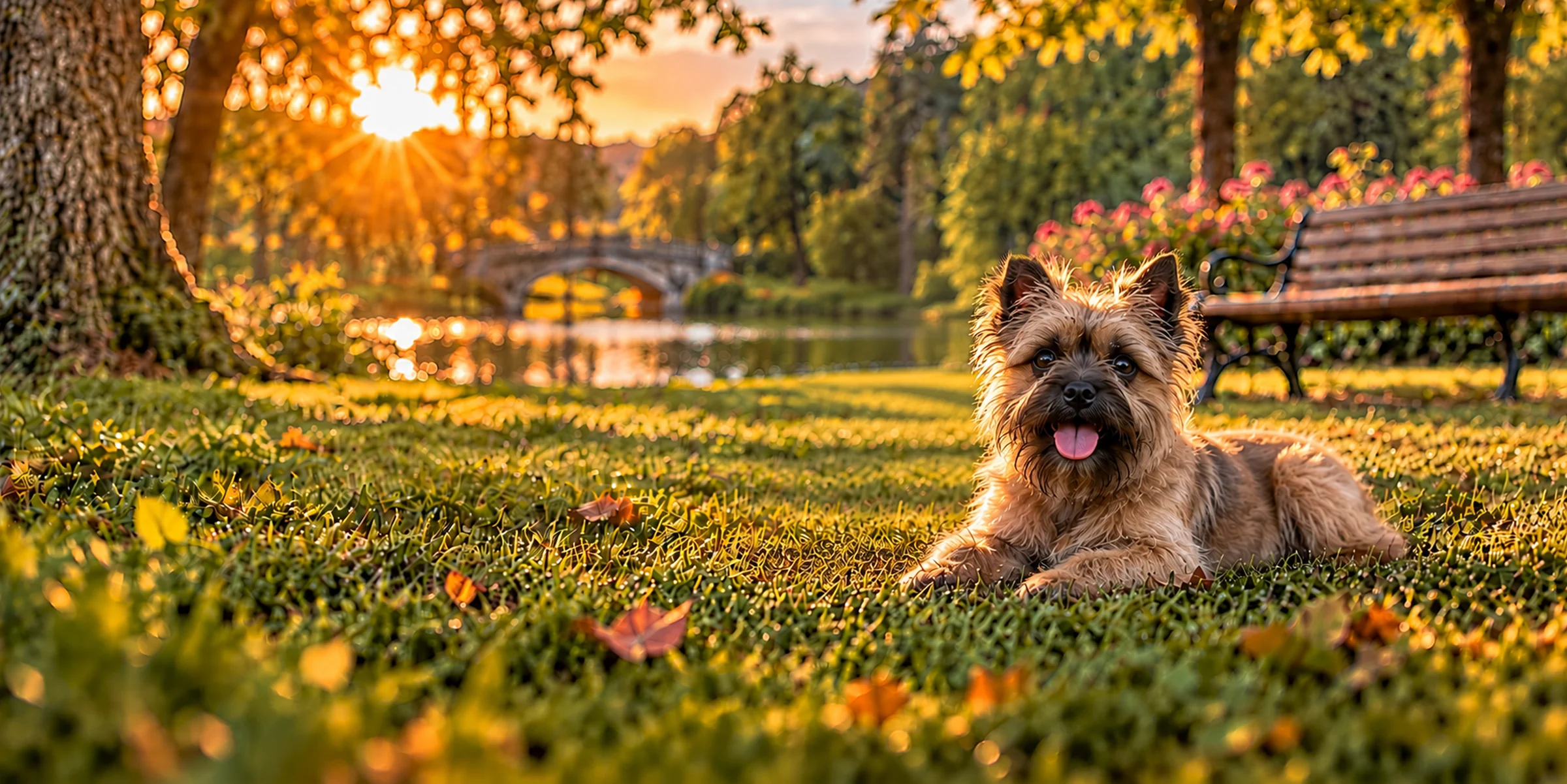
Cairn Terrier
A similar-sized, rough-coated little terrier. The Cairn is feistier and more independent; the Lucas was bred specifically to be softer-tempered and easier around other dogs.
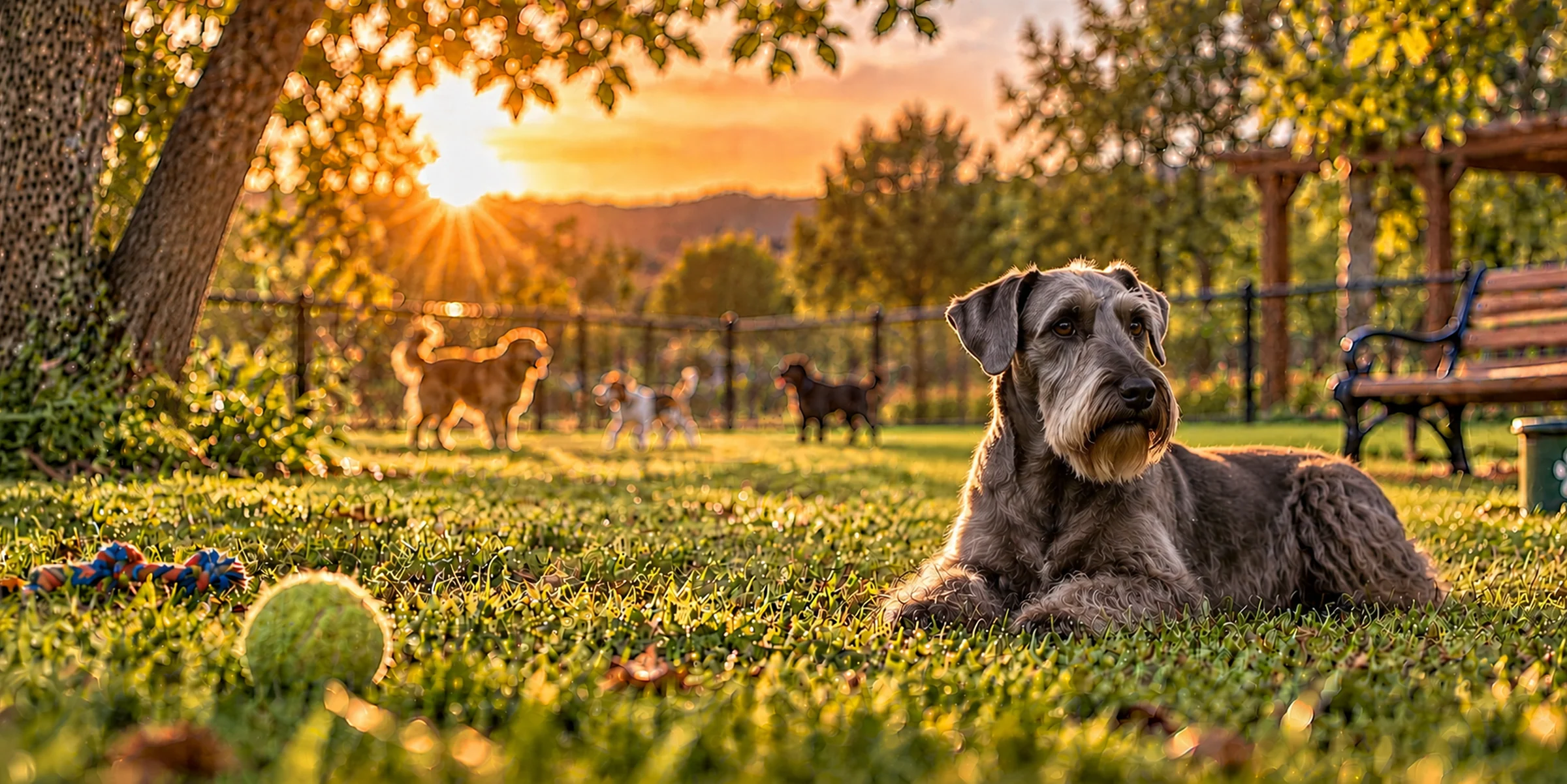
Cesky Terrier
Also a deliberate Sealyham-based cross that became a breed, and similarly mellow for a terrier. The Cesky has a silky clipped coat and a longer, lower body; the Lucas keeps a hard natural coat.