

medium breed
Polish Lowland Sheepdog
A shaggy Polish herder, roughly knee-high and 30 to 50 pounds, with a long double coat over the eyes that reads as charming and behaves as work. PONs are clever, sturdy and funny, and they need about an hour a day with a real job in it. The coat is the standing commitment, and skin trouble underneath a neglected one is the reason groomers end up shaving a PON down to start again.

Pup Height
17-20 in
Males 18-20 in, females 17-19 in, in a slightly rectangular, muscular outline. All colors and markings are accepted; white with gray, black or brown patches is common, and puppies born dark often lighten considerably as the adult coat comes in. A long, dense, shaggy double coat with hair falling over the eyes. The tail is short, either naturally or docked. Source: AKC breed standard.

Pup Weight
30-50 lb

Pup Lifespan
10-14 years
Your pup, at a glance
What’s Life With This Pup Really Like?

High. Affectionate and close with their own people, often attaching most strongly to one person.

Good. Loyal and playful with children they know, though the herding nips need redirecting and visiting children may get a cooler welcome.

Fair to good. Usually fine with pets raised alongside them, but they tend to boss and herd, and can be pushy with unfamiliar dogs.

High. Alert and vocal, announcing visitors and noises, and a quiet cue needs teaching early.

High. An hour of real activity daily, and the mental work matters as much as the miles.

Low. The coat sheds little onto the floor, but loose hair tangles into the coat and becomes mats unless brushed out.

Lively and clever. They love games with a purpose - fetch, chasing, herding balls and anything that involves outsmarting their people.

Low. The beard gets wet at the water bowl, but they are not droolers.

Moderate. Quick learners with an independent streak who respond to rewards and consistency, and push back against pressure.

High. Naturally suspicious of strangers and quick to sound the alarm.

Very high. Line-brushing to the skin several times a week, or a regular pet trim, is not optional with this coat.

Moderate. A manageable size for many homes, but the barking, the coat and the need for work limit where they fit.
Lifestyle fit
Could This Be Your Best Breed?
A Polish Lowland Sheepdog suits an owner who enjoys training and does not mind a dog with opinions - a house with a yard, an hour of work a day, $1,700 to $2,900 a year, ten to fourteen years. First-time owners manage with real classes behind them. The coat is what ends most placements: if brushing to the skin three times a week sounds like a chore you would skip, choose a different breed.

Living Space
A house with a fenced yard suits them best, though a well-exercised Polish Lowland Sheepdog can manage in a larger apartment. The watchful bark is what shared walls notice, and the coat carries the yard indoors on every trip out.

Pup Experience
Better for owners who have trained a dog before, or first-timers prepared to take real training classes. PONs are clever and quick, but they were bred to make their own decisions with a flock, and a soft or inconsistent owner ends up being managed by the dog.

Daily Pup Time
About an hour of exercise daily with some training or a job in it, plus a thorough line-brushing several times a week and a weekly check for mats.

Allergies & Coat
The Polish Lowland Sheepdog scores 3/10 for shedding and 2/10 for drooling. No dog is truly hypoallergenic. The allergens come from dander and saliva, and a coat like this one holds on to them rather than spreading them around your home - which is what a groomer is clearing out every six to eight weeks.
Quirks & challenges
The Not-So-Easy Stuff

A Coat That Mats
A long, dense double coat that tangles to the skin within weeks if brushing slips. Line-brushing to the skin, not a surface skim.
Independent Thinker
Bred to make decisions with a flock. They learn fast and then decide whether the cue is worth it.
Wary of Strangers
Naturally suspicious of visitors. Without early, steady socialization the reserve can harden into defensiveness.
Vocal Watchdog
Announces every arrival and noise. A trained quiet cue matters from puppyhood.
Herding the Family
Nipping at heels and circling children is instinct. It needs a trained alternative before it becomes a habit.
Needs a Job
A bored PON invents work, and the result is usually barking, chewing or pushing the household around.
The good, the bad & the hairy
Health, Care & Costs
Understanding the health risks and ongoing costs of a Polish Lowland Sheepdog helps you plan for a happy, healthy life together.

10-14 years
$80-$130
per professional groom (bath, full brush-out, tidy, nails, ears), every 6-8 weeks, or $0-$250/year if you keep the coat up at home
$1,700-$2,900/year
all-in (food, routine vet, grooming, insurance, incidentals)

Health Risks
Conditions this breed is prone to.

The hip joint develops loosely and wears into arthritis over time, sometimes needing surgery. Both parents should have hip evaluations (OFA or PennHIP), and puppies do best with controlled growth and no forced exercise.
An inherited disease that slowly destroys the retina, taking night vision first and usually ending in blindness. A DNA test exists for the rcd4 form seen in the breed; it does not rule out every form, so annual eye exams by a veterinary ophthalmologist still matter.
A rare inherited storage disease of the nervous system that shows as behavior changes, loss of coordination and failing vision, usually in young to middle-aged adults, and it is fatal. The gene behind the PON form has not been identified, so there is no DNA test - ask breeders about any affected relatives in the pedigree.
An underactive thyroid causes weight gain, low energy and a thinning or dull coat. It is diagnosed with a blood test and managed with a daily tablet, and breeding dogs can be screened with an OFA thyroid panel.
PONs were bred as thrifty working dogs that did well on little food, and they put on weight easily in a pet home. The coat hides it, so check by feel over the ribs rather than by eye.
Mats that sit against the skin trap moisture and dirt, leading to hot spots and infections that go unnoticed under the coat. Regular brushing to the skin prevents nearly all of it.

Insurance & Health Coverage
A generally sound, long-lived breed, so the illness side is moderate and premiums should be reasonable for a dog this size. Insure young, before anything lands on the record as pre-existing.

Hip dysplasia and eye disease are the claims most worth planning for - hip surgery runs into the thousands, and PRA and cataracts mean specialist ophthalmology visits. Hypothyroidism is a small, steady cost for life once diagnosed, so check that a policy covers ongoing medication rather than capping it.

NCL and inherited eye disease are congenital, and many policies exclude hereditary conditions or cap them. Health testing on both parents - hips, eyes, thyroid and the PRA DNA test - is the real protection, and a good breeder will show the results before you commit.
 Get a Pet Insurance Quote
Care needs
The Daily Routine

Grooming
A long, shaggy double coat that needs line-brushing to the skin several times a week, with extra attention behind the ears, under the legs and in the armpits where mats form first. The adult coat comes in between about one and two years, and that change is when mats form fastest. Many owners keep a shorter pet trim to make the work manageable. Check the ears and trim the hair between the pads regularly.

Exercise
About an hour a day of exercise with a thinking element - brisk walks, fetch and games plus training, herding, agility or rally. A PON with a job is a pleasure at home; one with only a leash walk usually finds work of their own.

Food & Weight
Polish Lowland Sheepdogs are easy keepers, so measure meals and count training treats as part of the daily ration. The coat hides a spreading waistline - feel for the ribs every week or two.
Similar breeds
If This Isn’t Quite the One
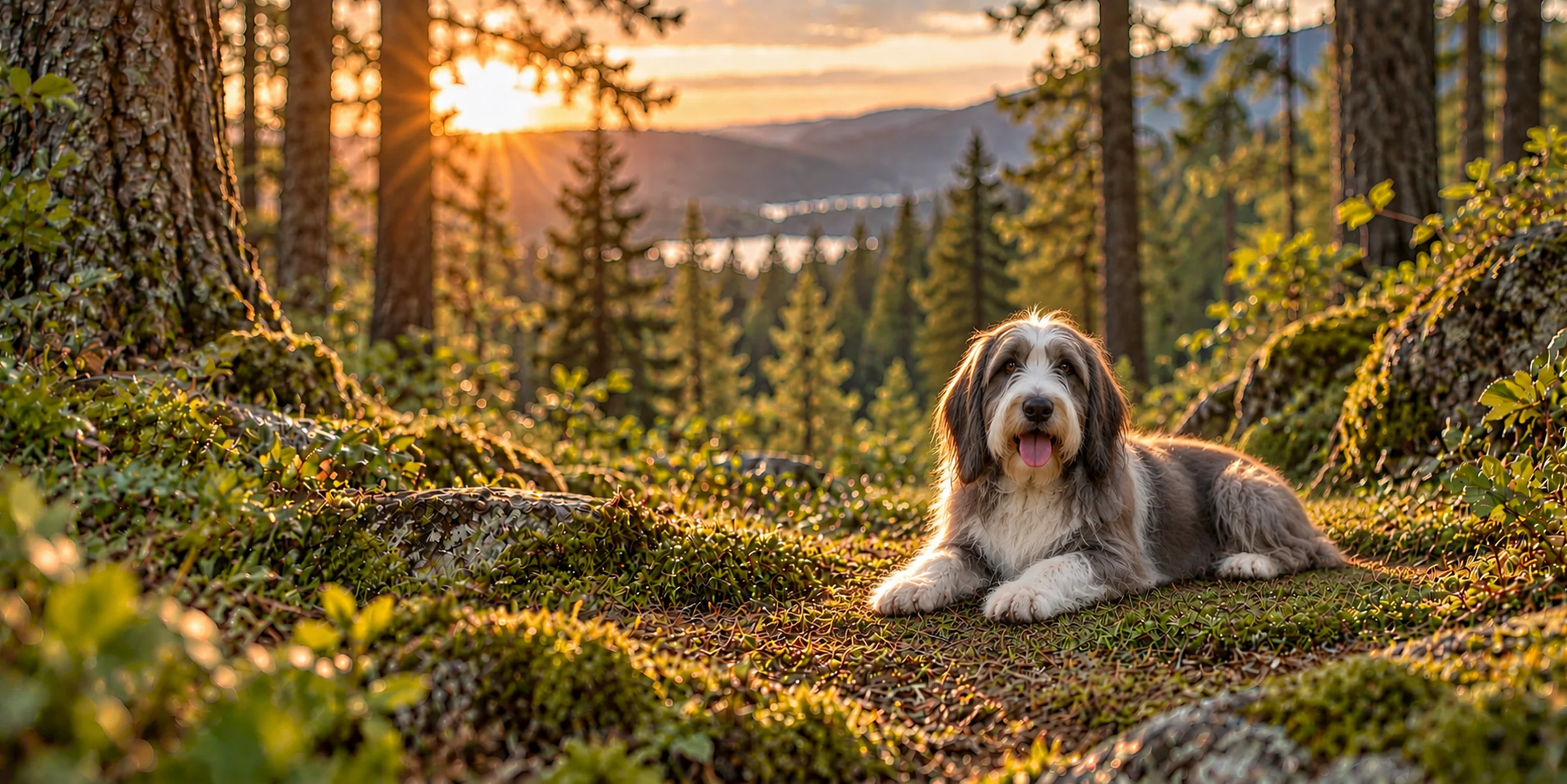
Bearded Collie
A close cousin in look and job, and old accounts link Polish sheepdogs to the Beardie's origins in Scotland. The Beardie is more outgoing and bouncy with everyone; the PON is more reserved with strangers and more of a watchdog.
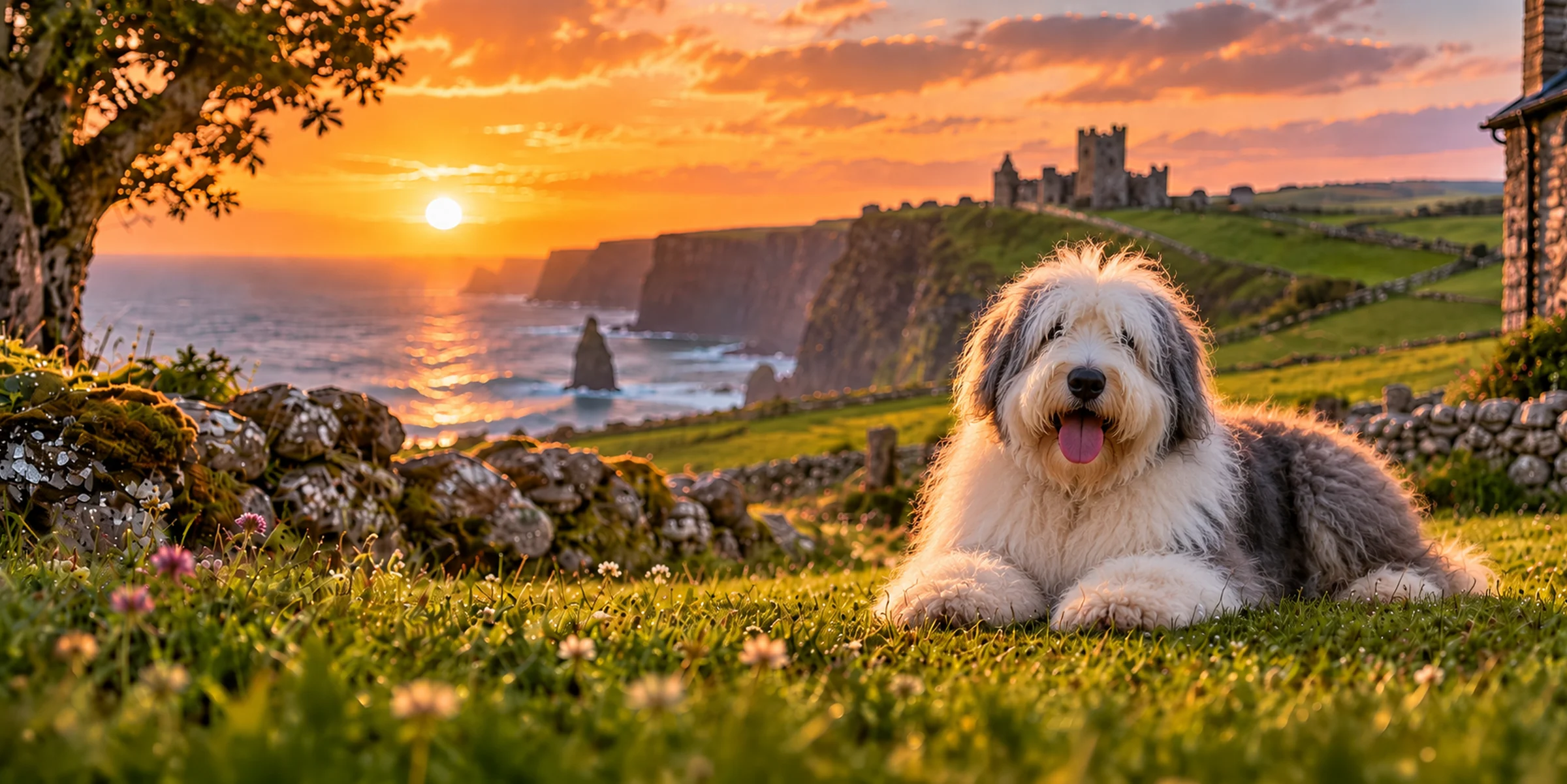
Old English Sheepdog
Another shaggy herder with a big grooming commitment. The Old English Sheepdog is considerably larger and more of a clownish, friendly family dog; the PON is smaller, sharper and warier of visitors.
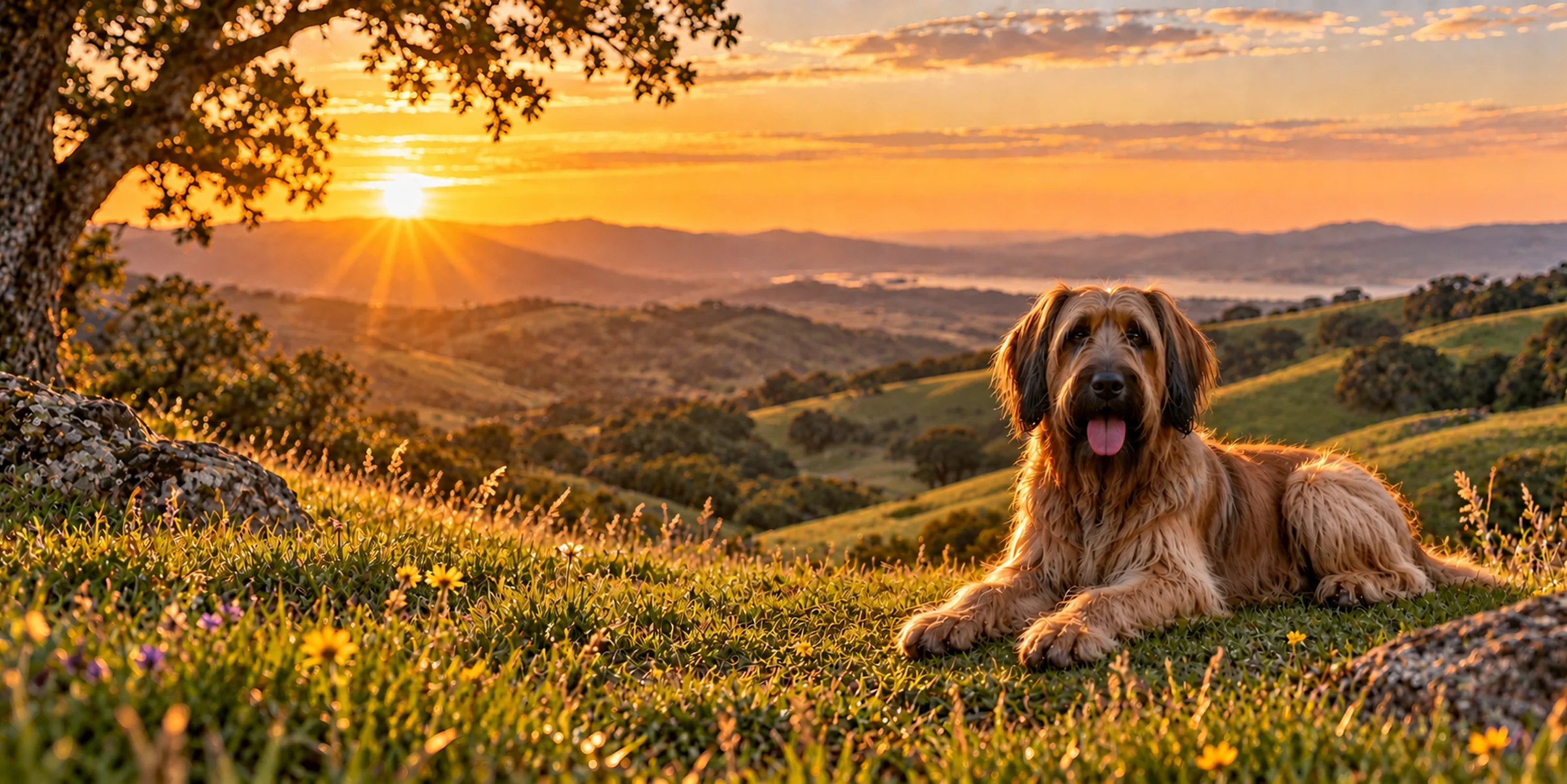
Briard
A French herder with a similar long coat and the same independent, protective streak. The Briard is far bigger and more intensely guarding; the PON offers much of the character in a medium-sized dog.