

small breed
Pug
A companion breed for well over a thousand years, first in China and then in the courts of Europe, and never given any job but company. That history built a dog who is affectionate, comic and happiest pressed against a person - on a face flattened enough that breathing is the central fact of owning them. Heat and humidity are dangerous, the eyes sit proud enough to injure, and the folds need wiping daily.

Pup Height
10-13 in

Pup Weight
14-18 lb
One size for both sexes: the standard asks for 14-18 lb and sets no height, so the 10-13 in figure is typical rather than official. A square, thickset, compact body - "multum in parvo", a lot of dog in a small space. Colors are silver, apricot-fawn or black; on the fawns the muzzle, ears, cheek moles and the trace line down the back should be as black as possible. The coat is fine, smooth, soft, short and glossy, and the tail curls tightly over the hip. Source: AKC breed standard.

Pup Lifespan
13-15 years
Your pup, at a glance
What’s Life With This Pup Really Like?

As high as it goes. Pugs were bred for nothing but company and want to be on a lap or at your feet all day.

Very good. Sturdy for a toy and endlessly tolerant, though children need teaching to keep hands and toys away from the eyes.

Very good. Usually friendly with other dogs and cats, with little prey drive; a rough, much bigger dog is a risk to their eyes.

Low. Pugs snort, grunt and snore far more than they bark.

Low to moderate. Playful bursts and short walks, capped by breathing and heat.

Heavy, despite the short coat. The double coat drops fine hairs year-round and more in spring and fall - expect it on clothes and furniture.

Clownish. Pugs love short, silly games and zoomies, then flop - watch that they do not play past their breathing.

Low. Not droolers, though the face gets messy after meals and water.

Moderate. Keen on food and on pleasing, but stubborn about anything that is not their idea, and slow to house-train.

Low. Pugs may announce a visitor, then greet them like an old friend.

Moderate. Quick brushing for the shed, plus daily fold cleaning and eye checks that cannot be skipped.

Moderate. Happy in small homes and busy households, but badly limited by heat and unhappy left alone.
Lifestyle fit
Could This Be Your Best Breed?
Pugs fit apartments, calm households, older owners and families with gentle children, and they ask for two short walks in the cool of the day rather than a hike. The number that decides it is $1,800 to $3,500 a year, most of it veterinary, across thirteen to fifteen years. If that is not in the budget, stop here - and if the house has no air conditioning in summer, stop there too.

Living Space
An apartment suits a Pug perfectly well, provided it stays cool. Pugs need very little room, but the flat face makes heat and humidity genuinely dangerous, so air conditioning in summer is part of the setup, not a luxury.

Pup Experience
Good for a first-time owner who wants a companion rather than an athlete, and who goes in ready to manage the health side - weight, heat, eyes and folds - and to be an informed advocate at the vet.

Daily Pup Time
Two short walks in the cool part of the day, some indoor play, a daily wipe of the face folds and a quick brush. The bigger commitment is company: Pugs want to be with their people most of the day.

Allergies & Coat
The Pug scores 8/10 for shedding and 3/10 for drooling. No dog is truly hypoallergenic. The allergens come from dander and saliva, and a dog that sheds this much will leave plenty of hair behind - especially on your furniture, floors, and clothes.
Quirks & challenges
The Not-So-Easy Stuff

Breathing Trouble
Snoring and snorting come with the face. Noisy breathing at rest, gagging or collapse after mild exercise do not - those need a vet.
Heat Can Kill
Pugs cannot pant off heat efficiently. No hot cars, no midday summer walks, and stop at the first sign of heavy panting.
Exposed Eyes
Big, prominent eyes scratch on branches and bump into things. Squinting, tearing or a cloudy patch is a same-day vet visit.
Food Obsessed
Pugs will eat anything and beg convincingly. Measure every meal and count treats, or the weight creeps on fast.
Home Alone Blues
Bred purely for company, Pugs often struggle when left for long days. Build up time alone gradually from puppyhood.
House-Training
Often slow, especially in cold or wet weather. A strict routine and frequent trips outside beat frustration.
The good, the bad & the hairy
Health, Care & Costs
Understanding the health risks and ongoing costs of a Pug helps you plan for a happy, healthy life together.

13-15 years
$40-$70
per bath and nail trim if used at all; most care is at-home brushing and fold cleaning ($0-$400/year)
$1,800-$3,500/year
all-in (food, routine vet, insurance, grooming supplies, incidentals), driven mainly by veterinary care

Health Risks
Conditions this breed is prone to.

Brachycephalic obstructive airway syndrome is the central health problem of the breed. Narrow nostrils, an over-long soft palate and a crowded throat restrict airflow, which shows as snoring, snorting, poor exercise tolerance and, in bad cases, collapse. The same airway cannot shed heat, so heatstroke can come on quickly and kill. Surgery to open the nostrils and shorten the palate helps many Pugs, and anesthesia carries more risk than in a long-nosed breed. Choose a puppy from parents with open nostrils and quiet breathing.
Shallow sockets and prominent eyes mean a knock, a bite or pressure on the neck can push an eye out of the socket - an emergency where minutes matter. Scratches and corneal ulcers are common, dry eye and pigment spreading across the cornea turn up often, and ulcers can deepen fast. Any squinting, tearing or cloudiness needs a vet the same day.
The nose wrinkle traps moisture, tears and food, and becomes red, smelly and infected if left alone. Wiping and thoroughly drying the fold every day prevents most flare-ups. Pugs are also prone to skin allergies and yeast infections elsewhere on the body.
Necrotizing meningoencephalitis is an inflammatory brain disease that usually strikes young adults, showing as seizures, circling, blindness or behavior changes, and it is often fatal. A DNA test for the associated risk markers exists, but it indicates risk, not diagnosis: dogs with two copies are more likely to develop the disease, many never do, and dogs with no copies can still be affected. Diagnosis needs MRI and spinal fluid analysis. Breeders use the result to lower risk across litters.
The tightly curled tail is linked to malformed tail vertebrae, and similar wedge-shaped bones can occur further up the spine, pinching the cord. Pugs are also prone to a progressive hind-limb weakness (constrictive myelopathy) and to disc disease. Wobbling, scuffing back feet or incontinence need a neurological workup. Keeping the dog lean and using a harness rather than a collar both help.
Loose kneecaps are common and show as an occasional skipping step; severe cases need surgery. Hip dysplasia is also frequent in the breed despite the small size. Obesity makes both worse, and it makes the breathing worse too - an overweight Pug struggles more with airway, heat and joints alike, so keeping the dog lean is the single most useful health measure an owner controls.

Insurance & Health Coverage
Read the brachycephalic wording before anything else. Some insurers exclude conditions linked to the flat face or load the premium for them, and in a Pug that covers the airway surgery, heatstroke treatment and much of the eye work - most of what you would actually claim for. Ask directly rather than assuming a general policy covers it.

The expensive claims tend to arrive suddenly. An eye proptosis or deep corneal ulcer can mean specialist surgery, BOAS surgery commonly runs into the thousands, and the neurological problems - pug dog encephalitis and spinal disease - need MRI before anyone can say what is wrong. Cover in place before the first incident is worth far more than cover taken out after something is on the record.

Dental disease and skin allergies are the steady background costs. Most policies treat dental cleaning as routine and exclude it, and every anesthetic carries extra risk in this breed, so budget for dental care as a planned cost.
 Get a Pet Insurance Quote
Care needs
The Daily Routine

Grooming
Brush a few times a week with a rubber curry brush or deshedding tool - the short double coat sheds heavily year-round and more at seasonal changes. Wipe and thoroughly dry the nose fold every day, check the eyes daily, clean the ears weekly and trim nails regularly. Baths every month or two are plenty.

Exercise
Modest: two walks of 15-20 minutes a day plus indoor play. Walk early or late in warm weather, stop at the first sign of heavy panting, and skip exercise entirely in heat and humidity. Most Pugs cannot swim well, so water needs close supervision.

Food & Weight
Pugs gain weight easily and never seem full, and every extra pound makes breathing, heat and joints harder. Measure meals, take training treats out of the daily ration and keep the dog visibly lean, with a waist. A slow feeder stops gulping, which on a flat-faced dog means less swallowed air.
Similar breeds
If This Isn’t Quite the One
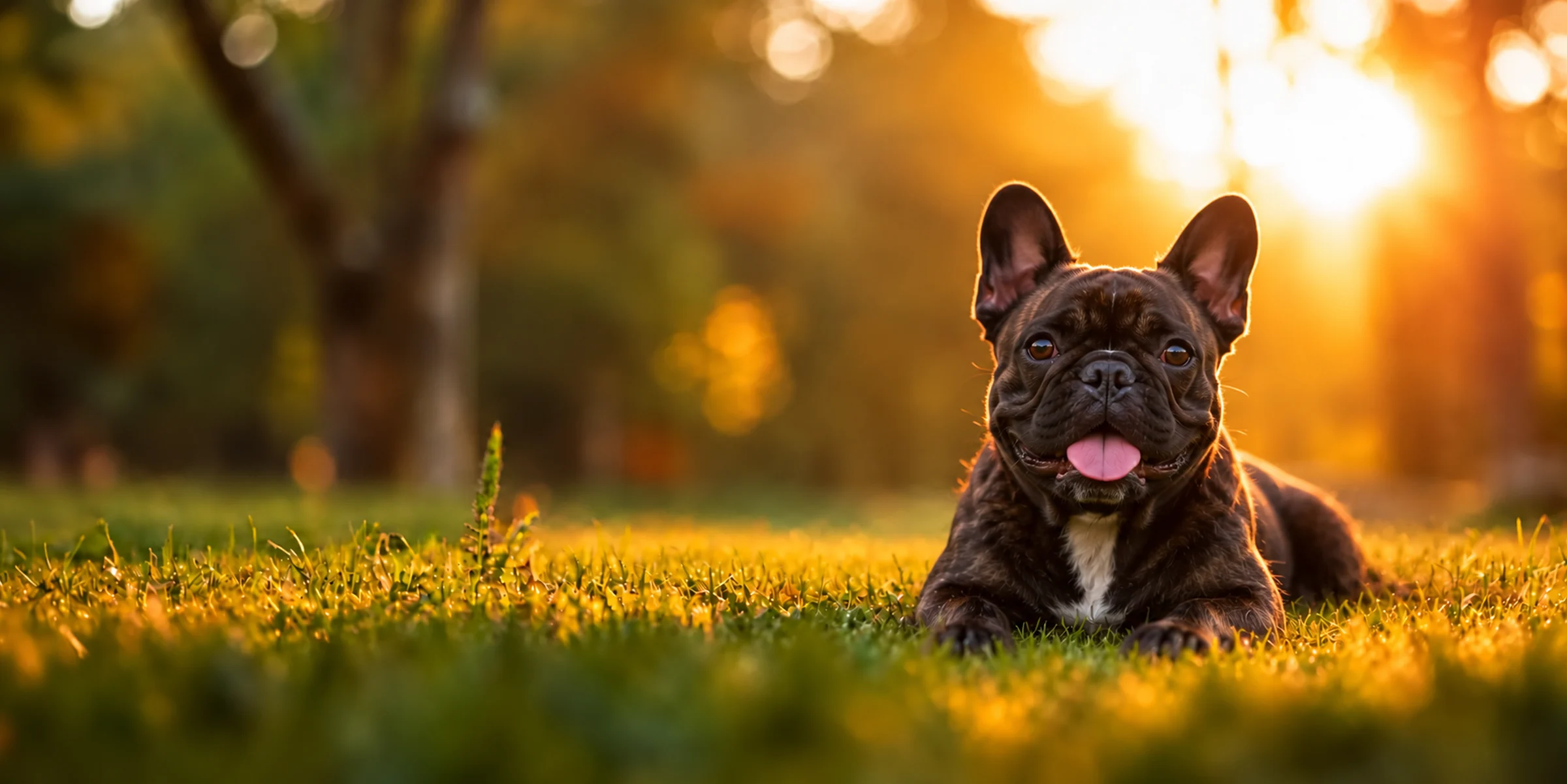
French Bulldog
Another flat-faced, low-energy companion with the same heat limits and airway concerns. The Frenchie is heavier, quieter and sheds less; the Pug is smaller, more openly sociable and sheds far more.
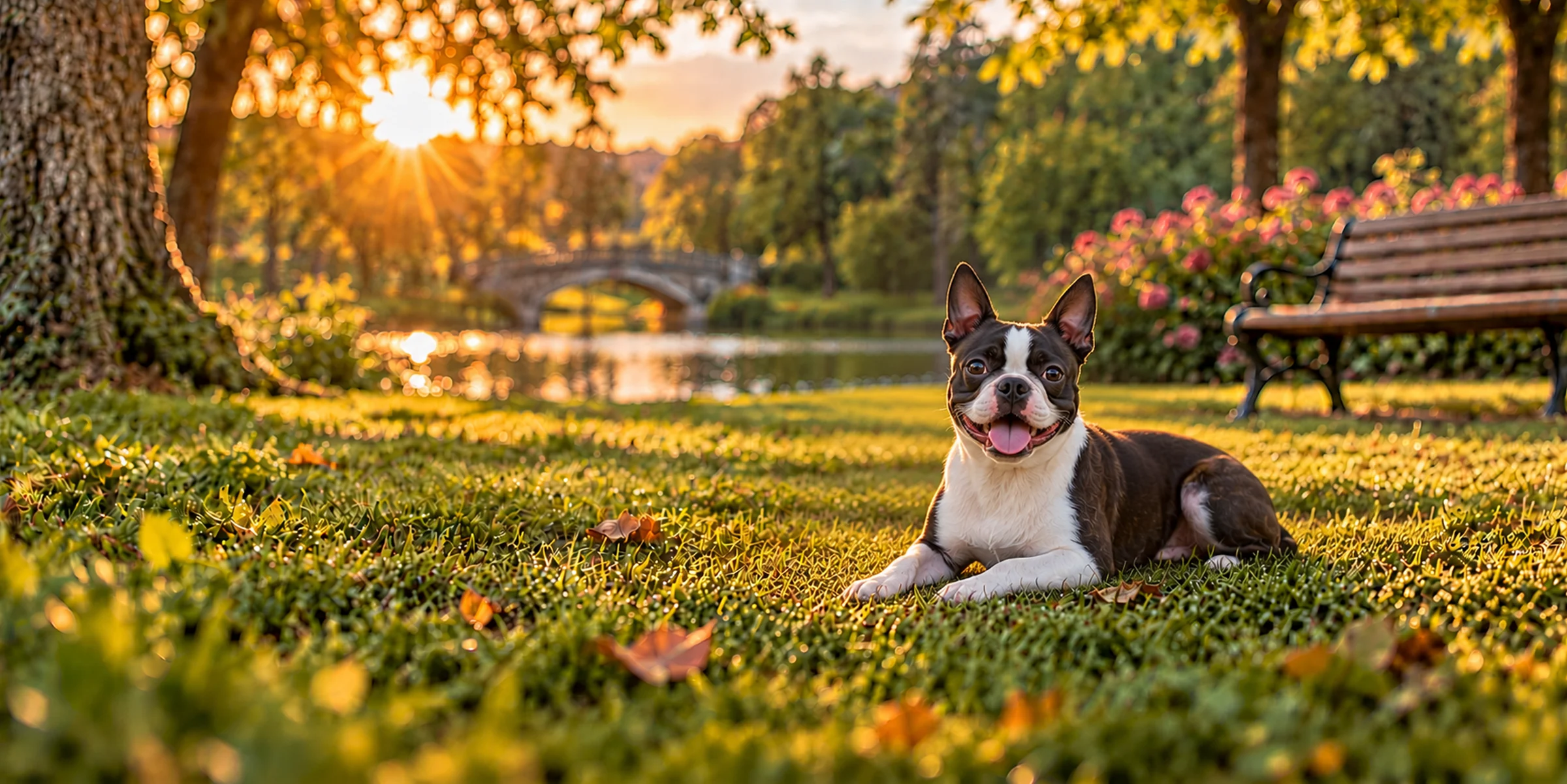
Boston Terrier
A short-faced, cheerful companion with a similar love of people. The Boston has a slightly longer muzzle, more energy and a much lighter shed; the Pug is more of a lapdog and more limited by heat.
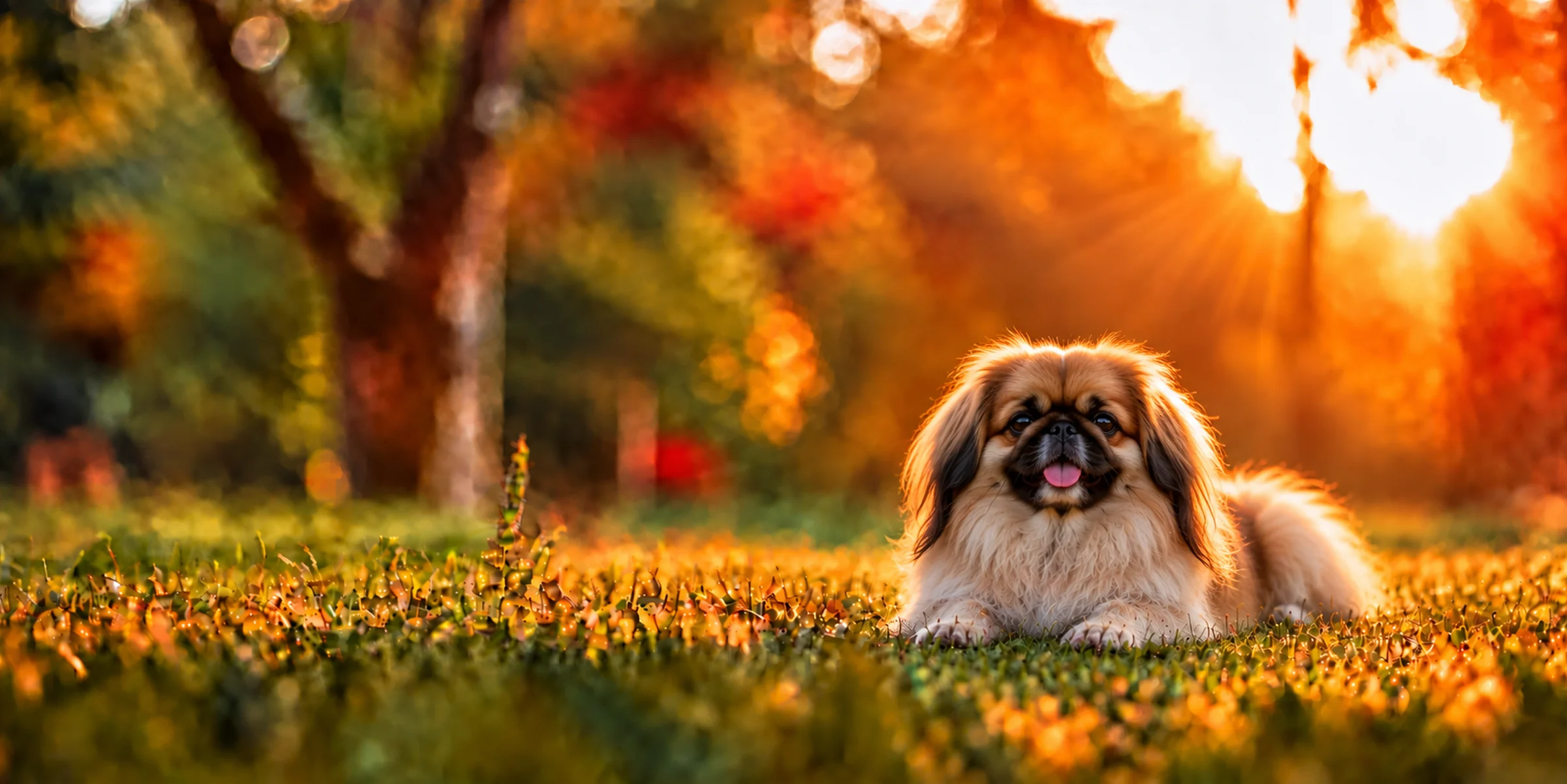
Pekingese
A flat-faced toy with the same eye exposure and heat sensitivity. The Pekingese is aloof, stubborn and heavily coated; the Pug is friendlier with everyone and far easier to groom.
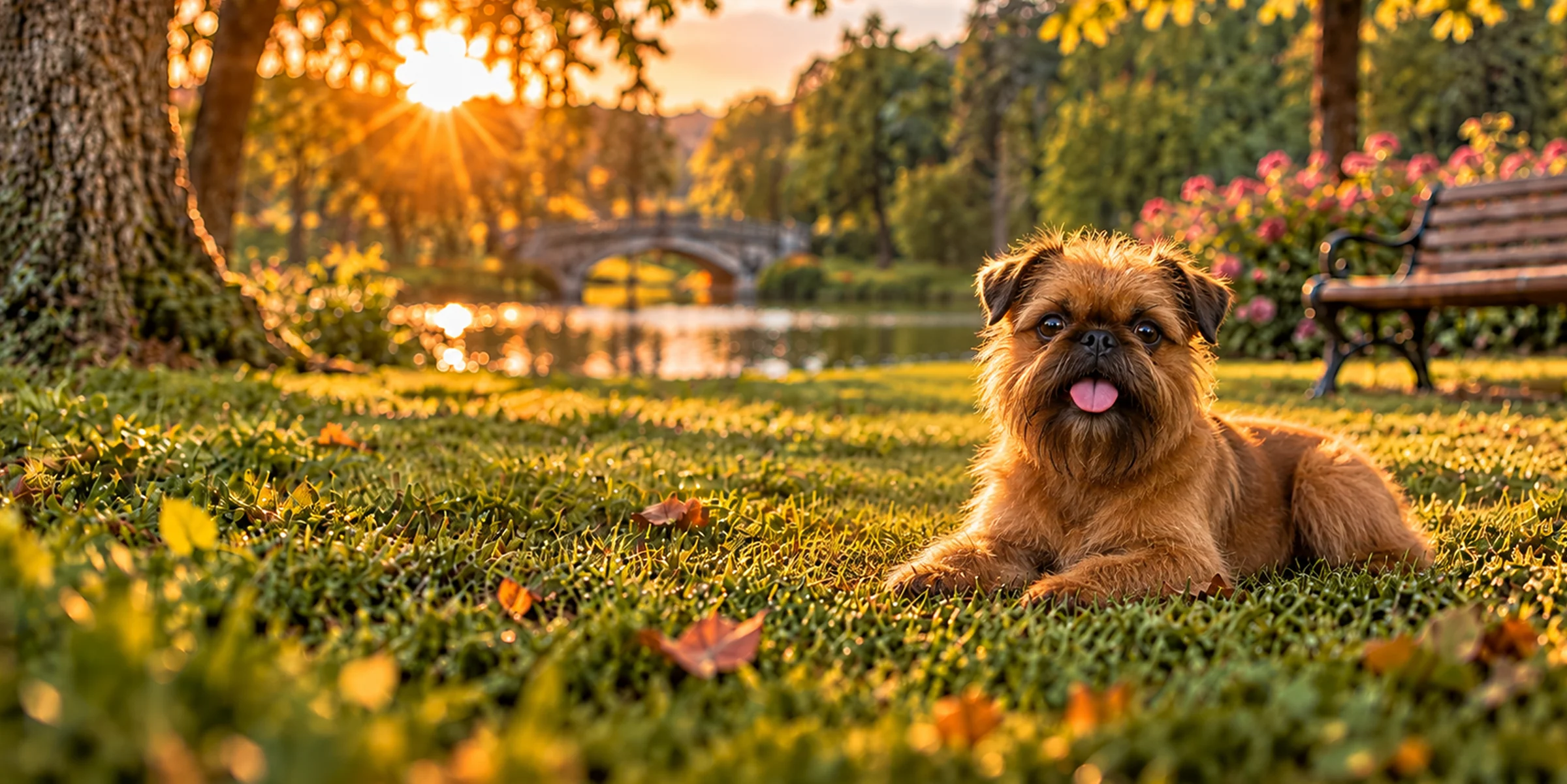
Brussels Griffon
A short-faced toy with Pug in the ancestry and the same devotion to one household. The Griffon is smaller, barkier and more terrier in attitude; the Pug is calmer, sturdier and more easygoing with strangers.
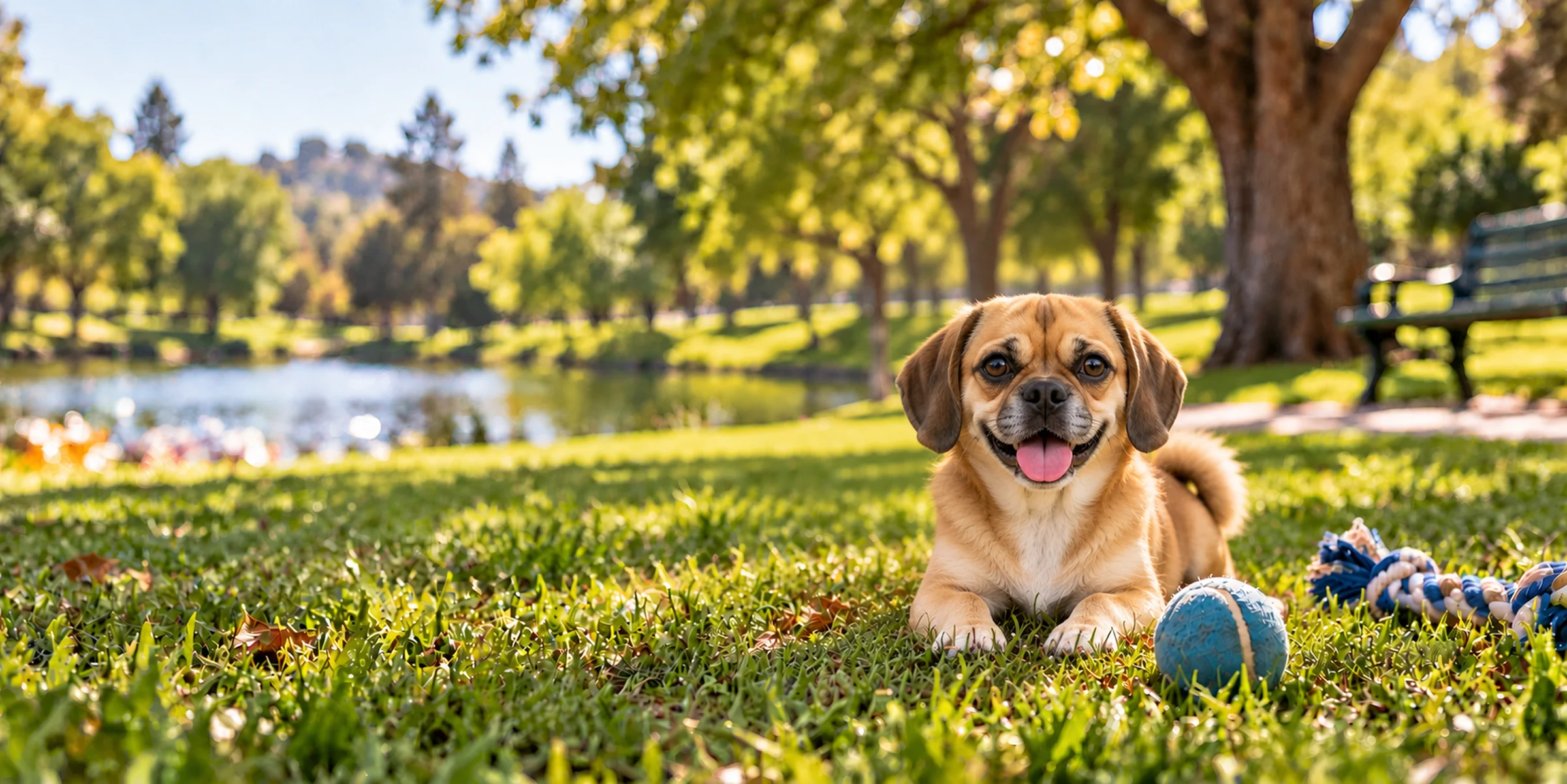
Puggle
The Beagle cross, and the pairing that actually does something for the face - a hound muzzle moderates the Pug's breathing, partially and by degrees rather than puppy by puppy. What comes with it is a hound: a bay, a nose, and a recall that stops working once a scent turns up.