

medium breed
Slovensky Kopov
Slovakia's national hound, bred in the Carpathians to find wild boar, hold them at bay and tell the hunter about it from a long way off. The Kopov is hardy, brave out of all proportion to forty pounds, famously healthy and almost tireless. Everything that makes them good at the work is what makes them hard to house: a huge voice, a prey drive that cats and poultry do not survive, and stamina an hour's walk does not touch.

Pup Height
16-20 in

Pup Weight
33-44 lb
Males 45-50 cm (about 17.5-19.5 in), females 40-45 cm (about 16-17.5 in), and 33-44 lb across both sexes, with 16 kg named as the ideal weight. Always black with brown to mahogany tan markings on the limbs; white markings are a fault and no other color is permitted. The coat is close-fitting, medium-coarse and about an inch or two long, longer over the back, neck and tail, with an undercoat that thickens in winter and must still be there in summer. FCI Group 6, Section 1.2, medium-sized hounds, with a working trial required. In the AKC's Foundation Stock Service. Source: FCI breed standard.

Pup Lifespan
12-13 years
Your pup, at a glance
What’s Life With This Pup Really Like?

Moderate. Affectionate and close with their own people once the working day is done, but this is a hound who settles near you rather than on you.

Good. Level and good-natured with children in the family, though the energy and the noise suit older kids far better than toddlers.

Poor. Kopovs work alongside other dogs, but cats, poultry and small pets sit on the wrong side of a prey drive bred for boar.

Very high. Giving tongue on a trail is the job, and the voice is deep, loud and designed to be heard a mile off.

Very high. Bred to follow a warm trail for hours, and an hour of walking does not come close to touching it.

Moderate. A short coat over a real undercoat that sheds steadily and turns over hard twice a year.

Keen and serious rather than silly. Nose games and tracking hold them; a thrown ball gets old fast.

Very low. A dry-mouthed hound with close-fitting lips.

Limited by design. Kopovs are bright and learn fast, but a hound bred to work hundreds of yards out makes their own decisions and will keep doing it.

High. Reserved with strangers, quick to announce them, and loud enough that nobody arrives unnoticed.

Very low. A weekly brush, the odd bath, and an ear and tick check after every outing in cover.

Very low. The voice, the prey drive and the working stamina make a Kopov a poor fit for anything but a hunting or serious scent-sport home.
Lifestyle fit
Could This Be Your Best Breed?
A Slovensky Kopov belongs on rural ground with a hunting household, or a seriously committed tracking one, and with an owner who has handled an independent working dog before. Feeding and grooming are cheap at $1,100 to $2,000 a year across twelve or thirteen of them, but two hours of daily nose work is not optional. Skip this one if the nearest neighbor is within earshot after dark.

Living Space
Rural ground, and ideally a hunting household. Slovensky Kopovs are not large, but the voice carries for a mile, the fencing has to be genuinely secure, and a dog bred to work a boar trail for hours does not unwind in an apartment or a small suburban yard.

Pup Experience
Experienced hunting or working-dog owners. The Kopov is intelligent and not difficult to live with once worked, but the independence is deep and deliberate - this is a hound bred to make decisions miles from the handler, and that is a poor first dog for anyone learning as they go.

Daily Pup Time
Two hours or more of real work daily, most of it nose work, plus ground secure enough to do it on. Grooming is a ten-minute brush once a week and an ear check after every outing.

Allergies & Coat
The Slovensky Kopov scores 5/10 for shedding and 2/10 for drooling. No dog is truly hypoallergenic. The allergens come from dander and saliva, and a dog that sheds this much will leave plenty of hair behind - especially on your furniture, floors, and clothes.
Quirks & challenges
The Not-So-Easy Stuff

Bred to Hunt Boar
A dog built to find, chase and bay an animal that can kill them. That courage does not switch off in a suburb.
A Voice Built to Carry
Giving tongue on a trail is the whole point of the breed, and it is loud, deep and meant to be heard a mile away. Close neighbors will hear all of it.
Recall Has Real Limits
A hound on a warm trail is working, not listening. Long lines, tracker collars and secure ground do the job that recall cannot.
Serious Prey Drive
Cats, chickens and small pets are rarely safe, and socialization softens this rather than solving it.
Stamina You Cannot Outlast
The standard selects for following a trail for hours. An hour's walk barely registers.
Not a Pet-Home Breed
Almost every Kopov alive is a working hunting dog, and breeders in Slovakia place puppies accordingly.
The good, the bad & the hairy
Health, Care & Costs
Understanding the health risks and ongoing costs of a Slovensky Kopov helps you plan for a happy, healthy life together.

12-13 years
$40-$60
per groom (bath, nails, ears), every 8-12 weeks or easily done at home ($0-$250/year)
$1,100-$2,000/year
all-in (food, routine vet, parasite prevention, insurance, incidentals)

Health Risks
Conditions this breed is prone to.

Worth saying first. The breed has never been popular enough to be bred for looks or volume, the FCI standard requires a working trial before breeding, and the inherited-disease list is genuinely short. The flip side is a small population and almost no formal screening data, so there are no breed-specific DNA tests and little published health surveying to lean on.
The hip joint develops loosely so the ball grinds in the socket rather than gliding, ending in arthritis. Rates look low for a working hound of this size, and both parents should still have scored hips - ask, because testing is not universal in the breed's home clubs.
The likeliest reason a Kopov sees a vet, and not inherited at all. A boar's tusks cause deep punctures and gore wounds to the chest and legs, and rough cover adds torn pads, lacerations and the occasional ruptured cruciate. Repairs run into the thousands.
Drop ears carried flat against the head trap warmth and moisture, and a dog working wet forest all day makes that worse. Weekly checking, cleaning and drying is the whole prevention; left alone it turns chronic.
Lyme, anaplasmosis, ehrlichiosis and babesiosis all come out of the same woodland this breed works in. Year-round preventive treatment and a tick check after every outing matter more here than in almost any companion breed.
The stomach fills with gas and twists, cutting off its own circulation, and it kills within hours without emergency surgery. The deep chest the standard asks for carries the risk - split meals and keep hard work clear of feeding.

Insurance & Health Coverage
This is a cheap breed to keep and an unusually healthy one, so the illness side of a policy should price well. Insure young anyway, while the record is clean.

What you are insuring is trauma, not disease. A hound working boar collects puncture wounds, gore injuries and torn ligaments, and those claims arrive without warning and in the thousands. Check the exclusions before the premium: several policies refuse injuries sustained while hunting or working, and that single clause removes exactly the cover this dog needs.

Underneath the big claims sits the steady drip - ear infections, tick-borne illness, stitched cuts and removed grass awns. Small bills, over and over, and worth knowing whether the policy's annual limit and per-condition caps have room for a dog who works in the woods every week.
 Get a Pet Insurance Quote
Care needs
The Daily Routine

Grooming
About as easy as a coat gets. A short, dense, close-fitting jacket over an undercoat that needs a brush once a week, and more like twice a week through the spring and fall turns. Baths are occasional. The routine that actually matters is the post-outing check: ears cleaned and dried, ticks combed out, and a look over the chest and legs for cuts and punctures picked up in cover.

Exercise
Two hours or more daily, and the scent half is not optional. Tracking, mantrailing, long hikes on secure ground and real field work all suit the breed; road walking on a leash does nothing for a dog bred to solve scent problems for hours on end.

Food & Weight
Cheap to feed for the work delivered - two measured meals scaled to the season, generous through a hunting winter and cut back sharply when the dog is idle. Kopovs run lean and should stay that way, and hard exercise belongs well clear of meals given the bloat risk.
Similar breeds
If This Isn’t Quite the One
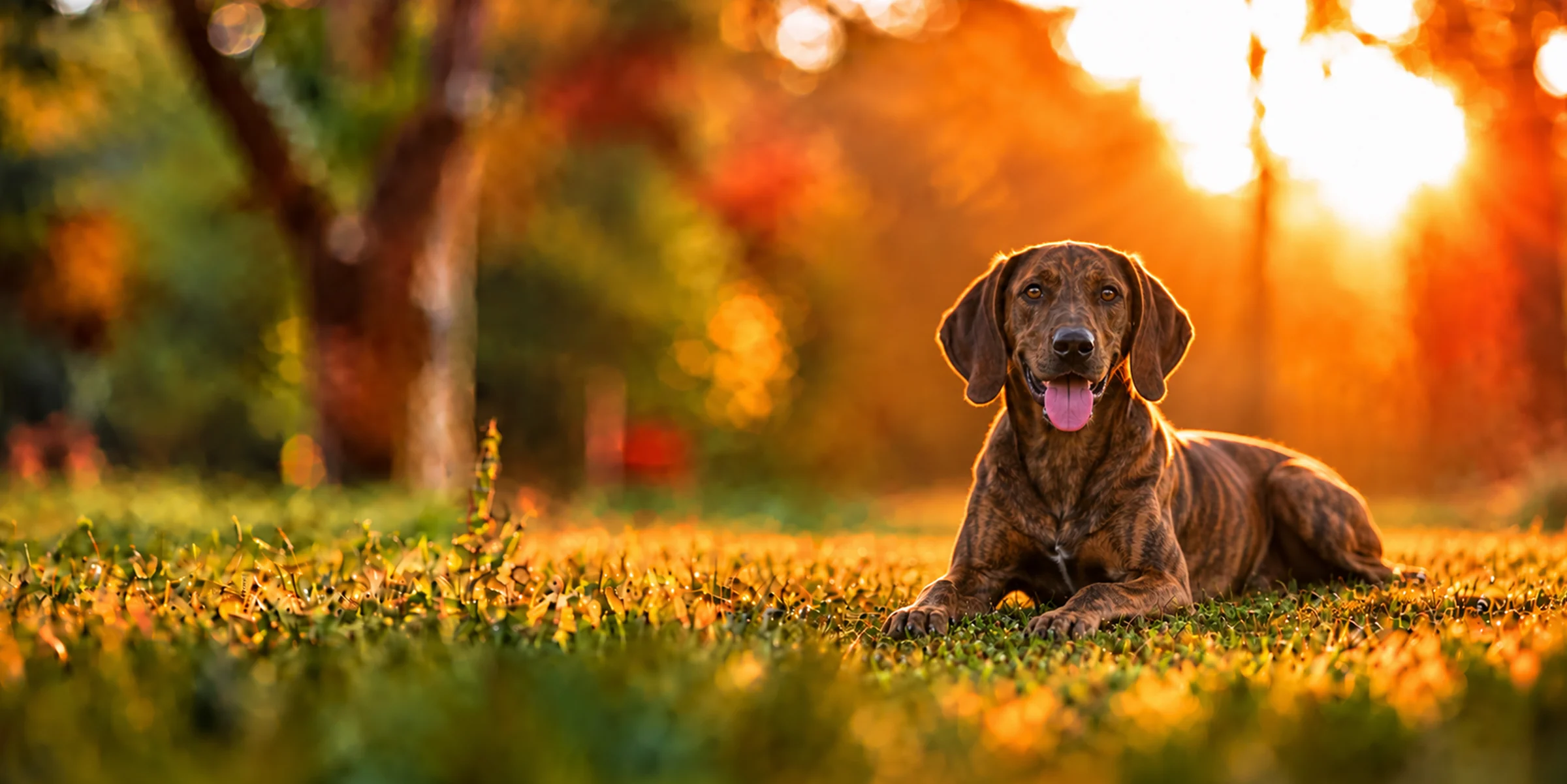
Plott Hound
The closest job match here - an American mountain hound bred to trail and bay wild boar and bear, and just as brave about it. Plotts are brindle, a little taller, tree their quarry and are easier to find in the US; the Kopov is always black and tan and is rare outside Slovakia.
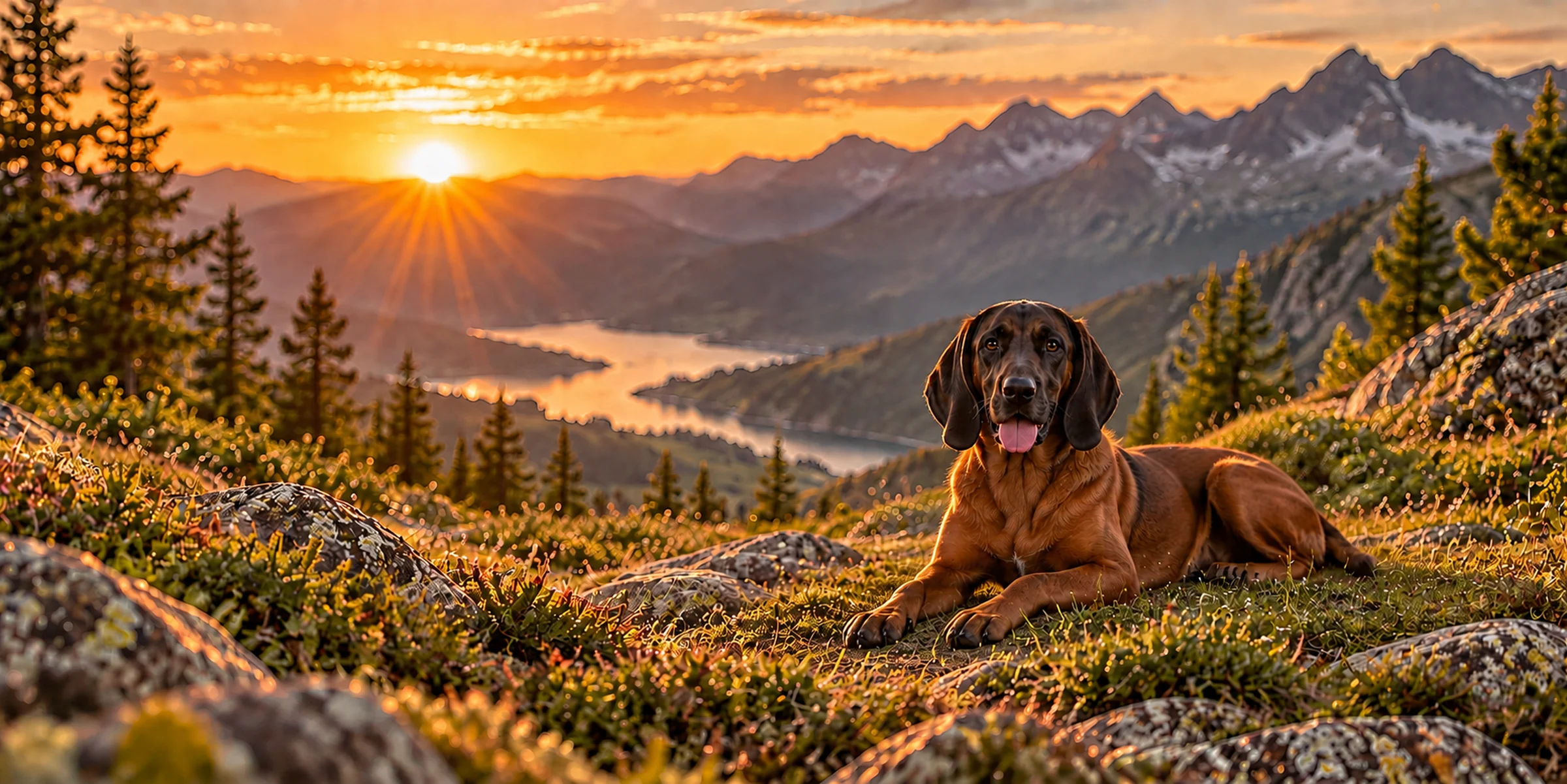
Bavarian Mountain Scent Hound
Another Central European forest hound in the AKC's Foundation Stock Service, but the opposite half of the hunt: the Bavarian follows a cold blood trail quietly on a long line after the shot, while the Kopov finds live boar and bays loudly to hold them.
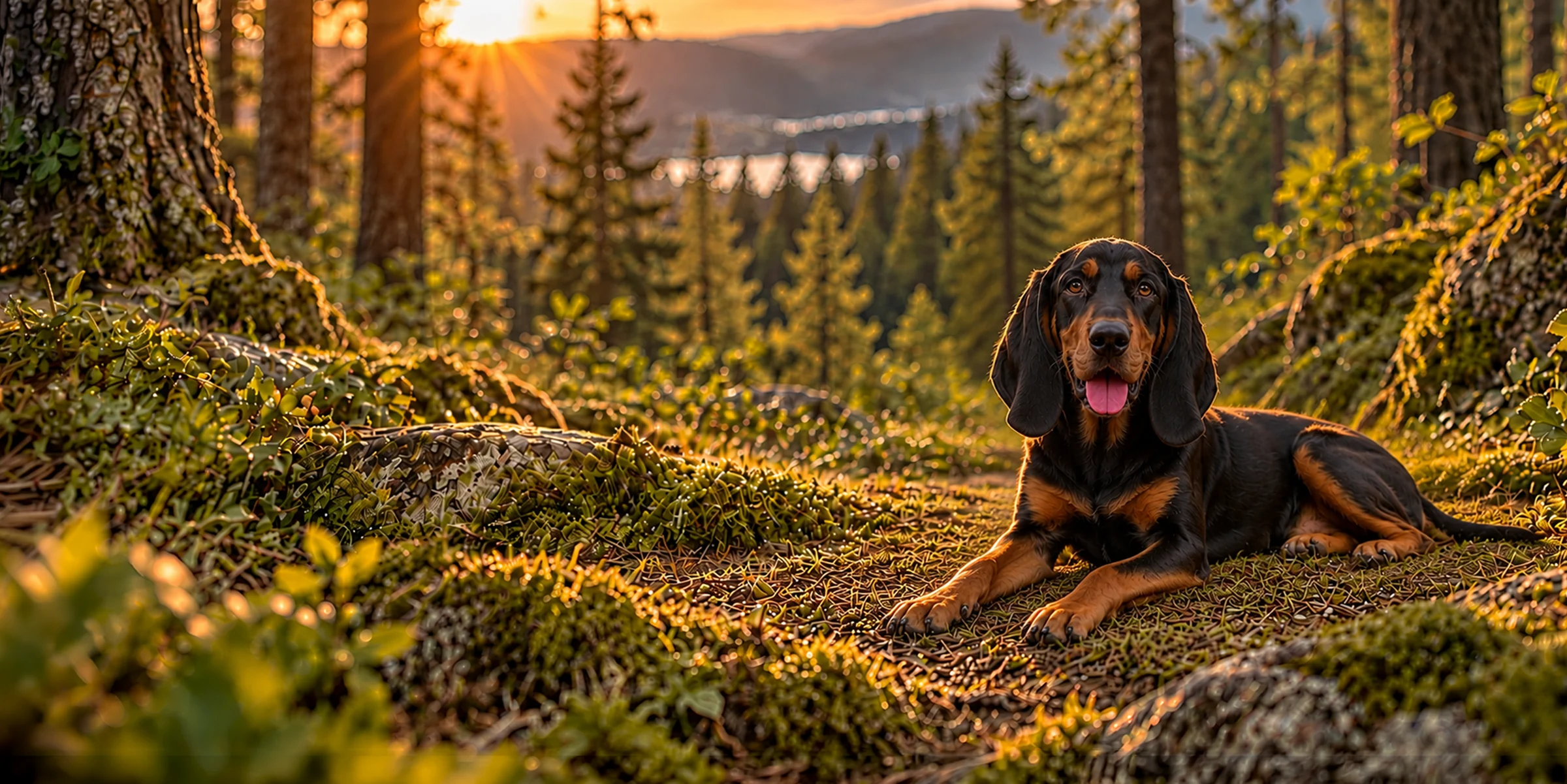
Black and Tan Coonhound
The same black-and-tan pattern and the same enormous carrying voice, on a much bigger and considerably lazier dog. The Coonhound trails raccoon and trees them; the Kopov weighs half as much, faces an animal that fights, and is far more driven at home.
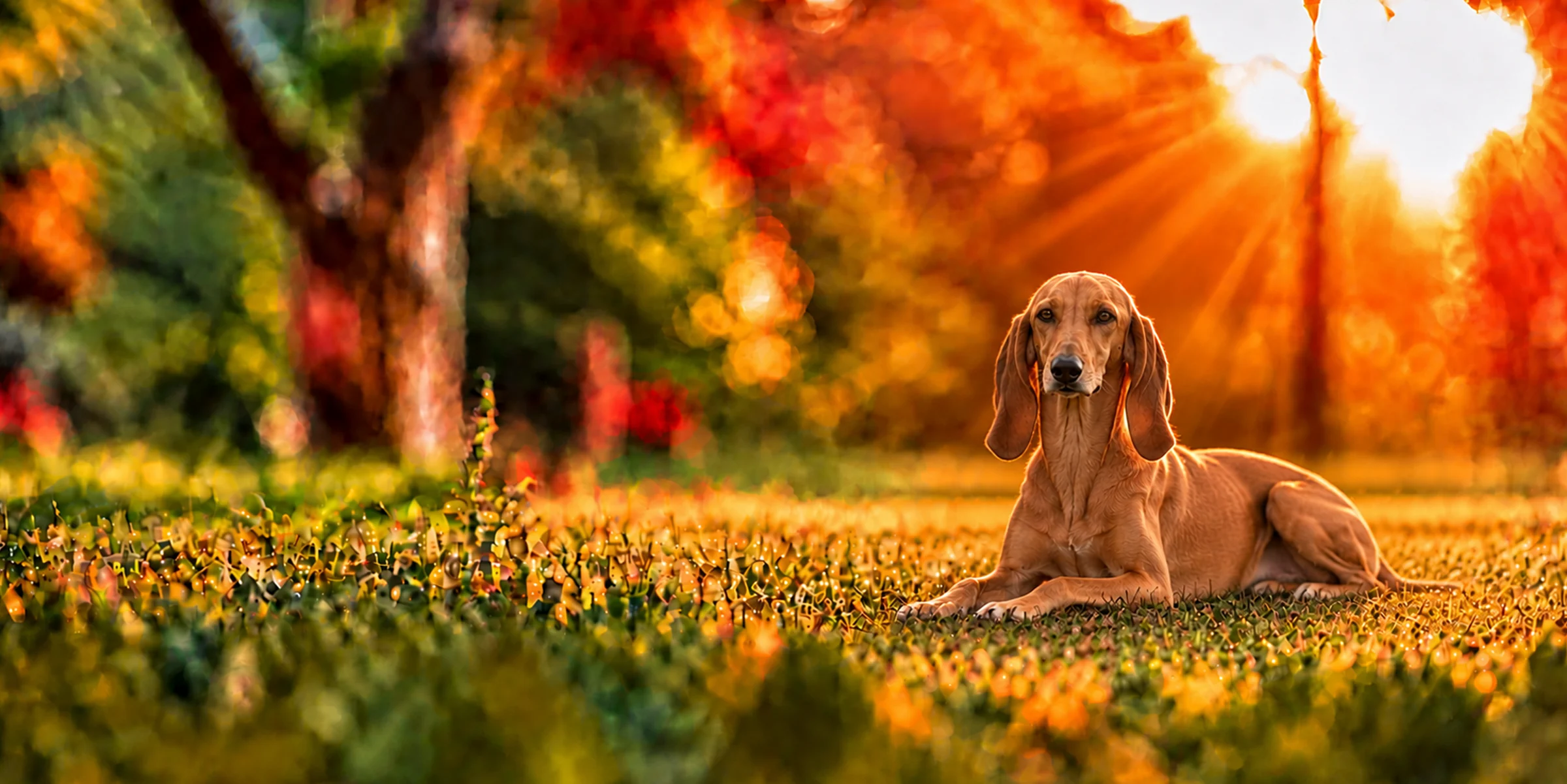
Segugio Italiano
A comparably rare European scenthound with a voice Italian hunters prize just as highly. The Segugio mostly hunts hare, is gentler and calmer indoors, and adapts to a non-hunting active household rather better than the Kopov does.