

medium-to-large breed
Plott Hound
The state dog of North Carolina and one of the few American hounds with a traceable pedigree: Johannes Plott brought German hunting hounds over around 1750, and the family bred them in the Smoky Mountains for generations to trail and tree bear and boar. What came out of that is a tough, tireless, surprisingly affectionate dog who is easy company indoors and completely unavailable outdoors once a scent starts.

Pup Height
20-25 in

Pup Weight
40-60 lb
Males 20-25 in and 50-60 lb, females 20-23 in and 40-55 lb. A smooth, fine, glossy coat, short to medium in length, sometimes with a slight undercoat. Any shade of brindle - from yellow, tan and red through gray, blue and black - as well as solid black, brindle with a black saddle, black with brindle trim, and the rarer buckskin; a little white on the chest and feet is allowed. Recognized by the UKC in 1946 and by the AKC in the Hound Group in 2006. Source: AKC breed standard.

Pup Lifespan
12-14 years
Your pup, at a glance
What’s Life With This Pup Really Like?

Affectionate. Plott Hounds are loyal and like to be near their people, and a tired one is happy to share the couch.

Good. Usually patient and friendly with children they are raised with, though a young Plott is strong and bouncy around small kids.

Mixed. Generally fine with other dogs, but the prey drive makes cats and small animals a real risk.

High. Not a constant nuisance barker, but a loud bawl on a scent or when bored carries a long way.

High. Built to hunt rugged mountain ground all day, and restless without daily vigorous exercise.

Light. A short, smooth coat that sheds modestly, a little more with the seasons.

Busy and nose-led. Plotts would rather track, explore and chase than fetch a ball on repeat.

Low. Some drool after drinking or around food, but far less than the heavier-lipped coonhounds.

Moderate. Smarter and more willing than many hounds, but a strong scent will outrank a cue.

Moderate. A Plott Hound will sound off at strangers and has the courage to back it up, but is not a guard dog.

Minimal. A weekly brush, regular ear checks and nail trims cover most of it.

Low. The voice, the nose and the exercise needs make apartments and busy suburbs hard work.
Lifestyle fit
Could This Be Your Best Breed?
Plott Hounds belong in rural or semi-rural homes with a real fence, with hunting people or hikers who want a dog for all-day country, and with neighbors far enough away not to mind a bawl that carries. Budget $1,500 to $3,000 a year for twelve to fourteen. Anyone picturing an off-leash park dog, or a housemate for the cat, should be looking at a different hound.

Living Space
A rural or semi-rural home with a securely fenced yard. Plott Hounds are calm enough indoors once exercised, but a nose built to follow a bear over a mountain does not switch off for a suburban street, and the voice carries.

Pup Experience
Best with someone who has had hounds before, or a committed first-timer willing to learn how scent hounds think. The breed is smart and loyal, but independent on a trail and not wired to check back in.

Daily Pup Time
An hour or more of real exercise every day - long leashed hikes, running on a long line, scent games or actual hunting - plus very little grooming.

Allergies & Coat
The Plott Hound scores 3/10 for shedding and 3/10 for drooling. No dog is truly hypoallergenic. The allergens come from dander and saliva, and a coat that sheds this little leaves far less of them on your furniture, floors, and clothes.
Quirks & challenges
The Not-So-Easy Stuff

Nose Rules
Once a Plott Hound picks up a scent, recall mostly stops working. Off-leash walking in open country is a gamble.
Loud Voice
A carrying bawl and chop built for the woods. Boredom or an animal in the yard can set it off.
Strong Prey Drive
Bred to chase bear and boar, so cats, chickens and small pets need careful introductions or permanent separation.
Escape Artists
Determined diggers and climbers when something interesting is on the far side. Fences need to be tall and checked.
Independent Streak
Smart, but used to making decisions on a trail. Training takes patience and good rewards rather than repetition alone.
Needs Real Exercise
An under-exercised Plott Hound gets restless, noisy and destructive. A short walk around the block is not enough.
The good, the bad & the hairy
Health, Care & Costs
Understanding the health risks and ongoing costs of a Plott Hound helps you plan for a happy, healthy life together.

12-14 years
$40-$70
per groom (bath, nails, ears), a few times a year or done at home ($0-$250/year)
$1,500-$3,000/year
all-in (food, routine vet, grooming, insurance, incidentals)

Health Risks
Conditions this breed is prone to.

The stomach fills with gas and can twist, cutting off circulation, and it is fatal within hours without emergency surgery. Plotts are deep-chested, so split meals and keep hard exercise away from feeding.
The hip joint forms loosely and wears into arthritis over time. It is not common in the breed, but responsible breeders screen parents with OFA or PennHIP hip evaluations.
Long, hanging ears trap moisture and debris, especially after hunting or swimming. Check and clean them weekly and dry them after water.
A rare inherited enzyme deficiency (beta-glucuronidase) that causes severe skeletal deformity and difficulty walking within the first months of life. It is recessive, and a DNA test exists for the mutation found in the breed, so tested parents can avoid producing affected puppies.
Plotts that work bear and boar get cuts, punctures and broken bones, and toenail and pad damage is common on rough ground. Hunting owners should carry a first-aid kit and expect the occasional emergency vet bill.
A hound built for long days in the mountains gains weight quickly on a pet-level exercise routine. Extra pounds add strain to joints, so measure food and keep them lean.

Insurance & Health Coverage
Plott Hounds are a healthy breed with few known inherited problems, so the case for insurance here is mostly about accidents rather than genetics.

For a working dog, that case is strong. Injuries from bear and boar, falls on rough ground and swallowed objects are the claims most owners actually make, and emergency surgery runs into the thousands. Check that a policy covers accidents during hunting or field work, since some exclude working dogs.

Bloat is the other claim to plan for: it is an emergency with little warning, and treatment can cost several thousand dollars. Insure young, before anything lands on the record as pre-existing, and ask the breeder for hip results and an MPS VII DNA result on both parents.
 Get a Pet Insurance Quote
Care needs
The Daily Routine

Grooming
A short, smooth coat that sheds lightly and needs only a quick brush with a rubber curry once a week and an occasional bath. Check and clean the ears weekly, trim nails regularly, and look over the feet and coat for cuts and ticks after time in the woods.

Exercise
At least an hour of vigorous exercise a day, ideally more. Plotts do best with hunting, long hikes, running on a long line or structured scent work. Exercise off leash only in a securely fenced area - a Plott Hound on a scent will not come back just because they were called.

Food & Weight
A good-quality diet for an active medium-to-large dog, measured and adjusted to the workload - hunting season and the off season need different amounts. Keep them lean, feed two meals rather than one, and avoid hard exercise right before or after eating because of the bloat risk.
Similar breeds
If This Isn’t Quite the One
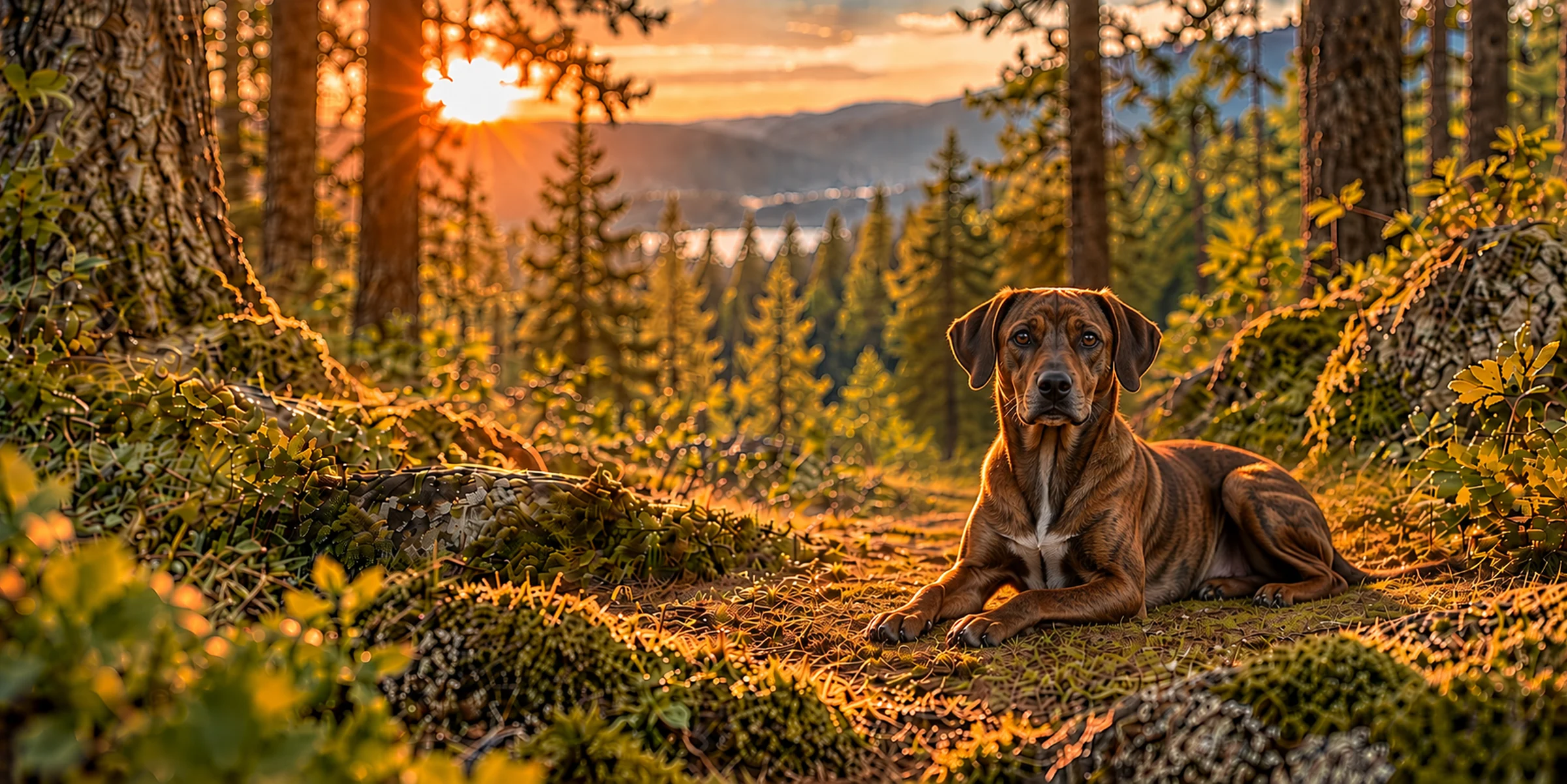
Mountain Cur
Another Appalachian treeing dog used on bear and hog. The Mountain Cur hunts with less voice and more independence and doubles as a homestead guardian; the Plott Hound is more of a true hound, with a louder trail voice and a more sociable temperament.
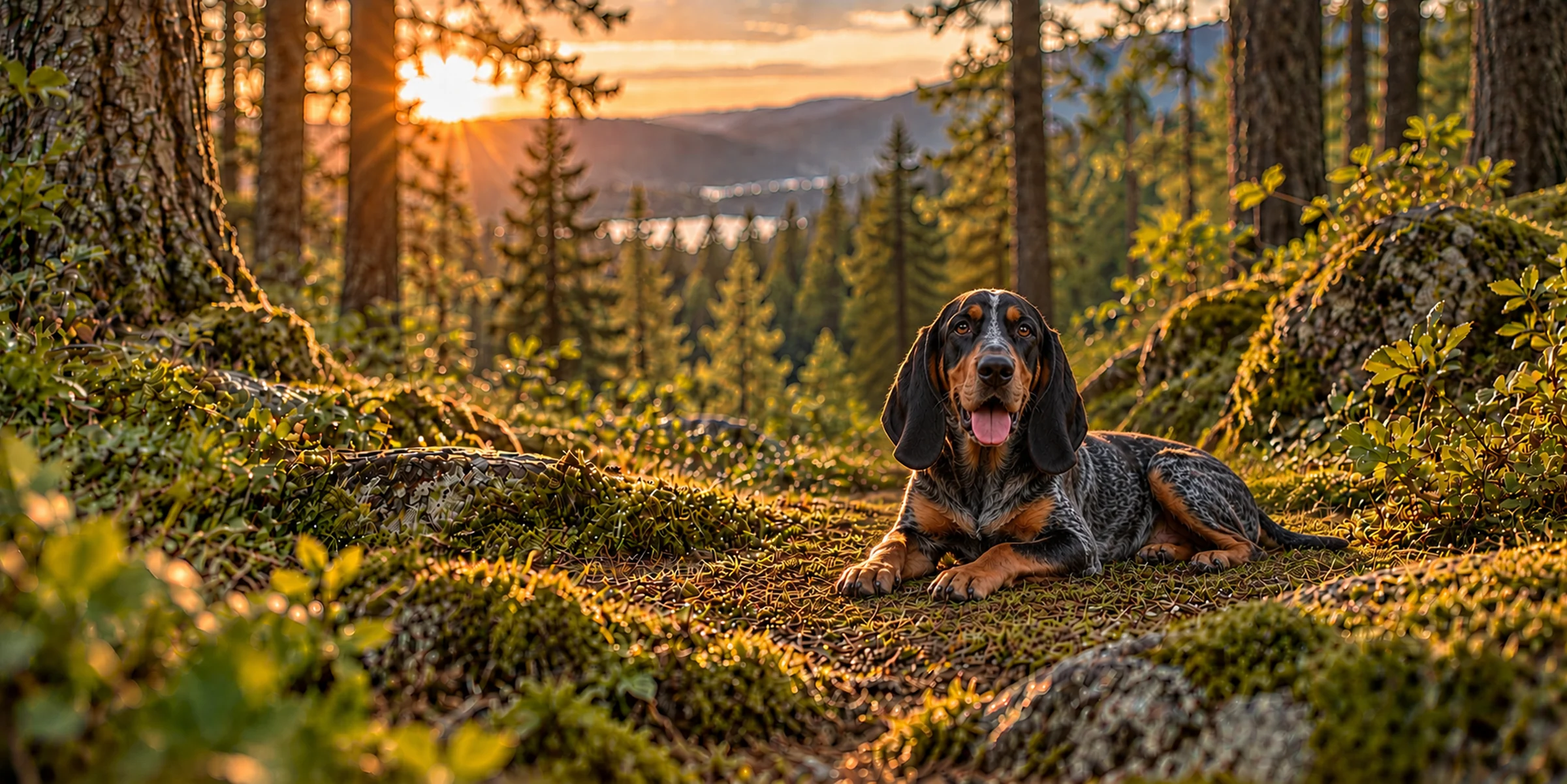
Bluetick Coonhound
A fellow American treeing hound with a big nose and a bigger voice. The Bluetick is a slower, cold-nosed raccoon specialist and even louder; the Plott Hound is a bolder big-game dog and generally a little more biddable.
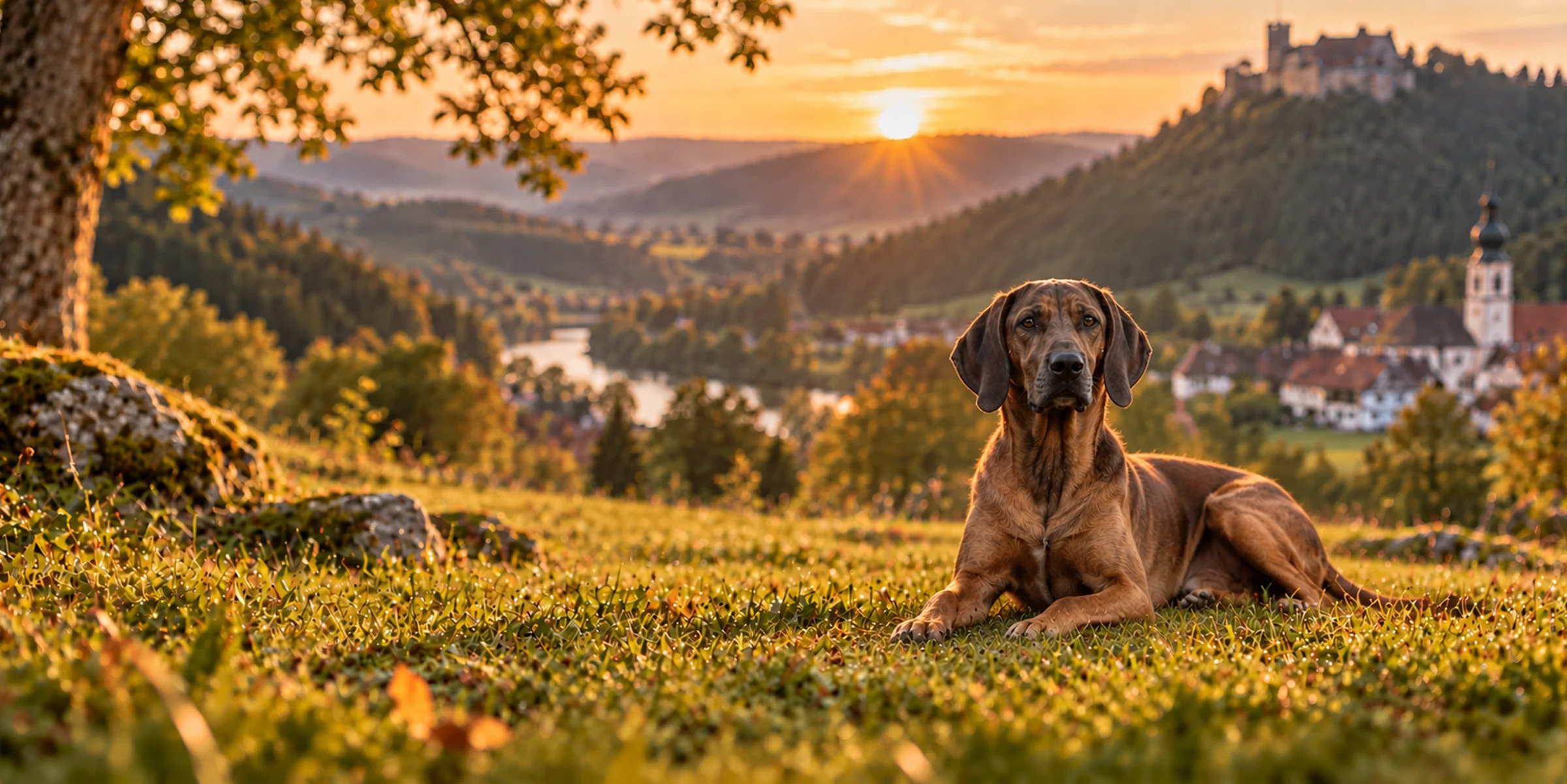
Hanoverian Scenthound
The German blood-tracking hound the Plott line is said to descend from. The Hanoverian is heavier, rarer and bred to trail wounded deer for a single handler; the Plott Hound is lighter, more widely available and bred to chase and tree live game.
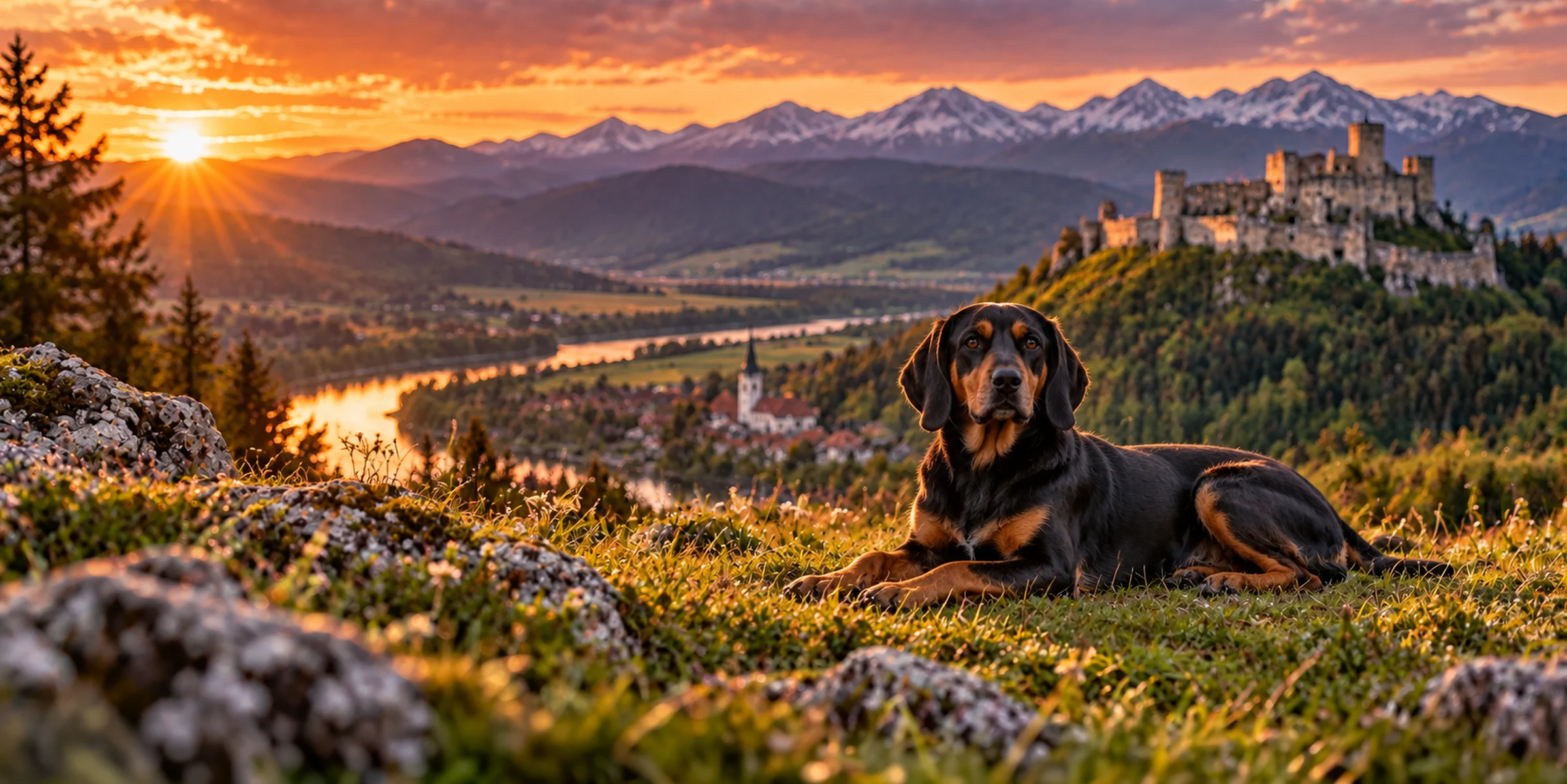
Slovensky Kopov
The Slovak boar hound, doing the same job in the Carpathians that a Plott does in the Appalachians. Kopovs bay and hold rather than tree, are lighter at 33-44 lb, and are almost never kept as pets even in Slovakia.