

small breed
Yorkshire Terrier
A Victorian mill dog turned lap dog: Scottish weavers brought their terriers south to the Yorkshire mills, and the small ratters that came out of the mix were tidied into a show breed within a generation. Yorkies are bold, busy, opinionated and utterly attached to one person, and far more terrier than seven pounds suggests. The honest costs are the coat, the teeth and the fragility - all three are daily work, not occasional.

Pup Height
7-8 in

Pup Weight
not exceeding 7 lb
One size for both sexes: the standard caps weight at seven pounds and sets no minimum, which is why "teacup" is a marketing word rather than a variety the standard recognizes. Puppies are born black and tan and clear with age to a dark steel blue running from the back of the skull to the root of the tail, with bright golden tan on the head, chest and legs. The coat is glossy, fine and silky, perfectly straight, and on the body it is grown to floor length and trimmed level with the ground. The fall of hair on the head is tied in one topknot or parted and tied in two. Source: AKC breed standard.

Pup Lifespan
11-15 years
Your pup, at a glance
What’s Life With This Pup Really Like?

Very high. Yorkies attach hard to one or two people and would spend the whole day on a lap if allowed.

Mixed. The temperament is fine with calm older children, but a five-pound dog is breakable and a Yorkshire Terrier will snap back when handled roughly. Toddlers are a poor match.

Depends on the work put in. Fine with dogs they grew up alongside, argumentative with unfamiliar ones regardless of size, and the ratting instinct is still live around hamsters and birds.

Very high. They announce every arrival, noise and passerby, and it is the single trait most worth training early.

Moderate. Busy in bursts and happy to nap between them, with most of the day's activity coming indoors.

Almost none. The silky coat grows rather than drops, which is why it needs combing and cutting instead of vacuuming.

Bold and comic. Yorkies chase, pounce and shake toys like the ratters they were, and stay playful well into old age.

None. A tidy, dry-mouthed little dog.

Moderate. Bright and food-motivated, and quick to learn what they see the point of - but housetraining is a genuine slog and stubbornness is part of the package.

Good as an alarm. Nothing gets past them, though the contribution ends at the noise.

High. Daily combing to keep a long coat sound, or a clip every four to six weeks instead, plus daily teeth, which matter more in this breed than any other routine.

High. They travel well, fit a small apartment easily and handle city life comfortably. The limits are cold weather and long days on their own.
Lifestyle fit
Could This Be Your Best Breed?
A Yorkshire Terrier is built for apartment life and for an owner who is around, who will brush daily or pay a groomer every four to six weeks - $500 to $1,100 a year on grooming alone - and who will brush a tiny mouth's teeth every single night. Housetraining takes months. Rethink the choice if the household includes toddlers and a lot of foot traffic - seven pounds does not survive being stepped on.

Living Space
An apartment suits a Yorkshire Terrier completely - seven pounds needs no yard and very little floor, and indoor play covers a good share of the exercise. Barking is what shared walls notice, and it is worth training from the first week rather than the first complaint.

Pup Experience
Fine for a first-time owner who goes in with their eyes open. The temperament is easy enough to live with; the work is practical - a silky coat that mats in days, teeth brushed daily, and housetraining that takes far longer than the internet suggests.

Daily Pup Time
Twenty to forty minutes of walking and play, plus daily brushing if the coat is kept long, daily tooth-brushing, and a groomer every four to six weeks for most owners.

Allergies & Coat
The Yorkshire Terrier scores 1/10 for shedding and 1/10 for drooling. No dog is truly hypoallergenic. The allergens come from dander and saliva, and a coat like this one holds on to them rather than spreading them around your home - which is what a groomer is clearing out every six to eight weeks.
Quirks & challenges
The Not-So-Easy Stuff

Barking Is the Default
Bred to sound off at anything that moved, and barking rewards itself every time it works. A quiet cue and early socialization are the whole answer.
Housetraining Takes Months
A tiny bladder, a real dislike of cold and wet, and accidents small enough to miss. Expect six months or more, with a schedule and an indoor potty as backup.
The Coat Is Daily Work
A floor-length show coat mats against the skin within days. Most owners clip it into a short trim every four to six weeks instead, and that is a sensible choice, not a failure.
Teeth Come First
A full set of teeth in a very small jaw crowds and builds tartar fast. Daily brushing and cleanings under anesthetic are the price of the breed.
Genuinely Fragile
A jump off the sofa, a misplaced foot or a stumble on the stairs can break a leg. Small children and Yorkies need supervision in both directions.
No Sense of Their Own Size
Yorkies pick fights with large dogs and chase what runs. A harness, a leash and secure ground are not optional.
The good, the bad & the hairy
Health, Care & Costs
Understanding the health risks and ongoing costs of a Yorkshire Terrier helps you plan for a happy, healthy life together.

11-15 years
$55-$90
per groom (bath, clip, ears, nails), every 4-6 weeks if kept short ($500-$1,100/year) - less if you keep the coat long and comb it out daily yourself
$1,200-$2,200/year
all-in (food, routine vet, grooming, dental, insurance, incidentals)

Health Risks
Conditions this breed is prone to.

The defining health cost of the breed, not a footnote. A full set of teeth crowded into a small jaw traps food and builds tartar quickly, and untreated it means painful gums, lost teeth and extractions under anesthetic in middle age. Daily brushing genuinely changes the outcome.
The kneecap slips out of its groove, showing up as a skipping step or a back leg carried for a stride or two. Very common in toy breeds. Mild grades are managed with weight control and muscle; severe ones need surgery in the low thousands. Breeding dogs should have a patella evaluation on record.
A blood vessel bypasses the liver so toxins are never filtered out, leaving a puppy who grows poorly, seems dull or disoriented after meals and may seize. Yorkshire Terriers carry a much higher rate than most breeds. A bile acid blood test finds it, surgery corrects many cases, and it is usually diagnosed in the first year.
The cartilage rings of the windpipe weaken and flatten, producing a dry honking cough that worsens with excitement, heat or pressure on the throat. It is managed rather than cured, and a harness instead of a collar is basic prevention from the day the puppy arrives.
The blood supply to the head of the femur fails in a young small-breed dog, so the bone dies and the hip joint collapses, usually between five and eight months. It shows as increasing lameness and pain in one back leg, and surgery followed by rehabilitation is the usual fix.
A toy puppy carries almost no energy reserve, so a skipped meal or a long stressful day can drop blood sugar into wobbliness, weakness or collapse within hours. It is an emergency. Frequent small meals through the first months prevent most episodes, and dogs bred deliberately undersized as "teacups" are the ones most at risk.

Insurance & Health Coverage
A cheap dog to feed and a surprisingly expensive one to keep well. The costs here are mostly small and repeating rather than catastrophic, with one large exception.

A liver shunt is that exception. Corrective surgery runs to several thousand dollars, it is usually found in the first year, and it is congenital - so a policy arranged after the diagnosis will not touch it. That is a strong argument for arranging cover the week the puppy comes home rather than after the first vet visit.

The rest is the toy-breed pattern: knee surgery in the low thousands, a hip that may need rebuilding before the first birthday, and a collapsing trachea managed with medication for years. Insure young, because a heart murmur or a slipping kneecap noted at two becomes a permanent exclusion for everything downstream of it.
Budget for the teeth separately. Cleanings under anesthetic every year or two are treated as routine by most policies and excluded outright, and over a fifteen-year life they will be the most predictable expense a Yorkshire Terrier owner has. Insurance is not the answer to that one - a toothbrush is.
 Get a Pet Insurance Quote
Care needs
The Daily Routine

Grooming
A single silky coat that grows continuously and mats against the skin if a brush only skims the surface. Kept long, it is a daily comb-through with a pin brush and a steel comb, plus a bath and blow-dry every week or two - a genuine show-coat routine that most owners try and then give up. The practical alternative is a short puppy clip every four to six weeks, which trades the daily hour for a groomer's bill. Either way: ears checked weekly, eyes wiped daily, nails kept short, and teeth brushed every single day.

Exercise
Twenty to forty minutes a day, and much of it can happen indoors. Yorkies are lively rather than athletic - a couple of short walks and a game of chase covers them. A sweater earns its keep in cold weather, and a harness rather than a collar protects the windpipe.

Food & Weight
Small frequent meals as a puppy, since a toy breed has almost no reserve and can go hypoglycemic within hours of missing one. As an adult, measure carefully and count the treats: a few extra biscuits on a six-pound dog is a large share of the day's intake, and extra weight sits badly on knees and hips already prone to trouble.
Similar breeds
If This Isn’t Quite the One
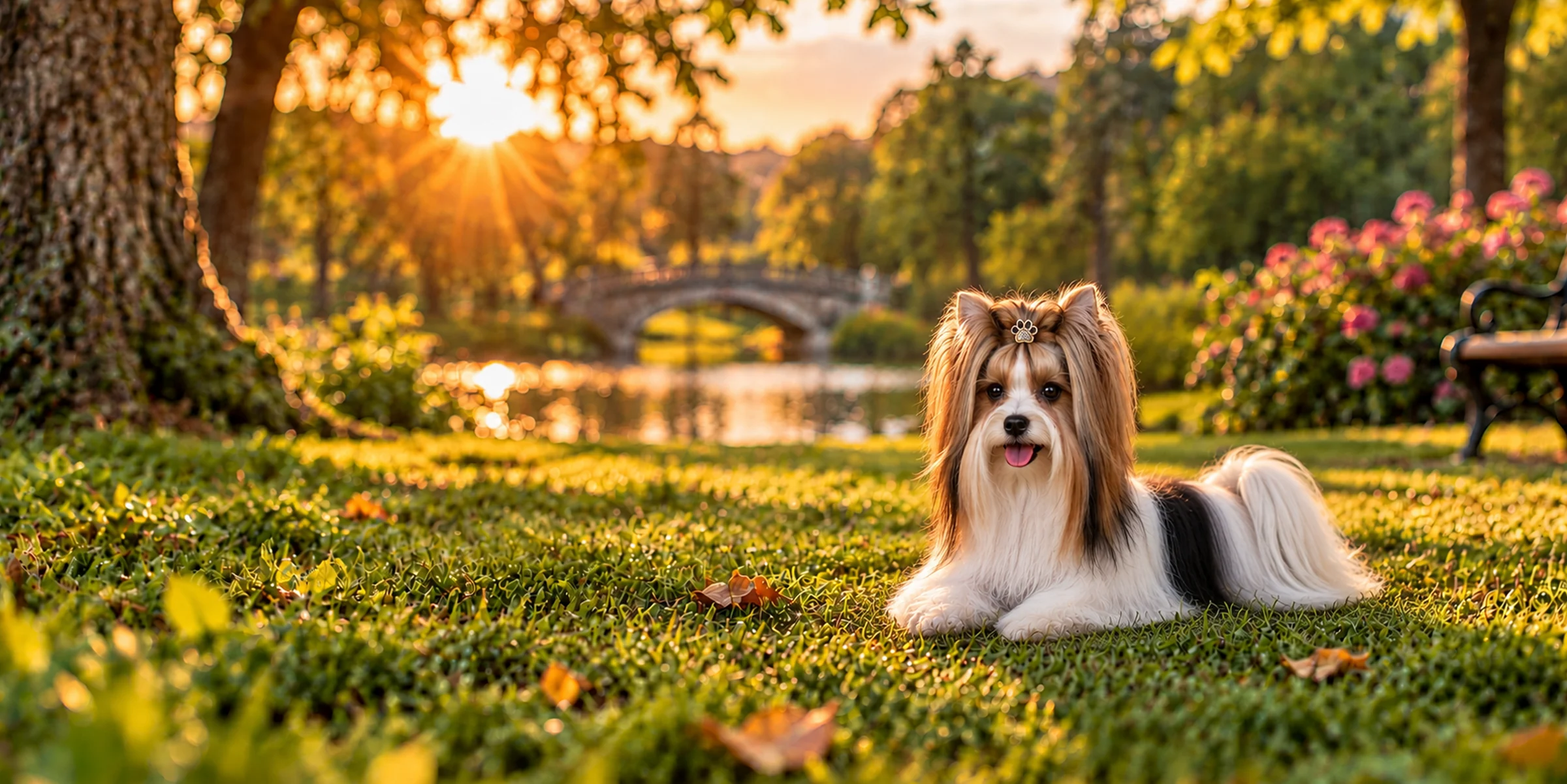
Biewer Terrier
A German offshoot of the Yorkshire Terrier, recognized separately for a tricolor piebald coat. Same size, same silky coat and same dental and fragility concerns, in a friendlier and noticeably less scrappy dog.
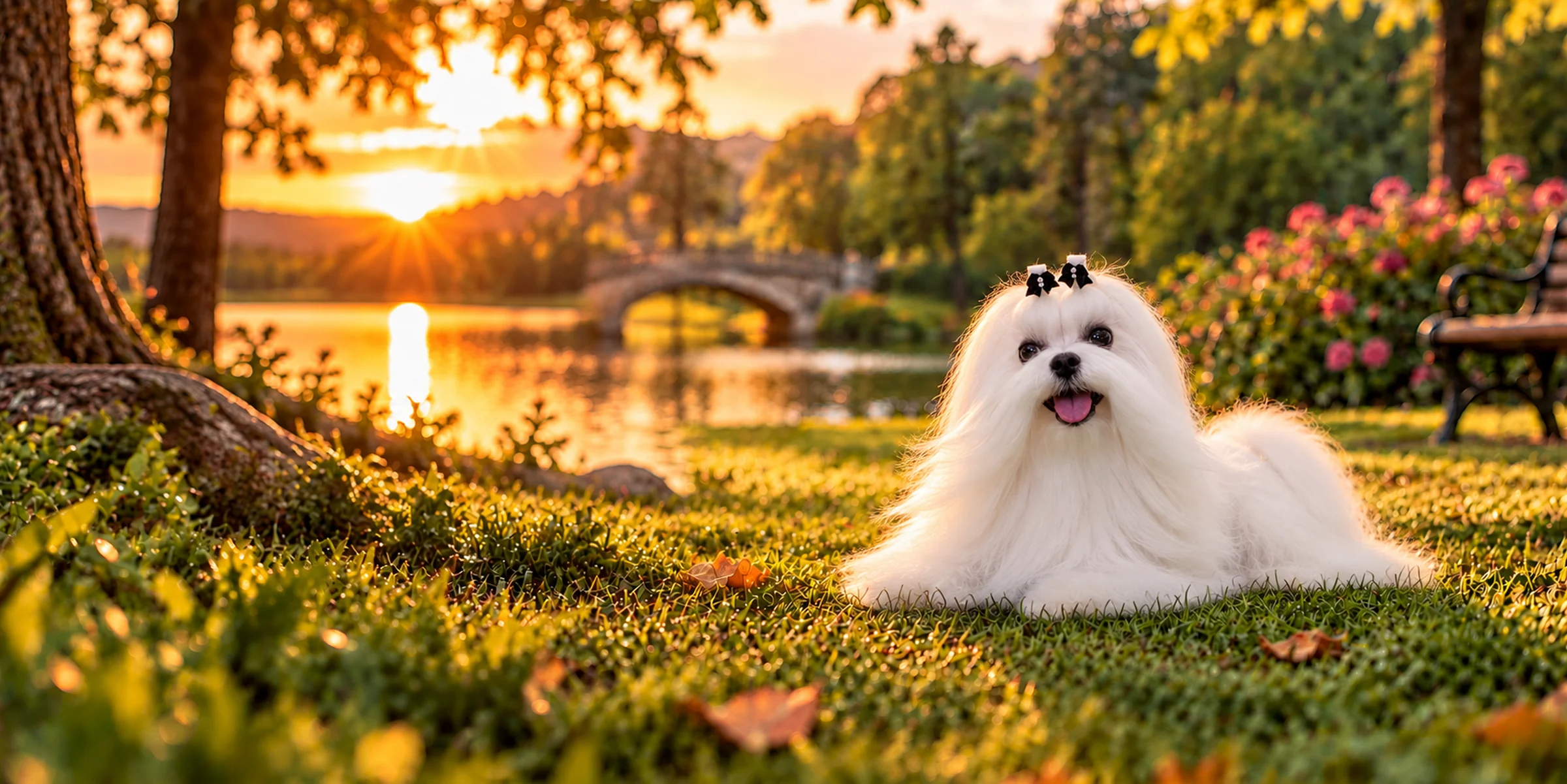
Maltese
The same floor-length white coat and the same daily-or-clip decision, without the terrier edge. The Maltese is gentler and more purely a companion; the Yorkshire Terrier is bolder, busier and quicker to argue with a bigger dog.
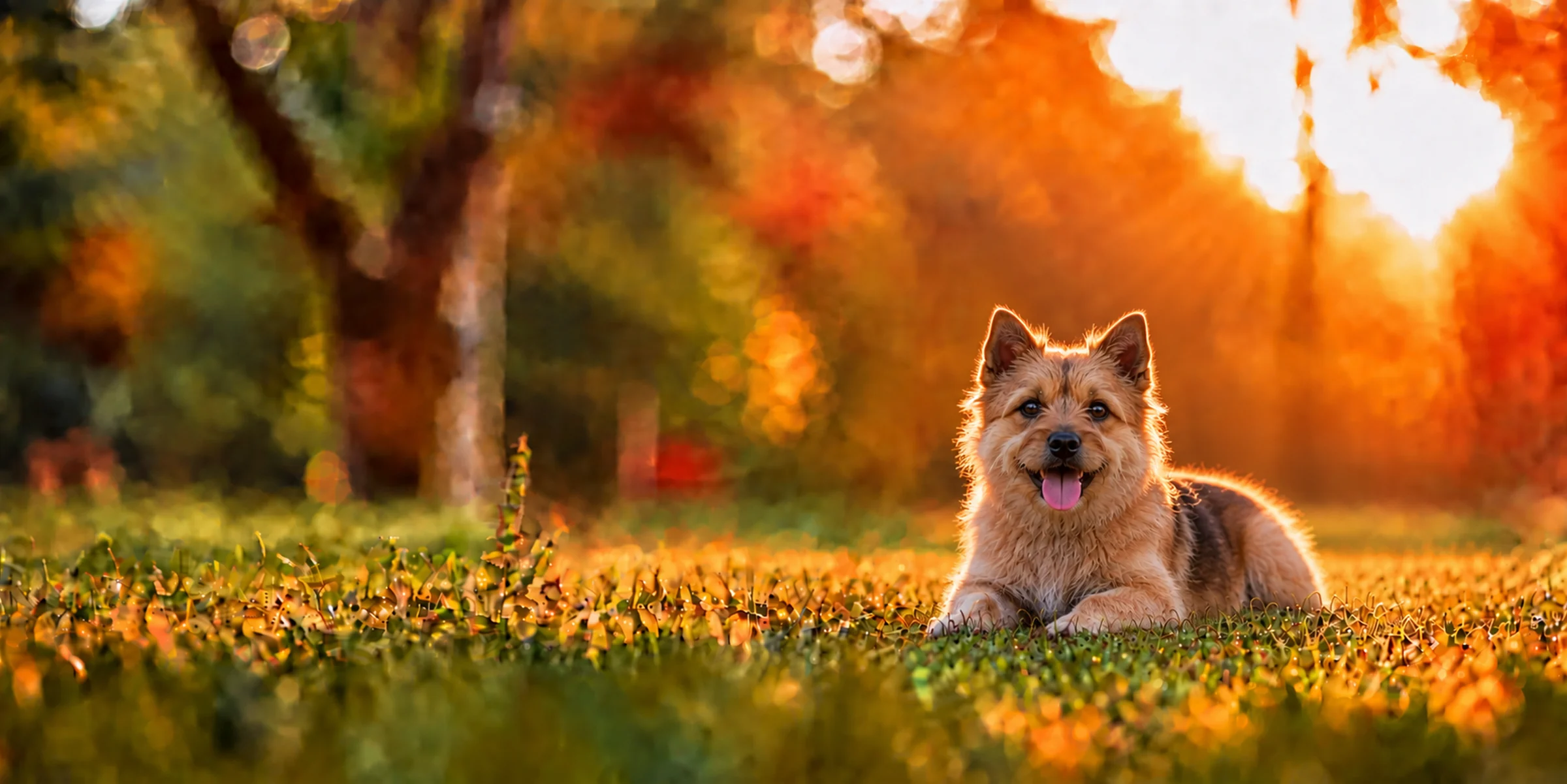
Norwich Terrier
A small terrier with much the same cheek in a sturdier, harder-wearing package. The wiry coat needs stripping a few times a year instead of daily combing, and a Norwich is a good deal less breakable around an active household.

Silky Terrier
The sturdier Australian relative, roughly twice the weight, with a 5-6 in coat rather than a floor-length one. Silkys keep more terrier in them - more digging, more chasing - and are a little less fragile.

Yorkiepoo
The Poodle cross - a little more biddable and a little less sharp, with the Yorkie's voice and liver shunt risk carried through. Housetraining is still the sticking point from both sides.

Morkie
The Maltese cross, and the softer of the two common Yorkie crosses. Same tiny frame and same dental and tracheal problems, with a companion breed rather than a Poodle tempering the terrier.

Chorkie
The Chihuahua cross, and the boldest of the three Yorkie crosses. Nothing in this pairing softens the terrier - both parents are vocal, wary of strangers and easily under-socialized.