

large breed
Alaskan Malamute
A very large, very hairy extrovert. Malamutes are affectionate, playful and delighted by people they have never met, which makes them hopeless guards and excellent company. What they are not is easy: they shed heavily all year and spectacularly twice a year, they were bred to pull rather than to take instruction, and they will leave any yard that is less than genuinely dug-proof. A bored Malamute is a destructive one.

Pup Height
25 in

Pup Weight
85 lb
Figures are the standard's freighting size for males; females are 23 in and 75 lb. Dogs marketed as "giant" malamutes are outside the standard, not a separate variety. Source: AKC breed standard.

Pup Lifespan
10-14 years
Your pup, at a glance
What’s Life With This Pup Really Like?

Genuinely affectionate and physically demonstrative - a malamute who has decided you are theirs will lean, lie on your feet, and follow you room to room.

Good-natured and patient with children, with the usual large-breed caveat: eighty-five pounds of enthusiasm knocks a toddler over without meaning anything by it.

The hardest part of the breed. Strong prey drive toward cats and small animals, and same-sex dog aggression is common. Careful introductions and realistic expectations both matter.

Barks very little, but they are not quiet. Malamutes woo, moan and howl, and a vocal one carries a long way.

High and, more to the point, durable. They were bred to keep going all day, so the walk that tires most breeds barely registers.

As heavy as it gets. A dense double coat year-round and two full coat blows a year that come out in handfuls.

Playful and clownish well into adulthood, and strong enough that games need some structure.

Very low. A tight-lipped, dry-mouthed breed.

Intelligent and entirely capable of learning, but bred to work without direction. They will understand the request and then decide about it - recall especially needs early, consistent work.

Poor, and endearingly so. They look formidable and will almost certainly greet a stranger like a friend.

Substantial. Regular brushing year-round, daily during a coat blow, and an undercoat rake that earns its keep several times over.

Low. They need space, secure fencing, real exercise and a cool climate, and they do poorly with any of those missing.
Lifestyle fit
Could This Be Your Best Breed?
An Alaskan Malamute suits a house with a tall, dug-proof fence, a cool climate, and an owner who will deliver two hours of real exercise most days for a decade rather than a season. Costs run $2,200 to $3,500 a year over a ten-to-fourteen-year life. The people who give these up wanted the coat and the friendliness without the fur, the hours or the dug-proof fence, and usually tried it in a hot apartment as a first dog.

Living Space
A house with a tall, dug-proof fence. Malamutes climb, dig under, and open gates, and they are heat-intolerant enough that a hot climate is a genuine welfare question rather than a preference.

Pup Experience
Not a first dog. Malamutes are friendly and biddable in mood but not in obedience, and an owner who expects a large dog to simply comply will spend years frustrated.

Daily Pup Time
Two hours of real exercise most days, plus weekly brushing that becomes daily for several weeks twice a year.

Allergies & Coat
The Alaskan Malamute scores 10/10 for shedding and 2/10 for drooling. No dog is truly hypoallergenic. The allergens come from dander and saliva, and a dog that sheds this much will leave plenty of hair behind - especially on your furniture, floors, and clothes.
Quirks & challenges
The Not-So-Easy Stuff

Sheds Like Nothing Else
A dense double coat that blows out twice a year in clumps. This is the single most common reason malamutes are rehomed, and no grooming routine makes it stop.
Born to Escape
Climbs fences, digs under them, and works out latches. Six feet and a dug-proof base is the starting point, not the upgrade.
Not a Guard Dog
Looks the part and is not remotely it. Most malamutes greet an intruder like a long-lost friend. Get one for company, not for security.
Talks, Rarely Barks
Woos, moans and howls instead of barking. Charming in a house, a real problem in an apartment with shared walls.
Prey Drive Is Real
Strong instincts toward cats and small animals, and same-sex dog aggression is common. Off-leash recall is unreliable in most individuals.
Built for Cold, Not Heat
Genuinely at risk in hot weather. Summer exercise means dawn and dusk, and a hot climate is a serious argument against the breed.
The good, the bad & the hairy
Health, Care & Costs
Understanding the health risks and ongoing costs of a Alaskan Malamute helps you plan for a happy, healthy life together.

10-14 years
$80-$130
per groom (bath and full deshedding), every 8-10 weeks - more often during the twice-yearly coat blow ($550-$1,000/year)
$2,200-$3,500/year
all-in (food, routine vet, grooming, insurance, incidentals)

Health Risks
Conditions this breed is prone to.

The hip joint develops loosely, so the ball and socket grind instead of gliding. It leads to arthritis and, in severe cases, replacement surgery. Ask to see hip scores for both parents.
A nerve disease largely specific to this breed, usually appearing before eighteen months as a wobbly gait, exercise intolerance or a change in bark. There is a DNA test for the known variant, so responsible breeders screen for it.
An inherited condition causing shortened, bowed legs and joint problems. A DNA test identifies carriers, and two carriers bred together is what produces affected puppies - ask whether both parents were tested.
The thyroid stops producing enough hormone, causing weight gain, lethargy and a thinning coat. A daily tablet manages it completely and the medication itself is inexpensive.
Northern breeds absorb zinc poorly, which shows up as crusting skin around the eyes, muzzle and paws. It responds well to zinc supplementation, but usually needs it lifelong rather than as a short course.
Progressive retinal atrophy and day blindness both occur in the breed. Neither is painful and neither is treatable, but both are screened for, so ask for current eye certificates on the parents.
The stomach fills with gas and twists, cutting off its own blood supply. Without surgery within hours it is fatal. Deep-chested dogs are most at risk, and feeding one large meal a day or exercising straight after eating makes it likelier.

Insurance & Health Coverage
The malamute's health profile is unusual in that several of its notable conditions are inherited and breed-specific - polyneuropathy and chondrodysplasia both have DNA tests, and a well-bred puppy should come with results for both.

What insurance is actually for here is the rest: hip dysplasia surgery runs several thousand dollars per joint, and bloat is an emergency operation in the same range for a deep-chested dog of this size.

As with any breed, a policy taken out before anything appears in a vet's notes is what keeps a later claim from being refused as pre-existing - and with inherited conditions that surface in the first two years, that window is shorter than it looks.
 Get a Pet Insurance Quote
Care needs
The Daily Routine

Grooming
Brush two or three times a week most of the year and daily for several weeks during each coat blow, when the undercoat comes out in sheets. Never shave the coat - it insulates against heat as well as cold.

Exercise
Around two hours daily of real work, not a stroll. Hiking, carting and canicross suit them far better than a lap of the block, and a bored malamute redecorates.

Food & Weight
Feed two measured meals rather than one large one and keep hard exercise clear of mealtimes, since deep-chested breeds carry real bloat risk. Malamutes are efficient feeders and gain weight easily for their size, so go by body condition rather than the bag.
Similar breeds
If This Isn’t Quite the One
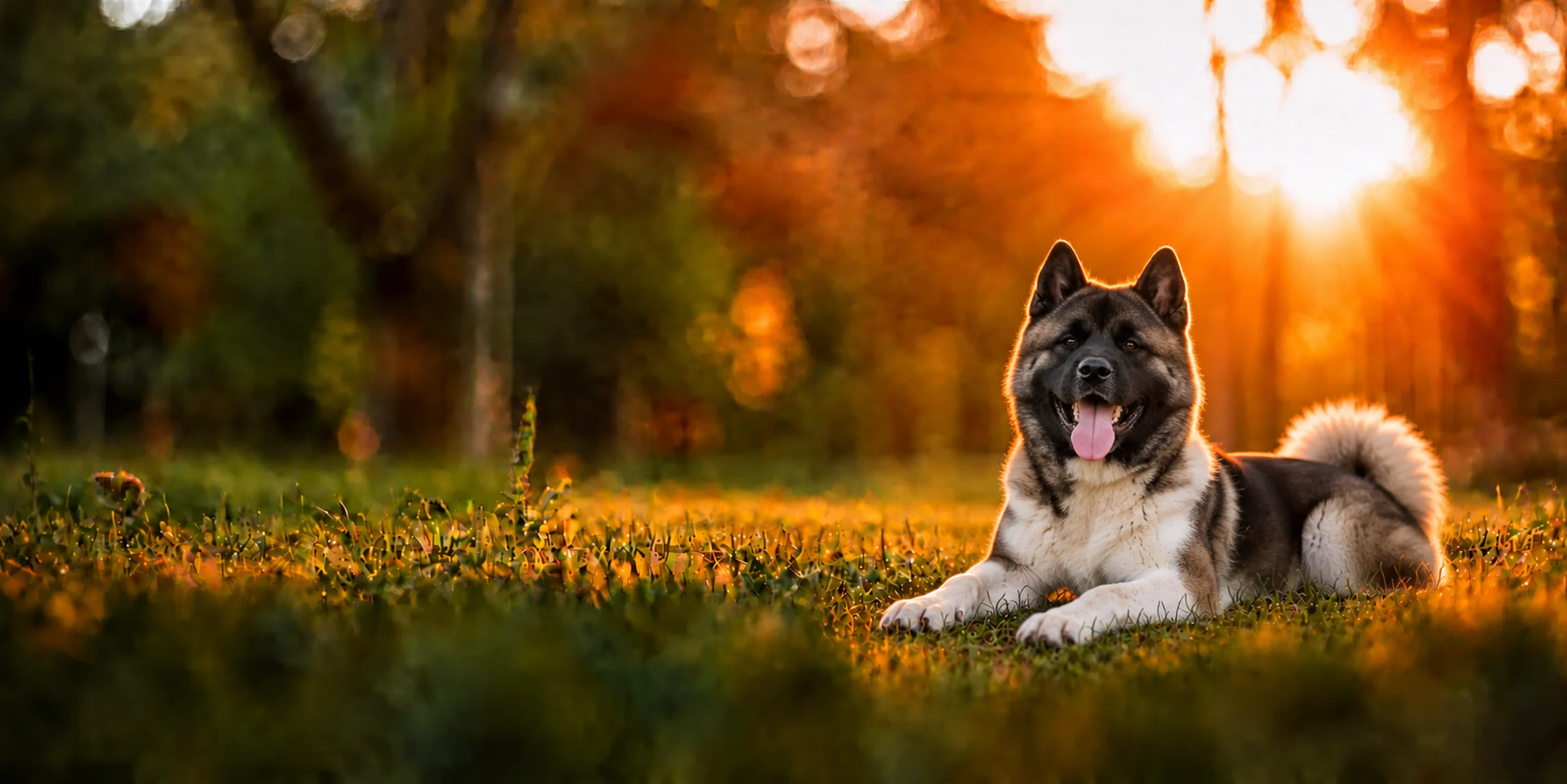
Akita
The other big northern coat on this site. An Akita trades the malamute's indiscriminate friendliness for genuine guarding instinct and real reserve with strangers - the same size and shedding, a completely different temperament.
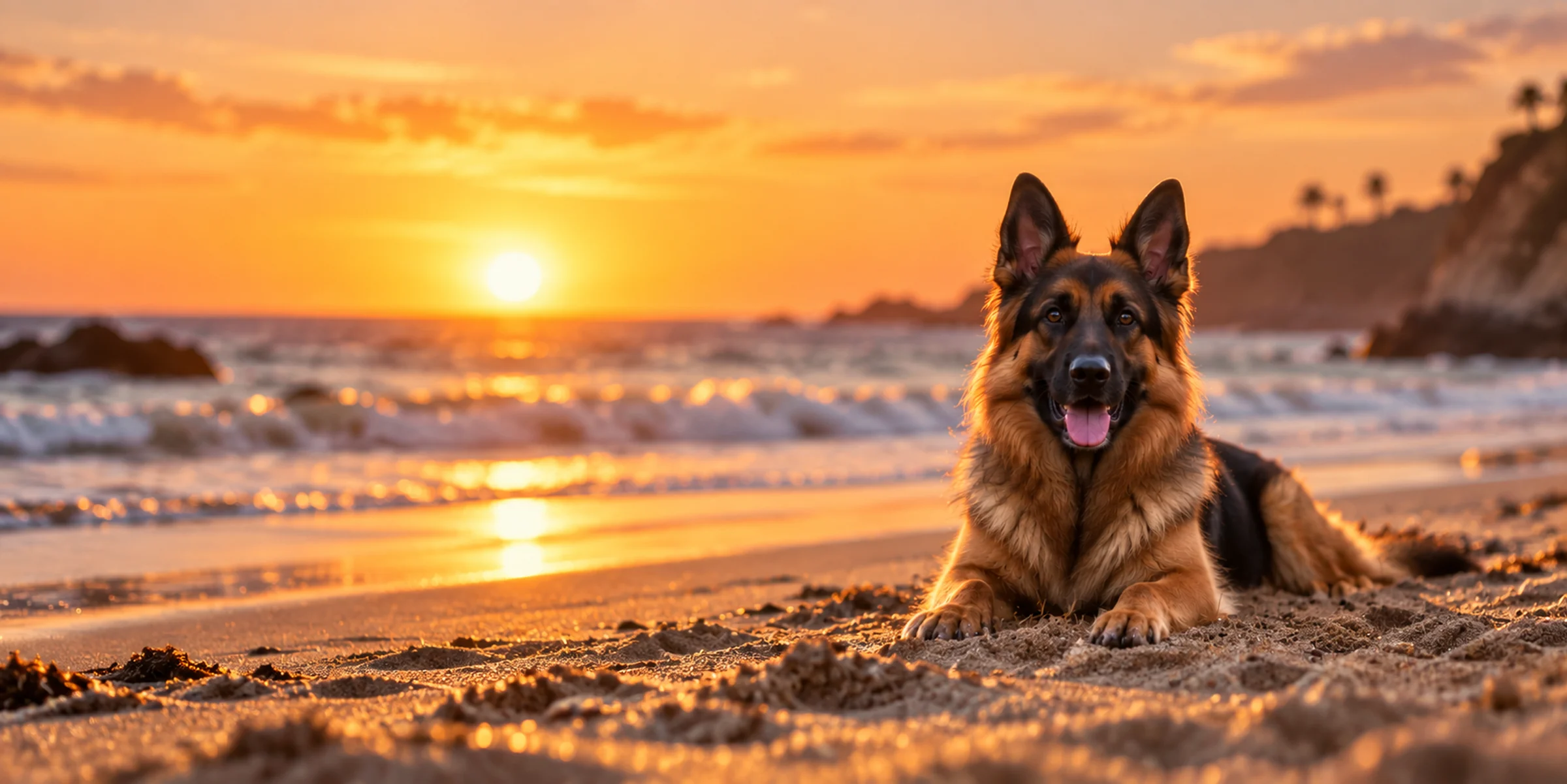
German Shepherd
If the size and the working drive appeal but the independence does not, a German Shepherd is the breed that actually wants instructions - far more trainable, far more reliable off leash, and a real guard dog rather than one that looks like one.
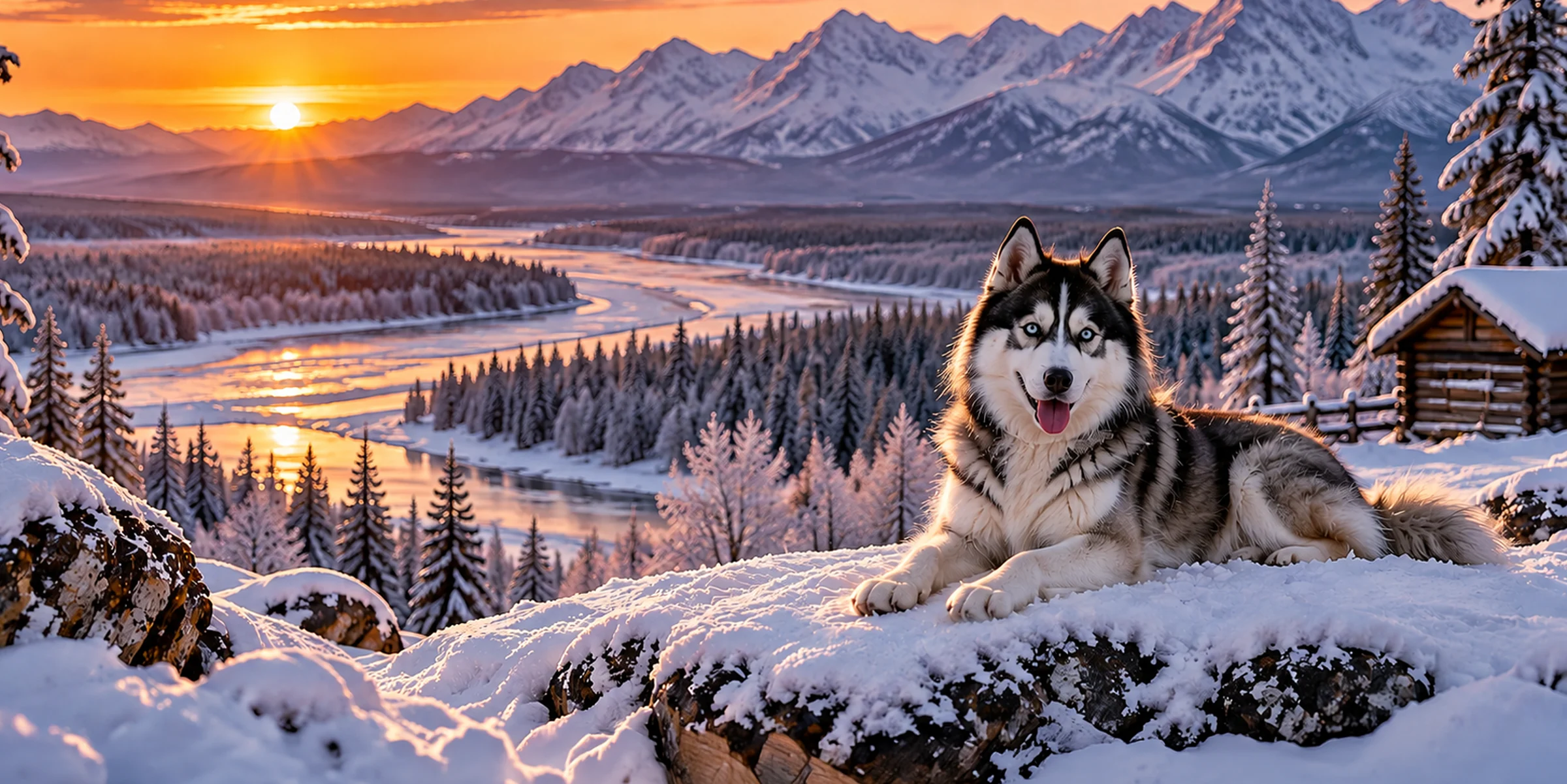
Siberian Husky
The lighter, faster sled dog of the two, and the breed people most often mistake for a Malamute. Siberian Huskies are built to trot for distance rather than haul weight, are usually easier with other dogs, and are every bit as committed to leaving a yard that is not secure.