

medium-to-large breed
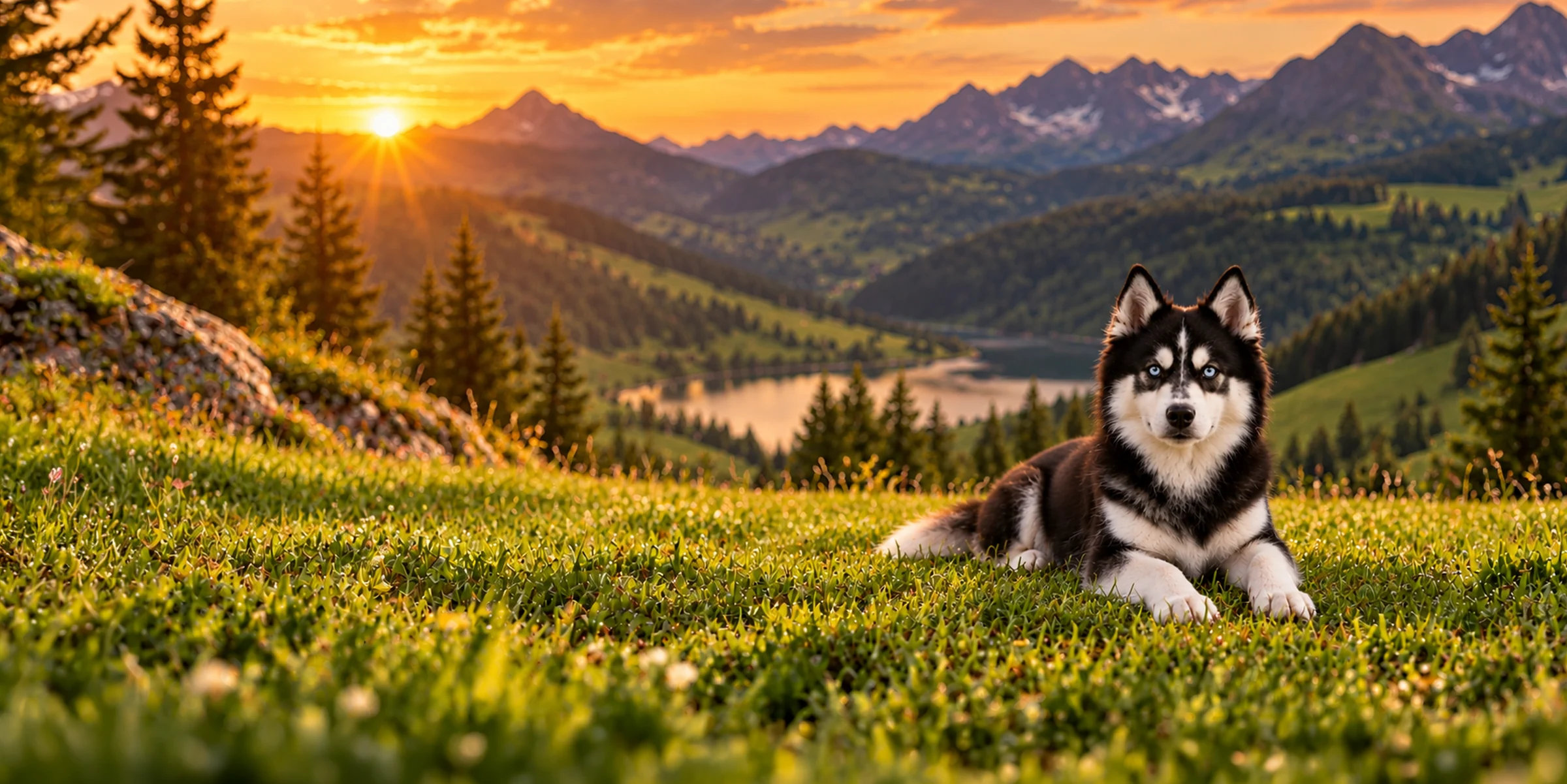
Siberian Husky
Bred by the Chukchi to pull light loads across Siberia on almost no food, and famous in America ever since the 1925 serum relay to Nome. Siberian Huskies are handsome, funny, athletic and friendly with absolutely everyone - and the same breeding produced a dog who runs, digs, escapes, howls and does not come back when called. They are among the most frequently given-up breeds there is, almost always for doing exactly what they were built to do.

Pup Height
20-23.5 in

Pup Weight
35-60 lb
Males 21-23.5 in and 45-60 lb, females 20-22 in and 35-50 lb. Every color from black to pure white is allowed, with head markings - masks, caps, spectacles - that no other breed shows in such variety. A medium-length double coat of soft dense undercoat under straight outer hair, never so long that it hides the outline, and trimming is faulted anywhere but the feet. Eyes brown or blue, one of each and parti-colored eyes equally correct. Recognized by the AKC in 1930. Source: AKC breed standard.

Pup Lifespan
12-14 years
Your pup, at a glance
What’s Life With This Pup Really Like?

Moderate. Affectionate and physical on their own terms, and independent enough to sleep across the room rather than on the sofa.

Very good. Sturdy, playful and tolerant, with the caveat that a bouncing 50-pound dog knocks small children flat without meaning to.

Poor with small pets. Excellent with other dogs, and a serious risk to cats, rabbits and poultry no matter how carefully raised.

Low barking, high volume. Siberian Huskies hardly bark at all and howl, yodel and argue instead, often for minutes at a time.

Very high. Bred to trot for hours, and an hour of walking a day leaves a Husky bored and looking for work.

Very heavy. A dense double coat that sheds all year and blows the whole undercoat out twice a year.

Comic and relentless. Running, wrestling, digging and stealing things, with an adolescence that lasts well past two years.

Very low. A dry-mouthed breed with tight lips.

Limited, and not for lack of intelligence. Siberian Huskies learn quickly and comply selectively, and recall stays unreliable for most of them.

Very low. A Husky may announce a visitor and will then try to leave with them - guarding was bred out, not in.

Moderate. A weekly brush for most of the year, daily during the blowouts, no trimming, and no shaving ever.

Low. Heat, small homes, long days alone and open ground without a fence all suit this breed badly.
Lifestyle fit
Could This Be Your Best Breed?
A Husky needs a six-foot dug-proof fence, a cold-ish climate and someone who will exercise them hard every day for a decade, not for a season. Food and grooming are cheap - $1,200 to $2,000 a year all in - so the real price is the fencing and the hours. The people who give them up wanted a dog who comes when called, in a hot climate, behind a shared wall or an unfenced yard.

Living Space
A house with a tall, dug-proof fence - six feet, with the bottom buried or lined and nothing climbable near it. Siberian Huskies live happily in cold climates and struggle in hot ones. An apartment can work for an owner who runs them hard every day, but the howling carries through walls and neighbors hear all of it.

Pup Experience
Not a first dog for most people. Nothing about the temperament is difficult or sharp - Siberian Huskies are friendly and good-natured almost without exception - but the escaping, the prey drive and the indifference to recall defeat owners who expected a Labrador in a fur coat.

Daily Pup Time
Two hours of hard exercise most days, on top of secure containment that gets checked rather than assumed. Grooming is a weekly brush that turns into a daily one for a few weeks twice a year.

Allergies & Coat
The Siberian Husky scores 9/10 for shedding and 1/10 for drooling. No dog is truly hypoallergenic. The allergens come from dander and saliva, and a dog that sheds this much will leave plenty of hair behind - especially on your furniture, floors, and clothes.
Quirks & challenges
The Not-So-Easy Stuff

Escape Artistry
Siberian Huskies climb, dig under and slip collars, and a bored one works on the fence as a project. Six-foot fencing with a buried base, and gates that latch.
Not an Off-Leash Dog
Recall is unreliable in the breed and stays unreliable in adulthood. Long lines and fenced ground, not open parks and hope.
High Prey Drive
Cats, rabbits, chickens and small dogs register as quarry. Raising a Husky with a cat helps and guarantees nothing.
Howling, Not Barking
They rarely bark and they howl, talk and grumble instead. It carries a long way and sirens set it off.
The Twice-Yearly Blow
The undercoat comes out in sheets for two or three weeks each spring and fall. Expect drifts of it everywhere.
Digging and Boredom
Digging is normal Husky behavior, not a fault to train out. Unexercised, it turns into holes in the yard and shredded baseboards.
The good, the bad & the hairy
Health, Care & Costs
Understanding the health risks and ongoing costs of a Siberian Husky helps you plan for a happy, healthy life together.

12-14 years
$60-$100
per groom (bath, high-velocity blow-out, de-shed, nails, ears), twice a year at the blowouts or done at home ($0-$200/year)
$1,200-$2,000/year
all-in (food, routine vet, grooming, insurance, incidentals)

Health Risks
Conditions this breed is prone to.

Juvenile cataracts, corneal dystrophy and X-linked progressive retinal atrophy all run in the breed. There is a DNA test for the X-linked PRA, and breeding dogs should have a current ophthalmologist eye examination on top of it.
The hip develops loosely and wears into arthritis. Rates are low for a working breed of this size, partly because a sled dog with bad hips never got bred from, but both parents should still have scored hips.
Northern breeds absorb zinc poorly, and the shortfall shows as crusting and hair loss around the eyes, muzzle and ears, usually in young adults. Diagnosis is straightforward and supplementation is lifelong but cheap.
An underactive thyroid causes weight gain, coat problems and low energy, and turns up more often in Siberian Huskies than in most breeds. A blood test finds it and a daily tablet manages it.
Inherited seizures typically start between six months and three years. There is no test, so ask a breeder directly whether seizures have appeared in the line - most cases are controlled with daily medication.
Not inherited, and statistically the likeliest emergency this breed has. A dog who clears a fence and runs meets traffic, other dogs and livestock owners, and a road accident is a four-figure night at the emergency vet if the outcome is good.

Insurance & Health Coverage
Premiums are usually moderate. Siberian Huskies are a hardy working breed with a long life and a short list of inherited problems, and there is no brachycephalic or giant-breed loading on the price.

Accident cover is the part that earns back. The claim this breed actually generates is trauma - a dog who got out and met a car, a fight with livestock, a torn pad or cruciate after a hard run. Check the accident limit and check whether the policy excludes injuries sustained while the dog was loose or straying, because some do and that exclusion removes the single most likely claim.

On the illness side, the eye conditions and hypothyroidism are the ones to have covered before they appear. Both tend to show up in young adulthood, which is early enough that a policy taken out at eight weeks will still have them inside cover - and late enough that a policy taken out at three years may not.
 Get a Pet Insurance Quote
Care needs
The Daily Routine

Grooming
A self-cleaning double coat that needs a thorough brush once a week for most of the year and daily work with an undercoat rake for two or three weeks each spring and fall, when the undercoat lifts out in handfuls. Baths are rarely needed and there is almost no dog odor. Never shave a Husky: the coat insulates against heat as well as cold, and shaving ruins it. Beyond that it is nails, teeth and a check of the ears.

Exercise
Two hours a day of something that actually moves - running, hiking, canicross, bikejoring or a scooter rig, and skijoring or sledding where there is snow. Walking around the block does not touch a dog built to trot for hours. Exercise cold: a working coat on a warm day overheats fast, so summer sessions belong at dawn and dusk. Skip roadwork and long-distance running until the growth plates close at around 14-18 months.

Food & Weight
Siberian Huskies are famously cheap to feed. The breed converts food with unusual efficiency, and most adults hold weight on noticeably less than a dog of the same size - so measure meals rather than free-feeding, and ignore the impression that they look underfed. Lean is correct for this breed; a heavy Husky is a Husky carrying weight the joints did not sign up for.
Similar breeds
If This Isn’t Quite the One
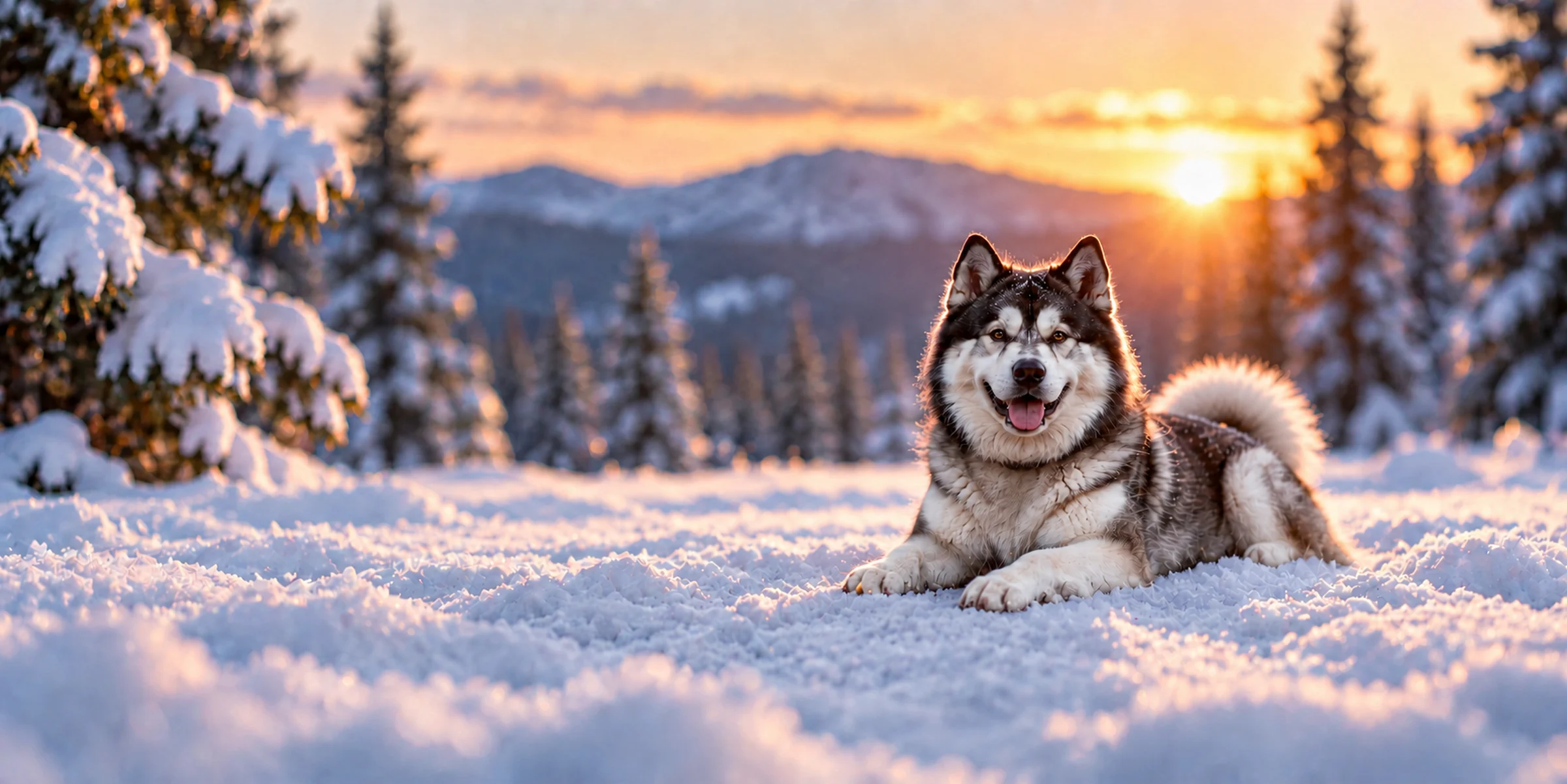
Alaskan Malamute
The other great northern sled breed, and the one people mix them up with. The Malamute is much heavier, built to haul freight slowly rather than run, more dog-aggressive with other dogs, and even less inclined to take direction.
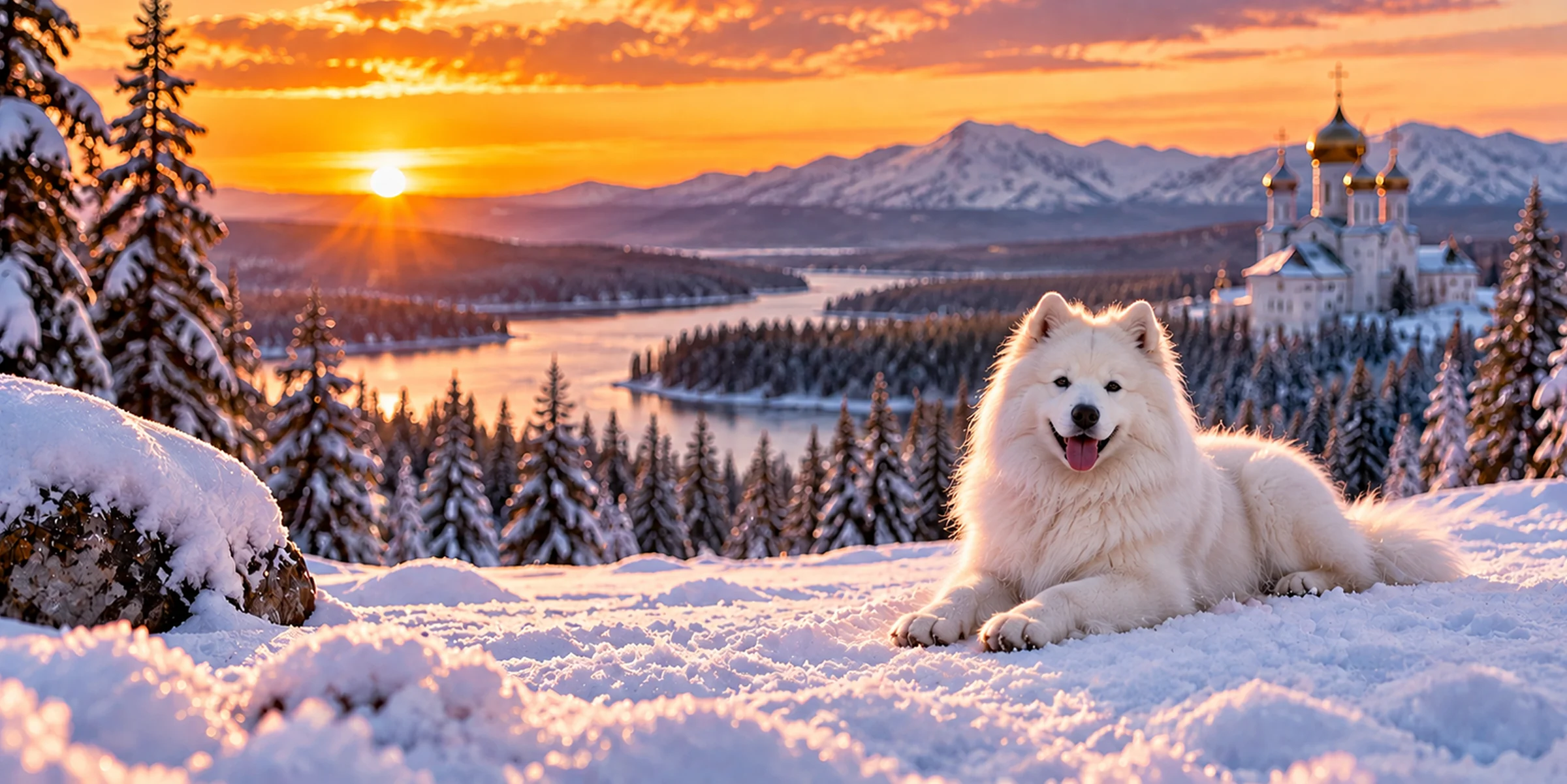
Samoyed
A comparable northern spitz with the same shedding and the same friendliness, and a good deal more trainable. The Samoyed is far more vocal in the barking sense and a little less likely to vanish over a fence.
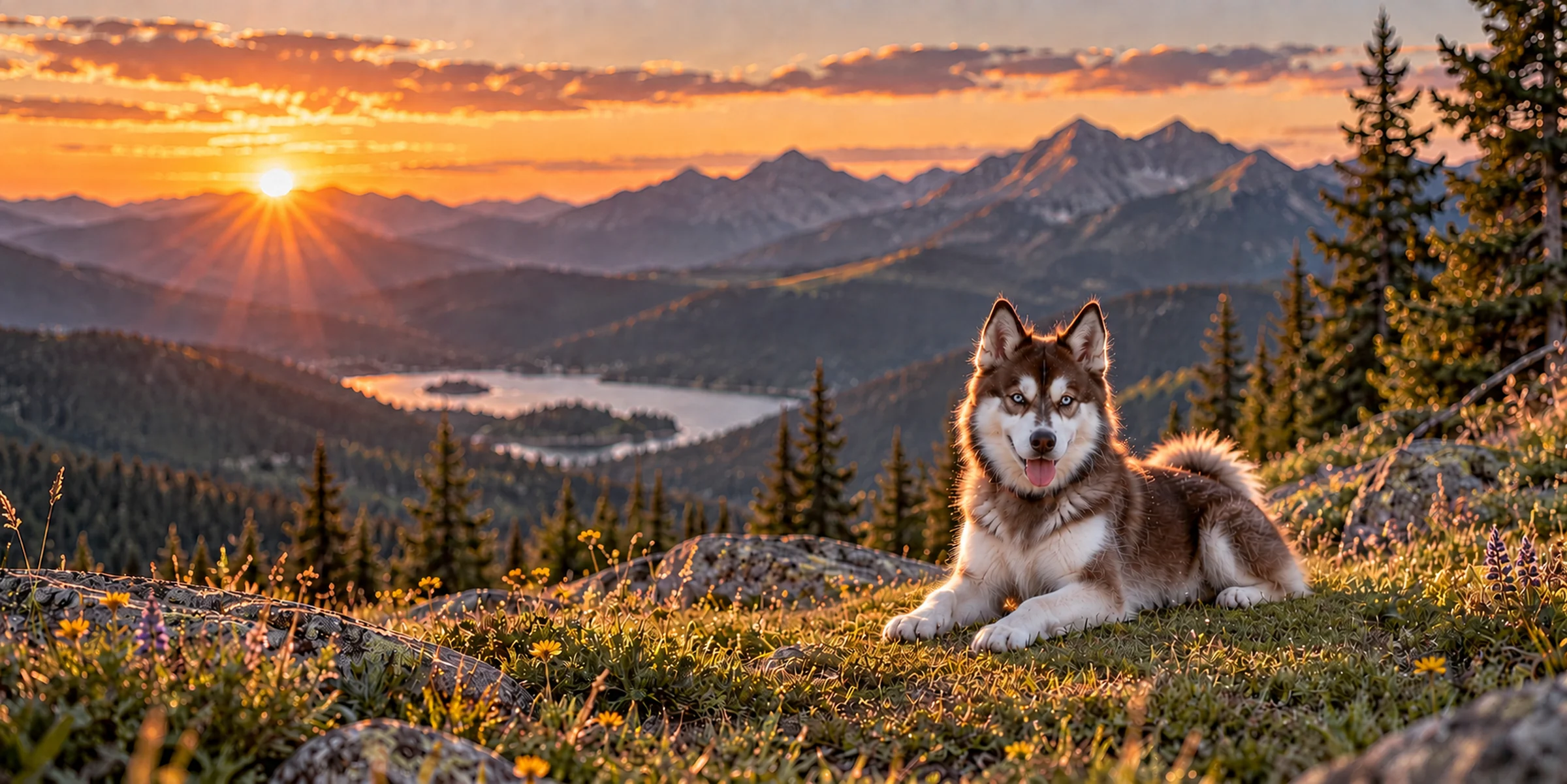
Alaskan Klee Kai
A Husky in miniature to look at, and a different dog to live with. Klee Kai are wary of strangers rather than delighted by them, and their size makes the exercise load manageable in a way a Siberian's never is.
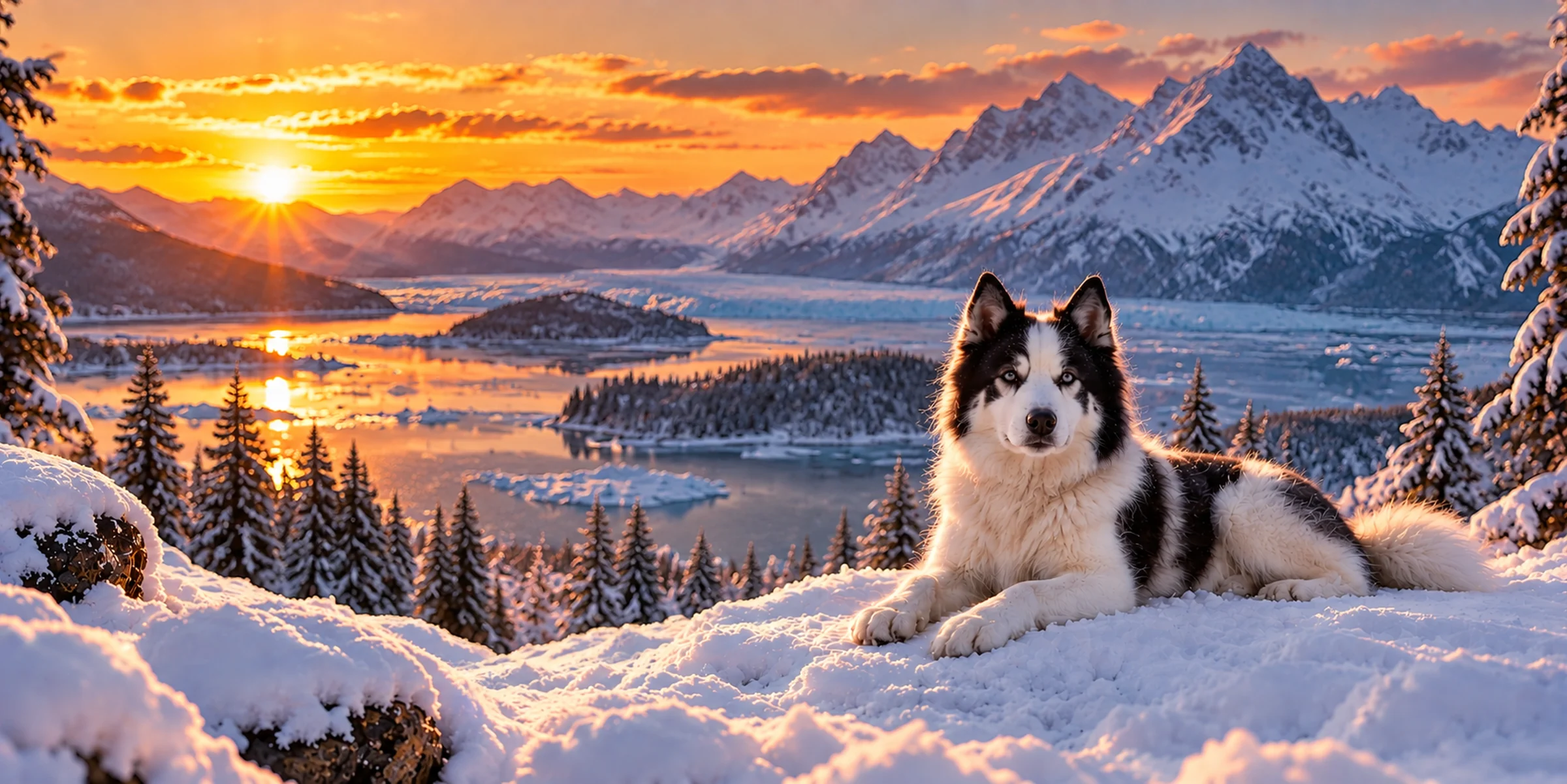
Yakutian Laika
The Sakha sled dog, still close to its aboriginal form and far rarer. Yakutian Laikas are heavier-coated and more openly friendly with other dogs, with the same heat intolerance and the same need to run.
Pomsky
The Pomeranian cross, made by artificial insemination because the size gap rules out anything else. Smaller and easier to house, with the drive, the voice and the escape artistry intact - and no low-shedding outcome anywhere in the cross.