

small-to-medium breed
American Eskimo Dog
Brilliant, chatty and white-coated - Eskies learn fast, love an audience, and will do almost anything for a person they like. They are affectionate at home, playful well into middle age and genuinely good with children. Two things catch owners out. American Eskimo Dogs are among the more vocal breeds you can own, and that thick double coat sheds year-round and then sheds spectacularly twice a year.

Pup Height
15-19 in

Pup Weight
25-35 lb
Figures are for the Standard. The AKC recognizes three sizes of one breed: Toy at 9-12 in and 6-10 lb, Miniature at 12-15 in and 10-20 lb, and Standard at 15-19 in and 25-35 lb. Temperament, coat and exercise needs are the same across all three, which is why they share a record here. Source: AKC breed standard.

Pup Lifespan
13-15 years
Your pup, at a glance
What’s Life With This Pup Really Like?

Very affectionate and closely bonded - they want to be in the room with you, and they will tell you about it if the door is shut.

Good, and genuinely playful with them. Sturdy enough in the Standard size; the Toy is small enough that toddlers need supervising for the dog's sake rather than the child's.

Sociable with dogs they grow up around and generally fine with cats. There is some prey drive toward very small animals, so rodents and birds are a different question.

High, and it is the main reason people rehome this breed. Eskies are alarm dogs by nature and find barking rewarding in itself.

Moderately high. An hour a day covers the body; the mind needs its own budget.

Heavy. A white double coat that sheds year-round and comes out in handfuls twice a year - the single biggest surprise for new owners.

Playful, showy and inventive, well into middle age. The circus history is not a coincidence.

Almost none. A tight-lipped, clean-mouthed breed.

Outstanding. One of the quickest studies on this site, which cuts both ways - they pick up the habits you did not mean to teach just as fast.

An excellent alarm. They miss nothing at the window and report all of it, though they are too friendly to be a deterrent beyond the noise.

Substantial but all at home. Two or three thorough brush-outs a week, daily during a coat blow, and no clipping.

Adjusts well to new routines and new homes. The limit is not the dog's flexibility, it is whether the neighbors can live with the barking.
Lifestyle fit
Could This Be Your Best Breed?
An American Eskimo Dog suits a household that is home often, has room for noise, and wants a dog to train rather than simply walk - an unoccupied Eskie invents their own job, and it is usually barking or chewing. Figure $1,500 to $2,500 a year over a long thirteen-to-fifteen-year life. Anyone who wants the brains and the size without the white hair on everything should read the Miniature Poodle page instead, and a shared-wall apartment or a ten-hour workday rules an Eskie out on its own.

Living Space
An apartment can work on the exercise numbers alone, but the barking usually decides it. Eskies announce everything, they are loud about it, and shared walls turn that into a neighbor problem faster than any training program can fix.

Pup Experience
Fine for a committed first-time owner. They are one of the most trainable breeds on this site, so the difficulty is not teaching them things - it is that an unoccupied Eskie invents their own job, and it is usually barking or chewing.

Daily Pup Time
About an hour of exercise daily plus real mental work - training, puzzles or a sport - and brushing two or three times a week that becomes daily during the twice-yearly coat blow.

Allergies & Coat
The American Eskimo Dog scores 9/10 for shedding and 1/10 for drooling. No dog is truly hypoallergenic. The allergens come from dander and saliva, and a dog that sheds this much will leave plenty of hair behind - especially on your furniture, floors, and clothes.
Quirks & challenges
The Not-So-Easy Stuff

A Very Talkative Breed
They bark at arrivals, departures, sounds and opinions. It can be shaped and reduced with work, but a quiet Eskie is not what this breed is.
The White Coat Gets Out
A dense double coat that sheds year-round and blows out completely twice a year. On dark furniture it is impossible to ignore.
Bored Means Destructive
One of the smartest breeds here, and an unoccupied one redecorates. Mental work is not optional enrichment, it is maintenance.
Hates Being Left Alone
Strongly attached and prone to separation anxiety. Long solo workdays are the single worst fit for this breed.
Reserved With Strangers
Devoted at home, cautious at the door. Without early socialization that caution can harden into suspicion and nuisance barking.
Never Shave the Coat
The double coat insulates against heat as well as cold. Shaving it wrecks the regrowth and makes them less comfortable, not more.
The good, the bad & the hairy
Health, Care & Costs
Understanding the health risks and ongoing costs of a American Eskimo Dog helps you plan for a happy, healthy life together.

13-15 years
$60-$95
per groom (bath, blow-out and deshedding), every 6-8 weeks - more during the coat blow ($450-$800/year)
$1,500-$2,500/year
all-in (food, routine vet, grooming, insurance, incidentals)

Health Risks
Conditions this breed is prone to.

An inherited disease that slowly destroys the retina. Night vision goes first, then daylight vision, usually ending in blindness. There is no treatment, but it is painless and gradual, and most dogs cope well in a home they already know. A DNA test exists - ask to see the parents' results.
The kneecap slips out of its groove, producing a skipping step or a leg held up for a stride or two. Mild cases are managed; severe ones need surgery. Commoner in the Toy and Miniature sizes.
The hip joint develops loosely, so the ball and socket grind instead of gliding. It leads to arthritis and, in severe cases, replacement surgery. Ask to see hip scores for both parents.
The lens clouds early in life rather than in old age, and it can progress to blindness. Surgery restores sight in most cases but is expensive. Breeding stock should have current eye clearances.
The breed sees this more often than most. It shows up as sudden thirst, weight loss and constant hunger, and it is manageable with daily insulin and consistent feeding - but it is a lifelong daily cost, not a one-off fix.
The blood supply to the head of the femur fails and the bone dies back, causing a painful hind leg in a young dog. Surgery is usually the answer. Almost exclusively a small-variety problem.

Insurance & Health Coverage
A long-lived, generally sound breed, and the lifespan itself is the reason to think about cover early: thirteen to fifteen years is a lot of chances for something to turn up.

The two lines that actually cost money are eyes and endocrine. Cataract surgery runs into the thousands per eye, and diabetes - which this breed sees more of than most - is a daily expense for the rest of the dog's life rather than a single bill. Knee surgery for a luxating patella is the third, and it is commoner in the Toy and Miniature sizes.

All three tend to show up in middle age, which is exactly when an uninsured owner starts looking for a policy and finds the condition already counts as pre-existing. Cover taken out while they are young and clear is the version that pays.
 Get a Pet Insurance Quote
Care needs
The Daily Routine

Grooming
Brush two or three times a week with a rake and a slicker, right down to the skin - the undercoat mats near the roots where a surface brush never reaches. Daily during the twice-yearly coat blow. Bathe only every couple of months, and never shave the coat.

Exercise
Around an hour daily, split between physical exercise and something to think about. Obedience, agility and trick training all suit them, and they do more for their behavior than an extra walk does.

Food & Weight
Measure the meals. They are small enough that a few extra treats a day show up quickly, and weight gain pushes on both the knees and the diabetes risk. Training treats should come out of the daily ration, not on top of it.
Similar breeds
If This Isn’t Quite the One
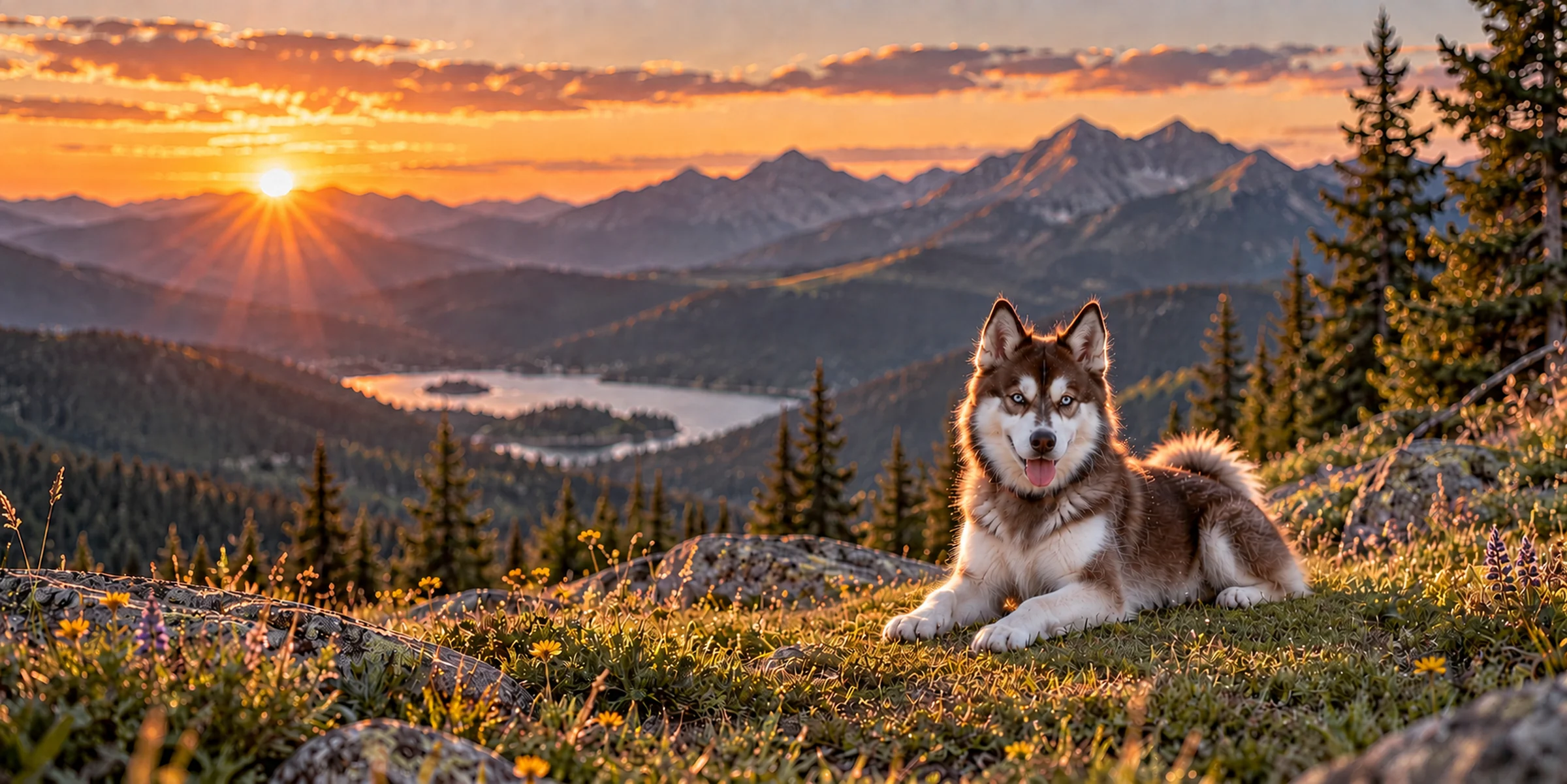
Alaskan Klee Kai
The other small spitz here, and the closest match on looks, voice and wariness with strangers - but a far more independent dog to train, where the Eskie actively wants the instructions.
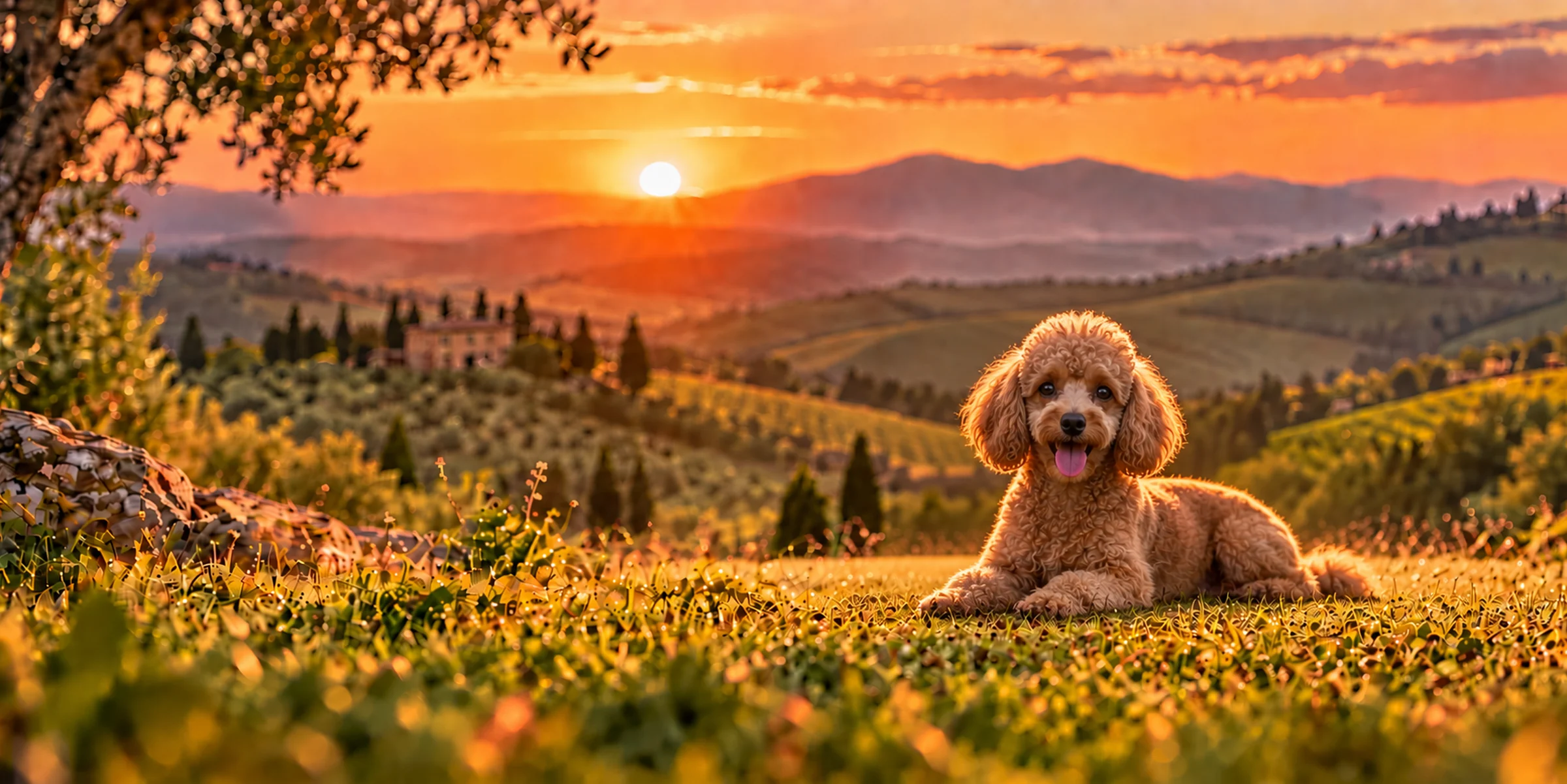
Miniature Poodle
If the brains and the size are the appeal but the white hair on everything is not, a Miniature Poodle offers the same trainability and playfulness in a coat that barely sheds - at the cost of a professional groom every six weeks.