

small breed
Miniature Poodle
The Poodle size most households are actually looking for: the full brain and the non-shedding coat at ten to fifteen pounds, big enough for a proper walk and small enough for an apartment. Miniature Poodles are quick, sensitive and easy to teach, and they live thirteen to fifteen years, longer than a Standard. The coat is the catch. It does not shed out, which is why it mats, and the clipping never stops.

Pup Height
10-15 in

Pup Weight
10-15 lb
The middle of the three Poodle varieties. Standards are over 15 in / 44-71 lb and Toys 10 in or under / 4-6 lb - the same breed, registered as separate size varieties. Source: AKC and FCI breed standards.

Pup Lifespan
13-15 years
Your pup, at a glance
What’s Life With This Pup Really Like?

Genuinely affectionate and happy on a lap, without the clinginess of the Toy.

Good with children who've learned to be gentle. At ten to fifteen pounds there's less margin for rough handling than a Standard has.

Generally very good. Sociable and not territorial.

More vocal than the Standard. Alert barking is easily learned and, once rewarded, hard to unpick.

Moderate and easy to satisfy - thirty to forty-five minutes plus something to think about. Less drive than a Standard, more than a Toy.

The lowest on this site. The coat doesn't shed out, which is the whole appeal and also why it mats.

Playful and inventive. Puzzle work and retrieving both land well.

Minimal. A dry, neat mouth.

Every bit as bright as the Standard and just as sensitive. They learn fast enough to pick up habits you didn't mean to teach.

A good alarm and nothing more. They'll tell you someone is coming, loudly.

The same coat as a Standard on a smaller dog - cheaper per groom, but the four-to-six-week rhythm doesn't change.

The most flexible of the three for most households - apartment-viable, travels well, still robust enough for a proper walk.
Lifestyle fit
Could This Be Your Best Breed?
A Miniature Poodle suits an apartment, a first-time owner and anyone who wants a dog they can genuinely train, provided the household is a calm one - raised voices land hard on this breed. Grooming runs $600 to $1,100 a year on top of everything else, every four to six weeks, for life. If that standing appointment is not one you will keep, choose a coat that looks after itself.

Living Space
Genuinely apartment-viable, and the easiest of the three varieties to house. Big enough for a proper walk, small enough to fold into a small home.

Pup Experience
First-timer friendly and very quick to learn. Sensitive with it - harsh handling shuts them down rather than speeding them up.

Daily Pup Time
Thirty to forty-five minutes plus daily brushing and something to think about. They swim happily given the chance.

Allergies & Coat
The Miniature Poodle scores 1/10 for shedding and 2/10 for drooling. No dog is truly hypoallergenic. The allergens come from dander and saliva, and a coat like this one holds on to them rather than spreading them around your home - which is what a groomer is clearing out every six to eight weeks.
Quirks & challenges
The Not-So-Easy Stuff

Home Alone Blues
They attach hard and would rather not be left. Long empty days are the thing they cope with worst.
Opinionated Barking
More to say than a Standard, and quick to learn that barking works.
Sensitive Soul
They read the room. Household tension and raised voices genuinely rattle them.
Too Clever
Inventive problem-solvers with capable paws. Bins, latches and you are all trainable.
Little-Dog Loopholes
Being small gets them forgiven, then they behave accordingly. Treat them like a dog.
Grooming Wriggles
Condition them to handling early or every appointment is a fight.
The good, the bad & the hairy
Health, Care & Costs
Understanding the health risks and ongoing costs of a Miniature Poodle helps you plan for a happy, healthy life together.

13-15 years
longer-lived than the Standard
$65-$100
per professional groom, every 4-6 weeks ($600-$1,100/year)
$1,700-$2,700/year
all-in (food, routine vet, grooming, insurance, incidentals)

Health Risks
Conditions this breed is prone to.

The kneecap slips out of its groove. Mild cases show as an occasional skip in the step; severe ones need surgery. Common in small breeds and usually present from puppyhood.
The head of the femur loses its blood supply and collapses, usually in small breeds under a year old. It causes limping and pain, and surgery is generally the fix. Recovery is good once done.
An inherited disease that slowly destroys the retina. Night vision goes first, then daylight vision, usually ending in blindness. There is no treatment, but it is painless and gradual, and most dogs cope well in a home they already know. Responsible breeders DNA-test for it.
A skin condition particular to the breed. An immune condition that destroys the skin's oil glands, leaving dry, scaly skin and patchy coat loss. It cannot be cured, but oil baths and supplements manage it well.
Recurrent seizures with no other underlying cause, typically first appearing between one and five years old. It is managed with lifelong daily medication rather than cured, and it is one of the conditions insurers exclude once it is on the record.
Crowded small mouths trap food and plaque, and untreated gum disease costs teeth. Daily brushing genuinely prevents it; the alternative is repeated cleanings under anesthesia.

Insurance & Health Coverage
A long-lived, generally sound dog, which means the insurance case is about duration rather than drama.

The orthopedic issues here - patellar luxation and Legg-Calve-Perthes - are the ones worth having cover in place for, because both are surgical and both tend to show up young.

Fifteen years is more total veterinary exposure than a large breed accumulates, and the claims concentrate in the senior years when pre-existing exclusions have had the longest time to accrue.
 Get a Pet Insurance Quote
Care needs
The Daily Routine

Grooming
Brush daily - the coat does not shed out, so anything loose stays in and mats. Professional groom every 4-6 weeks. Ears need plucking and cleaning, and teeth need real attention.

Exercise
30-45 minutes daily plus mental work. They retrieve and swim as happily as a Standard, just over shorter distances.

Food & Weight
Bright and endlessly trainable, which means a steady stream of training treats; take those out of the daily ration rather than adding them on top. Small mouths crowd, so keep kibble sized for the jaw and stay on top of teeth alongside portions.
Similar breeds
If This Isn’t Quite the One

Standard Poodle
The same breed and coat with real working drive and the room requirement to match, if you have the space and the hours.

Toy Poodle
The same dog again at four to six pounds, if even this is more than the home can take - though they are markedly more fragile.

Goldendoodle
A softer, less discerning temperament on a similar coat, if the Poodle sensitivity is the concern.

French Bulldog
Comparable small-space appeal and far lower grooming costs, at the price of a considerably heavier health burden.

Cavapoo
The Cavalier cross, and the softest of the small doodles - lower drive than a Poodle and strongly people-focused, with separation distress to plan for and the Cavalier's heart risk to screen against.
Cockapoo
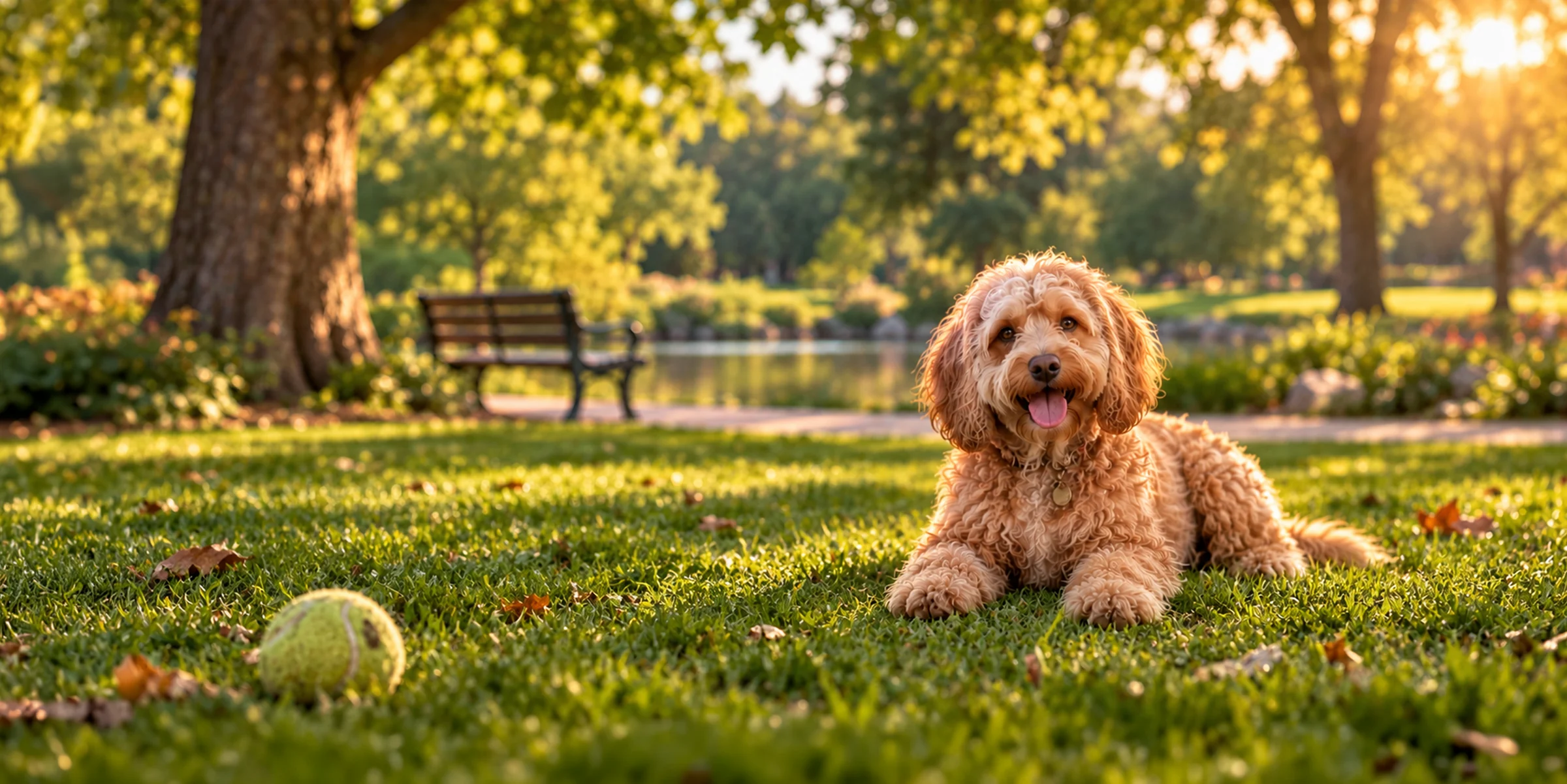
The Cocker cross and the oldest of the doodles. Cheerful and easy for a first-timer, with the Cocker's drop ears bringing recurring ear infections a Poodle would not have.

Schnoodle
The Schnauzer cross, and a sharper, more territorial dog than a Poodle alone. Alert, vocal and genuinely watchful, with both parents contributing a coat that mats rather than sheds.

Havapoo
The Havanese cross, and the sturdiest of the small Poodle crosses. Better built than a Maltipoo and without the Cavapoo's inherited heart risk, at the same grooming cost as either.