

small-to-medium breed
Alaskan Klee Kai
A Husky in miniature right up until the temperament, and then something quite different. Klee Kai kept the coat, the mask and the energy but traded indiscriminate friendliness for real reserve - they bond hard to their household and treat strangers with suspicion. That makes an excellent small watchdog and a poor pocket-sized party dog. Add genuine vocality and a talent for climbing and digging out, and the wrong home gets frustrated fast.

Pup Height
13-17 in
Three sizes share one standard: Toy up to 13 in, Miniature over 13 to 15 in, Standard over 15 to 17 in. Figures above span the range. Dogs advertised as "teacup" are undersized Toys, not a fourth variety. Source: UKC breed standard.

Pup Weight
10-25 lb

Pup Lifespan
13-16 years
Your pup, at a glance
What’s Life With This Pup Really Like?

Devoted to their own people and physically affectionate with them, in inverse proportion to how they treat everyone else.

Better with older, calm children. A Klee Kai is small enough to be hurt by rough handling and reserved enough to dislike being grabbed.

Fine with dogs they grew up with. Cats and small animals are a different matter - the prey drive is intact and does not train away.

High, and varied. Yips, woos and full howls, often in response to very little. This is the trait most likely to upset neighbors.

High. A spitz built for a cold climate in a twenty-pound body, and they need a real outlet most days.

Heavy twice a year when the undercoat blows, moderate in between. A lot of fur for a small dog.

Playful, quick and busy well into adulthood - agility and scent games suit them better than fetch.

Almost none. A tight, dry-mouthed northern breed.

Bright and quick to learn, but independent and easily bored. They will work for you when they see the point, and recall is the weak spot.

Genuinely good, unusually for a small dog. Alert, suspicious of strangers and vocal about it - the trait people least expect from something husky-shaped.

Modest most of the year - weekly brushing, no trimming - with a few intense weeks during each coat blow.

Limited. The vocality, the escaping and the shyness each need managing, and a household that cannot do all three will struggle.
Lifestyle fit
Could This Be Your Best Breed?
An Alaskan Klee Kai suits a securely fenced home with forgiving neighbors and an owner willing to spend months on patient socialization without ever forcing a greeting. They are inexpensive for the commitment at $1,400 to $2,400 a year, and long-lived at thirteen to sixteen years. Skip this one if you share a thin wall, want a dog who greets your friends, or are short on the months the socialization takes.

Living Space
Fine on square footage, difficult on neighbors. Klee Kai are small enough for an apartment and vocal enough to make one a problem, and they need a genuinely secure yard - they climb and dig.

Pup Experience
Not a first dog, for a reason people rarely expect: the difficulty is shyness rather than dominance. They need an owner who will do months of patient socialization and not force them into greetings.

Daily Pup Time
An hour or more of real exercise plus daily mental work, and weekly brushing that becomes daily for a few weeks twice a year.

Allergies & Coat
The Alaskan Klee Kai scores 8/10 for shedding and 1/10 for drooling. No dog is truly hypoallergenic. The allergens come from dander and saliva, and a dog that sheds this much will leave plenty of hair behind - especially on your furniture, floors, and clothes.
Quirks & challenges
The Not-So-Easy Stuff

Shy, Not Aloof
Genuine wariness of strangers, and Klee Kai need months of patient socialization from puppyhood. Forcing greetings makes it worse, not better.
Talks Constantly
Yips, woos and howls, and does it readily. Charming in a house, a genuine problem with shared walls.
Escape Artist
Climbs, digs and slips collars. A secure yard means a tall fence with a dug-proof base, not a hedge.
Not a Mini Husky
Marketed that way constantly. They look like one and behave nothing like one - people expecting Siberian friendliness are consistently caught out.
Prey Drive Is Serious
Cats, rabbits and small birds all register as quarry. Off-leash recall is unreliable in most individuals, however well trained.
Rare and Expensive
Small gene pool and few breeders. Waiting lists are long, prices are high, and that combination attracts the kind of breeder worth avoiding.
The good, the bad & the hairy
Health, Care & Costs
Understanding the health risks and ongoing costs of a Alaskan Klee Kai helps you plan for a happy, healthy life together.

13-16 years
$50-$80
per groom (bath and deshedding), every 8-12 weeks - more often during the twice-yearly coat blow ($250-$450/year)
$1,400-$2,400/year
all-in (food, routine vet, grooming, insurance, incidentals)

Health Risks
Conditions this breed is prone to.

The kneecap slips out of its groove, causing a skipping gait or a leg held up mid-stride. Mild cases are managed; severe ones need surgery to deepen the groove. Common in small breeds and gradable by a vet.
An inherited clotting disorder found in this breed. Most affected dogs bleed only after surgery or injury rather than spontaneously, and there is a DNA test - ask whether both parents were screened.
Lens clouding that appears in young dogs rather than old ones, and can progress to blindness. Surgery is effective but expensive. Annual eye certificates on the parents are the thing to ask for.
A blood vessel bypasses the liver, so toxins are not filtered out. Signs are poor growth, vomiting and disorientation after meals. It is correctable by surgery, and a bile acid test catches it early.
The thyroid stops producing enough hormone, causing weight gain, lethargy and a thinning coat. A daily tablet manages it completely and the medication itself is inexpensive.
Congenital problems including pulmonic stenosis occur in the breed at a low but real rate. A cardiac exam on breeding stock is the screening that catches it.

Insurance & Health Coverage
The Klee Kai's notable conditions are mostly inherited and mostly screenable - factor VII deficiency has a DNA test, and eyes, knees and heart are all checked on breeding stock. A well-bred puppy should arrive with paperwork covering them.

What a policy is actually for is the rest: patella surgery and cataract surgery both run well into four figures, and a liver shunt correction is a specialist procedure.

The breed is also long-lived at 13 to 16 years, which means more years of cover and more years for something to appear in a vet's notes - so a policy taken out early, before anything is on record, matters more here than with a breed that lives a decade.
 Get a Pet Insurance Quote
Care needs
The Daily Routine

Grooming
Brush weekly most of the year and daily for a few weeks during each coat blow. The coat is close to self-cleaning and needs no trimming - never shave it, since it insulates against heat as well as cold.

Exercise
An hour or more daily, and it has to include something to think about. A Klee Kai walked but not worked will redirect that energy into digging, escaping and noise.

Food & Weight
Small dogs gain weight on very little, and the coat hides it - go by ribs rather than the scale or the bag. Two measured meals, and count training treats as part of the day's food rather than extra.
Similar breeds
If This Isn’t Quite the One
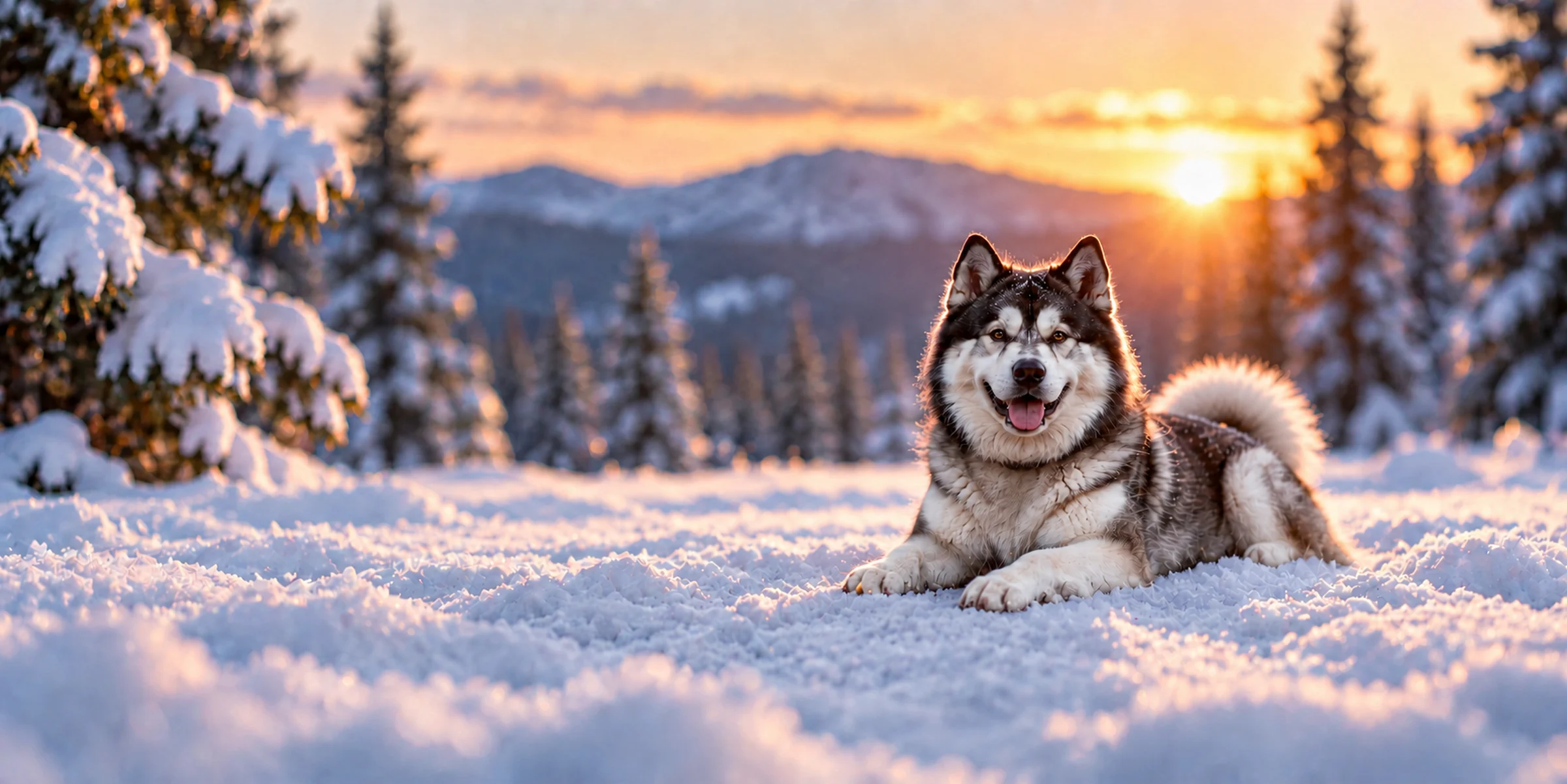
Alaskan Malamute
The northern breed at full size. If the coat and the spitz look are the appeal but the reserve is not, a Malamute is friendly with everyone - and eighty-five pounds rather than twenty.

Miniature Poodle
The same small, clever, high-energy bracket, minus the two things that catch Klee Kai owners out: a Miniature Poodle is outgoing with strangers and genuinely easy to train.

Siberian Husky
The breed the Klee Kai was bred down from, at three to four times the weight. Siberian Huskies are open with strangers where a Klee Kai is wary, and they need far more exercise and far more fence.

Pomsky
The cross people often mean when they picture a miniature Husky, and the honest comparison for one. A Klee Kai is an established breed with a known adult size; a Pomsky is a first-generation cross whose size nobody can promise at eight weeks.