

small breed
American Hairless Terrier
The standard recognizes two coat varieties, hairless and coated, and both appear in the same litters. The hairlessness is recessive, not the dominant gene carried by the Chinese Crested and the Xolo - which is why this breed has a full, normal set of teeth rather than the missing dentition those breeds are known for. Source: AKC breed standard.
A terrier without the coat, and everything else about the terrier is still in there: bright, funny, endlessly busy, devoted to their people and convinced there is something nearby worth digging up. The bare skin buys you a dog who does not shed and never needs brushing. What it costs you is a routine instead - sunscreen, a winter coat, regular baths, and an eye on rashes and blackheads.

Pup Height
12-16 in

Pup Weight
12-16 lb

Pup Lifespan
14-16 years
Your pup, at a glance
What’s Life With This Pup Really Like?

Among the highest here, and partly thermodynamic - a dog with no coat seeks out warmth, and the warmest thing in the house is you. Expect them under the blanket.

Very good. Playful, sturdy for their size and genuinely fond of children, though bare skin means rough handling shows more than it would on a coated dog.

Fine with dogs and manageable with cats they are raised alongside. Rodents, rabbits and birds are a different question - American Hairless Terriers were bred down from a farm ratter.

Alert and opinionated. They announce arrivals and take window duty seriously, though they are not one of the relentless barkers on this site.

Busy rather than tireless. An hour a day covers them, and they are happy to do a good deal of it indoors when the weather rules out the yard.

None at all in the hairless variety - the lowest on this site. The coated variety, which appears in the same litters, sheds like a Rat Terrier.

One of the funniest dogs here. Quick, inventive, faintly ridiculous, and still up for a game well into old age.

Essentially none. A neat, dry-mouthed little dog.

Bright and unusually cooperative for a terrier. They learn fast and enjoy the work; the terrier independence is there but it does not dominate.

A good alarm. They notice everything and say so, though at sixteen pounds the noise is the entire deterrent.

Moderate, but nothing like the usual kind. No brushing at all, and instead a skin routine - regular baths, moisturizer, sunscreen in summer and a coat in winter.

Adjusts easily to apartments, new homes and changes of routine. The real limit is weather rather than temperament.
Lifestyle fit
Could This Be Your Best Breed?
An American Hairless Terrier suits an apartment or a house and an owner who will genuinely run a skin routine rather than a coat one, with shade and sunscreen in summer and a coat outdoors in winter. They are inexpensive to keep at $1,200 to $2,000 a year, and unusually long-lived at fourteen to sixteen years. The people who end up disappointed wanted grooming to mean nothing at all, and traded a brush for sunscreen, baths and a winter coat.

Living Space
An apartment suits them on size and noise, and the American Hairless Terrier is one of the few terriers here you could say that about. The constraint is climate rather than square footage - a bare-skinned dog needs a coat outdoors in winter and shade and sunscreen in summer, whatever the postcode.

Pup Experience
Fine for a first-time owner who reads the skin care section and means it. They are bright, biddable by terrier standards and genuinely easy to train; what is new to most people is running a skin routine on a dog rather than a coat routine.

Daily Pup Time
Forty-five minutes to an hour of exercise and play, plus a few minutes of skin care most days and a bath every week or two. Weather adds a step at both ends of the year.

Allergies & Coat
The American Hairless Terrier has almost no coat to shed, and scores 1/10 for drooling. No dog is truly hypoallergenic. The allergens come from dander and saliva, so a dog with no hair at all still produces them.
Quirks & challenges
The Not-So-Easy Stuff

Sunburn Is a Real Risk
Bare skin burns like ours does. Shade, sunscreen made for dogs, and sensible hours outdoors in summer are not optional extras.
They Get Cold, Genuinely
No coat means no insulation. Below about fifty degrees they need a sweater outdoors, and they will find the warmest spot indoors without being asked.
Skin Needs a Routine
Blackheads, rashes and dry patches are the common complaints. Regular baths and moisturizing prevent most of it; ignoring it means vet visits.
Hairless Is Not Allergy-Free
No shed hair helps, but allergies are usually to dander and saliva, both of which they still have. Meet one before assuming.
The Prey Drive Is Intact
Bred down from a farm ratter and still wired for it. Small pets, and any squirrel within sight, remain a live issue.
A Determined Digger
Terrier through and through. A flower bed is a project, and a bare-skinned dog digging in full sun is two problems at once.
The good, the bad & the hairy
Health, Care & Costs
Understanding the health risks and ongoing costs of a American Hairless Terrier helps you plan for a happy, healthy life together.

14-16 years
$35-$55
per visit (bath, skin care and nails) if you outsource it, every 4-6 weeks - or close to nothing done at home ($0-$450/year)
$1,200-$2,000/year
all-in (food, routine vet, skin and sun care, insurance, incidentals)

Health Risks
Conditions this breed is prone to.

The defining health consideration of the breed. Bare skin sunburns, dries out, and develops comedones and rashes that turn into infections when left. Most of it is preventable with sunscreen, shade and a bathing routine, which makes it a cost of ownership rather than bad luck.
The ligaments holding the lens break down and the lens slips, which is painful and can cause glaucoma and blindness quickly. It runs in the terrier group and there is a DNA test - ask to see the parents' results, since this one is entirely avoidable through testing.
The kneecap slips out of its groove, producing a skipping step or a leg held up for a stride or two. Mild cases are managed; severe ones need surgery. Common across small breeds.
The blood supply to the head of the femur fails and the bone dies back, causing a painful hind leg in a young dog. Surgery is usually the answer, and it shows up in the first year rather than later.
The hip joint develops loosely, so the ball and socket grind instead of gliding. It leads to arthritis and, in severe cases, surgery. Less punishing in a sixteen-pound dog than a large one, but worth seeing scores for both parents.
The heart valve thickens with age and starts to leak, which a vet first hears as a murmur. It is the commonest cardiac problem in small breeds and usually a late-life one, managed with medication for years rather than cured.

Insurance & Health Coverage
A long-lived, structurally sound little dog, and the fourteen-to-sixteen-year span is the first thing to plan around - that is a long time for something to come up.

The expensive items here are eyes and knees. Primary lens luxation is a surgical emergency that can cost thousands and can take the eye if it is not caught quickly, and knee surgery for a luxating patella is in the same range. Both are conditions a policy is built for.

Skin is the opposite case and worth being clear about: recurring rashes and infections are common enough in this breed that insurers may treat them as a known, ongoing problem rather than a one-off claim, and a skin history in the notes is exactly the kind of thing that gets written into an exclusion later. Cover taken out while the skin is clear is worth more here than in most breeds.
 Get a Pet Insurance Quote
Care needs
The Daily Routine

Grooming
No brushing and no shedding, but the skin needs the attention the coat would have. Bathe every one to two weeks with a gentle shampoo, moisturize after, and check regularly for blackheads, dry patches and rashes. Nails, teeth and ears on the usual schedule.

Exercise
Forty-five minutes to an hour daily, split between a walk and active play. They are quick and agile and enjoy having something to chase or solve - terrier sports suit them well - and they do the running indoors happily when the weather is against them.

Food & Weight
Measure the meals. At twelve to sixteen pounds a few extra treats a day show up fast, and weight sits badly on knees already prone to slipping. Training treats should come out of the daily ration rather than on top of it.
Similar breeds
If This Isn’t Quite the One
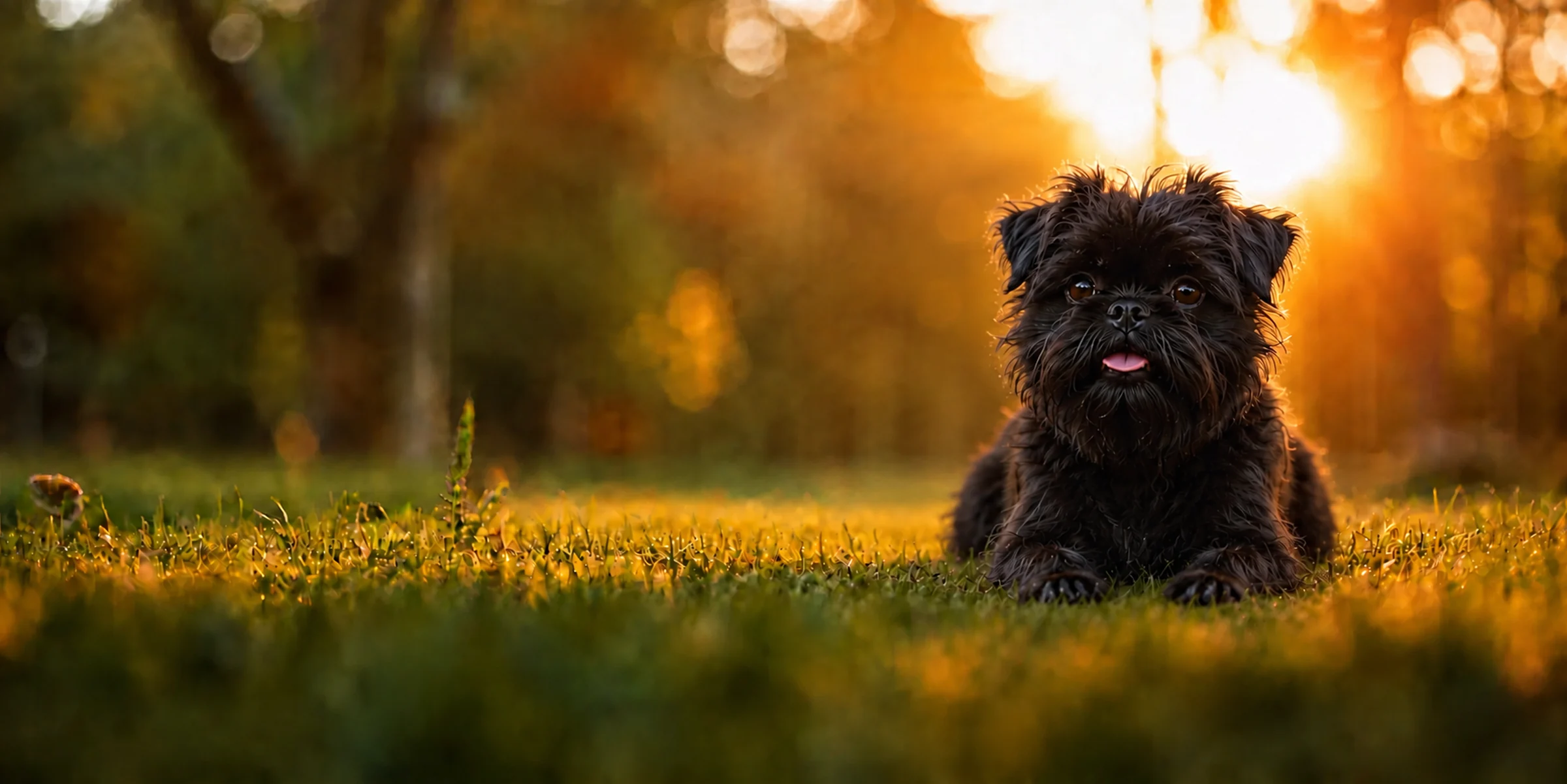
Affenpinscher
The same size and much the same comic, busy, self-possessed character - in a dog whose coat is the whole point rather than absent. If the personality appeals but the sun cream does not, this is the swap.
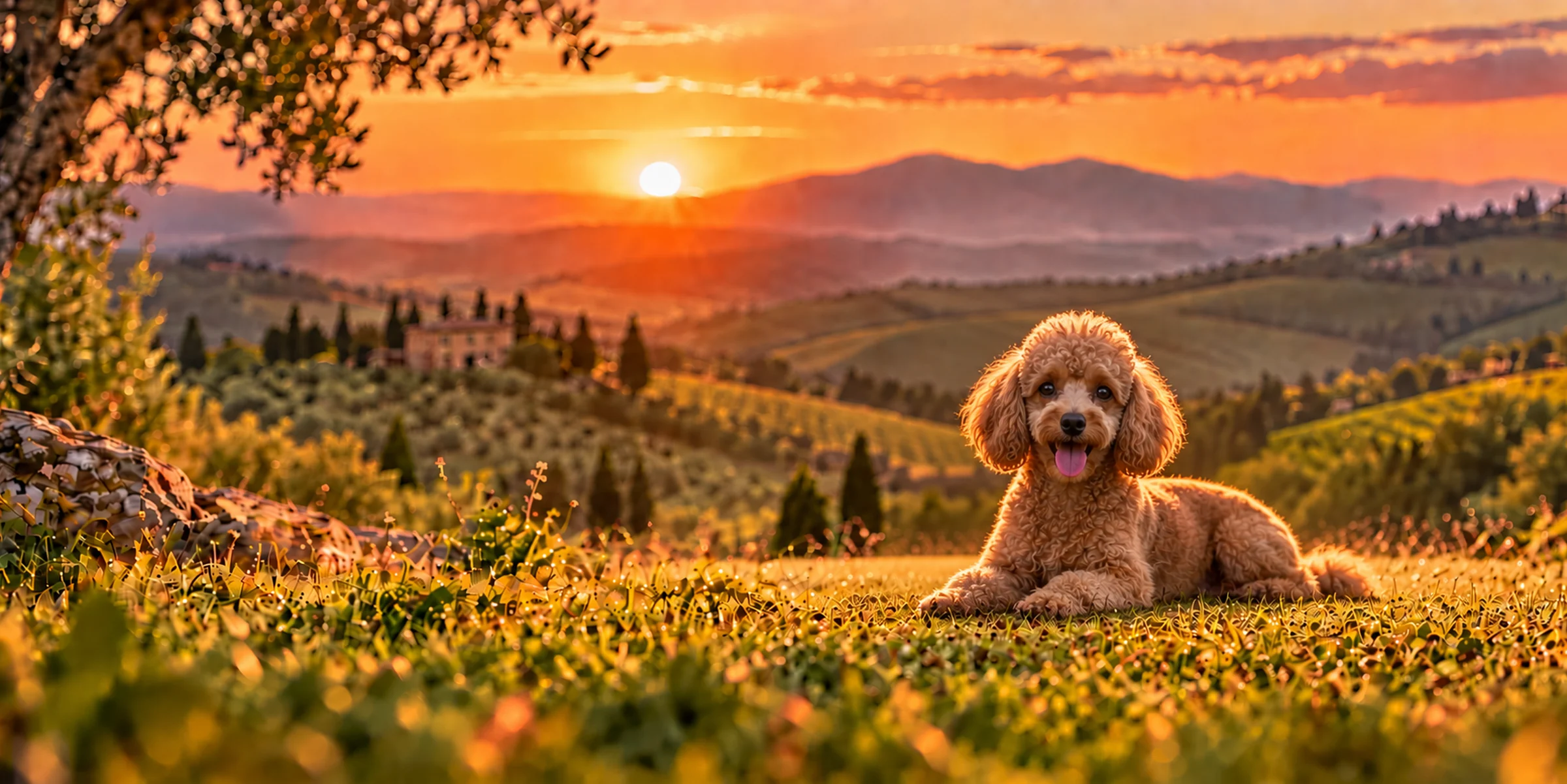
Miniature Poodle
The other answer to wanting a small dog without hair all over the house. A Miniature Poodle sheds almost nothing and needs no skin routine or sunscreen, at the cost of a professional groom every six weeks.
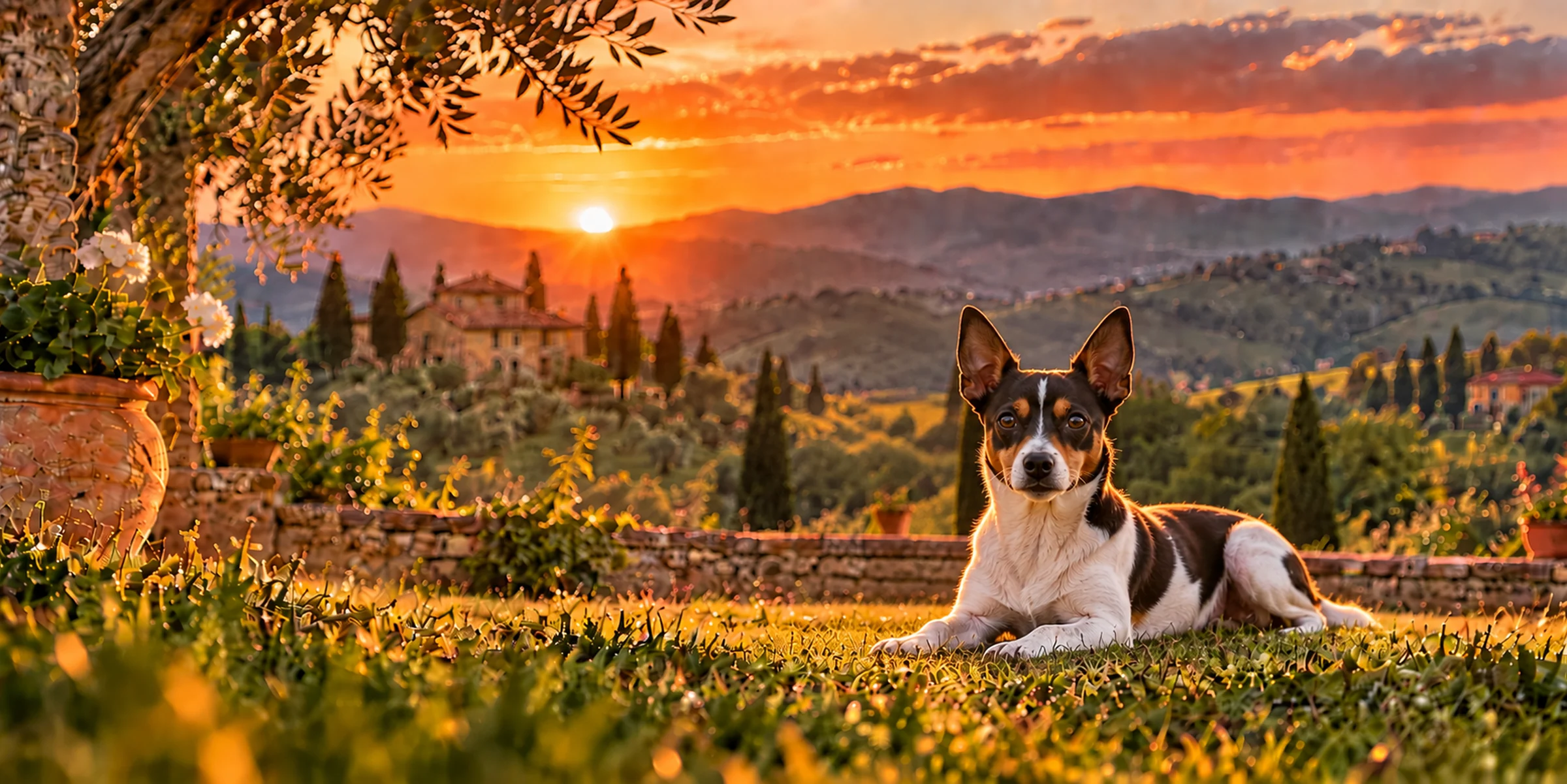
Rat Terrier
The breed the American Hairless Terrier came from, and the temperament is the same - bright, busy, affectionate and keen on anything that scurries. A Rat Terrier has a short coat to brush and some shedding to live with, and no sunscreen or skin routine at all.