

medium breed
Australian Kelpie
Tireless, extremely quick to learn, and more self-directed than a Border Collie or a Cattle Dog - Kelpies were built to be sent out of sight and make their own decisions about sheep. They are lean, quiet, cheap to keep and almost no trouble to groom. The trouble is the work. A Kelpie without a job is a dog carrying enormous drive and nowhere to put it, and that is not a happy animal.

Pup Height
18-20 in
Figures are for males; females are 17-19 in. Two populations exist and the difference is not cosmetic: Working Kelpies are bred by stockmen purely for the job and are registered separately, while show or bench Kelpies are bred to a conformation standard and are somewhat less extreme. The AKC lists the Working Kelpie as a separate Foundation Stock Service entry for that reason; this page covers both, since they are the same dog bred for two different ends. A Working Kelpie in a pet home is the single commonest way this breed goes wrong. Source: ANKC breed standard.

Pup Weight
31-46 lb

Pup Lifespan
12-15 years
Your pup, at a glance
What’s Life With This Pup Really Like?

Affectionate but businesslike. They are loyal and connected without being clingy, and would generally rather work near you than lie on you - noticeably less needy than a Cattle Dog.

Good with children they are raised with, though the herding drive fires at running and the result is chasing and nipping. Better with older children who can be taught not to trigger it.

Generally fine with other dogs and with stock, which is the point of Kelpies. Cats and small animals get herded rather than hunted, which is its own problem.

Moderate and purposeful. They are not chatty dogs, and most of the noise means something - the exception is a bored Kelpie, who will bark at nothing for hours.

The top of the scale, and among the most extreme examples of it anywhere. Bred to work all day in heat and to keep going after that.

Moderate and year-round with a heavier seasonal turn. The coat is short and the hair is fine, so it is among the easier ones to live with.

Focused and driven rather than playful. They will fetch indefinitely, but it is work to them, and a real task holds them far better than a toy.

Almost none. A lean, dry, tidy dog.

Exceptional. Very fast to learn, very willing to work, and independent enough to make their own decisions when you are out of sight - which is a feature on a hillside and a complication in a park.

Good. Alert, watchful and reserved with strangers, though the Kelpie is a working dog rather than a guarding one and the response stops at telling you.

Very low. A weekly brush covers it. There is no trimming, no stripping and no professional grooming in this breed's life.

The lowest here alongside the guardians, and for the opposite reason. A Kelpie will adjust to any house, any routine and any climate, and to no amount of under-employment at all.
Lifestyle fit
Could This Be Your Best Breed?
An Australian Kelpie needs land, preferably with stock on it, and an owner who can supply two hours of genuine work most days - walking does not count toward it. They are cheap to run at $1,300 to $2,300 a year over twelve to fifteen years. A yard in a suburb, and a plan to keep a pet rather than a working partner, is exactly the arrangement this drive does not survive.

Living Space
Land, and preferably stock on it. A Kelpie is a lean, quiet, low-maintenance dog who takes up no room at all and needs more space to work than almost anything else here - a yard is a holding pen rather than an outlet.

Pup Experience
Not a first dog, and for many households not a suitable dog at all. Kelpies are brilliant to train and completely uninterested in a life without work, and the gap between what they were bred for and what a pet home offers is wider here than in any other herding breed on this site.

Daily Pup Time
Two hours or more of genuine work most days, and walking does not count toward it. Ten minutes a week on the coat.

Allergies & Coat
The Australian Kelpie scores 5/10 for shedding and 1/10 for drooling. No dog is truly hypoallergenic. The allergens come from dander and saliva, and a dog that sheds this much will leave plenty of hair behind - especially on your furniture, floors, and clothes.
Quirks & challenges
The Not-So-Easy Stuff

Bred for Work, Not Company
Working lines especially are intense to the point of unsuitability for pet homes. Ask which line a puppy comes from before anything else.
Tireless Is Not an Exaggeration
They were selected to outlast the day. Two hours of real work is a starting point, not a generous allowance.
They Work Independently
Bred to be sent out and decide for themselves. Recall and impulse control need deliberate work rather than assuming they will check in.
Herds Whatever Is There
Without stock they will work children, cats, bicycles and traffic. The drive does not wait for something appropriate.
Bored Turns Into Neurotic
Under-worked Kelpies develop repetitive behaviors - spinning, shadow-chasing, fence-running - that are hard to undo.
Reserved With Strangers
Aloof rather than friendly with new people, and quick to notice anything unfamiliar. Early socialization matters.
The good, the bad & the hairy
Health, Care & Costs
Understanding the health risks and ongoing costs of a Australian Kelpie helps you plan for a happy, healthy life together.

12-15 years
$40-$60
per groom (bath, nails and ears), every 8-12 weeks - a short coat needs little ($180-$300/year)
$1,300-$2,300/year
all-in (food, routine vet, grooming, insurance, incidentals)

Health Risks
Conditions this breed is prone to.

An inherited disease in which the cerebellum degenerates, so a young dog becomes progressively unsteady and uncoordinated. There is no treatment and it usually appears in the first year or two. A DNA test exists for the form that runs in this breed - ask to see both parents' results.
A developmental defect of the back of the eye, ranging from mild and harmless to retinal detachment and blindness. It is present at birth, identifiable by an eye examination in puppies and by DNA test in the parents, so it is avoidable rather than a matter of luck.
An inherited disease that slowly destroys the retina. Night vision goes first, then daylight vision, usually ending in blindness. There is no treatment, but it is painless and gradual, and most dogs cope well in a home they already know.
The hip joint develops loosely, so the ball and socket grind instead of gliding. It leads to arthritis and, in severe cases, replacement surgery. Ask to see hip scores for both parents.
The knee ligament tears under the load of a fast dog turning hard on uneven ground. It usually needs surgery, and dogs that do one side often do the other later.
Less a disease than the cost of the job - torn pads, cuts, strains, and heat exhaustion in a dog who will keep working past the point of sense. Worth budgeting for if they are actually worked.

Insurance & Health Coverage
One of the soundest breeds on this site. Working stockmen culled hard for function, and it shows - there is no cluster of inherited disease and the lifespan is good.

What costs money is the work rather than the genetics. Cruciate surgery runs several thousand dollars per knee, and a dog turning at speed on rough ground is a genuine candidate. The routine injuries of a working life - pads, cuts, strains - add up quietly, and heat stress is a real emergency in a dog who does not know when to stop.

The inherited conditions that do exist are almost all testable, which changes what insurance is for. Cerebellar abiotrophy and collie eye anomaly are congenital and would be excluded by any policy, so the protection there is the parents' DNA results and a puppy eye examination - not cover bought afterward.
 Get a Pet Insurance Quote
Care needs
The Daily Routine

Grooming
A short, weather-resistant double coat that needs a weekly brush and a bit more during the seasonal shed. Nails, teeth and ears on the usual schedule - among the least demanding coats here.

Exercise
Two hours or more of real work most days. Herding is the obvious answer; agility, canicross, flyball and serious scent work are the realistic substitutes. Walking a Kelpie is transport, not exercise.

Food & Weight
Feed to the workload rather than a fixed scoop - a dog working stock needs a great deal more than the same dog rained in for a week. Keep them lean; this breed carries no spare weight naturally and should not be encouraged to.
Similar breeds
If This Isn’t Quite the One
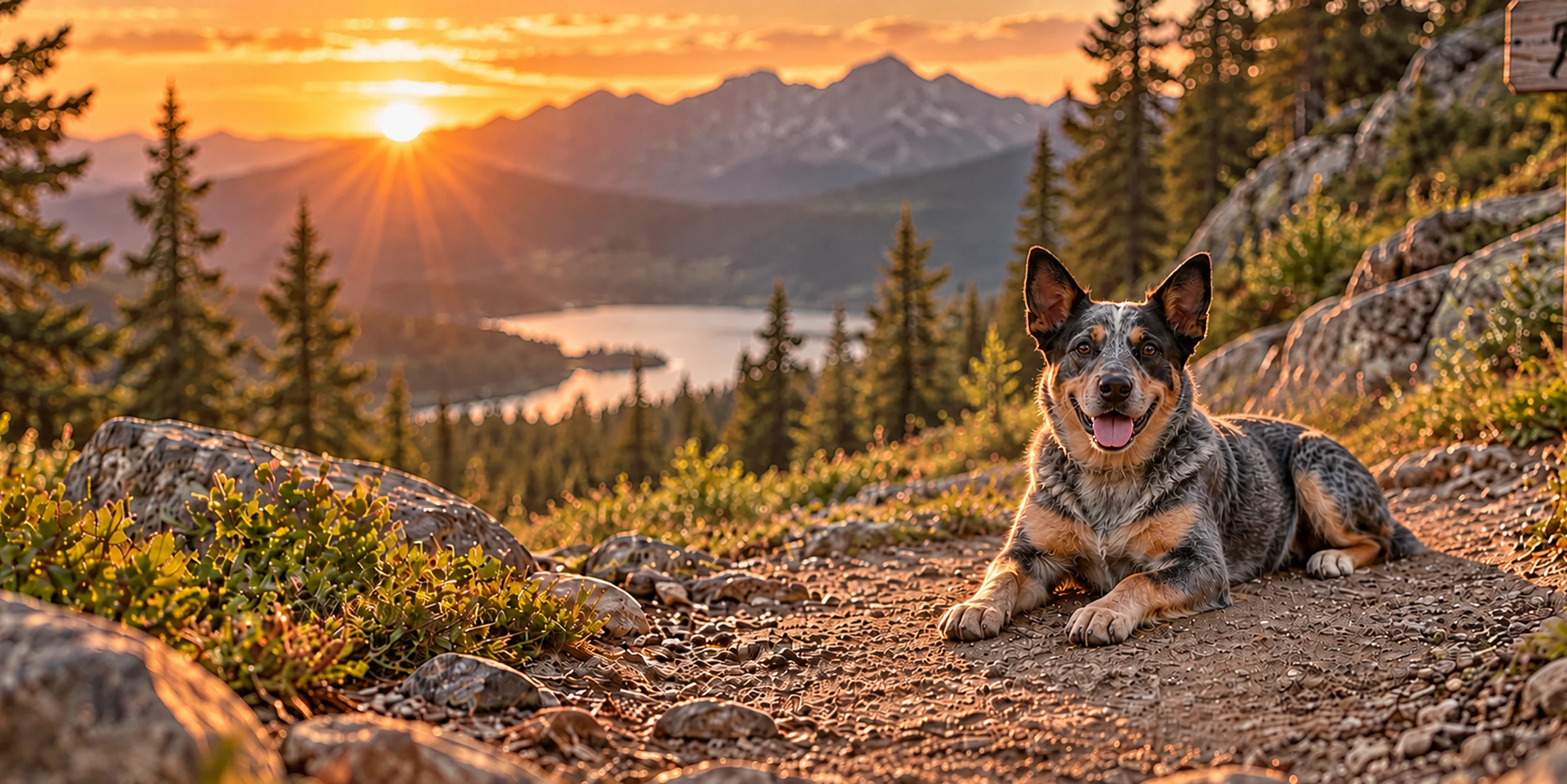
Australian Cattle Dog
Same country, same era, same extreme drive - and the pair are often confused. The Cattle Dog is heavier, works close and attaches hard to one person; the Kelpie is leaner, works at distance and is markedly more self-contained.
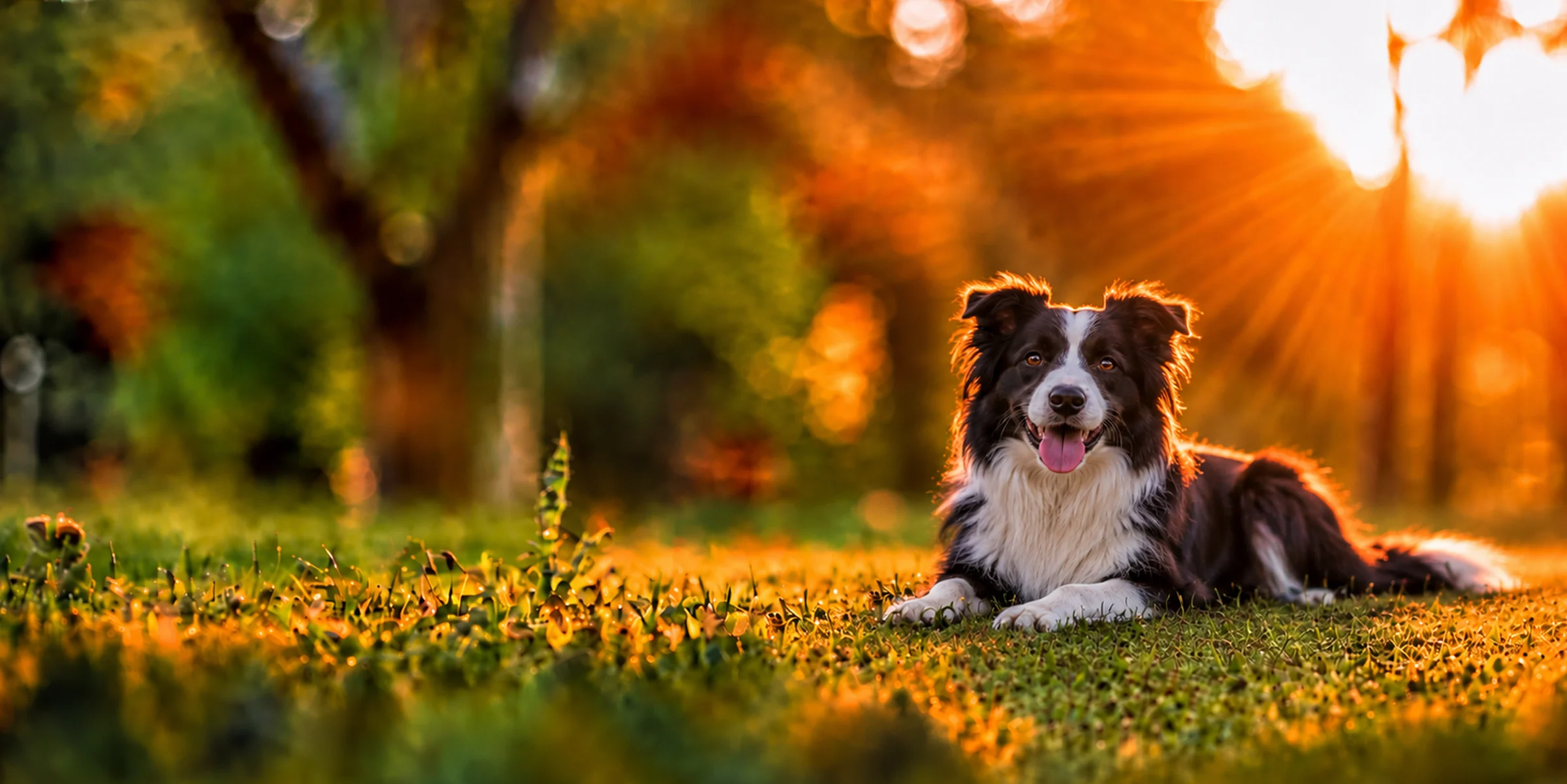
Border Collie
The other great sheepdog, and the more available one. A Border Collie works with more eye and more handler contact where the Kelpie is sent out to solve it alone - and the Collie is the easier of the two to satisfy in a non-farming home.