

small breed
Australian Terrier
Alert, busy, funny and genuinely affectionate - noticeably steadier and less scrappy than most terriers this size, and adaptable to almost any living situation. Australian Terriers shed very little, which is unusual company for a hard coat, though it wants a proper strip rather than a clip every few months. The voice is the thing to work on from day one: the barking is enthusiastic, it starts early, and nobody trains it out afterward for free.

Pup Height
10-11 in
The standard gives one size for both sexes, with females allowed slightly less height. Three colors are recognized - blue and tan, solid sandy, and solid red - and all carry the same harsh two-inch outer coat with a soft undercoat beneath. The Australian Terrier is a separate breed from the Silky Terrier, which is finer-coated and longer. Source: AKC breed standard.

Pup Weight
15-20 lb

Pup Lifespan
11-15 years
Your pup, at a glance
What’s Life With This Pup Really Like?

Genuinely affectionate and closely attached to their people - they were often the only dog on a remote property, and the companionship half of the job was taken as seriously as the vermin half.

Very good, and better than most terriers their size. Sturdy, playful and tolerant, with the usual caution that a small dog and a small child both need supervising for each other's sake.

Fine with dogs they are raised with, sharper with strange ones, and difficult in same-sex pairings. Rodents, rabbits and birds are genuinely not safe with an Australian Terrier.

High. They were bred to raise the alarm on an isolated station and they still consider it a core duty. It can be reduced with early work, but a silent Australian Terrier is not a realistic goal.

Moderate. An hour a day covers them comfortably, and they are happy to spend a good part of it indoors - one of the more manageable exercise loads on this site.

Very low. The harsh double coat holds what it drops, which is why it needs combing out rather than vacuuming up.

Busy, inventive and comic. They play hard for their size and stay interested in it well into old age.

None to speak of. A neat, dry-mouthed little dog.

Good, and unusually cooperative for a terrier. They learn quickly and enjoy the work; the independence is there but it does not run the show.

Excellent for the size. Alert, quick to notice and entirely willing to announce it - the noise is the whole deterrent, but it is a reliable one.

Moderate and specific. Two brushings a week and a hand-strip every few months. The coat is low-shedding but it is not low-effort, and clipping it is the one thing not to do.

High - among the best here. Apartment or farm, city or country, they settle in and get on with it. The only real constraint is whether the neighbors can live with the barking.
Lifestyle fit
Could This Be Your Best Breed?
An Australian Terrier does well in an apartment and suits a first-time owner willing to put the early work into the barking and the prey drive. They are cheap to keep at $1,100 to $1,900 a year and live eleven to fifteen years. Anyone with small pets at home, or anyone who needs silence through a shared wall, should look elsewhere.

Living Space
One of the better small dogs here for an apartment - Australian Terriers are compact, shed very little and do not need a yard. The thing to plan for is the barking, which is enthusiastic and which shared walls make everyone else's business.

Pup Experience
Fine for a first-time owner, and one of the more even-tempered terriers to start with. Australian Terriers are confident rather than difficult, and the work that needs doing is on the barking and the prey drive rather than on any general stubbornness.

Daily Pup Time
Forty-five minutes to an hour of walking and play, plus a brush twice a week and a hand-strip or tidy every few months. Not a demanding dog by the standards of this site.

Allergies & Coat
The Australian Terrier scores 2/10 for shedding and 1/10 for drooling. No dog is truly hypoallergenic. The allergens come from dander and saliva, and a coat that sheds this little leaves far less of them on your furniture, floors, and clothes.
Quirks & challenges
The Not-So-Easy Stuff

They Have a Lot to Say
Bred to raise the alarm on an isolated station and still keen on the work. Trainable down to a reasonable level, never to silence.
Prey Drive Is Serious
Australian Terriers were killing snakes and rats for a living. Rodents, rabbits and birds are not safe, and a squirrel will empty their head entirely.
A Committed Digger
Terrier through and through, and a flower bed is a project. A designated digging spot works far better than trying to stop it.
Clip It and You Ruin It
The harsh outer coat needs stripping. Clipping softens it permanently, kills the color and starts the skin problems.
Bigger in Their Own Mind
Twenty pounds of complete confidence, including toward dogs many times their size. Leash manners matter more than they look like they should.
Sharp With Strange Dogs
Sociable with people, less so with unfamiliar dogs, and same-sex pairings can be difficult. Early socialization is what smooths it.
The good, the bad & the hairy
Health, Care & Costs
Understanding the health risks and ongoing costs of a Australian Terrier helps you plan for a happy, healthy life together.

11-15 years
$55-$85
per groom (hand-strip and tidy), every 8-12 weeks - less if you learn to strip them yourself ($0-$500/year)
$1,100-$1,900/year
all-in (food, routine vet, grooming, insurance, incidentals)

Health Risks
Conditions this breed is prone to.

This breed sees it more often than most. It shows up as sudden thirst, weight loss and constant hunger, and it is manageable with daily insulin and consistent feeding - but it is a lifelong daily cost rather than a one-off fix, and it usually appears in middle age.
The kneecap slips out of its groove, producing a skipping step or a leg held up for a stride or two. Mild cases are managed; severe ones need surgery. Common across small breeds and worth a vet checking at the puppy visit.
The blood supply to the head of the femur fails and the bone dies back, causing a painful hind leg in a young dog. Surgery is usually the answer, and it shows up in the first year rather than later.
Itching, chewed paws and recurring hot spots, usually from environmental allergens. Manageable rather than curable, and the medication and diet costs recur for life. Clipping the coat instead of stripping it makes it noticeably worse.
The knee ligament tears, often in a dog whose kneecap was already unstable. It usually needs surgery, and dogs that do one side often do the other later.
The lens clouds and vision goes with it. Surgery restores sight in most cases but runs into thousands per eye, and breeding stock should carry a current eye examination certificate.

Insurance & Health Coverage
A sturdy, long-lived little dog with no catastrophic condition hanging over them, and one of the cheaper breeds on this site to keep.

Diabetes is the one worth planning for specifically. It is commoner in this breed than in most, it usually arrives in middle age, and it is a permanent daily expense rather than a single bill - insulin, monitoring and regular bloodwork for the rest of their life. It is also exactly the sort of chronic condition an insurer will exclude the moment it appears in the notes, which makes the timing of cover matter more here than the amount.

The surgical risks are the knees. A luxating patella and the cruciate rupture that often follows it are each in the low thousands, and they tend to show up early enough that arranging cover in the first year is the sensible move rather than a cautious one.
 Get a Pet Insurance Quote
Care needs
The Daily Routine

Grooming
Brush twice a week with a slicker and a comb, and hand-strip the harsh outer coat every few months rather than clipping it - clipping permanently softens the texture, dulls the color and tends to bring on skin trouble. Bathe rarely. Nails, teeth and ears on the usual schedule.

Exercise
Forty-five minutes to an hour daily, split between a walk and active play. They enjoy terrier sports, scent games and anything involving a digging box, and they are content to do a fair share of it indoors when the weather is poor.

Food & Weight
Measure the meals carefully. At fifteen to twenty pounds a few extra treats a day show up quickly, weight sits badly on knees already prone to slipping, and this is a breed with a real diabetes risk - keeping them lean is doing more work here than it does for most dogs.
Similar breeds
If This Isn’t Quite the One
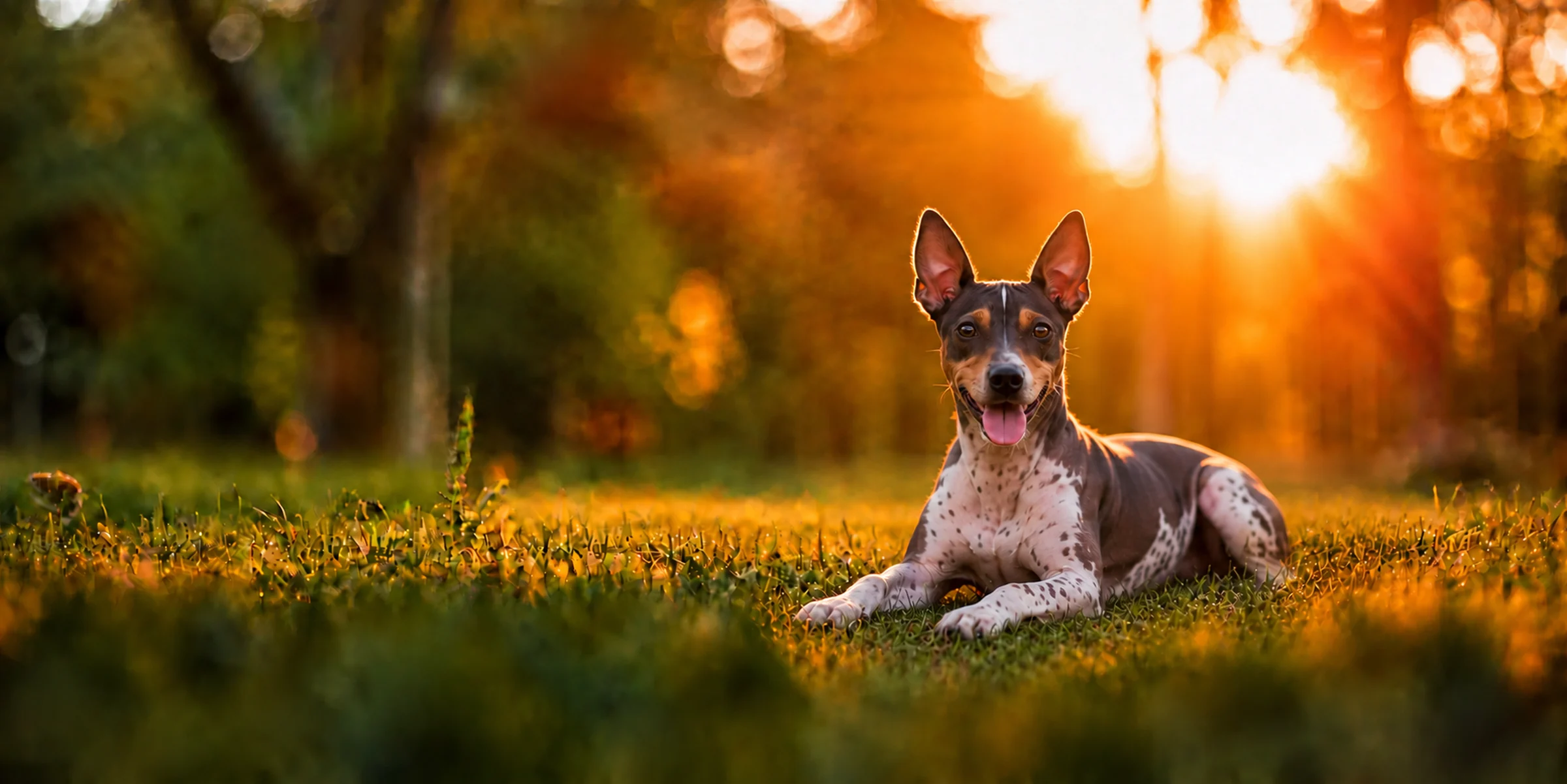
American Hairless Terrier
The same size and much the same busy, confident terrier character, at the opposite end of the coat question - no brushing or stripping at all, in exchange for sunscreen, a winter coat and a skin routine.

Affenpinscher
Another small, wiry, comically self-assured dog with a similar amount of personality per pound. The Affenpinscher is the more clownish of the two and needs less exercise; the Australian Terrier has the stronger prey drive and the louder opinions.

Silky Terrier
The finer, toy-sized relative built partly from Australian Terrier crosses. Silkys carry a longer silky coat that needs combing to the skin, and they sit in the Toy Group rather than the Terrier.