

medium-to-large breed
Barbado da Terceira
Shaggy, bearded and thoroughly cheerful, with a great deal of drive and a well-documented sense of humor. The Barbado is devoted to their family, good with children, watchful with strangers and enormously energetic. Two things catch people out: the amount of coat, including a beard that needs attention after every meal and drink, and the fact that a Barbado considers an instruction first and then usually, but not always, follows it.

Pup Height
21.5-23 in
Figures are for males; females are 20-22 in and slightly lighter. The name means "bearded dog of Terceira" and the long hair over the eyes and muzzle is a breed hallmark rather than something to trim away. Fawn, yellow, gray, brown, black and wolf gray are all accepted, with or without white markings. Source: FCI breed standard.

Pup Weight
44-60 lb

Pup Lifespan
12-14 years
Your pup, at a glance
What’s Life With This Pup Really Like?

Genuinely affectionate and closely bonded to the whole family. A Barbado is a working dog who wants to be indoors with their people when the work is finished, beard and all.

Very good - playful, sturdy and fond of them. The caveat is the herding instinct, which turns running children into livestock and occasionally into a nipped heel.

Fine with dogs and with livestock a Barbado is raised around. Small fast animals get gathered rather than hunted, which is its own kind of problem.

Fairly high. They announce visitors and anything unusual, and a bored Barbado is considerably noisier than a working one.

High. Two hours of real activity most days, and the mental half of it is what actually settles them.

Moderate and year-round. The coat is long enough that what drops is visible, though a good deal of it stays in the coat until it is brushed out.

Cheerful and mischievous - Portuguese descriptions of the breed keep returning to the sense of humor, and it is not marketing. They stay playful well into middle age.

Low in itself, but the beard carries water from the bowl to wherever they go next. Budget for the towel rather than the drool.

Good and genuinely willing, with an independent streak. They consider a request before acting on it, which is a feature with cattle and a test of patience in a living room.

Excellent. Watchful, territorial and quick to announce a stranger, and they take the farm end of the job as seriously as the herding end.

High and continuous. Several thorough brush-outs a week, daily beard maintenance, and attention to the places that mat. This is the real cost of the breed.

Low to moderate. They settle into new homes readily enough, but the exercise load and the barking together rule out most ordinary living situations.
Lifestyle fit
Could This Be Your Best Breed?
A Barbado da Terceira suits a house with land and a household that is out on it, and an owner who will out-persist them pleasantly rather than out-argue them across two hours of activity most days. Costs run $1,700 to $2,800 a year over twelve to fourteen years, and they stay genuinely scarce outside Portugal, so expect a wait. The beard and the coat never stop asking, and the land is not negotiable, so an apartment, a first dog or a household that dislikes grooming is the wrong home.

Living Space
A house with land and a household that is out on it. They were bred to work cattle across a volcanic island in all weather, and a yard is somewhere to wait between jobs rather than an outlet in itself.

Pup Experience
Not a first dog. A Barbado is clever and willing, which people take for easy, and then meet the headstrong streak that made them useful with cattle that did not want to move. They need someone who will out-persist them pleasantly rather than out-argue them.

Daily Pup Time
Around two hours of activity most days with real mental work in it, plus brushing several times a week and a beard that needs attention after every meal and drink.

Allergies & Coat
The Barbado da Terceira scores 5/10 for shedding and 3/10 for drooling. No dog is truly hypoallergenic. The allergens come from dander and saliva, and a dog that sheds this much will leave plenty of hair behind - especially on your furniture, floors, and clothes.
Quirks & challenges
The Not-So-Easy Stuff

The Beard Is a Wet Sponge
It collects water, food and mud at every meal and carries all of it to the sofa. Wiping it is a daily job, not a grooming-day one.
The Coat Mats Fast
Long and wavy, and it knots behind the ears, under the legs and around the trousers. Several brush-outs a week, properly to the skin.
Headstrong, Not Stupid
They weigh up instructions before following them, which is what made them useful with cattle. Patience gets far more out of them than firmness.
Two Hours, Every Day
A real working load. Under-exercised they become noisy, busy and inventive, and the inventions are rarely welcome.
Herds the Family
Gathering and nudging running children is instinct rather than naughtiness, but it comes with nipping and needs redirecting early.
Genuinely Hard to Find
Rare outside the Azores and mainland Portugal. Expect long waits, few breeders and little breed support nearby.
The good, the bad & the hairy
Health, Care & Costs
Understanding the health risks and ongoing costs of a Barbado da Terceira helps you plan for a happy, healthy life together.

12-14 years
$70-$110
per groom (bath, brush-out, beard and feet), every 6-8 weeks ($500-$900/year)
$1,700-$2,800/year
all-in (food, routine vet, grooming, insurance, incidentals)

Health Risks
Conditions this breed is prone to.

The hip joint develops loosely, so the ball and socket grind instead of gliding. It leads to arthritis and, in severe cases, replacement surgery. A small breeding population makes parental hip scores more important here, not less - ask to see them.
Similar to hip dysplasia but in the elbow joint - the bones do not fit together properly, causing pain and early arthritis. Treatment ranges from management to surgery depending on severity.
An inherited disease that slowly destroys the retina. Night vision goes first, then daylight vision, usually ending in blindness. There is no treatment, but it is painless and gradual, and most dogs cope well in a home they already know.
The lens clouds and vision goes with it. Surgery restores sight in most cases but runs into thousands per eye, and breeding stock should carry a current eye examination certificate.
Drop ears with a good deal of hair in and around them trap warmth and moisture, which is what bacteria and yeast want. Structural rather than inherited, and weekly cleaning is genuine prevention.
The knee ligament tears under the load of a powerful dog turning at speed on uneven ground. It usually needs surgery, and dogs that do one side often do the other later.

Insurance & Health Coverage
A robust working breed with no cluster of inherited disease and a good working life ahead of them - the concerns here are structural rather than genetic.

The expensive risks come from the job. Cruciate surgery is several thousand dollars per knee and a dog turning hard on rough ground is a genuine candidate, often on both sides eventually. Joint surgery for hip or elbow dysplasia sits in the same range, and cataract surgery is thousands per eye.

The small breeding population is the reason to treat the parents' hip, elbow and eye certificates as a requirement rather than a nicety - there is less margin in a gene pool this size. The recurring line most owners actually meet is ear infections, and that is precisely the sort of thing an insurer writes into an exclusion once it appears in the notes, so the timing of cover matters.
 Get a Pet Insurance Quote
Care needs
The Daily Routine

Grooming
Brush three or four times a week with a slicker and a comb, working right down to the skin behind the ears, under the legs and around the trousers where it mats first. The beard needs wiping daily and after every meal. Trim the feet and around the eyes enough to keep them comfortable, but the coat is not clipped down.

Exercise
Around two hours daily with real thinking in it. Herding, agility, canicross, obedience and scent work all suit them; two hours of walking will move their legs and leave a working brain looking for a project.

Food & Weight
Two measured meals with training treats coming out of the ration. A heavy coat hides weight gain, so judge by ribs rather than by eye - and expect the beard to arrive at the water bowl and leave with half of it.
Similar breeds
If This Isn’t Quite the One
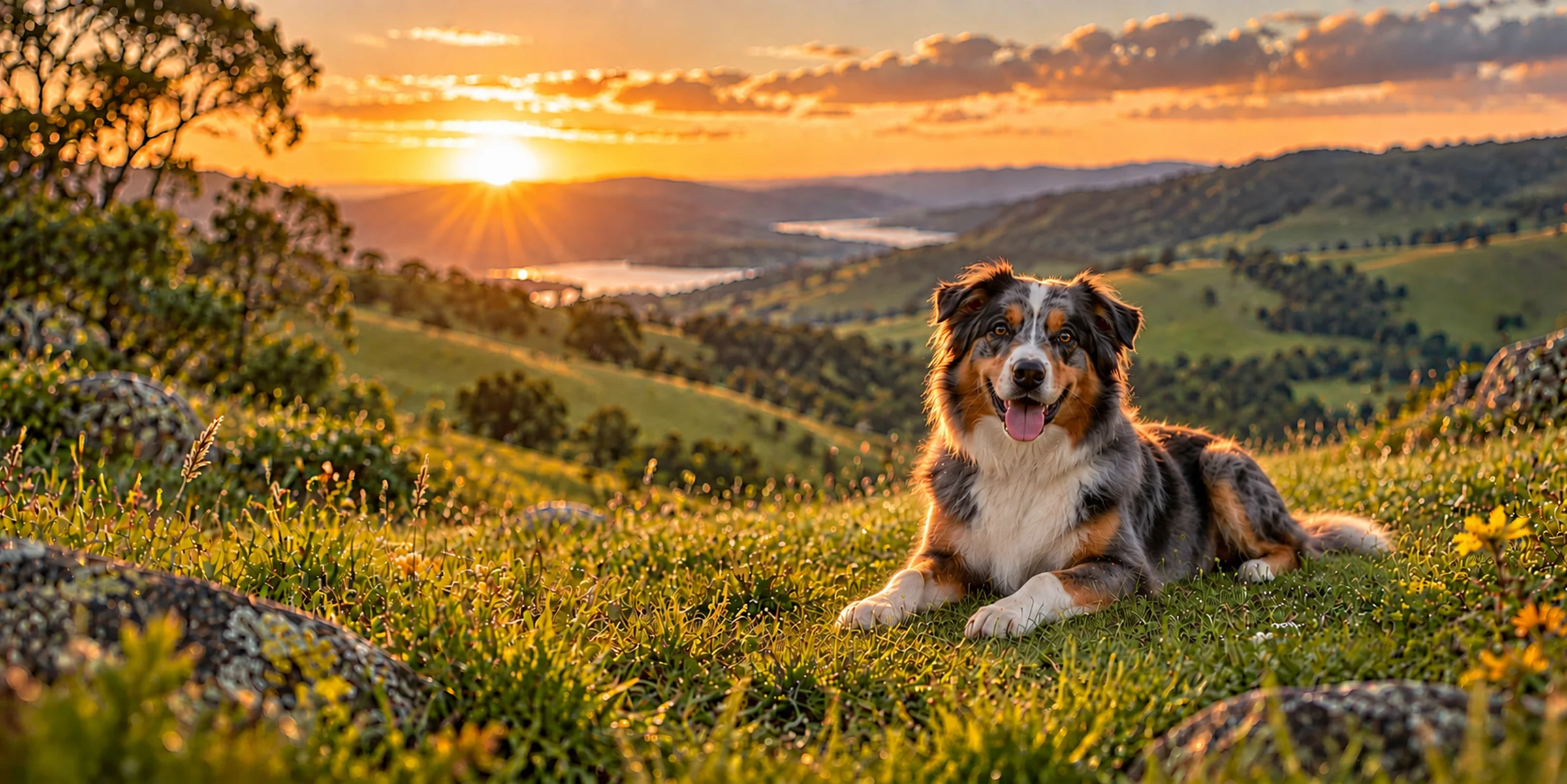
Australian Shepherd
The closest match on this site - a long-coated herding dog with the same order of drive, the same family orientation and a similar grooming commitment. The Aussie is far easier to find and rather more biddable; the Barbado is the more independent thinker of the two.
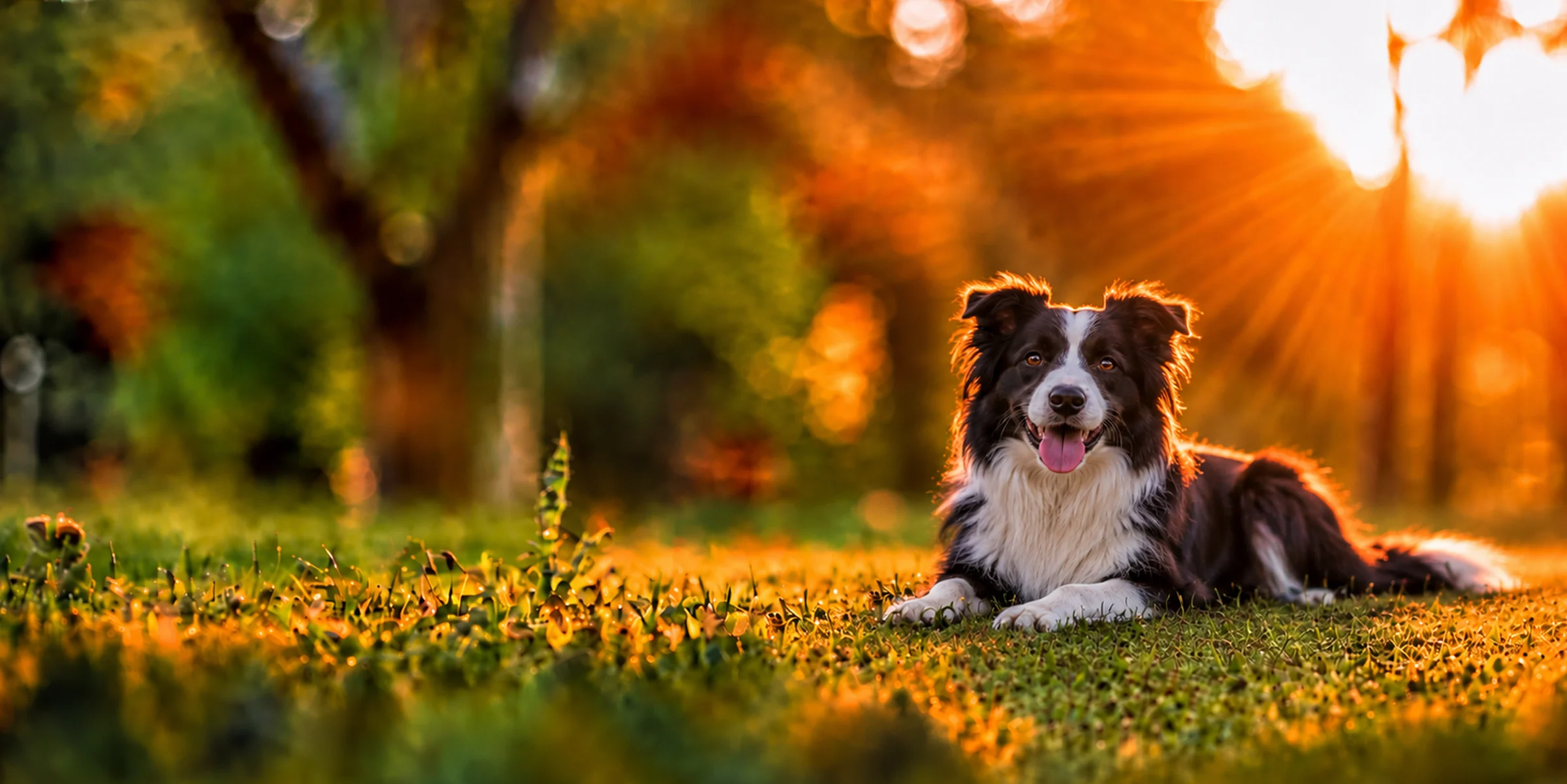
Border Collie
The same working brain aimed at sheep rather than cattle, and a sharper, more sensitive dog for it. A Border Collie works closely with a handler where the Barbado was bred to sort out a stubborn cow on their own.