

small breed
Basenji
One of the most cat-like animals ever registered as a breed - fastidious, self-cleaning, almost odorless, endlessly curious and entirely their own. Basenjis famously do not bark, which people hear as quiet and which is not the same thing at all. They are clever, funny and rewarding to live with if you enjoy negotiating with someone who has their own agenda, and they are genuinely unsafe around cats and small pets.

Pup Height
16-17 in

Pup Weight
22-24 lb
The standard is unusually precise: males 17 in and 24 lb, females 16 in and 22 lb. Red, black, brindle and tricolor are all accepted, always with white feet, chest and tail tip. Females are also unusual in cycling once a year rather than twice, which is a trait of the older basal breeds rather than a fault. Source: AKC breed standard.

Pup Lifespan
13-14 years
Your pup, at a glance
What’s Life With This Pup Really Like?

Affectionate on their own schedule, and often heat-seeking rather than sentimental about it. They will settle against you when it suits them and leave without ceremony when it does not.

Better with older, calm children. Basenjis dislike rough handling, have little patience for being fussed, and will remove themselves rather than tolerate it - which is safer than the alternative but not what most families picture.

Very low, and for a reason. Cats and small animals are genuinely at risk, and same-sex pairings with other dogs can be difficult. Basenjis are best as an only dog or with a carefully chosen companion.

They do not bark, which is not the same as being quiet. The yodel is charming, the howl carries, and the scream is startling enough that visitors ask what happened.

High for the size. An hour a day plus real mental work, and a Basenji with neither will redecorate the apartment with genuine flair.

The lowest on this site. A fine, short coat, minimal shedding, and almost no dog smell - they groom themselves like a cat and largely stay clean.

Mischievous and inventive. They play hard, invent games, and a good deal of the invention involves getting into things you thought were closed.

None. A dry, fastidious dog.

Low, and it is independence rather than stupidity - they are one of the smarter breeds here and simply weigh whether to comply. Reward-based work gets somewhere; insistence gets a dog who avoids you.

Moderate. They are alert and will certainly let you know something is happening, though what comes out is a yodel rather than a bark and nobody finds it threatening.

As low as it gets. A weekly wipe and nails. The effort goes into keeping them warm instead, because there is no coat to speak of.

Moderate. They handle apartments, cities and changes of routine well, and handle cold weather and unsecured yards badly.
Lifestyle fit
Could This Be Your Best Breed?
A Basenji works in an apartment on size, coat and odor, but needs a yard they cannot climb, dig or unlatch their way out of - which is harder to arrange than most people expect. Costs are low at $1,100 to $2,000 a year over thirteen to fourteen years. The low running costs are the easy part; a household with cats is out, and obedience was never on offer at any price.

Living Space
An apartment works on size, coat and noise, and this is one of the few genuinely low-odor, low-shedding dogs here. What it does not solve is the escaping - Basenjis climb, dig and work latches, and a yard they cannot get out of is harder to arrange than most people expect.

Pup Experience
Not a first dog, and the small size and empty grooming schedule make that easy to miss. Basenjis are extremely intelligent and almost entirely uninterested in doing as they are told, and an owner expecting the size to imply a manageable dog will be outmaneuvered within two weeks.

Daily Pup Time
An hour or more of exercise daily, all of it on a leash or in a secure space, plus real mental work. The coat takes about two minutes a week.

Allergies & Coat
The Basenji scores 1/10 for shedding and 1/10 for drooling. No dog is truly hypoallergenic. The allergens come from dander and saliva, and a coat that sheds this little leaves far less of them on your furniture, floors, and clothes.
Quirks & challenges
The Not-So-Easy Stuff

Barkless Is Not Quiet
They yodel, howl and produce a genuinely startling scream. It is less frequent than barking and considerably harder to explain to a neighbor.
An Escape Artist
They climb, dig, and open things. A fence that holds an ordinary dog is a puzzle rather than a boundary, and they have all day.
Recall Is Not Realistic
Bred to hunt independently at a distance. Off-leash in unfenced ground is a risk most owners of this breed learn about once.
Cats Are Not Safe
The prey drive is the whole point of them and it does not distinguish household pets from quarry. Small animals are a genuine no.
Ask for Four DNA Tests
Fanconi, retinal atrophy, pyruvate kinase and the gut condition all have tests. A breeder who has not run them is the wrong breeder.
Cold Weather Is a Problem
A tropical dog with a paper-thin coat and no undercoat. They need a jacket outdoors and will find the warmest spot indoors.
The good, the bad & the hairy
Health, Care & Costs
Understanding the health risks and ongoing costs of a Basenji helps you plan for a happy, healthy life together.

13-14 years
$30-$50
per visit (bath and nails) if you outsource it, every 8-12 weeks - or effectively nothing at home ($0-$250/year)
$1,100-$2,000/year
all-in (food, routine vet, coats, insurance, incidentals)

Health Risks
Conditions this breed is prone to.

The signature disease of the breed - the kidney tubules stop reabsorbing sugars and proteins, so they are lost in the urine and the dog wastes despite eating well. It usually appears between four and eight years old. There is a DNA test and a well-established management protocol, and untreated it is fatal, which makes the parents' test results the single most important thing to ask a breeder for.
An inherited disease that slowly destroys the retina, ending in blindness. The form that runs in this breed has its own DNA test, which makes it entirely avoidable through testing - ask to see both parents' results.
A missing red blood cell enzyme causes the cells to break down early, producing a chronic anemia that shortens life. There is a DNA test, and again it is avoidable rather than a matter of luck.
A breed-specific bowel disease, sometimes called Basenji enteropathy, causing chronic diarrhea and weight loss as the intestinal lining thickens. It is managed with diet and medication rather than cured, and it is a lifelong cost once it starts.
The thyroid stops producing enough hormone, causing weight gain, lethargy and a thinning coat. A daily tablet manages it completely and the medication itself is inexpensive.
The hip joint develops loosely, so the ball and socket grind instead of gliding. Less punishing in a twenty-four-pound dog than a large one, but it appears in the breed often enough to be worth seeing scores for both parents.

Insurance & Health Coverage
This is the breed on the site where the breeder matters more than the policy, and it is worth being blunt about why.

Three of the serious inherited conditions here - Fanconi syndrome, retinal atrophy and pyruvate kinase deficiency - have reliable DNA tests. All three are congenital, which means no insurer will pay for them, and all three are avoidable by choosing a puppy from tested parents. A breeder who cannot produce those certificates is asking you to gamble on the expensive ones.

What cover is genuinely for is Fanconi in a dog already home, the bowel disease, and thyroid trouble. Fanconi typically appears at four to eight years old and then costs money every month for the rest of their life, and it is precisely the sort of chronic condition an insurer excludes once it is in the notes. Arranging cover while a Basenji is young and clear is the version that works.
 Get a Pet Insurance Quote
Care needs
The Daily Routine

Grooming
Almost nothing. A rubber mitt once a week and regular nails - they groom themselves like a cat, shed very little and have essentially no dog odor. What replaces the routine is a winter coat, because there is no insulation on them at all.

Exercise
An hour or more daily, on a long line or inside a secure fence. They are fast and endlessly curious, and lure coursing, scent work and puzzle games suit them far better than repetitive obedience. Off-leash in open ground is not a realistic option.

Food & Weight
Measure the meals - Basenjis are small enough that a few extra treats show quickly, and they are determined counter-surfers and bin-openers who will supplement whatever you provide. Sudden weight loss on a normal appetite is the classic early sign of Fanconi and is worth a vet visit rather than a wait.
Similar breeds
If This Isn’t Quite the One
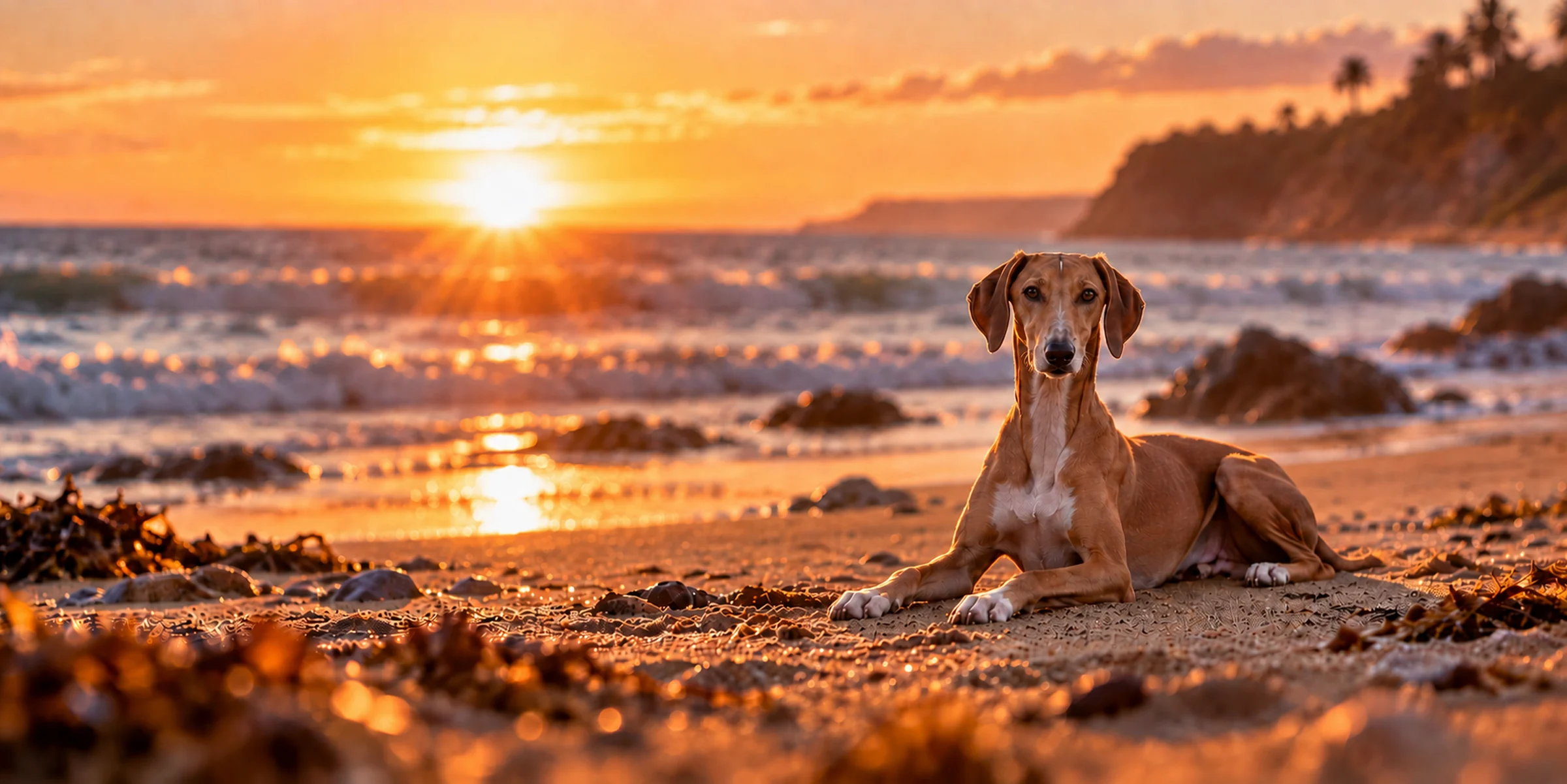
Azawakh
The other African hound here and a striking match on temperament - independent, aloof with strangers, huge prey drive, almost no coat and a real problem in cold weather. The Azawakh is far larger and adds a guarding instinct the Basenji has no interest in.
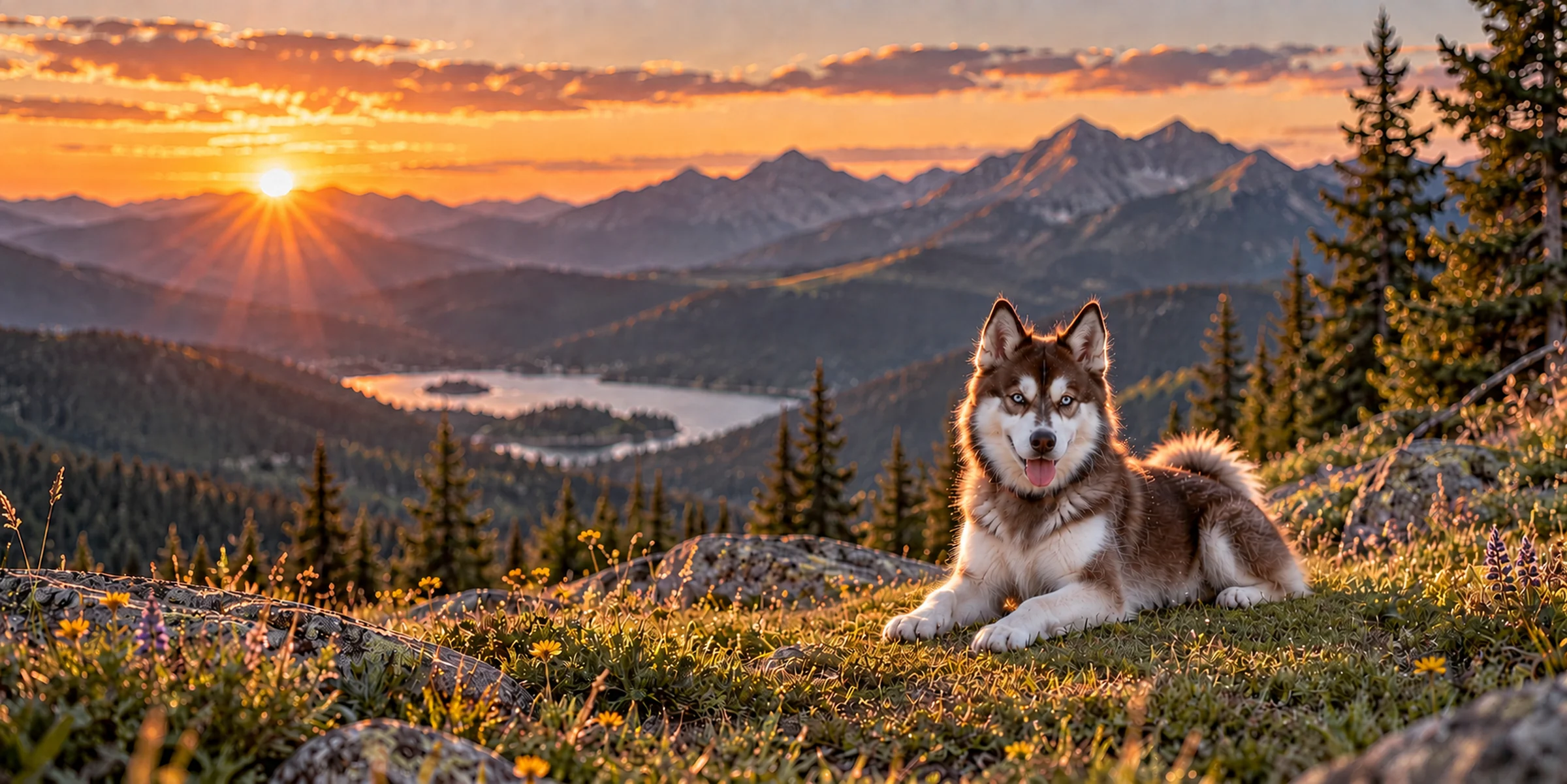
Alaskan Klee Kai
A similar proposition at a similar size - clever, wary of strangers, escape-prone and not remotely biddable. The Klee Kai has a proper double coat and handles cold well, which is the practical difference for most households.