

medium-to-large breed
Azawakh
Extraordinarily lean by design, extraordinarily fast, and reserved to a degree that surprises people - deeply affectionate with their own household and simply unavailable to everyone else. An Azawakh is not a difficult dog so much as a completely different one, and the owners who do well are the ones who stopped expecting a retriever. They feel the cold badly, they carry real anesthesia sensitivity, and they cannot be trusted loose in open ground.

Pup Height
25-29 in

Pup Weight
44-55 lb
Figures are for males; females are 23.5-27.5 in and 33-44 lb. The standard asks for a dog whose hip bones and last ribs are visible - that is correct condition for the breed, not a dog in poor shape, and owners are routinely told otherwise by strangers. Recognized by the AKC in 2019 after years in the Foundation Stock Service. Source: AKC breed standard.

Pup Lifespan
12-15 years
Your pup, at a glance
What’s Life With This Pup Really Like?

Very affectionate with their own people, and partly because they are cold - a dog with no coat and no fat seeks out warmth, and the warmest thing available is you. Reserved to the point of rudeness with everyone else.

Better with older, calm children than with small ones. Azawakhs are gentle rather than tolerant, dislike rough handling, and the combination of speed and size makes chaotic play a poor idea.

Excellent with other Azawakhs and generally fine with dogs their own size. Cats, small dogs and anything that runs are a serious problem - the prey drive is the point of the breed.

Moderate and meaningful. They are quiet by default and vocal when something is genuinely wrong, which is the guarding half of their job showing through.

Moderate in total, extreme in bursts. They are sprinters - a few minutes at full gallop satisfies them more than an hour of trotting, and they spend most of the day asleep.

Very low. There is almost no coat to shed and no undercoat at all.

Reserved and elegant rather than silly. They enjoy running and coursing games, and have limited interest in fetch or roughhousing.

None to speak of. A dry, fastidious dog.

Independent and easily discouraged. They learn perfectly well but work for a relationship rather than for praise, and pressure sets the whole thing back rather than speeding it up.

Excellent, and the thing that separates them from every other sighthound. They guarded camps at night for centuries and still treat the perimeter as their responsibility.

The lowest on this site. A weekly wipe-down and nails, and that is the whole routine - the effort goes into keeping them warm instead.

Moderate. They settle well into a household they trust and cope poorly with cold, with constant strangers, and with anywhere they cannot occasionally run.
Lifestyle fit
Could This Be Your Best Breed?
An Azawakh suits a warm home with a tall, solid fence and somewhere safe to sprint two or three times a week, and an owner who will earn trust slowly and never force it. Costs are moderate at $1,500 to $2,500 a year over twelve to fifteen years, and a vet who knows the breed's unusual blood values matters as much. Without a warm home and the patience that kind of trust takes, do not - and this is not a first dog.

Living Space
A house with a tall, solid fence, and a warm one. Azawakhs need a place to sprint flat out several times a week rather than constant space, but they cannot be trusted loose in open ground and they genuinely suffer in cold weather.

Pup Experience
Not a first dog. An Azawakh is a sighthound with a guarding instinct and a very long memory for how they have been treated, and none of the usual assumptions apply - not the friendliness, not the biddability, and not the idea that a bad early experience can be trained over later.

Daily Pup Time
An hour a day, most of it walking, with two or three genuine sprints a week in a secure space. The coat takes about a minute. What they actually cost is attention rather than time.

Allergies & Coat
The Azawakh scores 2/10 for shedding and 1/10 for drooling. No dog is truly hypoallergenic. The allergens come from dander and saliva, and a coat that sheds this little leaves far less of them on your furniture, floors, and clothes.
Quirks & challenges
The Not-So-Easy Stuff

They Look Too Thin. They Aren't.
Visible hip bones and ribs are correct for the breed. Expect strangers to accuse you of starving them, and expect vets unfamiliar with sighthounds to agree.
Cold Is a Real Problem
Almost no coat and almost no body fat. They need a jacket outdoors below about fifty degrees and a warm place to sleep indoors.
Aloof With Everyone Else
Devoted at home and genuinely uninterested in strangers, including ones who want to pet them. Forcing greetings makes it worse, not better.
Sighthound Prey Drive
Bred to run down gazelle. Cats, small dogs and anything that bolts are at real risk, and a fenced space is the only honest answer.
Anesthesia Needs a Warning
Standard doses can be dangerous in a dog with this little body fat. Tell any vet who has not treated sighthounds before.
Harsh Handling Breaks Them
Sensitive and long-memoried. Correction-based training produces a dog who shuts down and does not come back easily.
The good, the bad & the hairy
Health, Care & Costs
Understanding the health risks and ongoing costs of a Azawakh helps you plan for a happy, healthy life together.

12-15 years
$30-$50
per visit (bath and nails) if you outsource it, every 8-12 weeks - or effectively nothing at home ($0-$250/year)
$1,500-$2,500/year
all-in (food, routine vet, coats and bedding, insurance, incidentals)

Health Risks
Conditions this breed is prone to.

Sighthounds carry very little body fat, so drugs that are normally stored in fat stay in circulation and standard doses can be dangerous. Any vet treating them should know Azawakhs are sighthounds before they are sedated for anything, including a routine dental.
Sighthounds naturally run a higher red cell count and different thyroid figures than other breeds, so a standard reference range makes a healthy Azawakh look abnormal. It leads to treatment for conditions they do not have. Worth raising before bloodwork rather than after the results.
Seizures with no other underlying cause, usually first appearing between one and five years old. It is controlled with daily medication rather than cured, and the drugs and monitoring are a lifelong cost.
The immune system attacks the thyroid, which gradually stops producing enough hormone - weight change, lethargy and coat problems follow. A daily tablet manages it completely once it is correctly identified, which in this breed depends on using sighthound reference ranges.
Cardiomyopathy and valve problems turn up in the breed. A vet hears the early signs as a murmur or an irregular rhythm, and a cardiac clearance on both parents is a reasonable thing to ask a breeder for.
Almost no coat, no undercoat and no fat layer means genuine risk in cold weather, and skin that tears more easily than most on rough ground. Neither is a disease exactly, but both are predictable vet visits in the wrong climate.

Insurance & Health Coverage
A remarkably sound breed. They were shaped by centuries of hard natural selection in a place that killed anything fragile, and there is no inherited condition hanging over them the way there is over most pedigree dogs.

The risks worth covering are chronic rather than dramatic. Epilepsy means daily medication and regular monitoring for the rest of their life, and thyroid disease is the same shape of cost. Both typically appear in the first few years - which is exactly when an owner who has not arranged cover finds the condition is now pre-existing.

The anesthesia and bloodwork issues are not insurance questions at all, but they are the two things most likely to cause a serious problem in an ordinary veterinary setting. Make sure whoever treats them knows the Azawakh is a sighthound, and consider a practice that has seen one before.
 Get a Pet Insurance Quote
Care needs
The Daily Routine

Grooming
About as little as a dog can need - a rubber mitt once a week and regular nails. What replaces the grooming routine is a clothing one: a warm coat for winter walks, and somewhere soft and warm to lie, because there is no padding between them and the floor.

Exercise
An hour of walking daily plus two or three chances a week to run flat out in a securely fenced space. They are sprinters rather than distance dogs - a short, explosive gallop does more for them than a long jog, and off-leash in open ground is not an option.

Food & Weight
Feed to the standard rather than to what looks normal on other breeds. They should carry visible hip bones and the last few ribs, and putting weight on them to stop strangers commenting is genuinely bad for them. A slow feeder and a quiet spot suit a deep-chested dog.
Similar breeds
If This Isn’t Quite the One
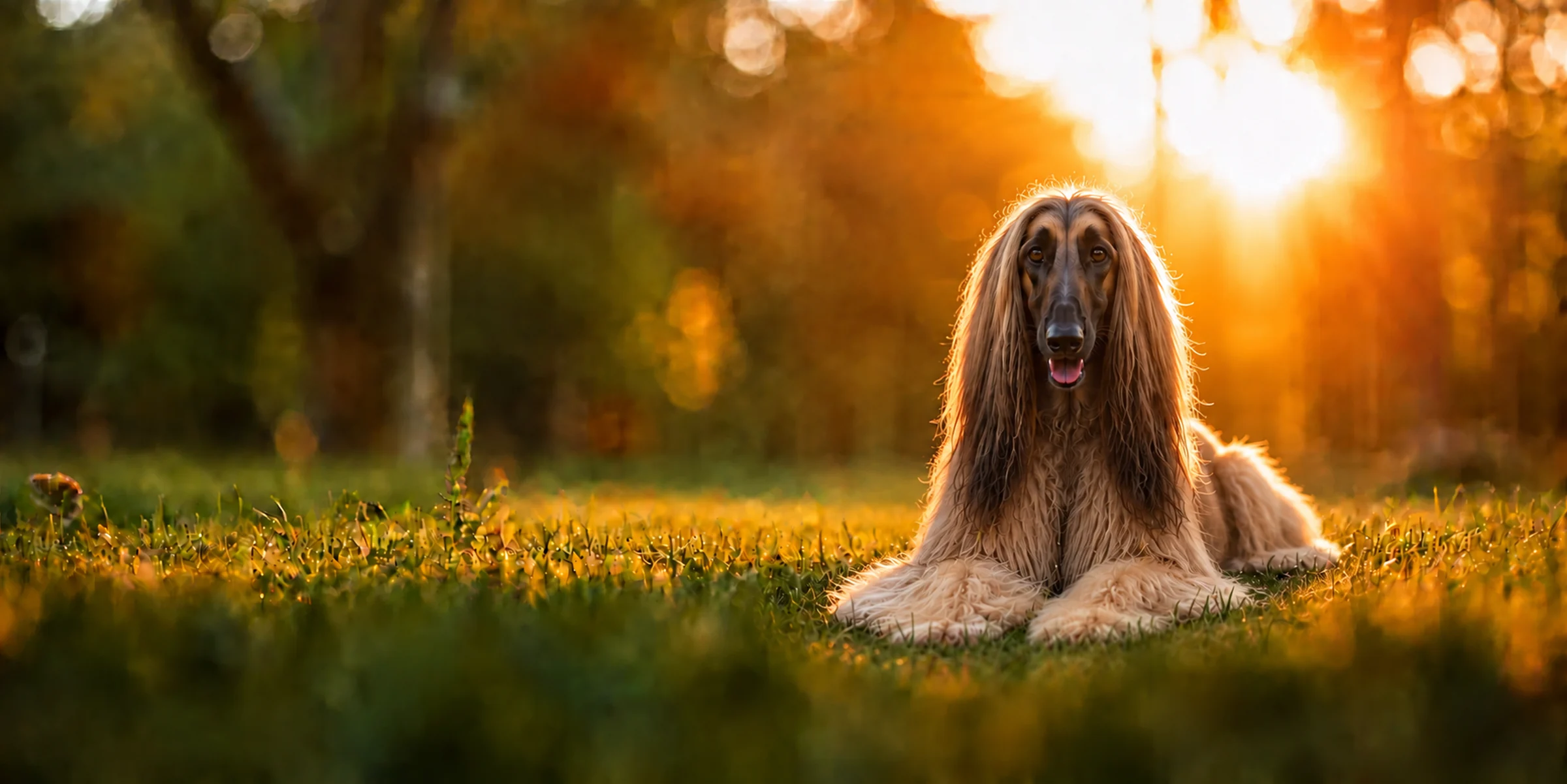
Afghan Hound
The other ancient sighthound here, and the closest comparison on independence and aloofness. The Afghan trades the Azawakh's guarding instinct and bare coat for one of the highest grooming loads on this site.
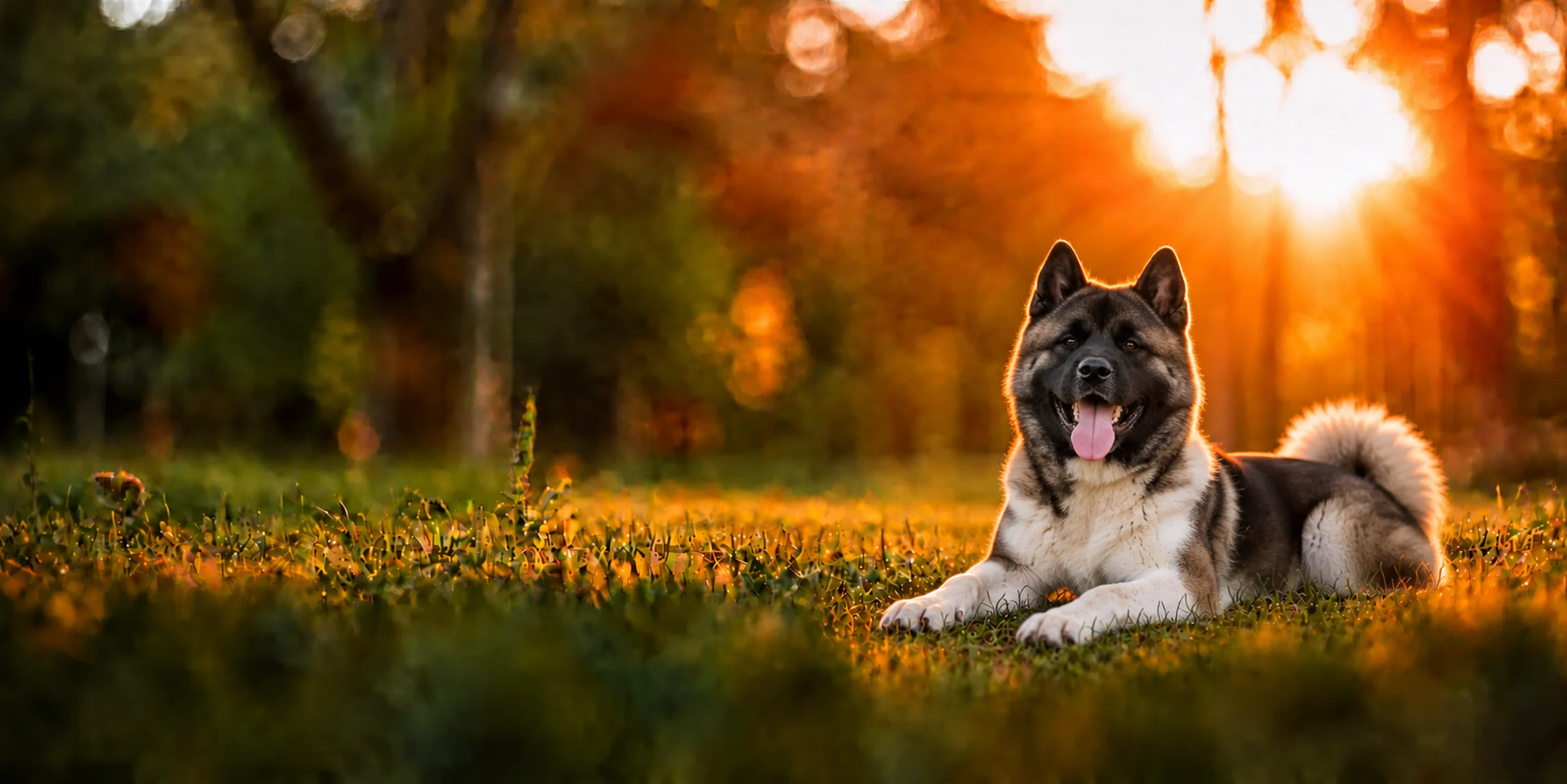
Akita
Nothing alike physically, and strikingly similar to live with - dignified, reserved with strangers, devoted to their own household, and entirely uninterested in obedience for its own sake. If the Azawakh's temperament appeals but the climate rules them out, this is the swap.
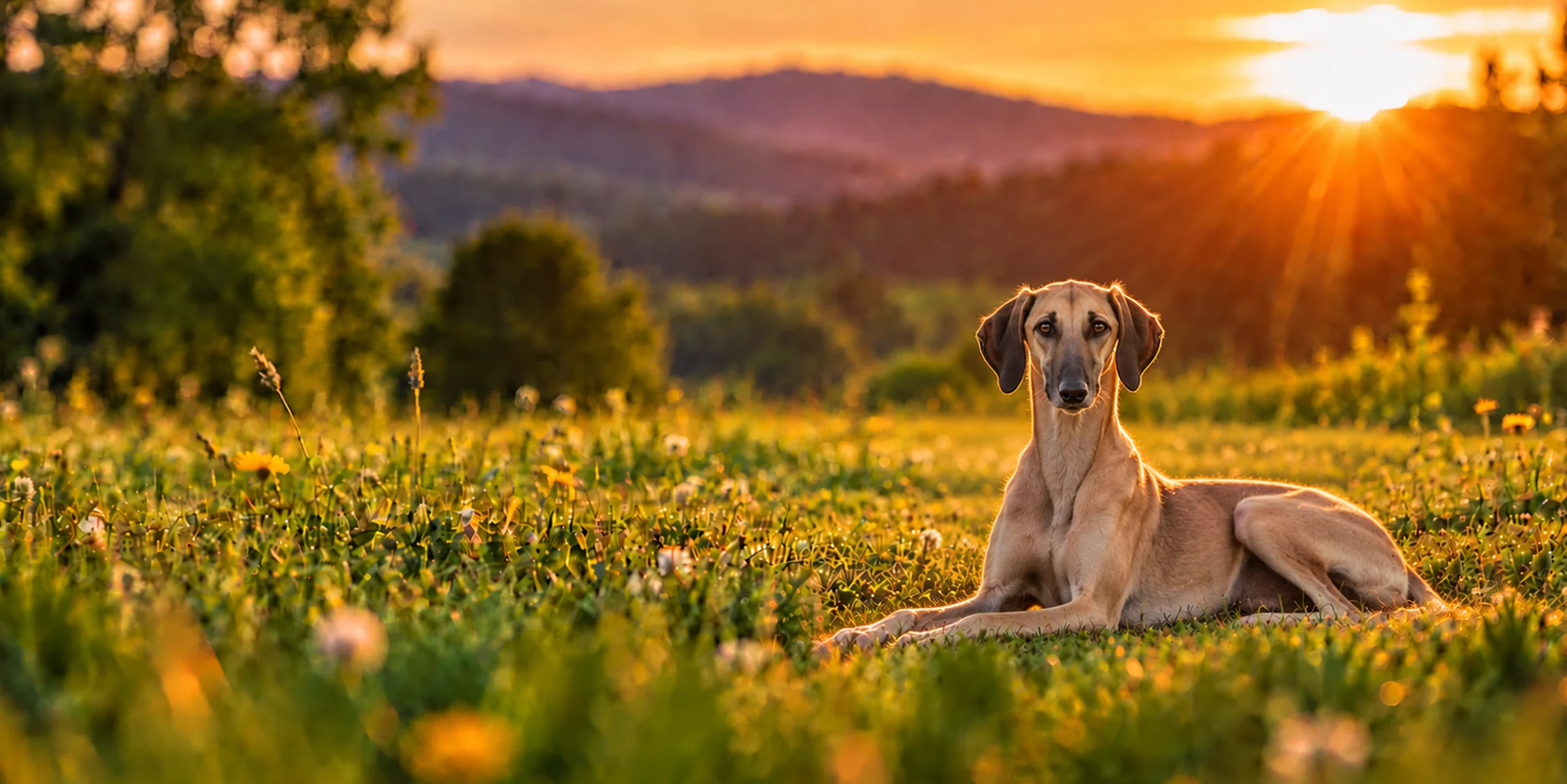
Sloughi
The other North African sighthound, from the Maghreb rather than the Sahel. Sloughis are heavier-boned and less territorial - reserved with strangers where an Azawakh guards - and carry a breed-specific DNA test for PRA.