

medium-to-large breed
Bouvier des Ardennes
One of the rarest dogs in the world, and still very much a farm dog rather than a pet. Bouviers des Ardennes are tough, weatherproof, fearless and entirely serious about work, with a mustache and beard that make them look like a farmyard character. Devoted to their own people and wary of everyone else. The honest dealbreakers are an energy level near the top of the scale and a guarding streak that needs managing.

Pup Height
22-24 in
Figures are for males; females are 20-22 in. The standard allows any color at all, which is unusual - fawn, gray, black, brindle and everything between are equally correct. Many are born with a natural bobtail rather than a docked one. The Bouvier des Ardennes is a separate breed from the larger, heavier Bouvier des Flandres. Source: FCI breed standard.

Pup Weight
49-77 lb

Pup Lifespan
12-14 years
Your pup, at a glance
What’s Life With This Pup Really Like?

Genuinely attached to their own household and undemonstrative about it. They want to be near you and involved, rather than on you - a working dog's version of affection.

Good with children an Ardennes is raised with and protective of them. The droving instinct fires at running and comes with a nip at the heel, which is worth redirecting early at this size.

Fine with dogs and livestock an Ardennes grows up around. Strange dogs meet a confident, territorial animal, and small fast animals meet a drover's instinct rather than a hunter's.

Moderate. They alert with purpose rather than chattering, and a bored Ardennes is considerably noisier than a working one.

Very high. Bred to move cattle across the Ardennes in all weather, and two hours of real work is a floor rather than a generous allowance.

Moderate and year-round. The harsh double coat holds a good deal of what it drops, which is why combing matters more than vacuuming.

Boisterous and game, with a farmyard sense of humor. They play hard and stay that way well into middle age.

Low in itself, though the beard arrives at the water bowl and leaves with half of it. Budget for the towel rather than the drool.

Good and conditional. They learn quickly and comply when it is worth their while - a drover was bred to decide for themselves, and that does not switch off indoors.

Excellent. Territorial, watchful and genuinely reserved with strangers, with a guarding instinct that arrives at maturity without being asked for.

Low to moderate. A brush once or twice a week, an occasional tidy, no clipping - and a beard that needs daily attention.

Low. They cope with new homes and weather without complaint, and not at all with a life that gives them nothing to move.
Lifestyle fit
Could This Be Your Best Breed?
A Bouvier des Ardennes suits a farm or a smallholding and an owner with real experience of working breeds - somewhere there is stock to move or a job to do, not a yard to be left in. Running costs are modest at $1,600 to $2,600 a year, and they live twelve to fourteen. A suburban street with a busy front door is where this falls apart, and wanting a large companion rather than a working dog is the other half of it.

Living Space
A farm, or something close to one. The Bouvier des Ardennes is a working drover with a guarding streak and enormous stamina, and the honest answer is that a house with a yard is a compromise they tolerate rather than a home that suits them.

Pup Experience
Not a first dog, and not a pet breed in the ordinary sense. They are hardy, clever and thoroughly strong-willed, bred by farmers who wanted a dog that could move cattle without being told how. Owners need experience with working breeds and something for an Ardennes to actually do.

Daily Pup Time
Two hours of real work most days - not walking - plus a brush once or twice a week and a beard that needs wiping after every meal.

Allergies & Coat
The Bouvier des Ardennes scores 5/10 for shedding and 2/10 for drooling. No dog is truly hypoallergenic. The allergens come from dander and saliva, and a dog that sheds this much will leave plenty of hair behind - especially on your furniture, floors, and clothes.
Quirks & challenges
The Not-So-Easy Stuff

Among the Rarest Breeds
A few hundred exist worldwide. Expect a long wait, almost no local breed support, and a small gene pool worth asking about.
Bred to Work, Not Live In
Two hours of real work most days. Under-employed they become destructive and noisy, and walking does not substitute for a job.
Strong-Willed by Design
A drover decides how to move a stubborn cow. They will weigh your instruction against their own read of a situation, every time.
Wary of Strangers
Guarding was half the job. Broad early socialization is what keeps that useful rather than a liability at seventy pounds.
Bobtail to Bobtail Is Risky
Many are natural bobtails, and breeding two together can produce serious spinal defects. Ask what both parents carry.
The Beard Collects Everything
Water, food and mud go in and travel to the furniture. A daily wipe rather than a grooming-day job.
The good, the bad & the hairy
Health, Care & Costs
Understanding the health risks and ongoing costs of a Bouvier des Ardennes helps you plan for a happy, healthy life together.

12-14 years
$50-$80
per groom (bath, tidy, beard and ears), every 8-12 weeks ($250-$450/year)
$1,600-$2,600/year
all-in (food, routine vet, grooming, insurance, incidentals)

Health Risks
Conditions this breed is prone to.

The hip joint develops loosely, so the ball and socket grind instead of gliding. It leads to arthritis and, in severe cases, replacement surgery. A gene pool this small makes parental hip scores a requirement rather than a nicety - ask to see them.
Many in this breed are born with a short tail rather than docked, and the gene responsible also shapes the spine. Breeding two natural bobtails together can produce puppies with serious spinal malformations, which is why responsible pairings put a bobtail to a full tail. This is a breeder question, and worth asking before choosing a litter.
Similar to hip dysplasia but in the elbow joint - the bones do not fit together properly, causing pain and early arthritis. Serious in a dog expected to work hard ground for a decade.
An inherited disease that slowly destroys the retina. Night vision goes first, then daylight vision, usually ending in blindness. There is no treatment, but it is painless and gradual, and eye clearances on both parents are the protection.
The knee ligament tears under the load of a powerful dog turning at speed on rough ground. It usually needs surgery, and dogs that do one side often do the other later.
The thyroid stops producing enough hormone, causing weight gain, lethargy and a coat that thins or dulls. A daily tablet manages it completely and the medication itself is inexpensive.

Insurance & Health Coverage
A hard, sound breed shaped by farmers who could not afford a delicate dog, and it shows - there is no cluster of inherited disease and the working life is long.

The costs come from the work rather than the genes. Cruciate surgery runs several thousand dollars per knee and a dog turning hard on broken ground is a real candidate, often on both sides eventually. Joint surgery sits in the same range.

The bobtail spinal defects are the exception and not an insurance question at all: they are congenital, any policy would exclude them, and the protection is a sensible pairing rather than cover bought afterward. The very small population is the reason to treat the parents' certificates as a requirement and to ask about inbreeding coefficients - published health data on a few hundred dogs is thin enough that a breeder's own records are the only real source.
 Get a Pet Insurance Quote
Care needs
The Daily Routine

Grooming
A harsh, weatherproof double coat that needs a brush once or twice a week and a tidy every couple of months - it is meant to look rough rather than sculpted, and clipping softens the texture that keeps the weather out. The beard needs wiping daily and after every meal. Ears, teeth and nails on the usual schedule.

Exercise
Two hours most days, and the content matters more than the total. Herding, canicross, agility, tracking and long work over rough ground all suit them; walking a drover is transport rather than exercise.

Food & Weight
Feed to the workload rather than a fixed scoop - a dog working stock needs considerably more than the same dog rained in for a week, and the difference shows on their ribs either way. Two measured meals, with training treats coming out of the ration.
Similar breeds
If This Isn’t Quite the One
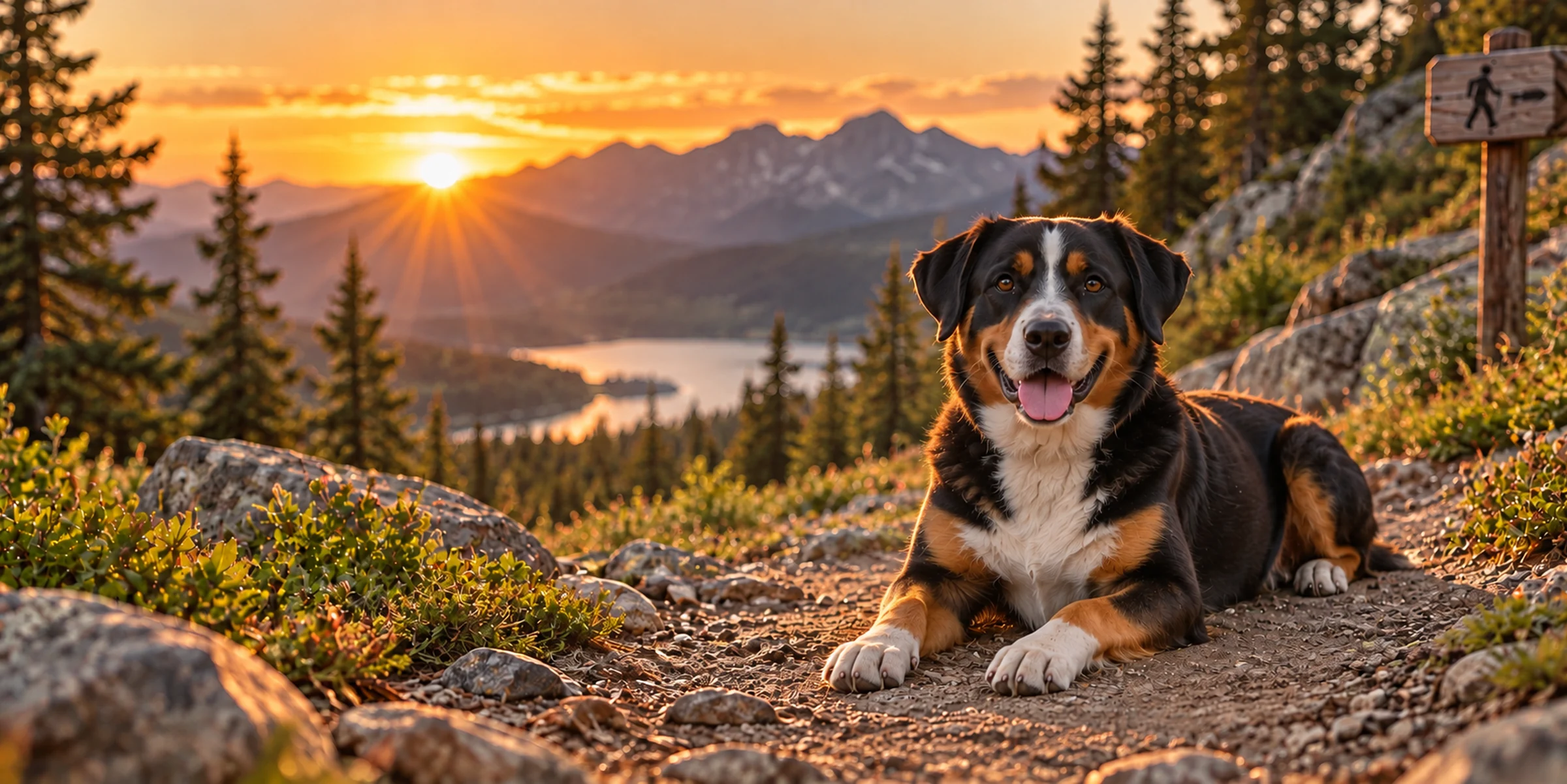
Appenzeller Sennenhund
The closest match on this site - another rare continental cattle drover with the same enormous drive, the same guarding streak and the same requirement for a real job. The Appenzeller is louder and shorter-coated; the Ardennes is the more independent thinker.
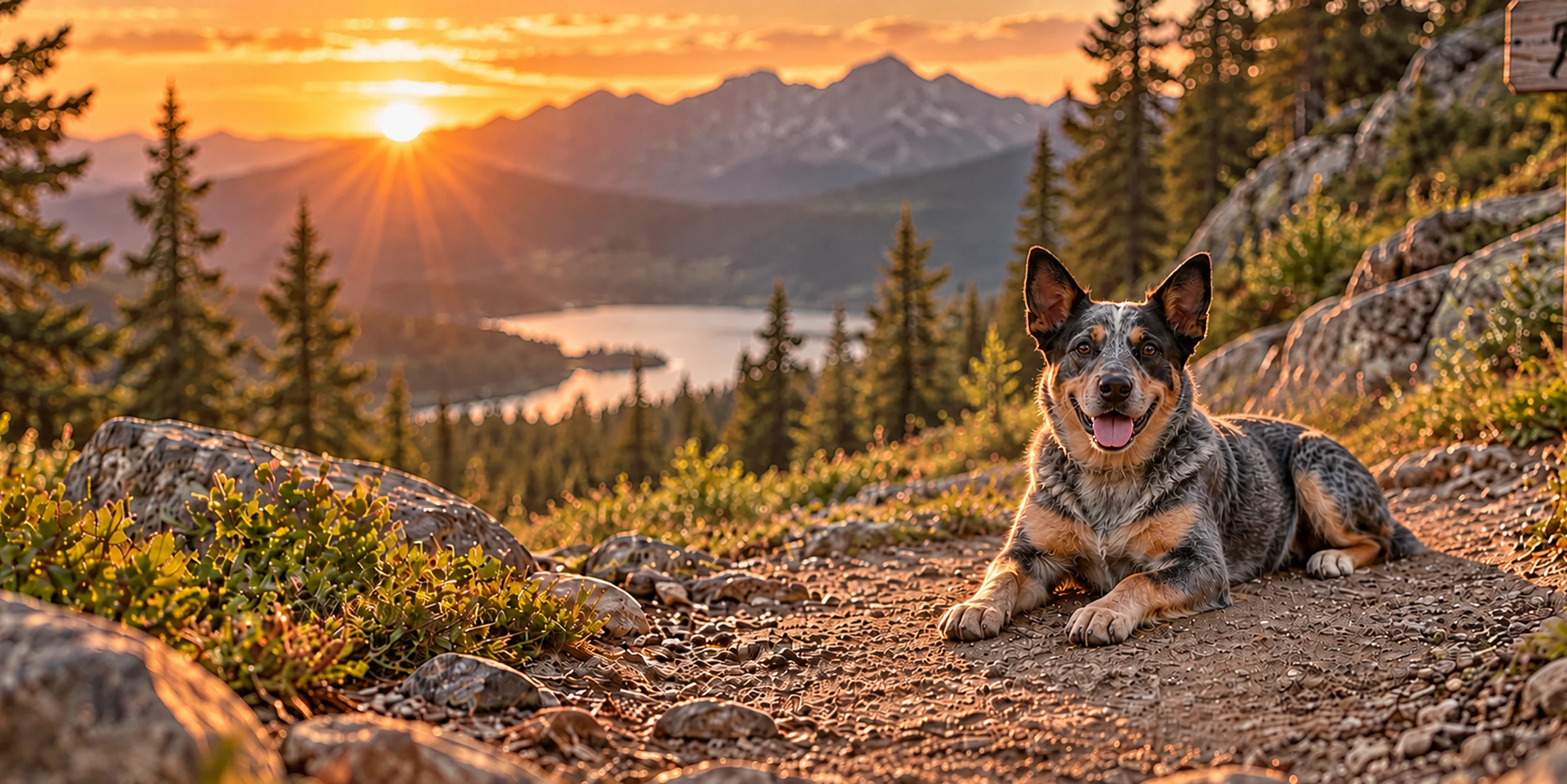
Australian Cattle Dog
If the appeal is a tough, driven cattle dog you can actually find, the ACD delivers it with a far better support network and a shorter coat - at the cost of attaching hard to one person and being every bit as relentless.