

medium-to-large breed
Bracco Italiano
A large Italian gundog that looks like a hound and works like a pointer, and the temperament is the surprise. Braccos are gentle, sweet-natured, patient with children and remarkably calm in the house for a dog carrying this much stamina, and a quiet neighbor for the size. The costs are ninety minutes of real exercise a day, a softness that makes heavy-handed training backfire, and drool. The drool is not a rumor.

Pup Height
23-27 in
Figures are for males; females are 21-25 in and lighter. White with orange or chestnut markings, plain or roan, are the accepted colors. The long pendulous ears, the loose skin and the dewlap read as houndy rather than pointer-like, and all of them are correct. Source: AKC breed standard.

Pup Weight
55-90 lb

Pup Lifespan
10-14 years
Your pup, at a glance
What’s Life With This Pup Really Like?

Very affectionate and physically close. They lean, they lie across feet, and they would like to be on the sofa - a hound's approach to company in a gundog's body.

Excellent. Gentle, patient and genuinely fond of children, with the usual caution that a clumsy eighty-pound adolescent knocks small ones over without meaning to.

Very good. Sociable with dogs and generally relaxed about cats - there is bird drive from the hunting history, so poultry is a different matter.

Low. They are not noisy dogs and will announce a visitor once at most, which makes them an easy neighbor for a breed this size.

High but steady. Ninety minutes of sustained walking or hunting suits them far better than short sharp bursts, and they have a real off switch indoors.

Moderate. A short, dense coat that sheds steadily year-round and is easy to manage.

Willing and good-humored rather than boisterous. They enjoy a game and are not dogs who invent them, and the mellowness at home is one of their best features.

High. Loose flews and a pronounced dewlap mean drool after every drink, and it travels a good deal further than you would expect.

Good. Willing, handler-focused and quick to learn, and soft enough that pressure sets the whole thing back rather than speeding it up.

Poor. They may notice a visitor and will then want to be introduced. Nothing in their history involved guarding.

Very low for the coat, real for the head. The ears, the eyes and the loose skin around the mouth are the routine, and skipping them turns into vet bills.

Moderate. They settle into new homes and routines calmly; what they do not adapt to is a household that cannot give them ninety minutes a day.
Lifestyle fit
Could This Be Your Best Breed?
A Bracco Italiano suits a house with a yard, a family with children, and an owner who walks properly and never raises their voice - this is a soft dog who shuts down under correction. Budget $1,800 to $2,900 a year across a ten-to-fourteen-year life, and keep a towel wherever they drink. Anyone who wants this temperament with less drool and less dog to house should read the Blue Picardy Spaniel page instead - though a sedentary household, or an owner who trains by intimidation, is wrong for either one.

Living Space
A house with a yard and an owner who walks properly. The Bracco Italiano is genuinely mellow indoors - notably so for a gundog - and the constraints are the exercise and the fact that everything at chest height acquires a film of drool.

Pup Experience
Manageable for a committed first-time owner. The Bracco is soft, sociable and keen to please, and the two things that need real attention are an hour and a half of daily exercise and a sensitivity that makes heavy-handed training actively counterproductive.

Daily Pup Time
Ninety minutes of real exercise daily, plus weekly ears, a daily wipe of the flews and folds, and a towel wherever they drink.

Allergies & Coat
The Bracco Italiano scores 4/10 for shedding and 7/10 for drooling. No dog is truly hypoallergenic. The allergens come from dander and saliva, and a dog that sheds and drools this much will leave plenty of both behind - especially on your furniture, floors, and clothes.
Quirks & challenges
The Not-So-Easy Stuff

The Drool Is Constant
Loose flews and a dewlap mean drool on walls, furniture and trousers, and a head shake sends it further than seems reasonable.
Ears Need Weekly Care
Long pendulous ears that trap warmth and moisture and drag through everything. Cleaning and drying is genuine prevention here.
Sensitive to Correction
Soft-natured to a degree that surprises people used to gundogs. Telling a Bracco off shuts them down rather than sharpening them.
Kidney Disease in Puppies
A juvenile kidney condition is documented in the breed. Excessive thirst or poor growth in a young dog is worth investigating.
Slow to Grow Up
Large well before they are mentally settled, and clumsy with it for the better part of two years.
Bloat Is a Live Risk
Deep-chested and large. Split meals, no hard exercise around feeding, and know the signs before you need them.
The good, the bad & the hairy
Health, Care & Costs
Understanding the health risks and ongoing costs of a Bracco Italiano helps you plan for a happy, healthy life together.

10-14 years
$50-$80
per groom (bath, nails, ears and face), every 8-12 weeks ($220-$400/year)
$1,800-$2,900/year
all-in (food, routine vet, grooming, insurance, incidentals)

Health Risks
Conditions this breed is prone to.

The hip joint develops loosely, so the ball and socket grind instead of gliding. It leads to arthritis and, in severe cases, replacement surgery. A relatively small breeding population outside Italy makes parental hip scores a requirement rather than a nicety.
Similar to hip dysplasia but in the elbow joint - the bones do not fit together properly, causing pain and early arthritis. Common in large, slow-maturing breeds and screened alongside hips.
An inherited nephropathy documented in the breed, in which the kidneys fail to develop properly and give out in a young dog. It shows as excessive thirst, excessive urination and poor growth, and it is progressive. Ask a breeder directly whether it has appeared in their lines.
The stomach fills with gas and twists, cutting off its own blood supply. Without surgery within hours it is fatal. Deep-chested dogs are most at risk, and feeding one large meal a day or exercising straight after eating makes it likelier.
Long, heavy pendulous ears that seal in warmth and moisture and drag through undergrowth. Structural rather than inherited, and the most predictable recurring cost in the breed.
The loose eyelids roll inward or sag away from the eye, and this breed often has some of both. It leaves the surface rubbed or exposed, and correction is surgical and fairly routine here.

Insurance & Health Coverage
A generally sound breed with a short list of things worth planning for, and one of them argues for arranging cover before you even meet the puppy.

Juvenile kidney disease appears in the first year or two and is progressive - a dog diagnosed at eighteen months will have it excluded by any policy taken out afterward, and the ongoing management is a lifelong cost. That is a strong argument for cover from the week they arrive rather than after the first vet check.

Bloat is the sudden emergency, several thousand dollars at whatever hour it happens on a deep-chested dog. Joint surgery is in the same range. Ears and eyelids are the recurring lines: both start early, both are exactly what an insurer writes into an exclusion once they appear in the notes, and on ears this long that record builds fast.
 Get a Pet Insurance Quote
Care needs
The Daily Routine

Grooming
A short, dense coat that needs a weekly going-over with a rubber mitt and nothing more. Everything else is the head: ears checked and cleaned weekly and dried after any wet day, the loose skin around the mouth and eyes wiped out daily, and a towel kept where they drink.

Exercise
Ninety minutes daily over varied ground. They are built for a sustained trot rather than sprints, so long walks, hiking and gundog work suit them better than short bursts - and they settle genuinely well at home once it is done.

Food & Weight
Two or three measured meals rather than one large one, with hard exercise kept clear of mealtimes given the bloat risk. Grow puppies slowly on large-breed food, and use a slow feeder for a fast eater.
Similar breeds
If This Isn’t Quite the One
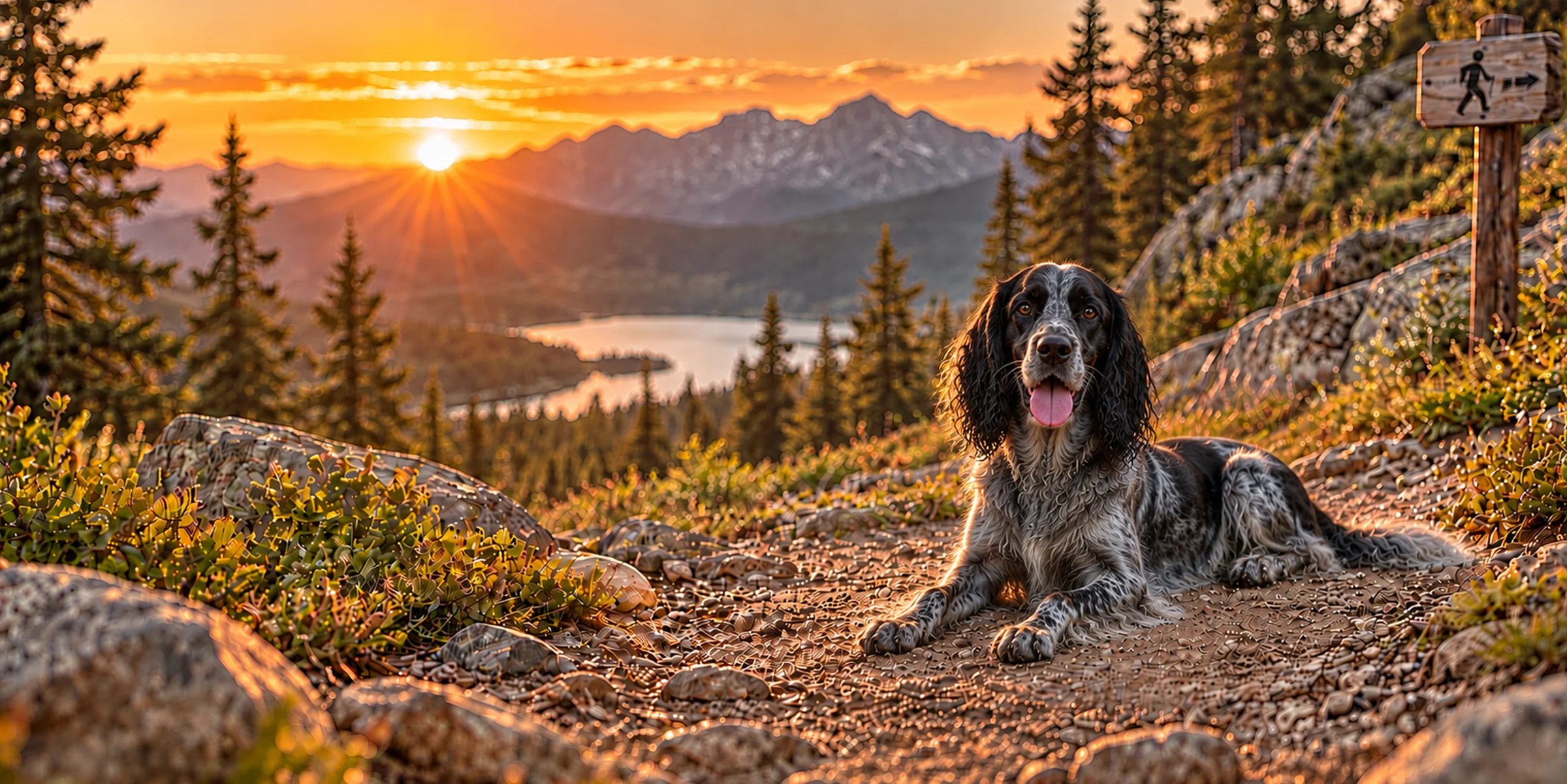
Blue Picardy Spaniel
The same gentle continental gundog temperament in a smaller, lighter package - both are soft, sociable and excellent with children. The Blue Picardy has a normal muzzle and almost no drool, and needs rather less space.
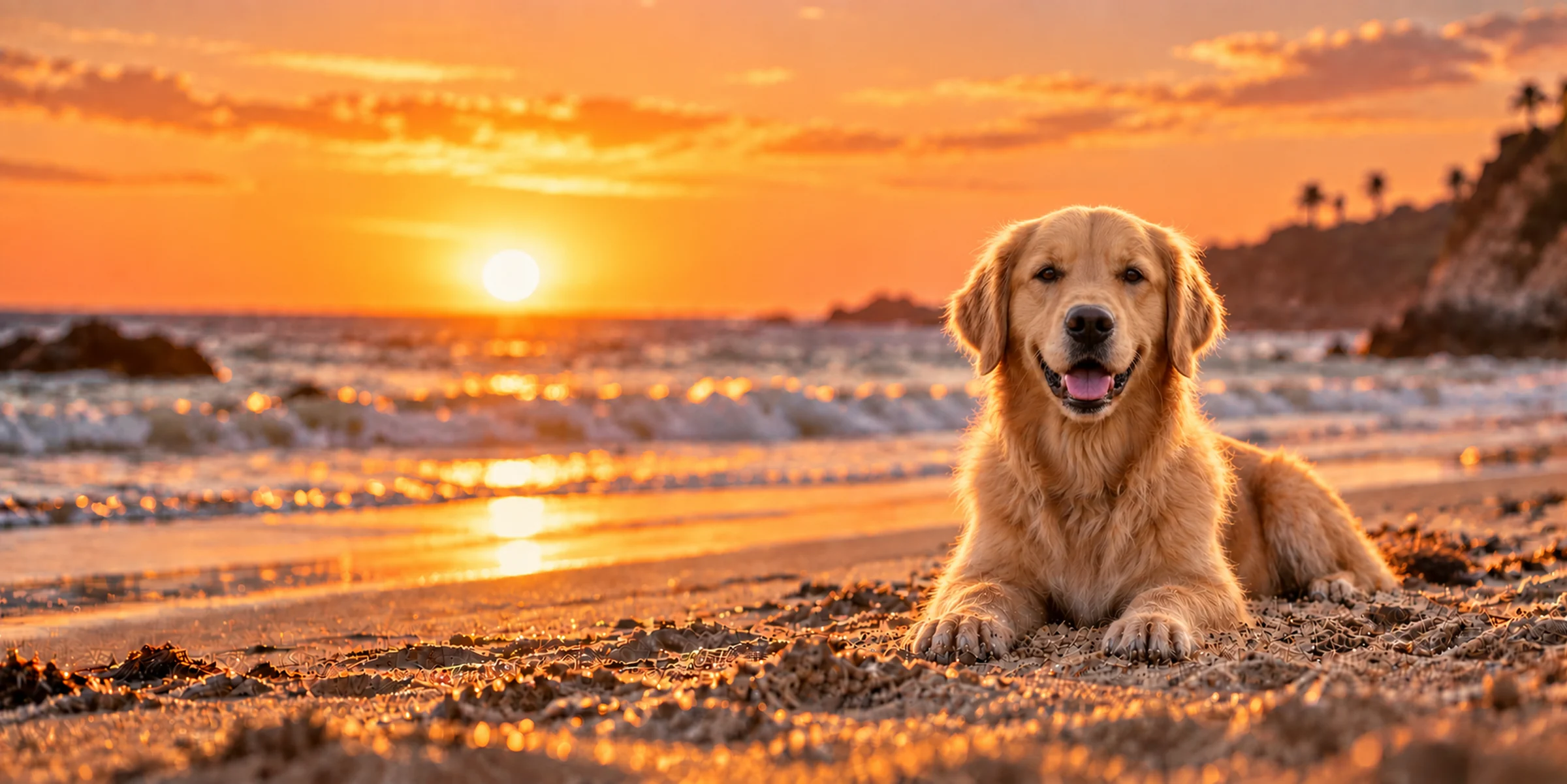
Golden Retriever
The available version of a big, sweet-natured, family-friendly sporting dog. A Golden sheds a great deal more and has none of the Bracco's houndy calm indoors - but you can find one, and the health profile is better documented.
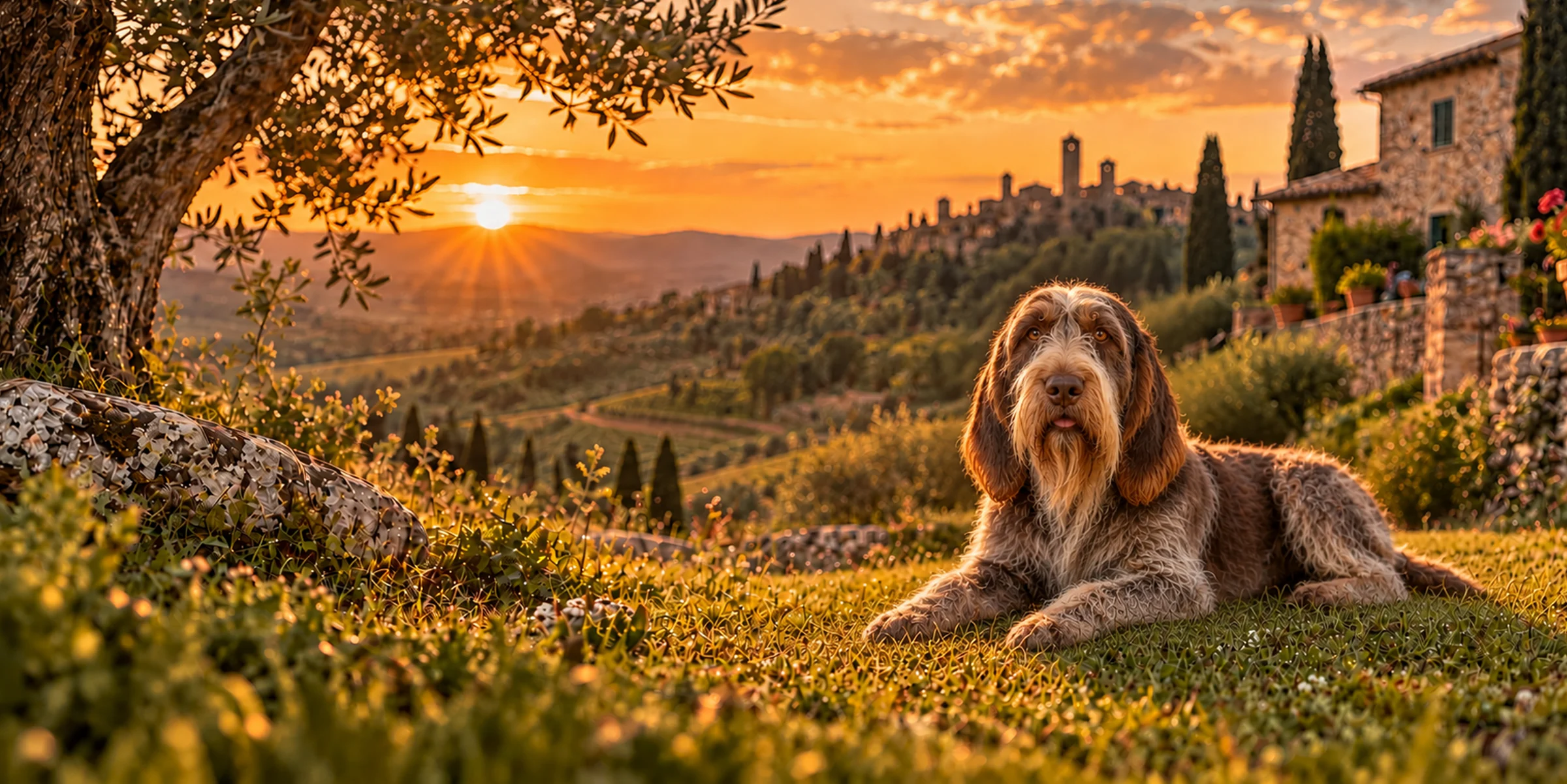
Spinone Italiano
The other Italian pointer, wire-coated and heavier-boned. Spinoni work at a steady trot rather than a gallop, drip water from the beard across the floor, and carry a DNA test for cerebellar ataxia.