

giant breed
Broholmer
A Danish mastiff of a hundred and ten to a hundred and fifty pounds, and a notably level one - good-natured, gentle with their own family, and quiet enough indoors that floor space matters more than acreage. They need surprisingly little exercise. The costs are the ones that come with the size: eight to eleven years, a real bloat risk, and drool on everything at chest height.

Pup Height
27.5 in

Pup Weight
110-150 lb
Figures are for males; females are around 25.5 in and 90-130 lb. The standard gives a target height rather than a range. Yellow with a black mask, golden red, or black are the accepted colors. The Broholmer is named for Count Sehested of Broholm, who put the breeding on a systematic footing in the 1850s. Source: FCI breed standard.

Pup Lifespan
8-11 years
Your pup, at a glance
What’s Life With This Pup Really Like?

Very affectionate with their own family and physically heavy about it - they lean, they lie against you, and they have no concept of their own weight.

Very good. Calm, patient and tolerant with the children they live with, and steadier than most guarding breeds. The only real caution is a Broholmer's size around toddlers.

Reasonable with animals they are raised alongside. Strange dogs meet a confident animal rather than a reactive one, though same-sex pairings can still be difficult at this weight.

Low. They are quiet watchdogs - they notice, position themselves and rarely speak, which makes them a far easier neighbor than their size suggests.

Low. Forty-five minutes to an hour suits them, and they spend most of the day lying somewhere they can see the door.

Moderate. A short dense coat that sheds steadily year-round with a heavier seasonal turn.

Gentle and fairly sober. They will play briefly with their own people and are not dogs who invent games.

Moderate to high. Loose flews mean real drool, particularly around food and water, and it travels.

Reasonable. Calm, biddable and willing enough, without the sharpness of the dedicated guarding breeds - the limit is consistency rather than capability.

Very good. Watchful and imposing, and they assess rather than react, which is what makes them a steadier guard than the more suspicious breeds.

Very low. A weekly rub-down plus nails, ears and the flews. No trimming and no professional grooming needed.

Moderate. They settle into new homes calmly and the limits are practical - floor space, heat, and a household prepared for a dog this size.
Lifestyle fit
Could This Be Your Best Breed?
A Broholmer suits a house with a yard, floor space for a very large dog to sprawl, and an owner who will do the socialization and the leash work while a puppy is still liftable. Budget $2,400 to $3,800 a year and expect only eight to eleven years of it. The years are the one limit here that never moves, and an apartment or a hot climate closes the door well before you get to them.

Living Space
A house with a yard and space for a very large dog to lie down in the middle of it. Broholmers are calm and quiet indoors and need surprisingly little exercise, so the constraint is floor area and a boundary rather than acreage.

Pup Experience
Not a first dog, though considerably easier than most mastiffs. They are even-tempered and genuinely good-natured, and what they need is an owner who will socialize them properly and put in the leash work while they are still liftable - because at a hundred and forty pounds, later is not an option.

Daily Pup Time
Forty-five minutes to an hour of steady walking daily, kept out of the heat, plus a weekly brush and a towel near the water bowl. Low by the standards of this site.

Allergies & Coat
The Broholmer scores 5/10 for shedding and 6/10 for drooling. No dog is truly hypoallergenic. The allergens come from dander and saliva, and a dog that sheds this much will leave plenty of hair behind - especially on your furniture, floors, and clothes.
Quirks & challenges
The Not-So-Easy Stuff

A Short Life for the Size
Eight to eleven years is normal even by giant-breed standards. Worth knowing before you commit rather than discovering later.
Bloat Is a Live Risk
Deep-chested and enormous. Split meals, no hard exercise around feeding, and know the signs before you need them.
Slow to Grow Up
Adult size well before an adult mind, on joints still forming. Slow growth and controlled exercise through the first eighteen months matter.
The Drool Is Real
Loose flews on a mastiff head. Expect it on walls, furniture and visitors, and a head shake sends it further than seems reasonable.
Insurance and Housing
A very large guarding-type breed is treated differently by some home insurers and landlords. Settle it in writing beforehand.
Very Hard to Find
Rebuilt from almost nothing and still uncommon outside Denmark. Expect a wait, and ask about the gene pool directly.
The good, the bad & the hairy
Health, Care & Costs
Understanding the health risks and ongoing costs of a Broholmer helps you plan for a happy, healthy life together.

8-11 years
$60-$95
per groom (bath, nails and ears on a very large dog), every 8-12 weeks ($250-$450/year)
$2,400-$3,800/year
all-in (food, routine vet, grooming, insurance, incidentals)

Health Risks
Conditions this breed is prone to.

The hip joint develops loosely, so the ball and socket grind instead of gliding. It leads to arthritis and, in severe cases, replacement surgery on a dog who may weigh a hundred and fifty pounds - which puts it at the top of what orthopedic work costs. Ask to see hip scores for both parents.
Similar to hip dysplasia but in the elbow joint - the bones do not fit together properly, causing pain and early arthritis. Common in giant, fast-growing breeds and screened alongside hips.
The stomach fills with gas and twists, cutting off its own blood supply. Without surgery within hours it is fatal, and this is the emergency most likely to kill a dog of this build. Split meals, keep hard exercise clear of them, and discuss a preventive gastropexy with your vet.
Cardiomyopathy and valve problems turn up in the giant breeds, showing as exercise intolerance, coughing or collapse. It is managed with medication rather than cured, and a cardiac clearance on both parents is a reasonable thing to ask for.
The knee ligament tears under the load of an extremely heavy dog. It usually needs surgery, the cost scales with size, and dogs that do one side often do the other later.
The thyroid stops producing enough hormone, causing weight gain, lethargy and a coat that thins or dulls. A daily tablet manages it completely and the medication itself is inexpensive.

Insurance & Health Coverage
A reasonably sound breed for its size, with everything scaled up by the weight and compressed into a short life.

Bloat is the emergency to plan for - fatal within hours, several thousand dollars at whatever time it happens, and worth discussing a preventive gastropexy rather than filing away. The procedure is far cheaper planned than performed at two in the morning, and on a dog this deep in the chest it is a conversation worth having early.

Joint surgery is at the very top of the orthopedic range at this weight, and cardiac disease means lifelong medication once it appears. Eight to eleven years compresses all of that, so read the annual cap rather than the premium. The very small gene pool - the breed was rebuilt from almost nothing - is the reason to ask a breeder about testing and inbreeding coefficients directly.
 Get a Pet Insurance Quote
Care needs
The Daily Routine

Grooming
A short, dense coat that needs a weekly going-over with a rubber mitt and rather more during the seasonal shed. The work is elsewhere: wipe the flews and any facial folds, check the ears weekly, and keep the nails short - overgrown nails on a dog this heavy are a real problem rather than a cosmetic one.

Exercise
Forty-five minutes to an hour of steady walking daily, kept clear of the heat of the day. They are not athletes and should not be jogged while growing - what they want is a routine and somewhere to patrol rather than distance.

Food & Weight
Two or three measured meals rather than one large one, with hard exercise kept well clear of mealtimes given the bloat risk. Grow puppies slowly on large-breed food - pushing weight onto developing joints in a dog headed for a hundred and forty pounds is the most damaging thing an owner can do here.
Similar breeds
If This Isn’t Quite the One
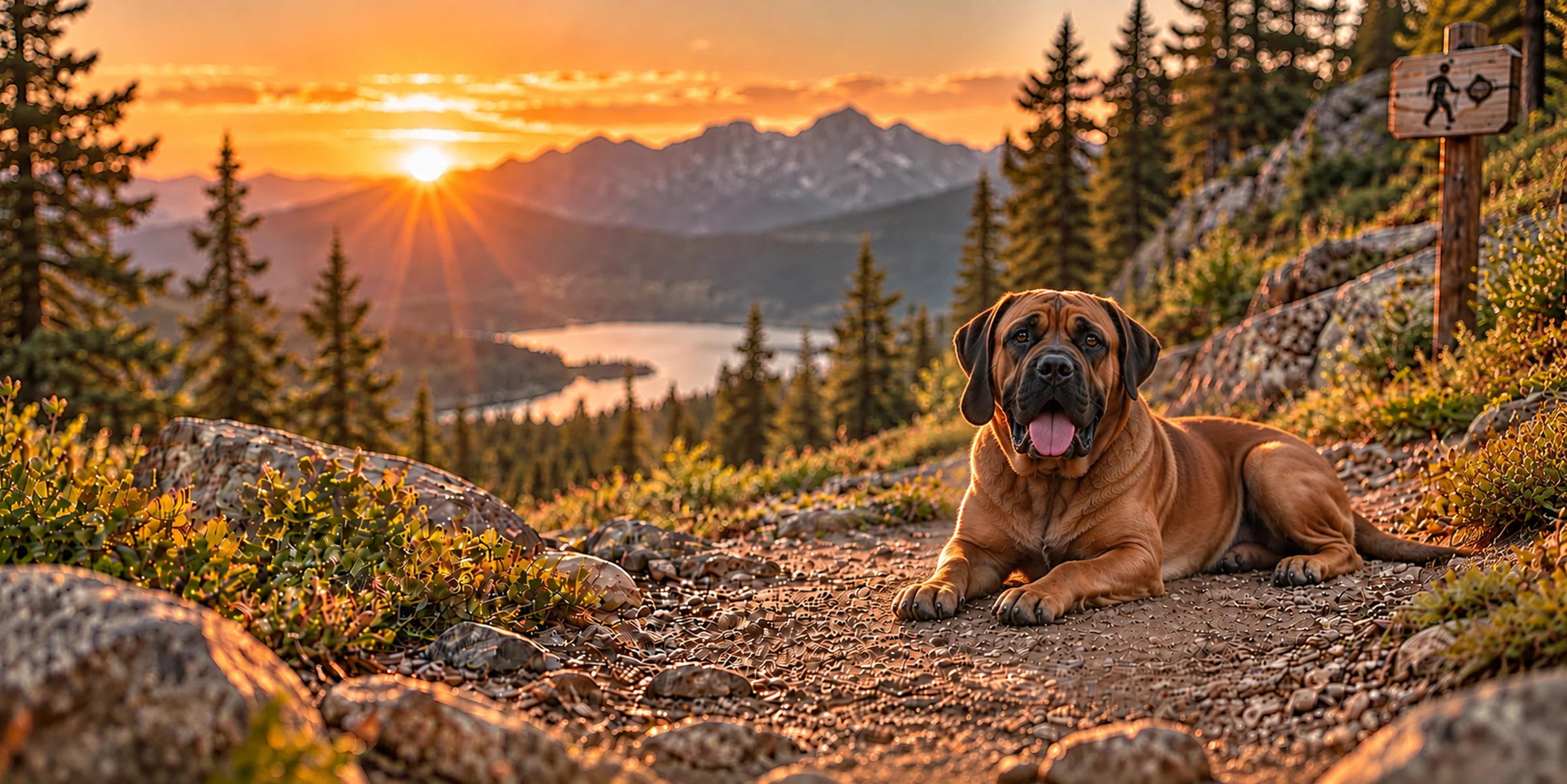
Boerboel
The same mastiff scale with a far sharper edge - the Boerboel is genuinely territorial, restricted in several countries, and needs an experienced handler. The Broholmer gives you most of the presence with a considerably more even temperament.
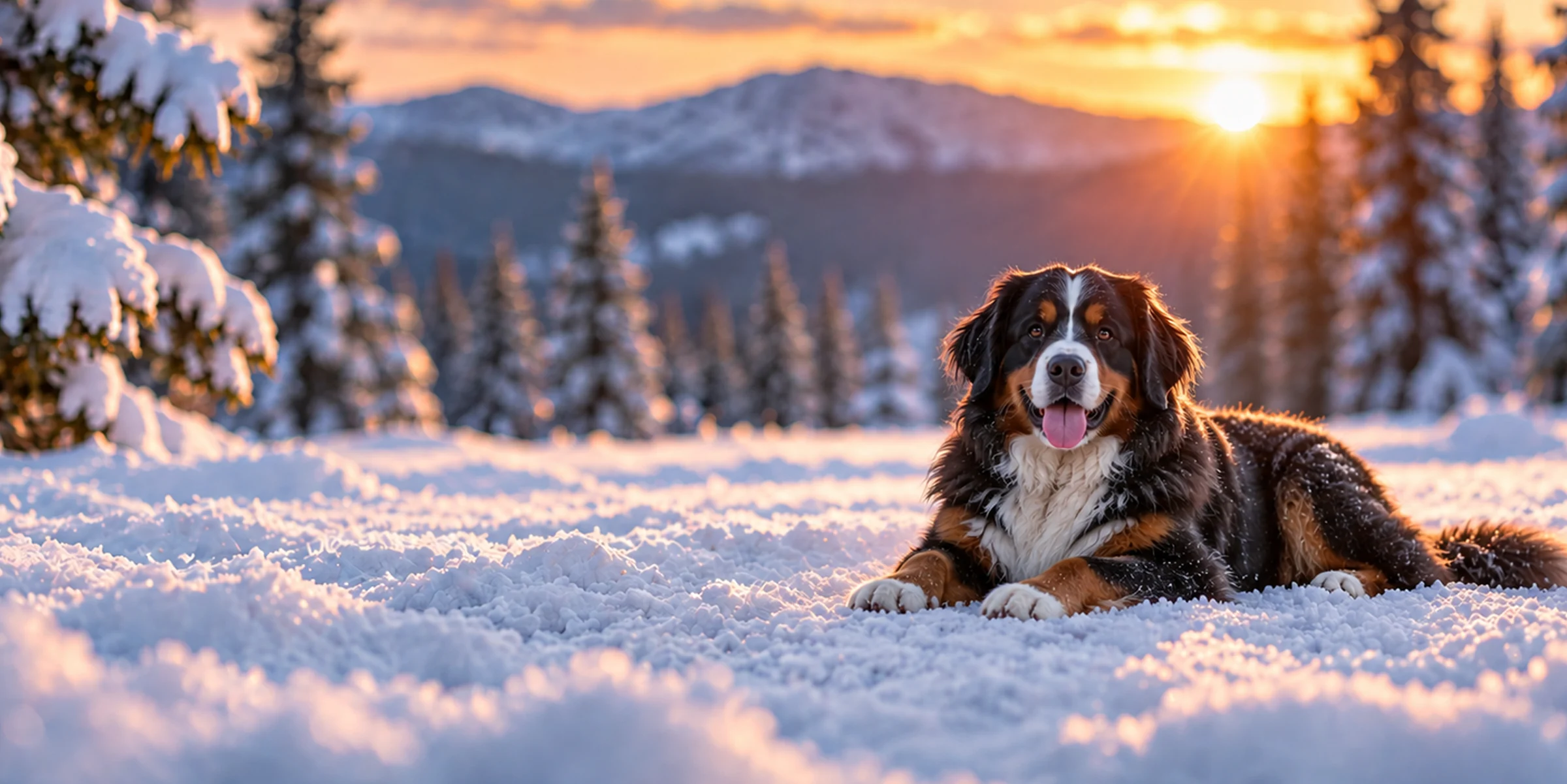
Bernese Mountain Dog
A similar gentle-giant proposition at a slightly lower weight, with the same short life and the same family devotion. The Bernese has a heavy coat and a serious cancer risk; the Broholmer trades both for more drool and more dog.