

medium-to-large breed
Calupoh
A large, athletic, quiet Mexican dog, and one of the least-documented breeds here - the Calupoh is a modern reconstruction rather than an ancient survivor, and the health record is correspondingly thin. They are devoted to their own household, aloof with everyone else, and independent in a way that takes real getting used to. Energy is near the top of the scale, and the coat asks almost nothing.

Pup Height
25-29.5 in
Figures are for males; females are 23.5-28 in. Solid black is the preferred color, with black and white also accepted. Source: Federacion Canofila Mexicana breed standard.

Pup Weight
55-88 lb

Pup Lifespan
12-14 years
Your pup, at a glance
What’s Life With This Pup Really Like?

Attached rather than demonstrative. They are devoted to their own household and show it by staying nearby rather than by climbing on anyone.

Acceptable with children a Calupoh is raised with, and not a natural family dog. Calupohs are tolerant rather than playful about them, and their size and reserve both argue for supervision.

Manageable with dogs a Calupoh grows up alongside. There is real prey drive toward smaller animals, and cats are a poor bet unless raised together from the start.

Low. The Calupoh is a quiet dog who alerts rather than chatters, which makes them a better neighbor than their size and energy suggest.

Very high. Two hours of genuine activity most days, and they have the build and stamina to keep going well past that.

Moderate. A short dense coat that sheds steadily with a heavier seasonal turn, and is easy enough to manage.

Athletic and businesslike. They enjoy running and problem-solving far more than toys, and they are not clowns.

Very low. A dry, tidy dog.

Moderate. They learn quickly and decide whether to act on it, which reads as stubbornness and is really independence - reward-based work is the only approach that gets traction.

Very good. Watchful, reserved with strangers and physically imposing, without the reactivity of a dedicated guarding breed.

Low. A weekly brush covers most of the year, with more during the shed. No trimming and no professional grooming needed.

Low. They cope with climate and new homes readily enough, and not at all with a small space or a life that gives them nothing to do.
Lifestyle fit
Could This Be Your Best Breed?
A Calupoh needs land and a serious fence, and an owner with experience of primitive-type breeds rather than biddable ones - a suburban yard is a holding pen, not an outlet. Running costs are moderate at $1,600 to $2,600 a year across twelve to fourteen years; the hard part is two hours of real work most days. Ask yourself honestly whether there is land rather than a small yard, whether the front door is quiet most days, and whether you have done a dog like this before - if any answer is no, this is not the breed.

Living Space
Land and a serious fence. The Calupoh is athletic, independent and built to cover ground, and a suburban yard is a holding pen rather than an outlet. They are quiet, which helps, but nothing else about them suits a small space.

Pup Experience
Not a first dog. They are intelligent and trainable within limits, and they are also independent by design, reserved with strangers and physically capable. Owners need experience with primitive-type breeds rather than with biddable ones, and a realistic view of how little is documented about the Calupoh.

Daily Pup Time
Two hours of real activity most days with something for the head, plus a weekly brush. The coat asks very little; everything else asks a lot.

Allergies & Coat
The Calupoh scores 5/10 for shedding and 2/10 for drooling. No dog is truly hypoallergenic. The allergens come from dander and saliva, and a dog that sheds this much will leave plenty of hair behind - especially on your furniture, floors, and clothes.
Quirks & challenges
The Not-So-Easy Stuff

A Reconstructed Breed
The Calupoh is a modern re-creation of an ancient type, not an unbroken line from it. Expect claims to the contrary and know the actual history.
Independent by Design
They were not bred to take direction from anyone. They learn readily and comply selectively, which is a different thing from stubbornness.
They Need a Real Job
Two hours of genuine activity most days. Under-worked they are destructive and restless, and walking does not substitute for it.
Reserved With Strangers
Aloof rather than friendly, and watchful about who comes in. Broad early socialization is what keeps that useful rather than a problem.
Health Data Is Thin
A small, young population means published health figures barely exist. A breeder's own testing records are the only real source.
Almost Impossible to Get
Very few exist outside Mexico. Expect a long wait, and check the local rules on anything described as a wolfdog before you commit.
The good, the bad & the hairy
Health, Care & Costs
Understanding the health risks and ongoing costs of a Calupoh helps you plan for a happy, healthy life together.

12-14 years
$45-$70
per groom (bath, nails and ears), every 8-12 weeks - a short coat needs little ($200-$350/year)
$1,600-$2,600/year
all-in (food, routine vet, grooming, insurance, incidentals)

Health Risks
Conditions this breed is prone to.

Worth stating first rather than buried: this is a young breed with a very small population, and published health statistics for it barely exist. Nothing here is a list of problems Calupoh are known to have - it is the set of conditions a dog of this size and build is generally at risk of, and a breeder's own testing records matter more than breed-level figures that have not been gathered yet.
The hip joint develops loosely, so the ball and socket grind instead of gliding. It leads to arthritis and, in severe cases, surgery. A gene pool this small makes parental hip scores a requirement rather than a nicety - ask to see them.
Similar to hip dysplasia but in the elbow joint - the bones do not fit together properly, causing pain and early arthritis. Screened alongside hips.
The stomach fills with gas and twists, cutting off its own blood supply. Without surgery within hours it is fatal. Deep-chested dogs are most at risk, and feeding one large meal a day or exercising straight after eating makes it likelier.
An inherited disease that slowly destroys the retina. Night vision goes first, then daylight vision, usually ending in blindness. There is no treatment, but it is painless and gradual, and eye clearances on both parents are the protection.
The knee ligament tears under the load of an athletic dog turning at speed on rough ground. It usually needs surgery, and dogs that do one side often do the other later.

Insurance & Health Coverage
The honest answer here is that nobody can tell you much, and that is itself the useful information.

The breed is young, the population is small, and there is no body of health data to reason from the way there is for an established breed. That cuts both ways - there is no known cluster of inherited disease, and there is also no evidence that one would have been spotted yet. Insure on the basis of size and build rather than breed statistics: joint surgery in the low thousands, and bloat as the sudden emergency on a deep-chested dog.

There is one non-medical item worth settling first. Anything marketed as a wolfdog can run into local restrictions and insurer exclusions regardless of what the breed registry says, so confirm your own position in writing before committing to a puppy.
 Get a Pet Insurance Quote
Care needs
The Daily Routine

Grooming
A short, dense coat that needs a weekly going-over and rather more during the seasonal shed. Nails, teeth and ears on the usual schedule - the grooming is genuinely undemanding and one of the few easy things about them.

Exercise
Two hours most days, and the content matters more than the total. Long hikes over rough ground, canicross, tracking and scent work all suit them; a leash walk around the block is transport rather than exercise.

Food & Weight
Two measured meals rather than one large one, with hard exercise kept clear of mealtimes given the bloat risk. Feed to the workload and keep them lean - this is an athletic build that should carry no spare weight.
Similar breeds
If This Isn’t Quite the One
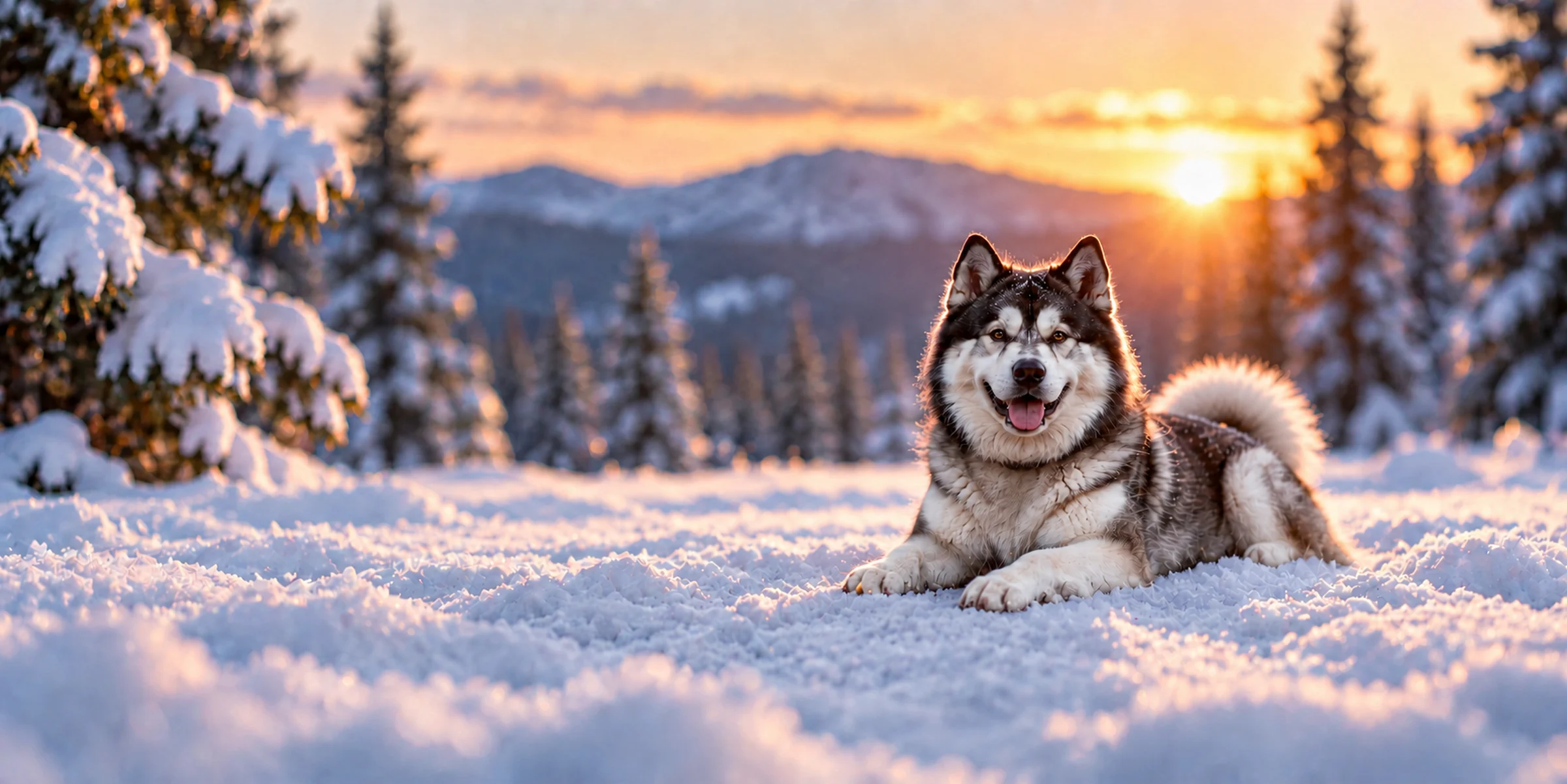
Alaskan Malamute
The closest match on this site for build and outlook - a large, athletic, independent northern dog who works with you rather than for you. The Malamute has a far heavier coat and more pulling drive; the Calupoh is leaner, quieter and considerably harder to find.
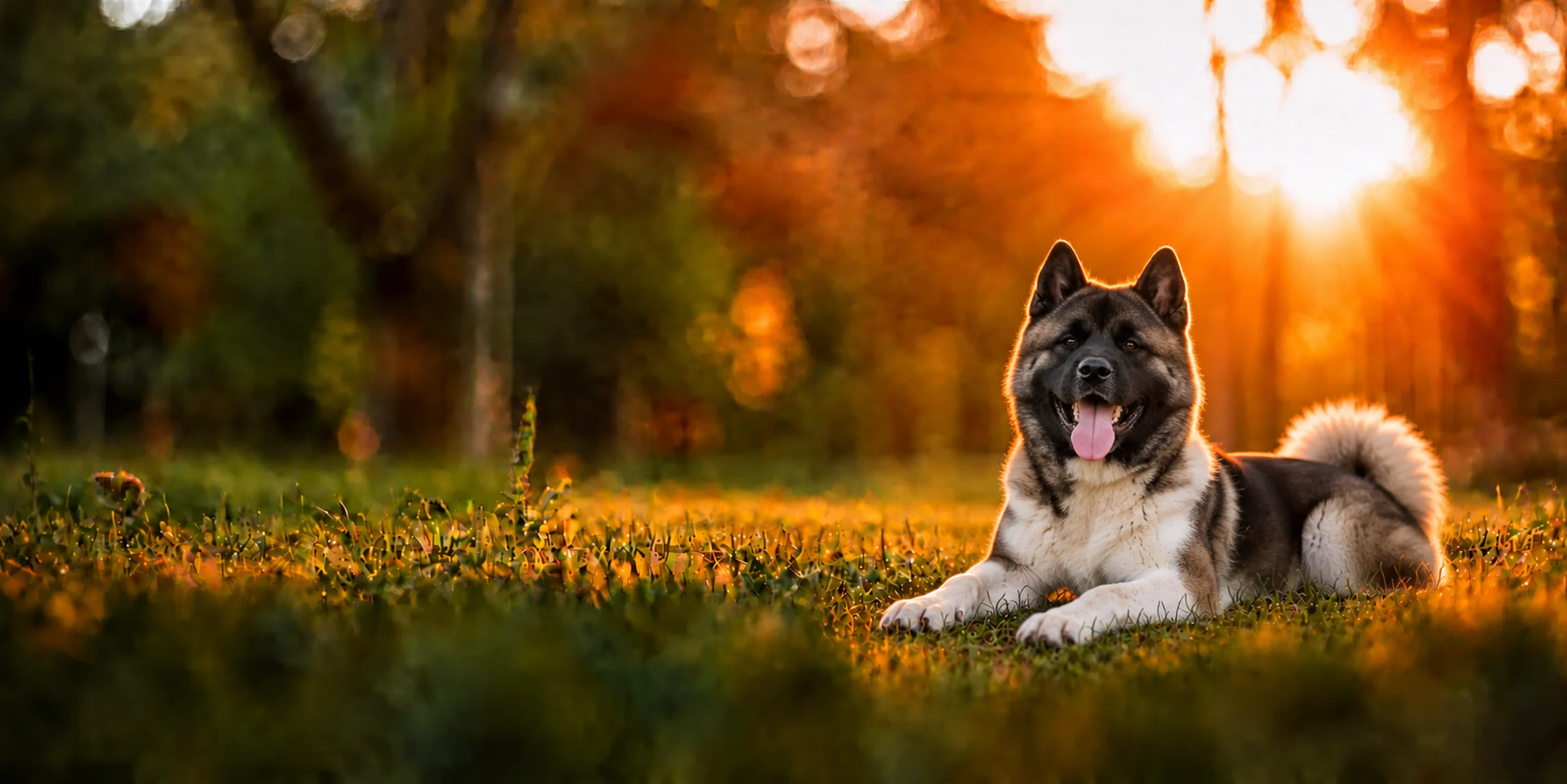
Akita
A similar primitive-type temperament: dignified, aloof with strangers, devoted to their own household and entirely uninterested in obedience for its own sake. The Akita is heavier and more territorial; both need an owner who is not expecting a retriever.