

large-to-giant breed
Central Asian Shepherd Dog
One of the oldest working types anywhere, shaped for four thousand years by Central Asian shepherds under ruthlessly practical selection - sound, economical with their energy, and entirely serious about territory. Central Asian Shepherds are steadier and more even than their Caucasian cousin and no less capable, and they run to 176 pounds. The dealbreaker is simple: they were never bred for a household, and nothing about them pretends otherwise.

Pup Height
25.5-31.5 in

Pup Weight
88-176 lb
Males from 27.5 in and 110 lb upward, females from 25.5 in and 88 lb. The enormous range is the mark of a landrace rather than a breed - dogs from Turkmenistan, Uzbekistan, Kazakhstan and Tajikistan were selected by shepherds for function across a huge territory and vary accordingly. Any color is accepted. In the AKC's Foundation Stock Service. Source: AKC Foundation Stock Service breed standard.

Pup Lifespan
12-15 years
Your pup, at a glance
What’s Life With This Pup Really Like?

Affectionate with their own family in a calm, undemonstrative way. They want to be near them and have no interest at all in anyone else.

Steady and protective with the children they live with, and a Central Asian's size plus their guardian instinct make supervision essential - especially around visiting children whose games they have no context for.

Excellent with livestock they were raised alongside, difficult with other dogs. Same-sex aggression is serious and the size makes any incident consequential.

Moderate to high, concentrated at night. A deep carrying bark used to patrol and announce rather than out of nervousness.

Low. They conserve energy deliberately - a working guardian who runs all day does not survive a steppe winter.

Heavy. A dense double coat that sheds year-round with a substantial seasonal blowout.

Minimal. Puppies play; adults are serious dogs who would rather hold a vantage point.

Low to moderate. Some drool around food and water, less than most mastiffs.

Low by breeding. They are intelligent and independent in equal measure, and they cooperate with a handler they respect rather than obeying one.

The maximum. Territorial, decisive, unhurried and physically capable - a genuine guardian rather than an alarm.

Moderate. Weekly brushing, daily in season, on a very large dog - simpler than the Caucasian but not quick.

Very low. They need land, a boundary, an experienced owner and a jurisdiction that permits them, and they do poorly with anything less.
Lifestyle fit
Could This Be Your Best Breed?
A Central Asian Shepherd needs land, a substantial fence and preferably a job, plus an owner who has handled guardian breeds before. An hour of steady walking covers the exercise; containment, socialization and consistent handling are the lifelong part, at $2,300 to $3,800 a year for twelve to fifteen years. Without your own land, a fence nobody else shares and guardian breeds already behind you, do not - and never on the hope of a dog who greets visitors.

Living Space
Land with a substantial fence, and preferably a job. Central Asian Shepherds are working guardians who think in terms of territory, and a shared suburban fence line puts them in conflict with the neighbors by default.

Pup Experience
Experienced guardian owners only. Central Asian Shepherds are calmer and more even than the Caucasian Shepherd, which makes them the more approachable of the two and still nothing like a normal large dog. Independence, size and territorial instinct all have to be understood before they arrive.

Daily Pup Time
An hour of steady walking is plenty - they are not built for endurance work and conserve themselves. The real commitment is containment, socialization and consistent handling for life.

Allergies & Coat
The Central Asian Shepherd Dog scores 7/10 for shedding and 4/10 for drooling. No dog is truly hypoallergenic. The allergens come from dander and saliva, and a dog that sheds this much will leave plenty of hair behind - especially on your furniture, floors, and clothes.
Quirks & challenges
The Not-So-Easy Stuff

Territory Is Their Call
They decide where the boundary is and enforce it without consulting you. Containment is a safety system, not a convenience.
Independent by Selection
Four thousand years of working unsupervised. They evaluate requests rather than obeying them, especially under pressure.
Same-Sex Aggression
Serious and common, particularly between males. Two giant guardians in one home is rarely a workable plan.
Slow to Mature
Three years to a settled adult mind, in a body that reached full size at eighteen months.
Restrictions and Insurance
Frequently excluded by home insurers and restricted in some places. Confirm both before committing.
Night Barking
A flock guardian patrols and announces after dark. Neighbors within earshot will notice.
The good, the bad & the hairy
Health, Care & Costs
Understanding the health risks and ongoing costs of a Central Asian Shepherd Dog helps you plan for a happy, healthy life together.

12-15 years
$80-$130
per groom (bath, blow-out, nails, ears), every 8-12 weeks ($350-$700/year)
$2,300-$3,800/year
all-in (food, routine vet, grooming, insurance, incidentals)

Health Risks
Conditions this breed is prone to.

Worth saying first. Natural and functional selection over thousands of years, without the closed studbook that concentrates disease, left this breed healthier than most dogs of their size - though the giant frame carries its own physics regardless of genetics.
The joints develop loosely or unevenly, wearing into arthritis and sometimes needing surgery - which on a dog of this weight sits at the top of the orthopedic cost range. Rates are lower than in most giant breeds but the screening still matters; ask for both parents' scores.
The stomach fills with gas and twists, cutting off its own circulation, and it kills within hours without emergency surgery. Deep-chested giants are the highest-risk group. Split meals, keep exercise well clear of them, and discuss a preventive gastropexy with your vet.
The eyelid rolls inward so lashes rub against the cornea, causing pain and ulceration. Surgically corrected and seen in the heavier-headed lines.
A low-energy dog of this size is easy to overfeed, and extra weight on giant joints does damage that shows up years later as arthritis.
Giant breeds carry higher rates of cardiac problems, including dilated cardiomyopathy where the heart muscle weakens and enlarges. Worth listening for at every annual check from middle age.

Insurance & Health Coverage
The liability conversation comes first, as with any giant guardian. Home insurers frequently exclude the breed and some jurisdictions restrict it, and a dog of this size in an incident is not a small problem. Get a position in writing before there is a puppy.

On health they are a comparatively good bet - one of the sounder giant breeds, with genuinely long life for the size. What you are insuring is the cost of scale rather than a high rate of illness: bloat surgery is several thousand dollars whenever it arrives, orthopedic work on a hundred-and-fifty-pound frame is priced accordingly, and even routine anesthesia costs more by body weight.

Insure young, before any joint note appears on a record and becomes a permanent exclusion.
 Get a Pet Insurance Quote
Care needs
The Daily Routine

Grooming
A dense double coat, short or moderately long depending on the line, that needs a weekly brush most of the year and daily attention through the heavy seasonal shed. Less work than the Caucasian Shepherd's mountain coat but still a substantial job on a dog this size.

Exercise
An hour of steady walking or patrolling a large space. They are not endurance athletes and long runs are actively bad for a growing giant - the value is in the routine and the territory rather than the distance.

Food & Weight
Two or three measured meals rather than one, with hard exercise kept clear of feeding given the bloat risk. Grow puppies slowly on giant-breed food; forcing weight onto developing joints is the most common avoidable injury in breeds this size.
Similar breeds
If This Isn’t Quite the One
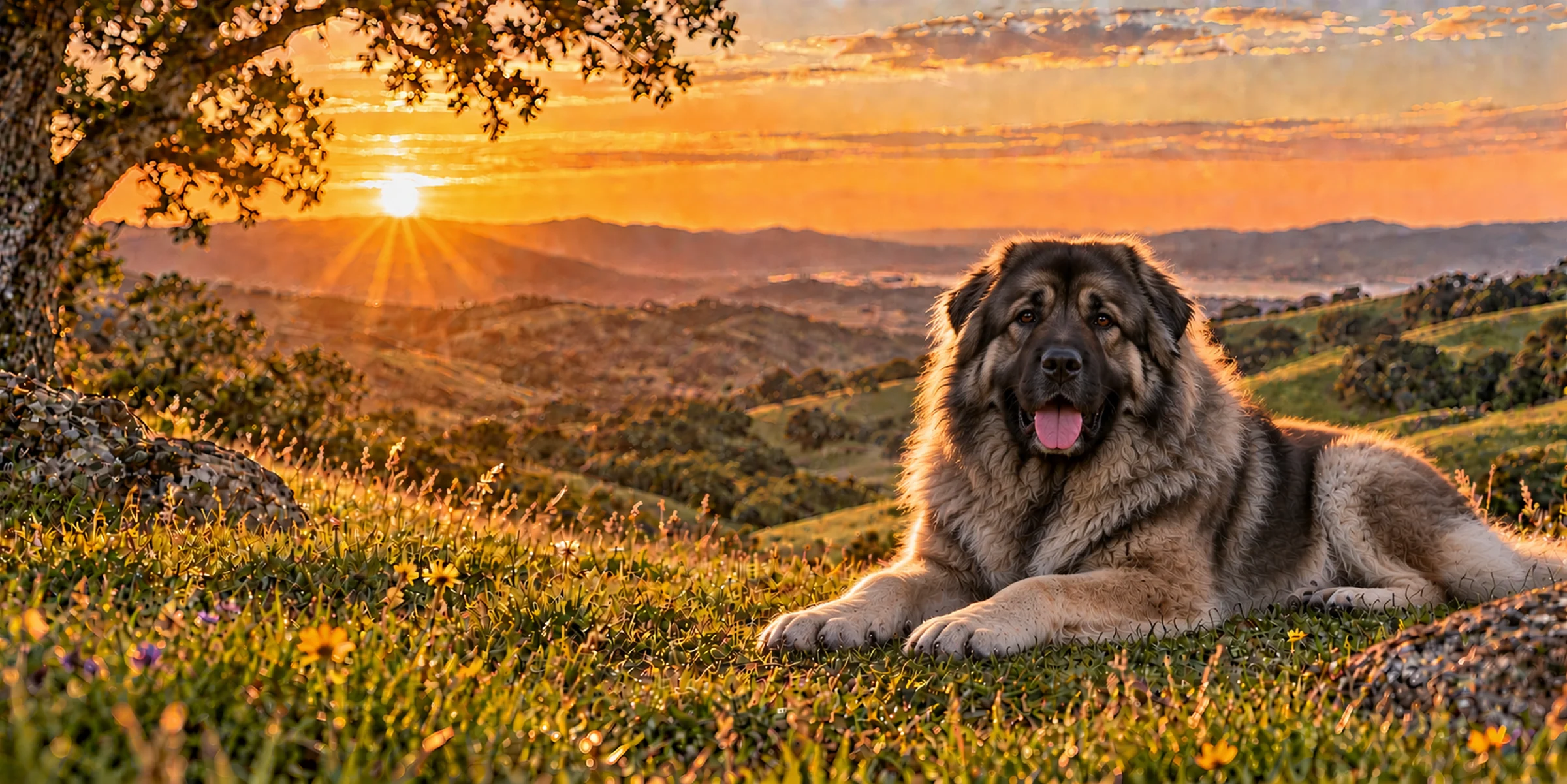
Caucasian Shepherd Dog
The direct comparison - the neighboring guardian tradition, similar size and job. The Caucasian is harder, more reactive and more coat; the Central Asian is the calmer and generally more even-tempered of the two.
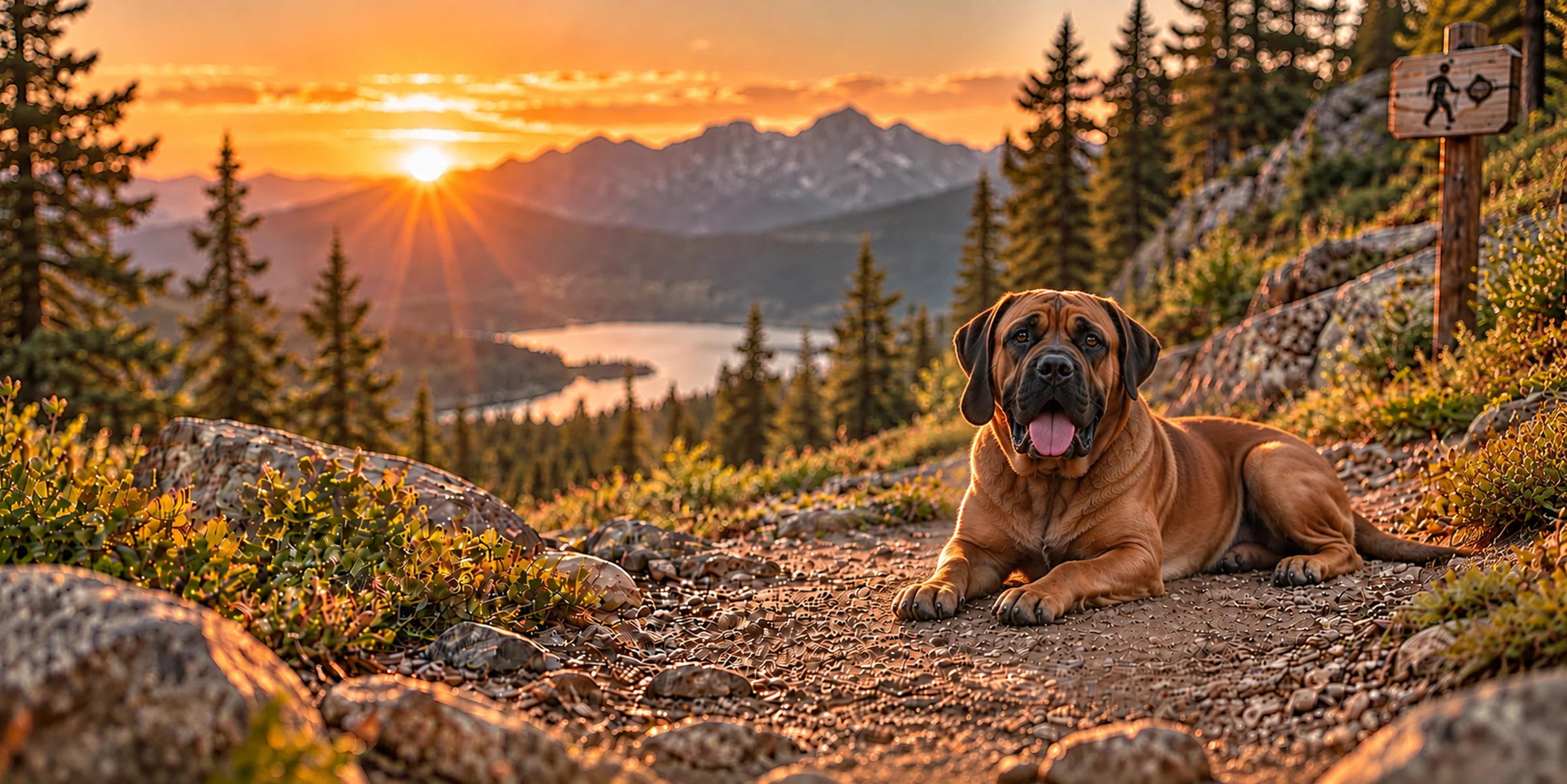
Boerboel
Another giant guardian, but bred around the homestead rather than out with flocks, so they are more socially integrated with people and rather more biddable. Similar size, similar restrictions, different working mind.