

large-to-giant breed
Caucasian Shepherd Dog
Enormous, calm at rest, slow to move and absolutely decisive once they judge something has crossed a line. The Caucasian Shepherd is a mountain livestock guardian first and a companion a distant second - devoted to their own family, openly suspicious of everyone else, and heavy enough at 99 to 170 pounds that mistakes carry real consequences. Extraordinary in the right hands and genuinely dangerous in the wrong ones.

Pup Height
25-30 in

Pup Weight
99-170 lb
Males start at 27 in and 110 lb and go well beyond; females are 25 in and 99 lb upward. Two coat types exist - a long mountain coat and a shorter steppe coat - and the range in size reflects a landrace that developed differently across Georgia, Armenia, Azerbaijan and the Russian Caucasus rather than to one committee's standard. In the AKC's Foundation Stock Service. Source: AKC Foundation Stock Service breed standard.

Pup Lifespan
10-12 years
Your pup, at a glance
What’s Life With This Pup Really Like?

Genuinely affectionate with their own household in an undemonstrative way - they settle near you rather than on you, and the bond runs deep. None of it extends past the family.

Protective of their own family's children and a poor risk around visiting ones. The size alone makes accidents serious, and a guardian misreading rough play is worse than an accident.

Difficult. Same-sex dog aggression is common, a Caucasian Shepherd is territorial about animals entering their space, and their size removes any margin for error. Usually best alone.

High, and it carries. A deep, loud alarm bark used liberally at night, which is exactly what a flock guardian is meant to do and exactly what neighbors object to.

Low. They conserve themselves, move deliberately and are content with a walk and a vantage point.

Very heavy. A dense mountain undercoat that sheds year-round and comes out in sheets twice a year.

Minimal. They are serious dogs with little interest in games, and puppies grow out of what play they have.

Moderate. Loose lips mean drool around water and food, though nothing like a mastiff.

Low by design. They were bred to disregard handlers and act alone, and a Caucasian Shepherd complies when they agree rather than when told.

The maximum on this site, and not in a way most homes want. Territorial, decisive, and physically capable of finishing what they start.

High. Two or three brushings a week, daily in season, on an enormous coat that professional groomers charge accordingly for.

Very low. They need land, cold-tolerant conditions, an experienced handler, and a jurisdiction and insurer that will permit them.
Lifestyle fit
Could This Be Your Best Breed?
A Caucasian Shepherd suits acreage with a serious perimeter fence and an owner who has kept guardian breeds before - not a first, fifth or tenth dog otherwise. Exercise is modest; the work is containment, socialization and management that never stops, at $2,600 to $4,200 a year. Without acreage, a serious fence and guardian breeds already behind you, do not - and no one should take one on hoping a big dog is simply a big pet.

Living Space
Acreage with a serious perimeter fence. Caucasian Shepherds were bred to hold territory against wolves and define that territory themselves - a suburban yard with a shared fence line is a liability rather than a home.

Pup Experience
The most demanding breed on this site. A Caucasian Shepherd is a livestock guardian bred to act alone, without instruction, against predators - and brings that judgment to your driveway. This is not a dog for a first, fifth or tenth-time owner unless those dogs were guardians too.

Daily Pup Time
Surprisingly little exercise - forty-five minutes of walking suits a dog who conserves energy for a fight. The commitment is management, socialization and containment, which never stop.

Allergies & Coat
The Caucasian Shepherd Dog scores 8/10 for shedding and 5/10 for drooling. No dog is truly hypoallergenic. The allergens come from dander and saliva, and a dog that sheds this much will leave plenty of hair behind - especially on your furniture, floors, and clothes.
Quirks & challenges
The Not-So-Easy Stuff

They Guard Without Being Asked
Territorial defense is instinct, not training. They decide what is a threat, and they are usually not asking you.
Socialization Is Urgent
Hundreds of controlled meetings before six months. Miss the window and you own an unmanageable adult guardian.
Independent to a Fault
They weigh every request. Obedience exists but it is negotiated rather than automatic, and never guaranteed under pressure.
Liability and Insurance
Restricted or banned in many jurisdictions, refused by most home insurers. Check the law and the policy first.
Dog Aggression
Same-sex conflict is close to expected. Dog parks are out and so, usually, is a second large dog.
The Coat Is Real Work
A dense mountain double coat that blows out twice a year on a hundred-and-fifty-pound frame.
The good, the bad & the hairy
Health, Care & Costs
Understanding the health risks and ongoing costs of a Caucasian Shepherd Dog helps you plan for a happy, healthy life together.

10-12 years
$90-$150
per groom (bath, full blow-out, nails, ears), every 8-10 weeks ($500-$900/year)
$2,600-$4,200/year
all-in (food, routine vet, grooming, insurance, incidentals)

Health Risks
Conditions this breed is prone to.

The hip joint develops loosely so the ball grinds in the socket rather than gliding, leading to arthritis and sometimes replacement surgery - on a dog who may weigh a hundred and fifty pounds, which puts the procedure at the extreme end of orthopedic cost. Ask to see hip scores for both parents.
The same problem in the elbow - bones that do not meet cleanly, causing pain and early arthritis. Common in giant, fast-growing breeds and screened alongside hips.
The stomach fills with gas and twists on its own axis, cutting off blood supply. Fatal within hours without emergency surgery, and giant deep-chested breeds are the highest-risk group there is. Split meals, keep exercise clear of them, and discuss a preventive gastropexy.
A low-energy giant is easy to overfeed, and every extra pound lands on joints already carrying an unusual load. Weight control here is orthopedic care, not cosmetics.
The eyelid rolls inward so the lashes rub the cornea, causing pain and ulcers. Corrected surgically and common in breeds with heavy facial skin.
Giant breeds carry higher rates of cardiac disease, including dilated cardiomyopathy where the heart muscle weakens and stretches. Worth a listen at every annual check as they age.

Insurance & Health Coverage
Start with liability, not health. This breed is restricted or banned outright in a number of jurisdictions and declined by most home insurers, and a guardian of this size involved in an incident is a scale of problem that does not resolve quietly. Confirm the local law and get an insurer's position in writing before a puppy exists.

On health, everything costs more because of the weight. Hip or elbow surgery on a hundred-and-fifty-pound dog sits at the top of the orthopedic range, bloat surgery is a several-thousand-dollar emergency at whatever hour it arrives, and even routine anesthesia is priced by body mass. Insure early - joint problems noted on a record become exclusions - and expect premiums that reflect both the size and the breed's reputation.
 Get a Pet Insurance Quote
Care needs
The Daily Routine

Grooming
A thick weatherproof double coat that needs thorough brushing two or three times a week, and daily during the twice-yearly shed when the undercoat comes out in handfuls. Professional grooming on a dog this size is a real expense. Check ears and the eye rims regularly.

Exercise
Forty-five minutes to an hour of steady walking. They are not athletes and they do not want to be - a guardian conserves energy, and long runs are neither wanted nor good for growing giant joints.

Food & Weight
Two or three measured meals, never one large one, with hard activity kept clear of feeding given the bloat risk. Grow puppies slowly on giant-breed food - pushing weight onto developing joints causes damage that lasts the whole life.
Similar breeds
If This Isn’t Quite the One
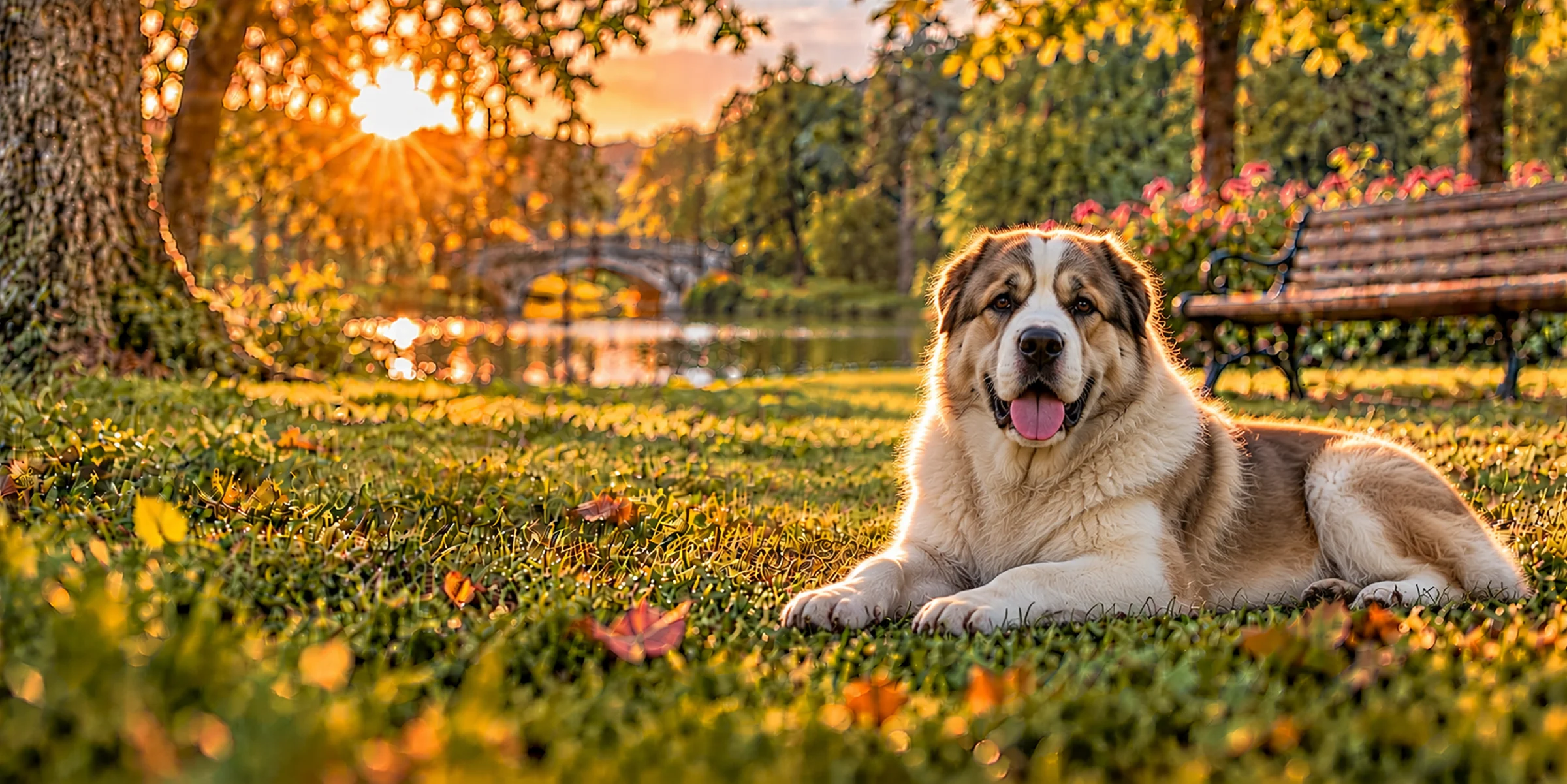
Central Asian Shepherd Dog
The closest relative and the direct comparison - another ancient regional guardian of similar size and purpose. The Central Asian is generally a little more even-tempered and marginally more biddable; the Caucasian is the harder and more reactive of the two.
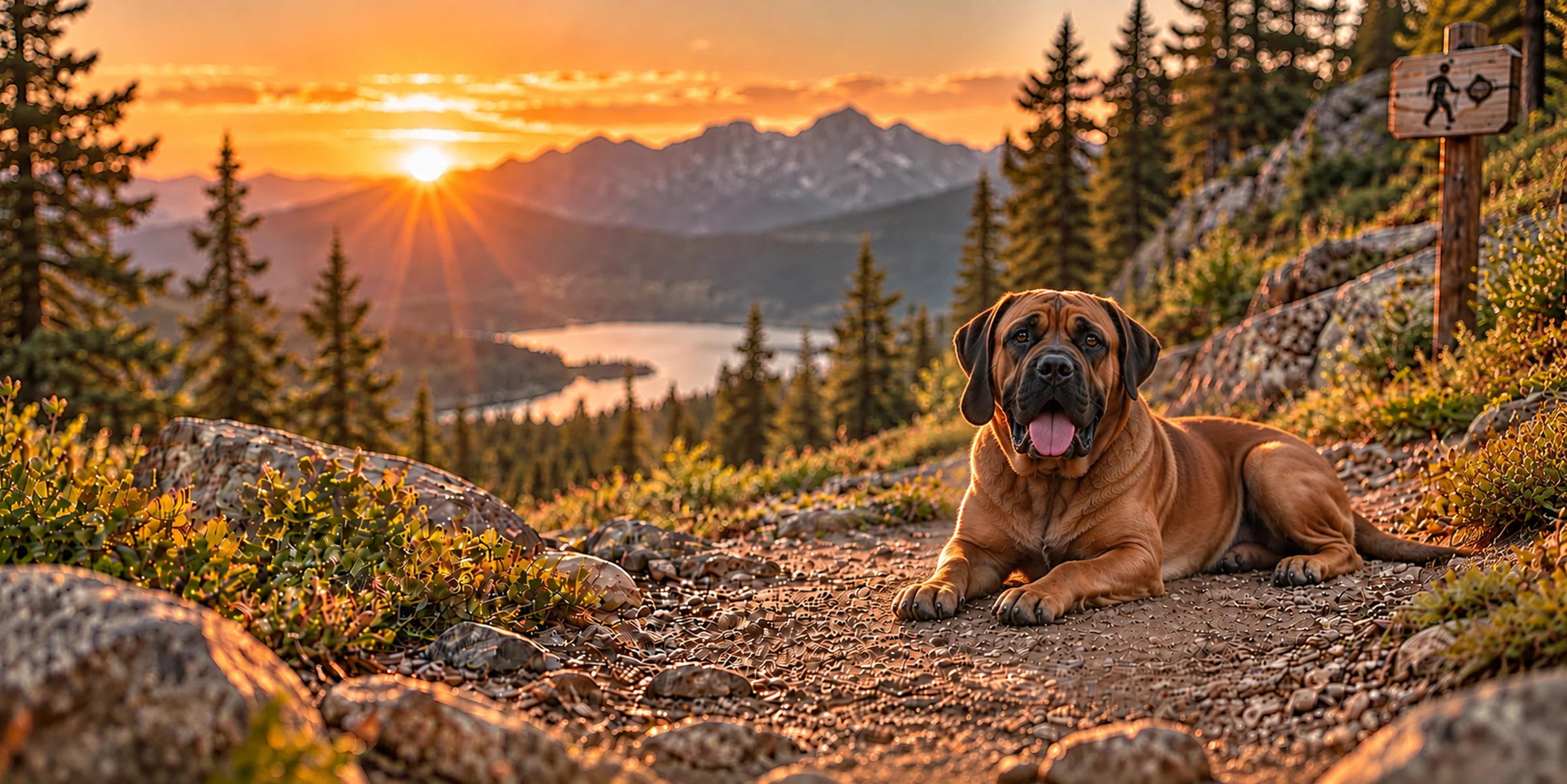
Boerboel
A farm guardian of comparable size and seriousness from a completely different tradition. The Boerboel was bred around the homestead and with the family, so they are more socially integrated; the Caucasian was bred to work away from people entirely.
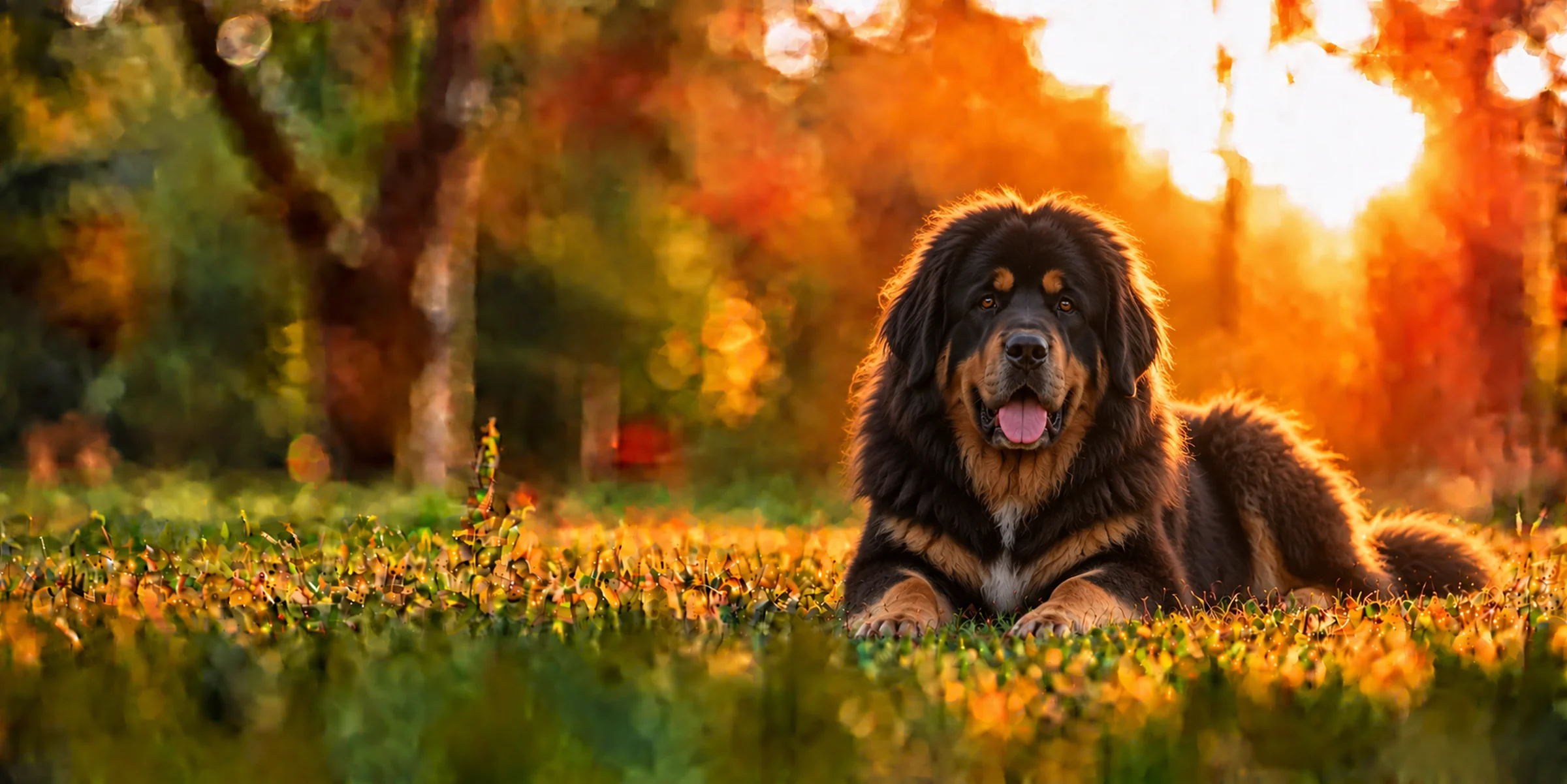
Tibetan Mastiff
The Himalayan guardian with the same weight, independence and night voice. Tibetan Mastiffs are slower to escalate with strangers and blow their undercoat once a year rather than carrying it year-round.