

medium-to-large breed
Dalmatian
Puppies are born pure white and the spots develop over the first few weeks. Black-spotted and liver-spotted are the two accepted colors, and a dog is never both. The coat is short, dense and unusually hard, which is why the hair works into fabric the way it does. Roughly eight percent of the breed is born deaf in both ears and around eighteen percent in one, which is why BAER testing exists. Source: AKC breed standard.
The carriage dog - bred to run twenty or thirty miles beside a rig, guard it at stops and clear the road ahead, which is how Dalmatians ended up in fire stations. They are athletic, dignified, affectionate and genuinely a lot of dog. Two facts separate an informed owner from a disappointed one: they shed constantly and heavily whatever you do, and the breed carries congenital deafness and a urinary defect that needs managing for life.

Pup Height
19-24 in

Pup Weight
45-70 lb

Pup Lifespan
11-13 years
Your pup, at a glance
What’s Life With This Pup Really Like?

High with their own family. A Dalmatian is a leaner and a foot-warmer, physically affectionate at home while staying reserved with everyone else.

Good with their own family's children when properly exercised and socialized, with real caveats - Dalmatians are powerful, bouncy and long-memoried about rough handling, so supervision matters.

Reasonable. They work well with dogs and, famously, with horses; cats and small animals depend on early socialization and the individual dog.

Moderate. They announce arrivals and are not persistently noisy dogs once settled.

Very high. Two hours daily including running, and this is the single most common reason the breed is surrendered.

Among the heaviest here despite the short coat. Constant, year-round, and the hard white hairs work into fabric permanently.

Enthusiastic and physical. They play hard, run for the pleasure of it, and keep a puppyish streak for years.

Very low.

Moderate. Bright and quick to learn, independent enough to weigh whether to comply, and sensitive enough that only gentle methods work.

Strong. They guarded carriages for a living - alert, watchful and reserved with arrivals without much inclination to escalate.

Very low in effort and completely ineffective at stopping the shedding.

Low to moderate. They handle most climates fine and adapt badly to apartments, sedentary households and anyone who minds hair.
Lifestyle fit
Could This Be Your Best Breed?
A Dalmatian needs a house with a yard and an owner who runs - ninety minutes to two hours of hard exercise daily, not two short walks. Ask for BAER hearing results on any puppy, and plan on a low-purine diet for the stones. Costs run $1,500 to $2,500 a year over eleven to thirteen. Anyone in an apartment, anyone who does not exercise, and anyone who wants furniture free of hair should look elsewhere.

Living Space
A house with a yard, and an owner who runs. They were bred to trot alongside a carriage for miles, and there is no version of this dog that is satisfied by two short walks.

Pup Experience
Not a beginner's dog despite the familiarity. They are strong-willed, extremely energetic and sensitive at the same time, and the deafness and urinary-stone issues both need an owner who has read about them rather than been surprised.

Daily Pup Time
Ninety minutes to two hours of hard exercise daily, ideally running. Grooming takes five minutes and achieves very little - the shedding is constant regardless.

Allergies & Coat
The Dalmatian scores 9/10 for shedding and 2/10 for drooling. No dog is truly hypoallergenic. The allergens come from dander and saliva, and a dog that sheds this much will leave plenty of hair behind - especially on your furniture, floors, and clothes.
Quirks & challenges
The Not-So-Easy Stuff

Congenital Deafness
Around a quarter are deaf in one or both ears. BAER testing at the breeder is the only way to know.
Urinary Stones
A breed-wide metabolic quirk means urate stones. Blockage is an emergency, and diet manages it for life.
Extraordinary Shedding
Short, hard, white hairs that weave into fabric year-round. Nothing reduces it meaningfully.
Serious Exercise Needs
Two hours daily including real running. Under-exercised they are destructive and impossible to settle.
Sensitive but Stubborn
Harsh handling backfires badly and they are quite willing to ignore a request they see no point in.
Reserved With Strangers
Aloofness is correct; suspicion is not. Heavy early socialization decides which one you get.
The good, the bad & the hairy
Health, Care & Costs
Understanding the health risks and ongoing costs of a Dalmatian helps you plan for a happy, healthy life together.

11-13 years
$40-$65
per groom (bath, de-shed, nails, ears), every 8-12 weeks or done at home ($0-$300/year)
$1,500-$2,500/year
all-in (food, routine vet, grooming, insurance, incidentals)

Health Risks
Conditions this breed is prone to.

Roughly eight percent of Dalmatians are born deaf in both ears and around eighteen percent in one, linked to the same genetics that produce the white coat and spotting. It cannot be treated or improved. A BAER test identifies it definitively at a few weeks old, and any responsible breeder tests every puppy and tells you the result - a breeder who has not is the problem, not the puppy.
Unique among dogs, the breed cannot convert uric acid to allantoin properly, so urate crystals form and become bladder stones. They cause straining and blood in the urine, and in male dogs a stone can block the urethra completely - an emergency needing surgery within hours. Managed for life with a low-purine diet and constant access to water.
The hip joint develops loosely and wears into arthritis, sometimes needing surgery. Present at moderate rates and screened by scoring both parents.
The breed carries higher rates of allergic skin disease than most, causing itching, licking and recurrent infections. Managed with diet and medication rather than cured, and a lifelong cost when it appears.
A defect of the muscle controlling the pupil, causing poor light adjustment, day blindness and sensitivity to bright conditions. It appears in blue-eyed dogs particularly and is diagnosed by eye examination.
The thyroid under-produces, causing weight gain, lethargy and coat and skin problems that compound any existing allergy issues. Diagnosed by blood test and controlled with an inexpensive daily tablet.

Insurance & Health Coverage
The urinary problem is the reason to insure this breed, and the reason to do it before the first vet visit. Urate stones are a metabolic feature of every Dalmatian rather than bad luck in a few, they recur, and a male dog with a blocked urethra is emergency surgery at whatever hour it happens. Once stones appear on a record, insurers exclude the urinary tract - which removes cover for the one thing you were most likely to claim on.

Budget for the prescription diet separately. It is lifelong, no policy covers food, and it is the main thing standing between your dog and that surgery.

Deafness is congenital, so no policy touches it. The protection there is a BAER test result from the breeder, not an insurer.
 Get a Pet Insurance Quote
Care needs
The Daily Routine

Grooming
Five minutes a week with a rubber curry mitt or a de-shedding tool, and accept that the hair keeps coming. The short hard coat sheds year-round and the hairs weave into upholstery in a way longer coats do not. Bathe occasionally, check ears and keep nails short on a dog who runs this much.

Exercise
Ninety minutes to two hours daily with genuine running in it - they make an excellent companion for a runner or a cyclist. Distance suits them far better than short bursts, and a large yard on its own does nothing.

Food & Weight
Two measured meals on a low-purine diet, prescription or vet-guided, because organ meat and other high-purine foods drive the stone formation directly. Constant access to fresh water is not a nicety here - dilute urine is the main defense against crystals forming.
Similar breeds
If This Isn’t Quite the One
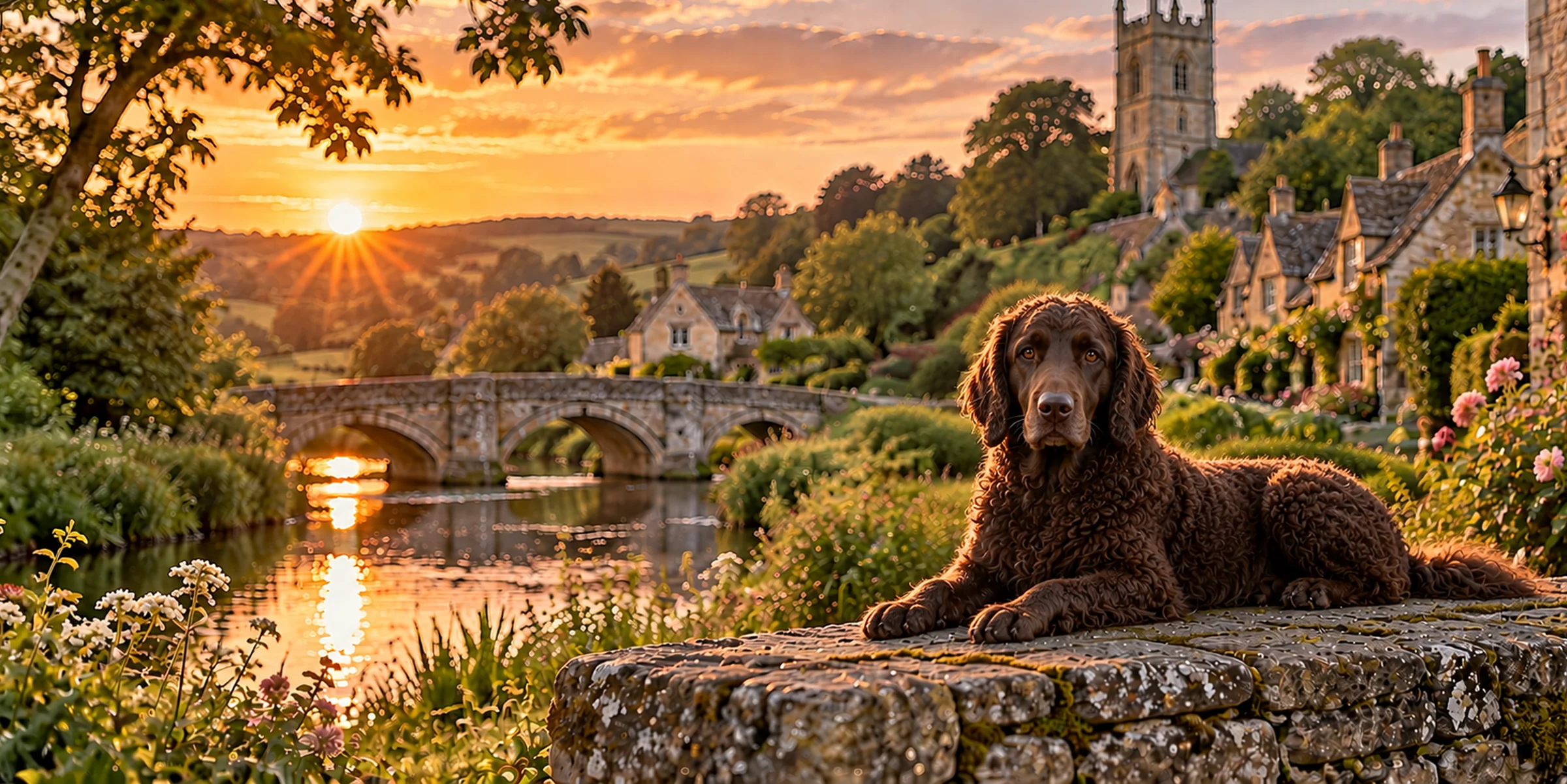
Curly-Coated Retriever
A comparable athlete with the same reserve toward strangers and the same two-hour daily requirement. The Curly is water-focused and sheds far less; the Dalmatian is the road-runner of the two.
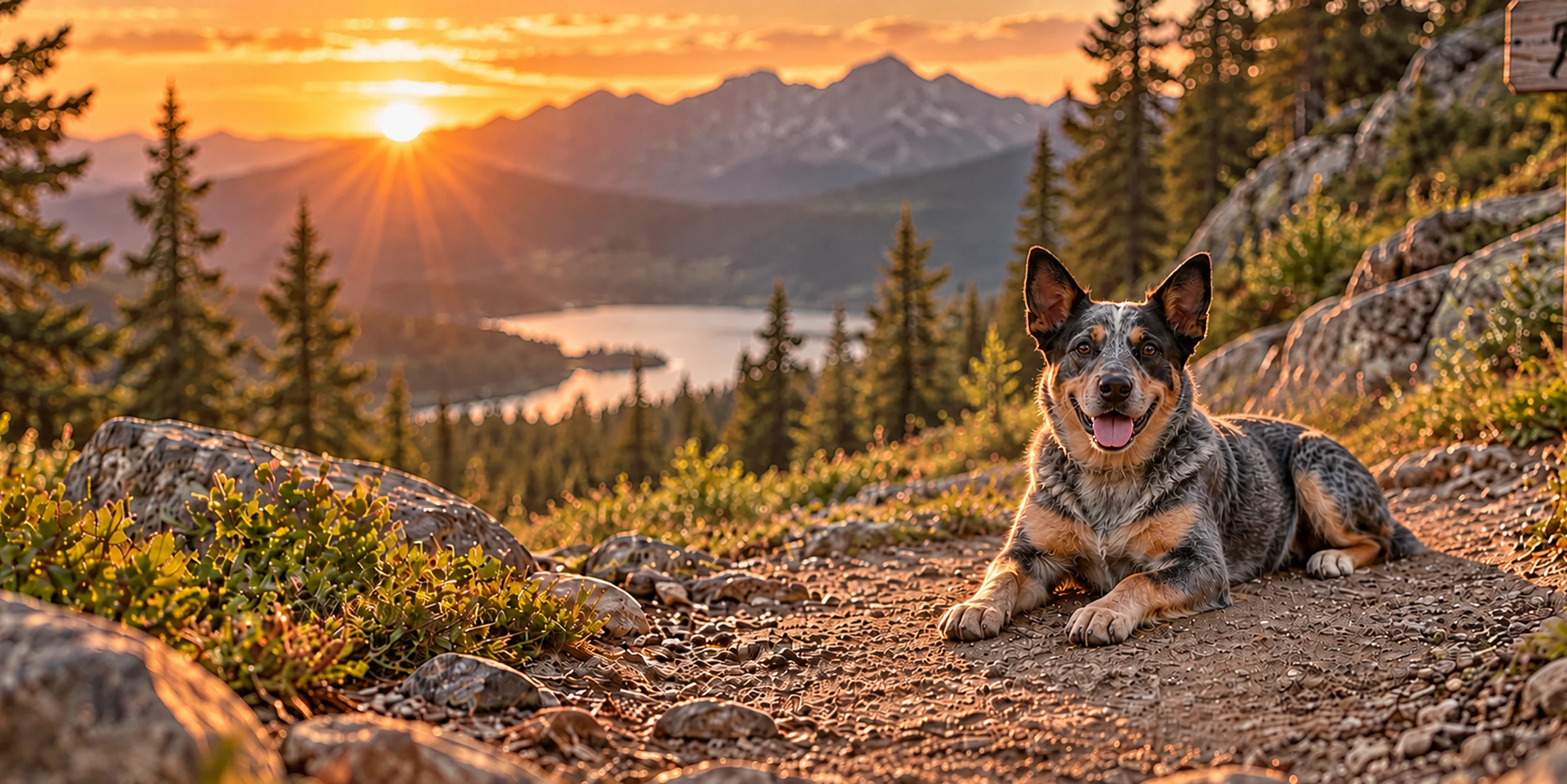
Australian Cattle Dog
Another relentlessly energetic working breed that fails badly in an under-exercised household. The Cattle Dog is more biddable and more driven to work; the Dalmatian is more independent and needs distance rather than tasks.