

medium-to-large breed
Dutch Shepherd
Brindle, athletic and wired for work - a Dutch farm herder that outlived their original job by becoming one of the best police and military dogs in the world. Dutch Shepherds are brilliant, tireless, biddable and deeply loyal, and they need far more out of a day than most households have to give. The people who struggle with one almost always chose the breed on looks rather than on hours, and hours are what it costs.

Pup Height
21.5-24.5 in
Males 22.5-24.5 in, females 21.5-23.5 in. Brindle is the defining requirement - gold or silver brindle over the whole body, and a dog without it cannot be registered. Three coat varieties: short-haired, long-haired and rough-haired, judged as one breed. Closely related to the Belgian Malinois and often mistaken for one. In the AKC's Miscellaneous Class. Source: AKC Foundation Stock Service breed standard.

Pup Weight
42-75 lb

Pup Lifespan
12-15 years
Your pup, at a glance
What’s Life With This Pup Really Like?

Affectionate and close with their own family once the work is done - they want to be in the room with you rather than on you, and the bond is intense.

Good with their own family's children when properly exercised and socialized, with the herding caveat - Dutch Shepherds will try to move running children along, and that wants redirecting early.

Reasonable with dogs they were raised with, and their prey drive and herding instinct both make cats and small animals a live question rather than a settled one.

Moderate. They alert readily and are not persistently noisy dogs once their needs are met.

The maximum on this site alongside the Vlciak. Two hours of hard work plus mental work, every single day.

Moderate to heavy depending on variety, with a substantial seasonal blowout in all three coats.

Intense and inventive. They play hard, learn games instantly, and will keep a tug or a flirt pole going far longer than you will.

Very low.

Outstanding - among the highest here. Quick, willing and handler-focused, which is precisely why they are so easy to get wrong through inconsistency.

Very strong. Alert, territorial, naturally suspicious of strangers and physically capable of acting on it.

Low for the short coat, moderate for the long, and the rough coat needs stripping rather than clipping once or twice a year.

Very low. They need space, containment, two hours a day and a real job, and they do badly in any household that cannot supply all four.
Lifestyle fit
Could This Be Your Best Breed?
A Dutch Shepherd belongs with a fenced yard and an owner who already trains working dogs - bite sports, tracking, herding, search work, something with structure in it. The dog itself is cheap, $1,400 to $2,400 a year, and healthy enough to give you twelve to fifteen years of this. Anyone taking on a first dog, anyone gone for a full workday, and anyone who wanted the look of a Malinois without the job should look elsewhere.

Living Space
A house with a securely fenced yard, and an owner whose life has room for a working dog in it. They are not destructive by nature and they become so quickly without an outlet.

Pup Experience
Experienced working-dog owners. Dutch Shepherds are not aggressive or difficult in temperament - they are simply more dog than most households can occupy, and the failure mode is a brilliant, frustrated animal taking the house apart.

Daily Pup Time
Two hours minimum of hard physical work daily plus real mental work and training, every day. The short and rough coats take ten minutes a week; the long coat needs more.

Allergies & Coat
The Dutch Shepherd scores 6/10 for shedding and 2/10 for drooling. No dog is truly hypoallergenic. The allergens come from dander and saliva, and a dog that sheds this much will leave plenty of hair behind - especially on your furniture, floors, and clothes.
Quirks & challenges
The Not-So-Easy Stuff

Extreme Exercise Needs
Two hours daily including real work. Under-exercised they are destructive on a scale that shocks people.
They Need a Job
Physical exercise alone does not touch them. Training, sport or actual work is the requirement, not enrichment.
Herding Instinct Lands on Kids
Nipping at running children and joggers is a herder doing their job. Redirect it early rather than excusing it.
Mistaken for a Malinois
Similar look, similar demands. Choosing either on appearance is the most common route to a rehomed dog.
Strong Guarding Instinct
Naturally suspicious of strangers. Heavy early socialization decides whether that reads as judgment or reactivity.
Rare and Often Working-Bred
Few American breeders, and many produce for police work - lines bred for drive, not for living rooms.
The good, the bad & the hairy
Health, Care & Costs
Understanding the health risks and ongoing costs of a Dutch Shepherd helps you plan for a happy, healthy life together.

12-15 years
$45-$75
per groom (bath, nails, ears; more for the long coat), every 10-12 weeks or done at home ($0-$300/year)
$1,400-$2,400/year
all-in (food, routine vet, grooming, insurance, incidentals)

Health Risks
Conditions this breed is prone to.

Worth stating first. The breed was kept small and working rather than fashionable, and selection for police and military service rewarded soundness - the inherited-disease list is short for a shepherd breed and the working life is long.
The joints develop loosely or unevenly and wear into arthritis, sometimes needing surgery. Rates are lower than in most shepherd breeds but screening still matters - ask for both parents' scores rather than a reassurance.
A muscle disease found specifically in the rough-haired variety, in which the immune system attacks muscle tissue, causing weakness, difficulty swallowing and muscle wasting in young dogs. It is rare, it is breed-specific, and it is worth asking a rough-coat breeder about directly.
A malformation of the eye's drainage angle that predisposes to glaucoma, which is painful and destroys vision quickly. Dutch breed clubs screen for it, and any squinting, redness or cloudiness warrants a same-day appointment.
The most likely reason they see a vet, and not inherited. A fast, hard-driving dog running rough ground tears cruciate ligaments, strains muscles and cuts pads, and a cruciate repair runs into the thousands.
Listed because it is the likeliest thing to go wrong and it is entirely preventable. Destructiveness, obsessive behavior and reactivity in this breed are symptoms of an unemployed working dog rather than a temperament fault.

Insurance & Health Coverage
A sound breed with modest routine costs, so the illness side is comparatively light.

What you are insuring is trauma. A dog moving at this speed over rough ground tears ligaments and strains muscles, and those are the claims that arrive - accident cover earns its keep here more than illness cover. If you intend to do bitework or protection sport, check the policy wording, because several insurers exclude injuries sustained in those activities specifically.

One thing insurance cannot help with: the breed is close enough to the Malinois in appearance that some insurers and landlords treat it as one, and a few restrict it. Worth confirming in writing rather than assuming the rarer name avoids the problem.
 Get a Pet Insurance Quote
Care needs
The Daily Routine

Grooming
Short and rough coats need a weekly brush and considerably more during the seasonal shed; the rough coat should be hand-stripped once or twice a year rather than clipped, and never trimmed into shape. The long coat needs brushing two or three times a week. All three want ears checked weekly and a look over the feet after hard ground.

Exercise
Two hours minimum daily, and the mental half is not optional. Herding, agility, protection sport, tracking, canicross and obedience all suit them - distance walking alone will not settle a dog bred to solve problems all day.

Food & Weight
Two measured meals scaled to the work. They are lean and efficient by build and burn a great deal when employed, far less when not, so feed the dog in front of you rather than the breed average.
Similar breeds
If This Isn’t Quite the One
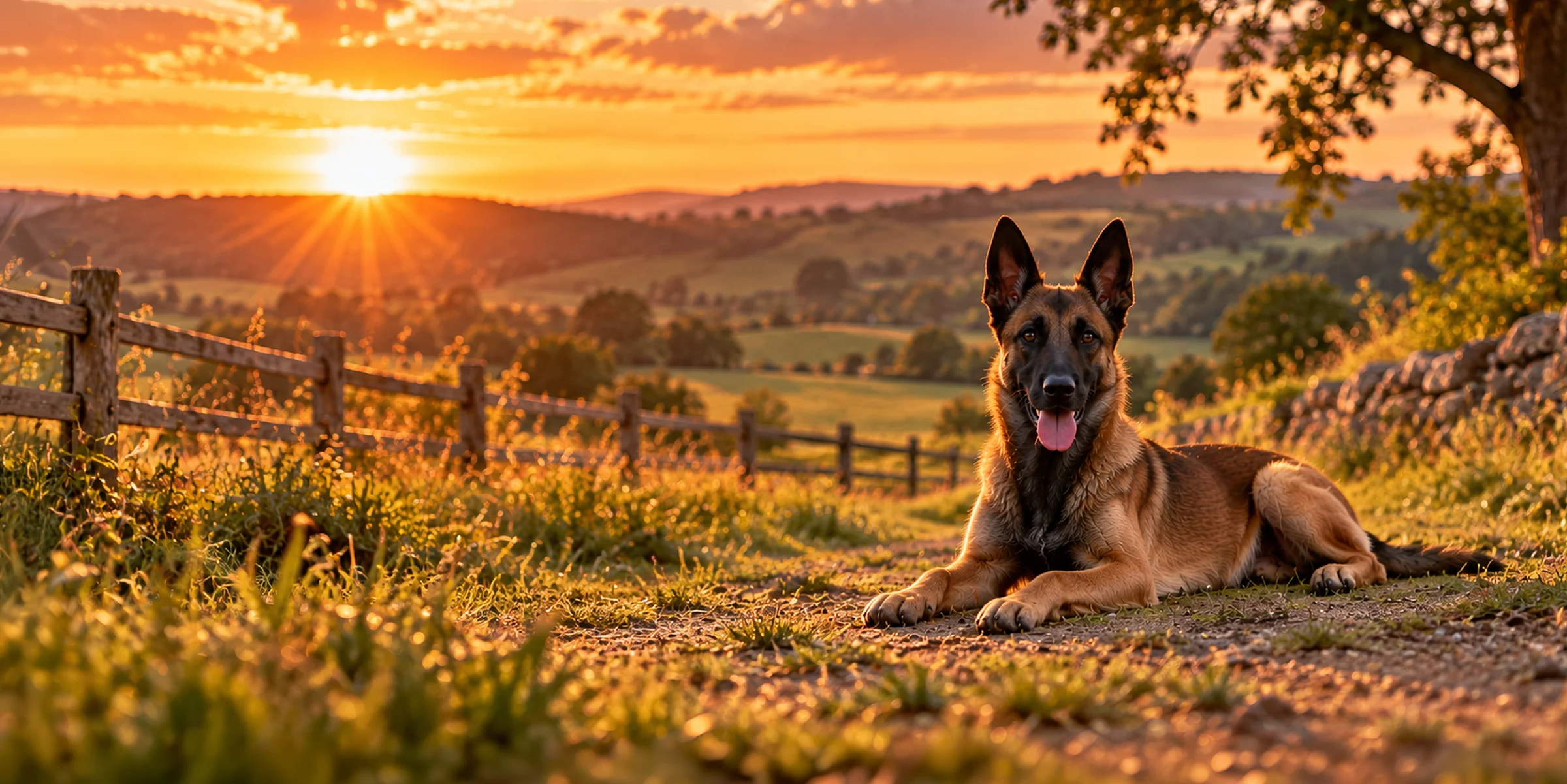
Belgian Malinois
The direct comparison and the breed they are most often mistaken for - same region, same police and military work, same enormous demands. The Malinois is more intense and more driven; the Dutch Shepherd is generally a touch more even-tempered and easier to switch off.
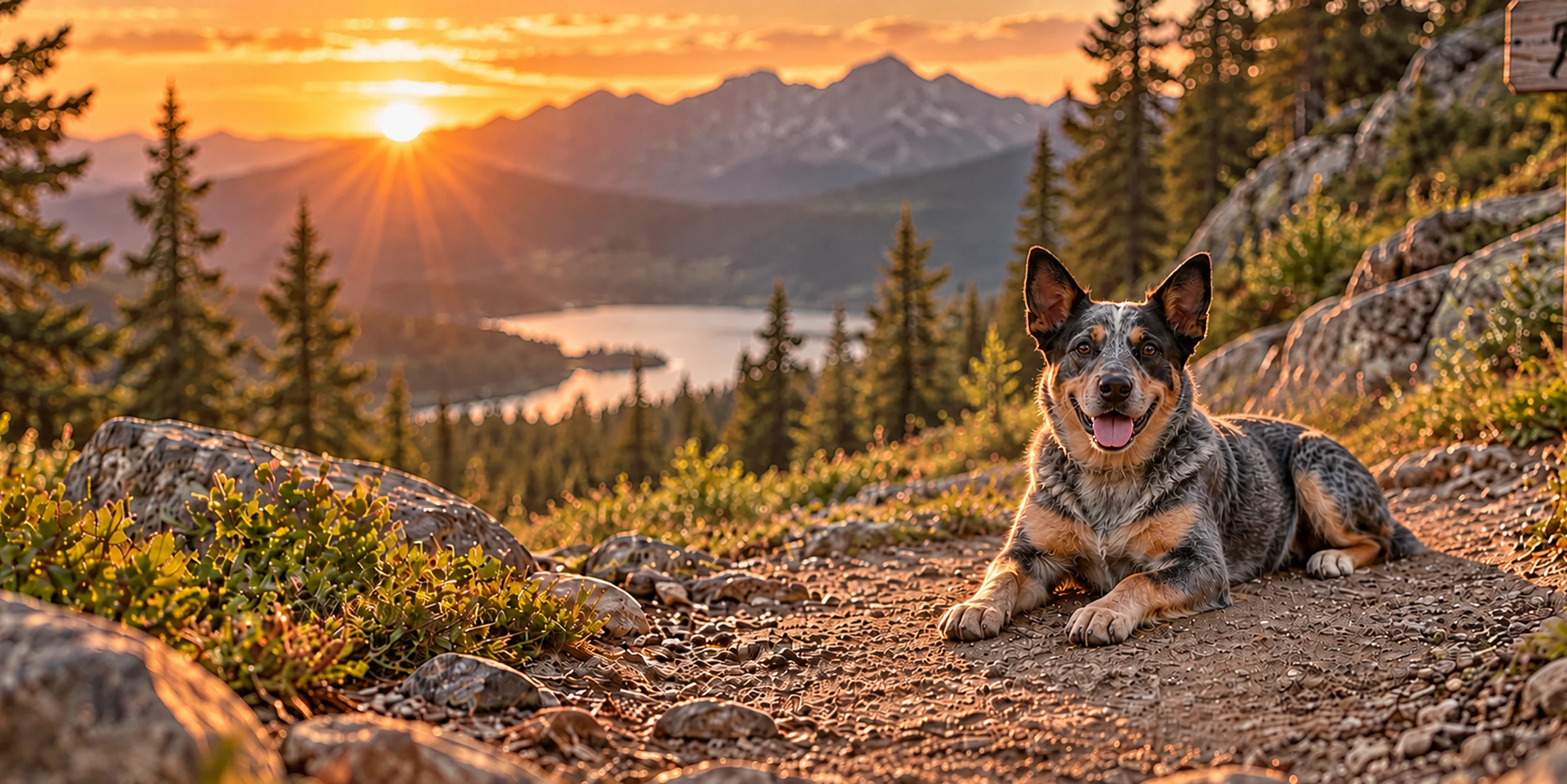
Australian Cattle Dog
The same relentless working drive in a smaller, tougher package, and the same failure mode in an idle household. The Cattle Dog is more independent; the Dutch Shepherd is far more handler-focused and more trainable.