

giant breed
Great Dane
A hundred and forty pounds of dog who would like to sit on you, and mostly gets away with it. Great Danes are quiet indoors, gentle with children and genuinely undemanding for the size - the difficulty here is never temperament. It is structural: bloat risk near one in four, heart disease that is common and often silent, every bill priced by body mass, and a whole life of seven to ten years.

Pup Height
28-32 in

Pup Weight
110-175 lb
Males 30-32 in and 140-175 lb, females 28-30 in and 110-140 lb. Six recognized colors: fawn, brindle, blue, black, harlequin and mantle. Harlequin and merle carry the same gene, and breeding two merle-factored dogs together produces deaf and blind puppies - the reason responsible breeders never make that pairing. Despite the name the Great Dane is German, not Danish, and is still called Deutsche Dogge at home. Source: AKC breed standard.

Pup Lifespan
7-10 years
Your pup, at a glance
What’s Life With This Pup Really Like?

The maximum. Great Danes are convinced they are lap dogs and will act on that conviction at a hundred and fifty pounds.

Very good - gentle, tolerant and patient. The caveat is purely physical: Great Danes knock small children over without noticing they have done it.

Good. They are generally sociable with dogs and often fine with cats, with a mild prey drive and no real territorial edge.

Low. A quiet dog who speaks rarely, and when they do the volume is considerable.

Moderate to low. An hour suits an adult, and they sleep for most of the remaining twenty-three.

Moderate. A short coat that sheds steadily year-round, and there is a lot of surface area.

Goofy in bursts. They play enthusiastically for short spells and then lie down, often on someone.

High. Loose flews mean real drool, worst around food and water and after a drink.

Good. Willing, sensitive and reasonably quick - and the training that matters is manners at scale rather than obedience.

Strong by presence alone. They are watchful and their size deters, without much inclination to escalate.

Very low for the coat. Nails, calluses and drool are the actual routine.

Low to moderate. They need floor space, cool conditions and a budget, and they cope badly with heat, stairs and small homes.
Lifestyle fit
Could This Be Your Best Breed?
A Great Dane suits a house with floor space rather than acreage, an owner who has costed a giant honestly at $2,600 to $4,400 a year, and a conversation with a vet about a preventive gastropexy before there is any emergency. Grooming costs almost nothing here; everything else costs more. If $2,600 to $4,400 a year is not in the budget, stop here; the same goes for a small apartment, and for anyone who could not face losing a dog at eight.

Living Space
A house with room to turn around in - they need less exercise than their size suggests but a great deal more floor. Stairs are hard on growing and aging joints, and everything you own is at tail height.

Pup Experience
Manageable for a first-time owner who has costed them honestly. Great Danes are gentle and biddable; the demands are financial and emotional rather than behavioral, and the short life is the part people are least prepared for.

Daily Pup Time
Forty-five minutes to an hour of steady walking, carefully limited while they are growing. Grooming is five minutes a week; the drool cloths are constant.

Allergies & Coat
The Great Dane scores 5/10 for shedding and 7/10 for drooling. No dog is truly hypoallergenic. The allergens come from dander and saliva, and a dog that sheds and drools this much will leave plenty of both behind - especially on your furniture, floors, and clothes.
Quirks & challenges
The Not-So-Easy Stuff

A Short Life
Seven to ten years is typical. Choosing a Dane means accepting a shorter run than almost any other breed.
Bloat Is the Big One
The highest-risk breed there is. Fatal within hours, and worth discussing a preventive gastropexy.
Heart Disease
Dilated cardiomyopathy is common and often silent until it is advanced. Annual cardiac checks matter.
Grow Them Slowly
Over-feeding and over-exercising a puppy causes joint damage that lasts the whole life.
They Do Not Know Their Size
A friendly lean from a hundred and fifty pounds knocks an adult over. Manners are a safety matter.
Everything Costs More
Food, medication, anesthesia, boarding - all priced by body mass. Budget accordingly.
The good, the bad & the hairy
Health, Care & Costs
Understanding the health risks and ongoing costs of a Great Dane helps you plan for a happy, healthy life together.

7-10 years
$60-$95
per groom (bath, nails, ears), every 8-12 weeks or done at home ($0-$400/year)
$2,600-$4,400/year
all-in (food, routine vet, grooming, insurance, incidentals)

Health Risks
Conditions this breed is prone to.

The stomach fills with gas and twists on its own axis, cutting off its blood supply, and it kills within hours without emergency surgery. The Great Dane has the highest lifetime risk of any breed - studies put it near one in four. Split meals, keep exercise well clear of feeding, and discuss a preventive gastropexy with your vet before you need one rather than after.
The heart muscle weakens and stretches so it pumps poorly, leading to heart failure and sometimes sudden death. It is common in the breed and often silent until advanced, which is why annual cardiac examination from middle age is worth keeping to. Ask any breeder about cardiac clearances in the parents.
The joints develop loosely or unevenly and wear into arthritis, sometimes needing surgery - which at a hundred and fifty pounds is at the very top of orthopedic costs. Growing them slowly does as much as genetics here.
Malformation or instability of the neck vertebrae compresses the spinal cord, producing a wobbly, uncoordinated gait that worsens over time. Giant breeds with long necks are predisposed, and treatment ranges from medication to spinal surgery.
Osteosarcoma appears in giant breeds at rates far above average, usually in a limb and usually in middle age. Any persistent lameness or swelling in a leg warrants prompt investigation rather than watchful waiting.
Harlequin and merle share a gene, and breeding two merle-factored dogs together produces puppies that are deaf, blind or both. It is entirely avoidable, and a responsible breeder simply never makes that pairing - ask about both parents' colors.

Insurance & Health Coverage
Insure young and buy a high annual limit rather than the cheapest premium. Every bill on this breed is priced by body mass - anesthesia, medication, surgery, even boarding - and the three most likely serious events are all expensive.

Bloat is the emergency to plan for rather than insure against alone: near one-in-four lifetime risk, fatal within hours, several thousand dollars at whatever time it happens. A preventive gastropexy costs a fraction of the emergency and is worth raising with your vet while they are young.

Cardiac disease and bone cancer are the other two, and both tend to arrive in middle age - which for a Dane is four or five. A policy started late misses the window entirely, because with a seven-to-ten-year life expectancy there is not much runway.
Expect premiums well above what any other breed costs.
 Get a Pet Insurance Quote
Care needs
The Daily Routine

Grooming
A short smooth coat that needs a weekly pass with a rubber mitt and nothing else. Nails need regular trimming on a dog this heavy, ears want a weekly check, and drool cloths belong in every room. Elbow and hock calluses are worth watching on hard floors - a genuinely thick bed prevents them.

Exercise
Forty-five minutes to an hour of steady walking daily as an adult, and considerably less while they are growing. They are not endurance dogs and long or fast work is bad for the joints at any age.

Food & Weight
Two or three measured meals rather than one large one, with activity kept well clear of feeding given the bloat risk. Grow puppies slowly on a giant-breed formula - over-feeding a Dane puppy is one of the most damaging things an owner can do, and the joint consequences last the whole life.
Similar breeds
If This Isn’t Quite the One
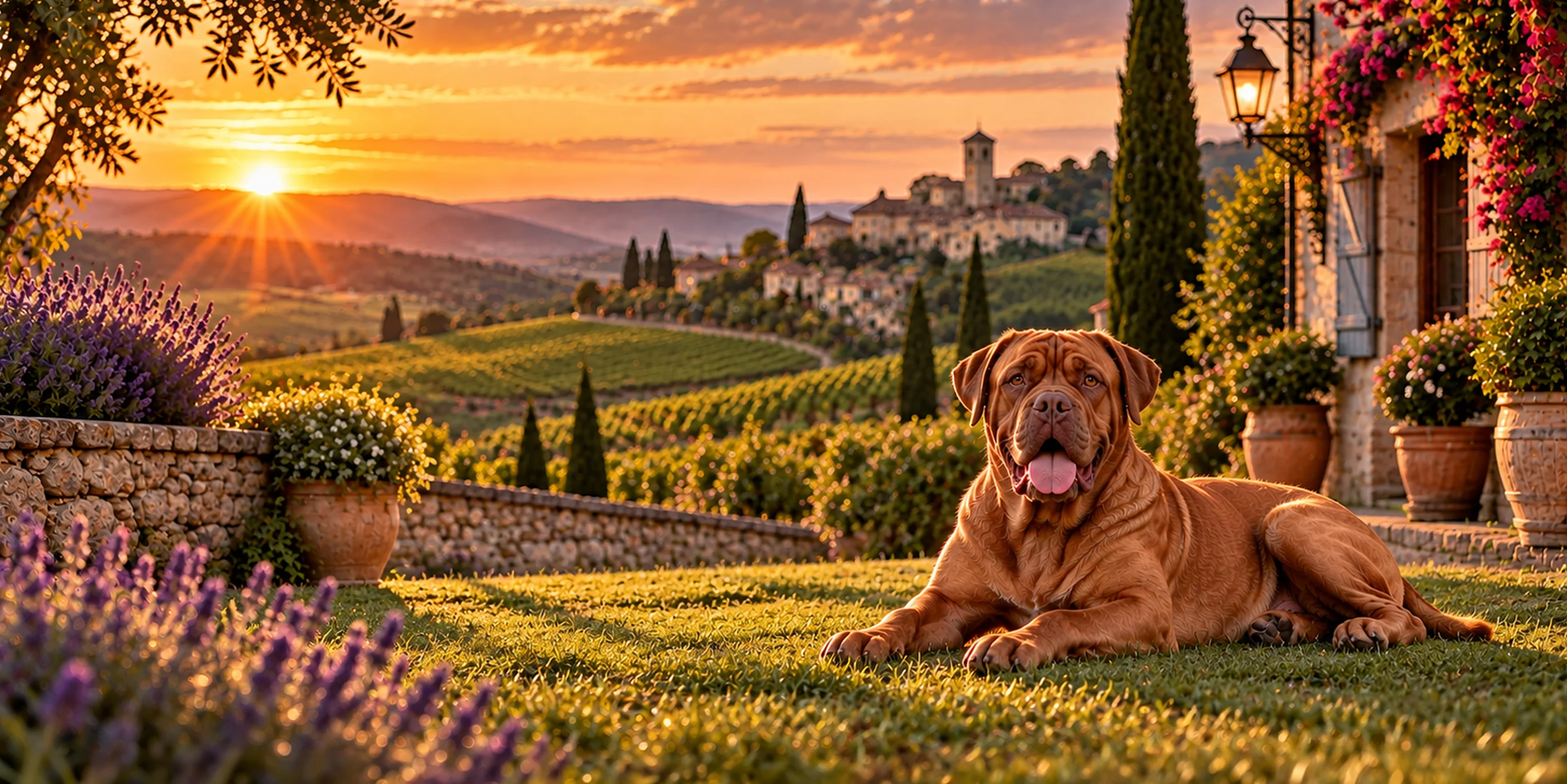
Dogue de Bordeaux
Another giant companion mastiff with a similarly short life and a comparable drool problem. The Dogue is heavier, lower and more territorial; the Dane is taller, calmer with strangers and rather more athletic.
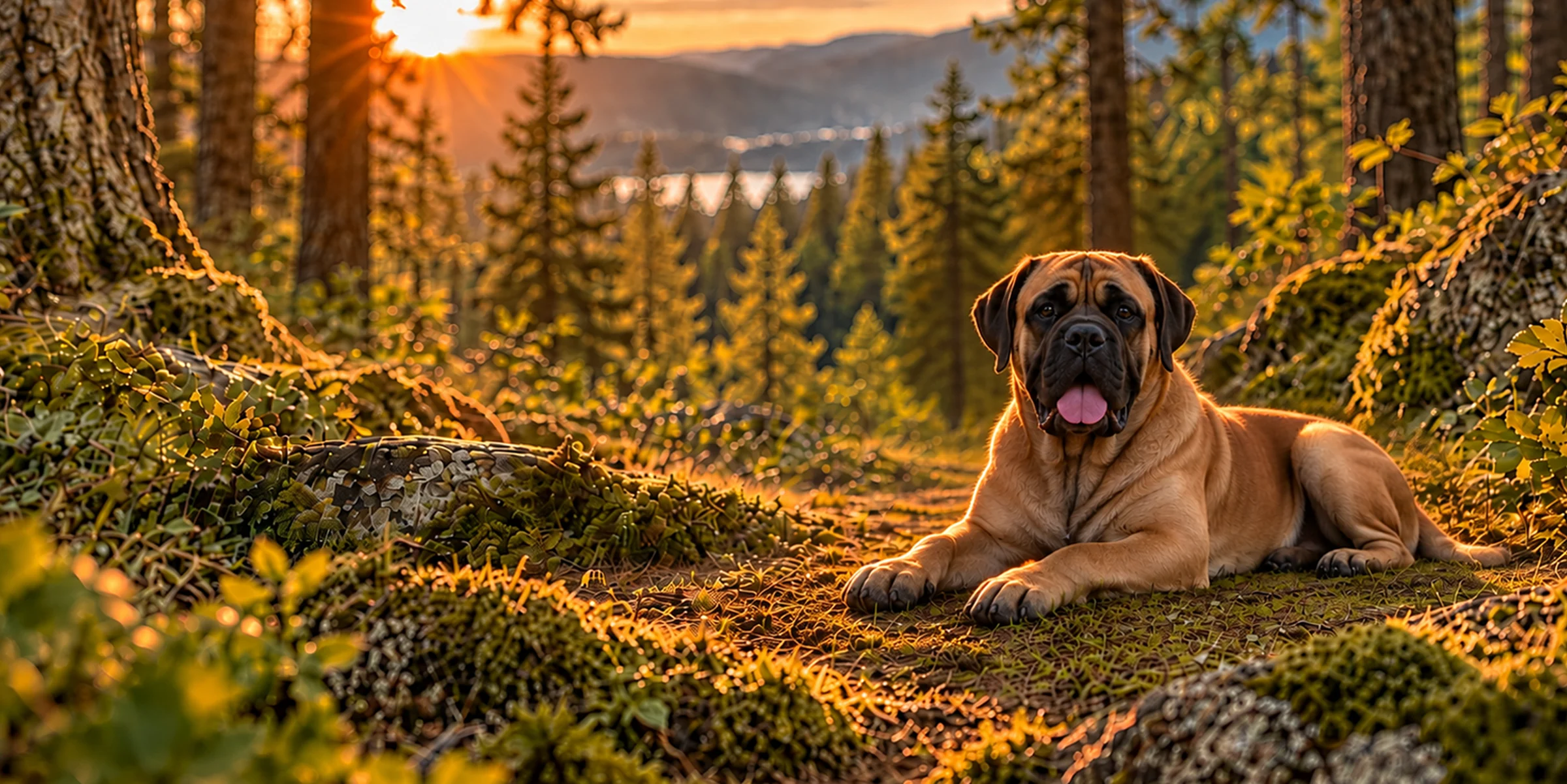
Bullmastiff
A comparable gentle giant with low exercise needs and a quiet indoor manner. The Bullmastiff is more protective and lives a little longer; the Dane is the friendlier and more demonstrative of the two.