

medium-to-large breed
Hovawart
The German yard watchman, rebuilt in the 1920s from surviving farm stock into a versatile working dog used for tracking, search and rescue and protection as well as guarding. Hovawarts are loyal, watchful and strong-willed, and rare enough outside Germany that finding one takes patience. They are one of the few serious guardians who stay genuinely trainable, and the price of that is a long, opinionated adolescence.

Pup Height
23-28 in
Males 25-28 in, females 23-26 in. Three colors only: black, blond, and black-and-gold. A medium-long, slightly wavy coat with light feathering and very little undercoat. The name is old German for a yard watchman, and the modern breed was reconstructed in the 1920s from German farm dogs after the medieval type had largely disappeared. In the AKC's Foundation Stock Service. Source: AKC Foundation Stock Service breed standard.

Pup Weight
55-90 lb

Pup Lifespan
10-14 years
Your pup, at a glance
What’s Life With This Pup Really Like?

High with their own family. They are affectionate and physically close at home while staying reserved with everyone else.

Very good with their own family's children and protective of them. A Hovawart's size and the guardian instinct mean supervision matters, particularly with visiting children.

Reasonable with animals raised alongside them, and same-sex tension with other dogs is common enough to plan around.

Moderate to high. They are yard guardians and announce arrivals deliberately, with a deep carrying bark.

Moderate to high. Two hours with mental work, and they settle genuinely well indoors afterward.

Moderate. A medium coat with little undercoat that sheds steadily with heavier seasonal turns.

Enthusiastic and physical with their own people, and they keep a boisterous streak until around three.

Very low.

Very good, and unusually so for a guardian - the reconstruction selected for it, which is why the breed does search and rescue work.

Very strong. Territorial, watchful, physically substantial, and prepared to act on their own assessment.

Low to moderate. Twice-weekly brushing and no trimming - easier than the coat length suggests.

Moderate. They suit houses with land and an active owner, and adapt badly to apartments and idle households.
Lifestyle fit
Could This Be Your Best Breed?
A Hovawart suits a house with a fenced yard, an owner with some working-dog experience, and a real job to fill two hours a day of body and brain. Expect $1,500 to $2,600 a year, a healthy dog on the whole, and ten to fourteen years. Anyone who wants this size and coat in a dog who is pleased to see everybody at the door should read the Bernese Mountain Dog page instead, and so should a first-time owner or an apartment household.

Living Space
A house with a fenced yard. They are working guardians who take the property seriously, and they need both the space and a boundary they can understand.

Pup Experience
Better for owners with some working-dog experience. They are trainable and genuinely versatile, and they mature slowly and test boundaries the whole way - an inconsistent owner gets a large dog with their own opinions about visitors.

Daily Pup Time
Ninety minutes to two hours daily with real mental work. Grooming is a thorough brush twice a week and rather more during the seasonal shed.

Allergies & Coat
The Hovawart scores 5/10 for shedding and 2/10 for drooling. No dog is truly hypoallergenic. The allergens come from dander and saliva, and a dog that sheds this much will leave plenty of hair behind - especially on your furniture, floors, and clothes.
Quirks & challenges
The Not-So-Easy Stuff

Slow to Mature
Adolescent and testing until around three, in a large frame that reached full size long before.
Territorial by Breeding
A yard guardian by name and design. Early socialization decides whether that is judgment or suspicion.
Strong-Willed
Trainable and opinionated in equal measure. They notice which rules are actually enforced.
Needs a Job
Two hours with mental work. Tracking, search work or protection sport rather than more walking.
Same-Sex Tension
Common with other dogs of the same sex. Introductions need managing rather than assuming.
Rare Outside Germany
Few American breeders. Expect a waiting list, possibly an import, and careful screening.
The good, the bad & the hairy
Health, Care & Costs
Understanding the health risks and ongoing costs of a Hovawart helps you plan for a happy, healthy life together.

10-14 years
$55-$85
per groom (bath, feathering tidy, nails, ears), every 8-12 weeks ($250-$500/year)
$1,500-$2,600/year
all-in (food, routine vet, grooming, insurance, incidentals)

Health Risks
Conditions this breed is prone to.

Worth stating first. German breed clubs have required hip screening and temperament testing since the breed was reconstructed, and the population has stayed small and working rather than fashionable - the inherited-disease list is short.
The hip joint develops loosely so the ball wears in the socket instead of gliding, leading to arthritis and sometimes surgery. Rates are low by large-breed standards because of the club requirements, and both parents should still have scored hips.
The thyroid under-produces, causing weight gain, lethargy and coat and skin problems. Diagnosed by blood test and controlled with an inexpensive daily tablet for life.
A progressive spinal cord disease causing painless but irreversible hind-leg weakness, usually in older dogs. It is DNA testable, so both parents' status can be known before a puppy exists.
The stomach fills with gas and twists, cutting off its own circulation, and it kills within hours without emergency surgery. Deep-chested and at real risk - split meals and keep hard exercise well clear of them.
Not inherited, but a likely reason they see a vet. A large dog doing search work or protection sport picks up strains, cuts and the occasional torn ligament.

Insurance & Health Coverage
A sound breed with decades of German club screening behind it, so the illness side is comparatively light and premiums should be reasonable.

Insure young for the usual reason - a hip note on a record becomes a permanent exclusion, and joints are the main inherited cost. Bloat is the emergency to plan for rather than insure against alone.

Two things worth confirming rather than assuming. If you intend to do protection sport, check the wording, because several insurers exclude injuries sustained in bitework specifically. And while the Hovawart is rare enough to be absent from breed-exclusion lists by name, some insurers categorize by size and guarding function - worth a written answer before a puppy arrives.
 Get a Pet Insurance Quote
Care needs
The Daily Routine

Grooming
A medium-long, slightly wavy coat with light feathering and little undercoat, which makes it considerably easier than it looks - a thorough brush twice a week keeps it clear, with more during the seasonal shed. Pay attention behind the ears and in the trousers where mats form first. No trimming needed. Ears and nails as usual.

Exercise
Ninety minutes to two hours daily with real thinking in it. Tracking, search work, obedience and protection sport all suit them, and the mental half does far more to settle them than extra distance.

Food & Weight
Two measured meals with hard exercise kept clear of them given the bloat risk. Grow puppies slowly on large-breed food and keep adults lean to spare the joints.
Similar breeds
If This Isn’t Quite the One
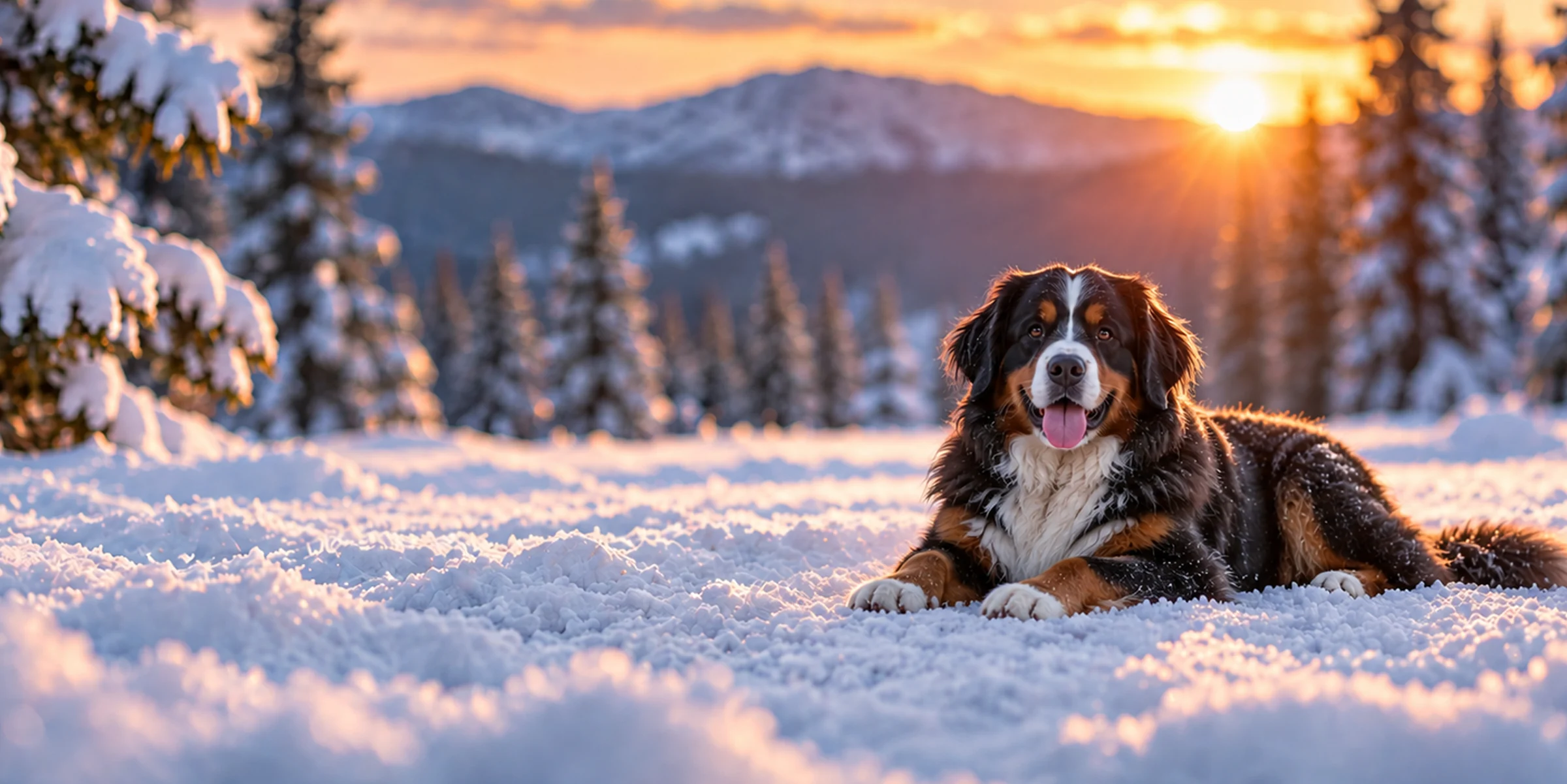
Bernese Mountain Dog
A similar size and coat with a far softer temperament. The Bernese is a draft dog and a family companion; the Hovawart is a genuine guardian with real working drive and lives considerably longer.
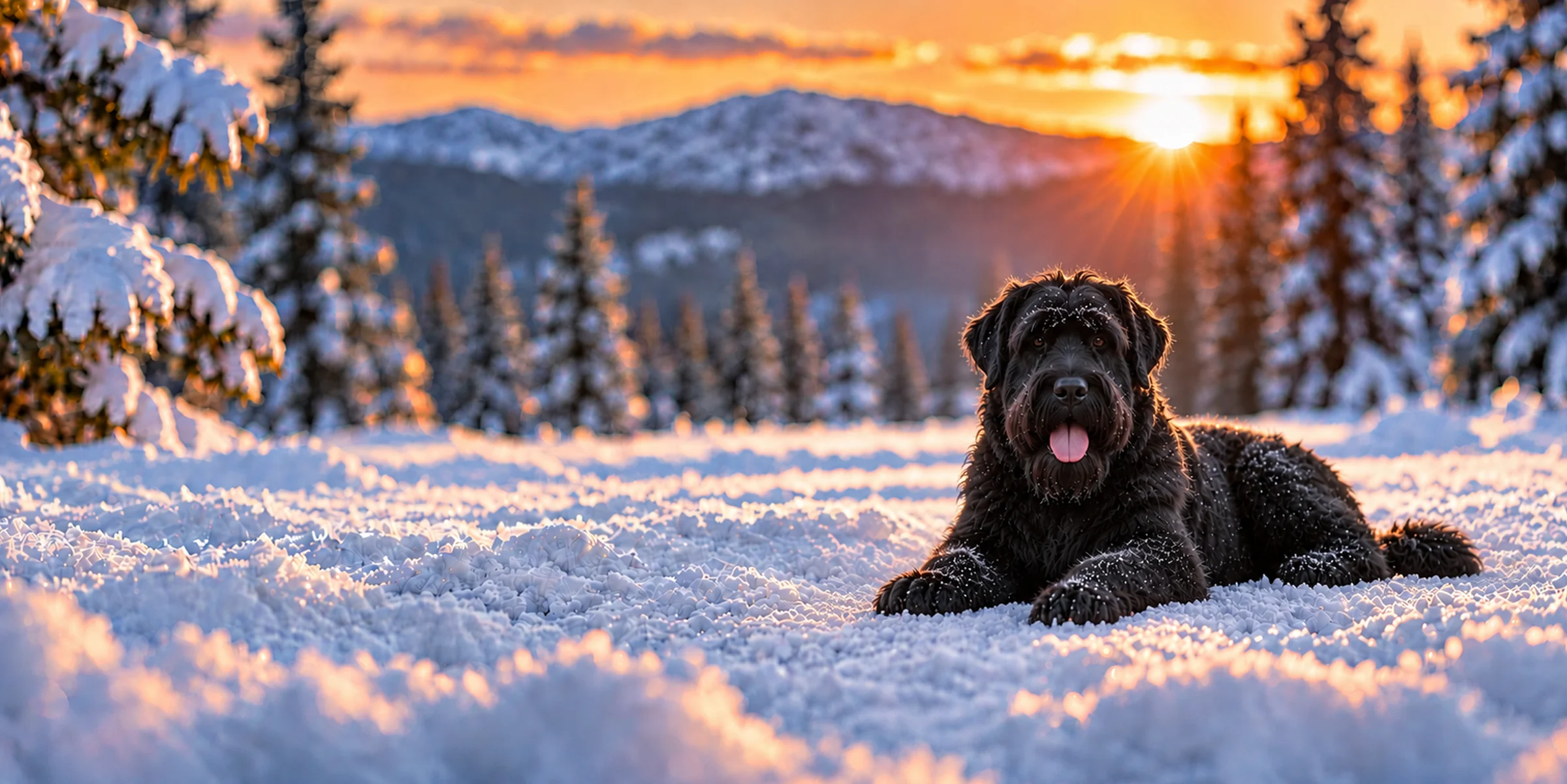
Black Russian Terrier
Another twentieth-century purpose-built guardian of comparable size and seriousness. The Black Russian is heavier, hairier and more dominant; the Hovawart is more versatile and easier to train.