

small-to-medium breed
Icelandic Sheepdog
A small northern spitz - prick ears, a tail curled over the back and a double coat in either short or long length. Tan, chocolate, gray or black, always with white markings. Double dewclaws on the hind legs are prized rather than removed. Source: AKC breed standard.
Iceland's only native breed - a small herding spitz with prick ears, a tail curled over the back and a coat built for weather that does not forgive. Icelandic Sheepdogs are cheerful, affectionate, biddable and friendly with everyone they meet. The two things that catch people out are the noise, which is constant and entirely by design, and a double coat that blows twice a year and reaches every surface you own.

Pup Height
16.5-18 in

Pup Weight
25-30 lb

Pup Lifespan
12-15 years
Your pup, at a glance
What’s Life With This Pup Really Like?

Very high. They are affectionate and physically close with the whole family and want to be in whatever room the people are.

Excellent. Cheerful, patient and sturdy, with the usual herding caveat about circling running children.

Very good. Sociable with dogs and generally reliable with cats, with a modest prey drive and no territorial streak.

Very high. They herded by voice and watched the sky for raptors, and both habits survive - reducible with training, never removable.

Moderate to high. An hour with mental work suits them, which makes them one of the easier herding breeds to satisfy.

Heavy. A dense northern double coat that sheds year-round and blows out completely twice a year.

Lively and comic. They play enthusiastically well into adulthood and have a real sense of humor about themselves.

Very low.

Excellent. Quick, willing and food-motivated, and sensitive enough that gentle handling is essential.

Strong as an alarm. Alert, very quick to announce and genuinely hard to sneak past, with no guarding instinct behind the noise.

Moderate. Twice-weekly deep brushing, daily during the blowouts, and no clipping.

Moderate to good. They handle cold superbly and heat badly, and the barking makes close neighbors the real constraint.
Lifestyle fit
Could This Be Your Best Breed?
An Icelandic Sheepdog suits a house with a fenced yard, tolerant neighbors, and a household that is home for most of the day - being left alone is the one thing they handle badly. They are inexpensive at $1,200 to $2,000 a year, healthy, and typically live twelve to fifteen years. A thin-walled apartment in a hot climate, empty from eight until six, is where this falls apart.

Living Space
A house with a fenced yard works best, and the barking is the real constraint rather than the space. Icelandic Sheepdogs were bred to work sheep by voice and to bark at birds overhead, and thin walls make that everyone's problem.

Pup Experience
Good for a first-time owner who can handle the noise and the coat. Icelandic Sheepdogs are friendly, biddable and forgiving - the two things that catch people out are the barking and the twice-yearly shed.

Daily Pup Time
An hour of activity daily with something to think about. Grooming is a thorough brush twice a week and daily during the seasonal blowouts.

Allergies & Coat
The Icelandic Sheepdog scores 8/10 for shedding and 2/10 for drooling. No dog is truly hypoallergenic. The allergens come from dander and saliva, and a dog that sheds this much will leave plenty of hair behind - especially on your furniture, floors, and clothes.
Quirks & challenges
The Not-So-Easy Stuff

They Bark a Lot
Herding by voice plus watching the sky. Among the most vocal breeds here and never fully quiet.
Heavy Seasonal Shedding
A dense northern double coat that blows out twice a year in sheets.
Poor Alone
Bred to work alongside people all day. Long absences go badly for this breed.
Herding Instinct on Children
Circling and gathering aimed at running kids. Worth redirecting into a task early.
Small Gene Pool
Reduced to a few dozen dogs twice. The breeder's testing matters more than breed-level numbers.
Poor in Heat
Built for Iceland. Summer exercise at dawn and dusk, and never shave the coat.
The good, the bad & the hairy
Health, Care & Costs
Understanding the health risks and ongoing costs of a Icelandic Sheepdog helps you plan for a happy, healthy life together.

12-15 years
$55-$85
per groom (bath, full blow-out, de-shed, nails, ears), every 8-12 weeks ($250-$450/year)
$1,200-$2,000/year
all-in (food, routine vet, grooming, insurance, incidentals)

Health Risks
Conditions this breed is prone to.

Worth stating first. The Icelandic breed association has run systematic health screening since the recovery effort, and despite the narrow founding population the breed carries a short inherited-disease list and a long life.
The hip joint develops loosely so the ball wears in the socket instead of gliding, leading to arthritis. Present at moderate rates for a small breed and screened by scoring both parents.
The kneecap slips out of its groove, producing a skipping gait and sometimes needing surgery. Common across small breeds and checked at routine vet visits.
Hereditary cataracts and distichiasis - extra eyelashes rubbing the cornea - both appear. Annual eye examination catches both, and each is treatable.
One or both testicles fail to descend. It appears in the breed, matters because a retained testicle carries a real cancer risk, and is resolved by neutering.
Worth listing on its own. The breed was reduced to a few dozen dogs in the late 1800s and again in the mid-twentieth century, so genetic diversity is narrow and the individual breeder's records matter.

Insurance & Health Coverage
A healthy, inexpensive breed with a long life, so the case for cover is the ordinary one and premiums should be reasonable.

Insure young for the usual reason - hip and patella notes on a record become permanent exclusions, and both tend to surface in young adults.

The recurring cost that sits outside any policy is grooming: a full blow-out on a dense double coat every couple of months for fifteen years adds up, and no insurer touches it. Dental is the other predictable exclusion in a small breed with a long life - read that section of the wording rather than assuming.
 Get a Pet Insurance Quote
Care needs
The Daily Routine

Grooming
A dense double coat that needs a thorough brush right down to the skin twice a week, and daily attention for several weeks in spring and fall when the undercoat lets go completely. Concentrate on the ruff and the trousers. No trimming, and never shave the coat - it regulates temperature in both directions. Check the double hind dewclaws when you do nails, since they do not wear down.

Exercise
About an hour daily with mental work in it. Herding, agility, rally and long walks all suit them, and they are content with considerably less than most herding breeds demand.

Food & Weight
Two measured meals. They are compact, efficient dogs and the coat hides weight gain completely, so go by feel through the ribs rather than by eye.
Similar breeds
If This Isn’t Quite the One
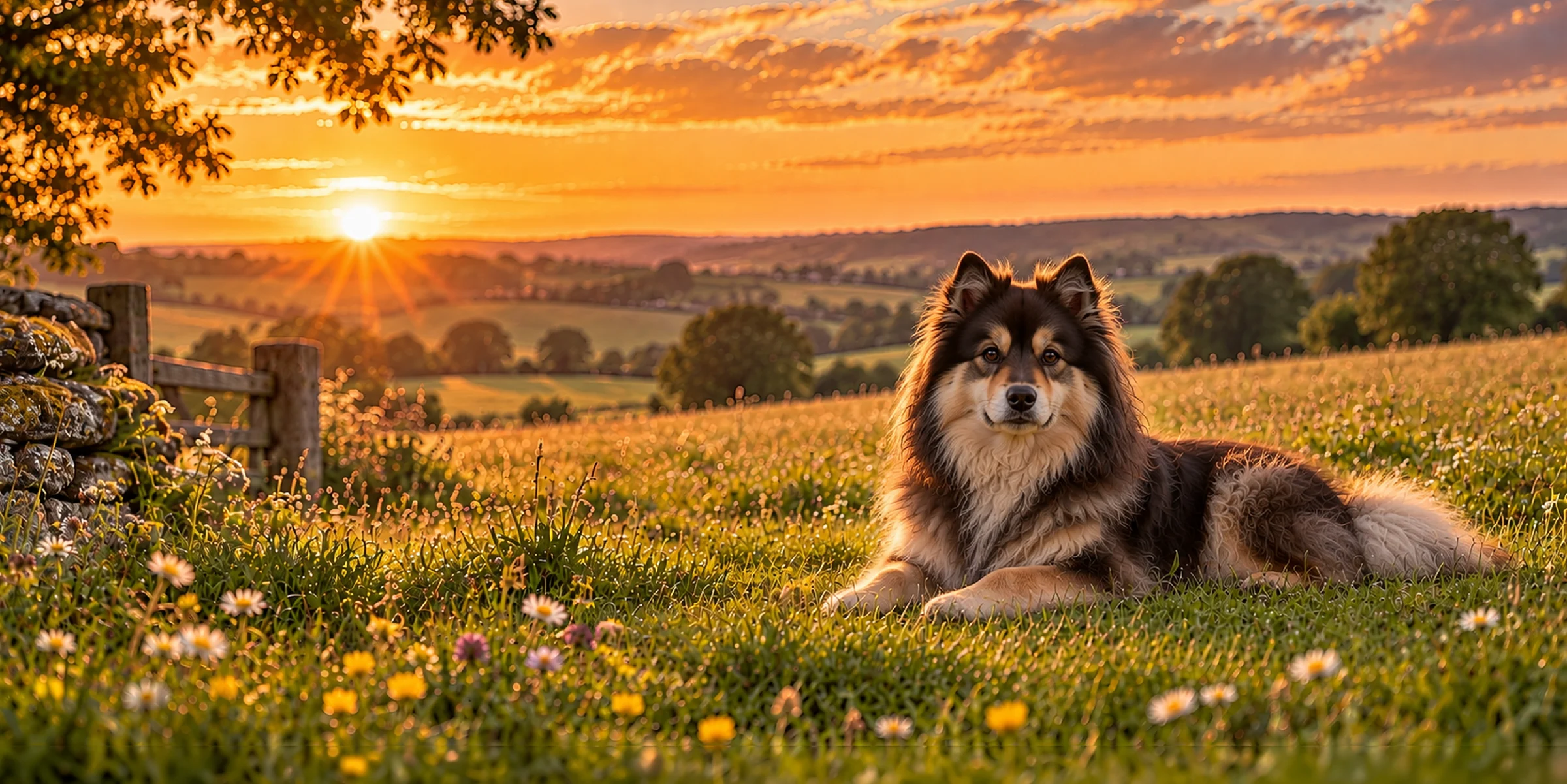
Finnish Lapphund
The closest match - another small northern herding spitz with the same friendly temperament, the same heavy coat and the same strong voice. The Lapphund is a touch larger and herded reindeer; the Icelandic is smaller and even more outgoing.
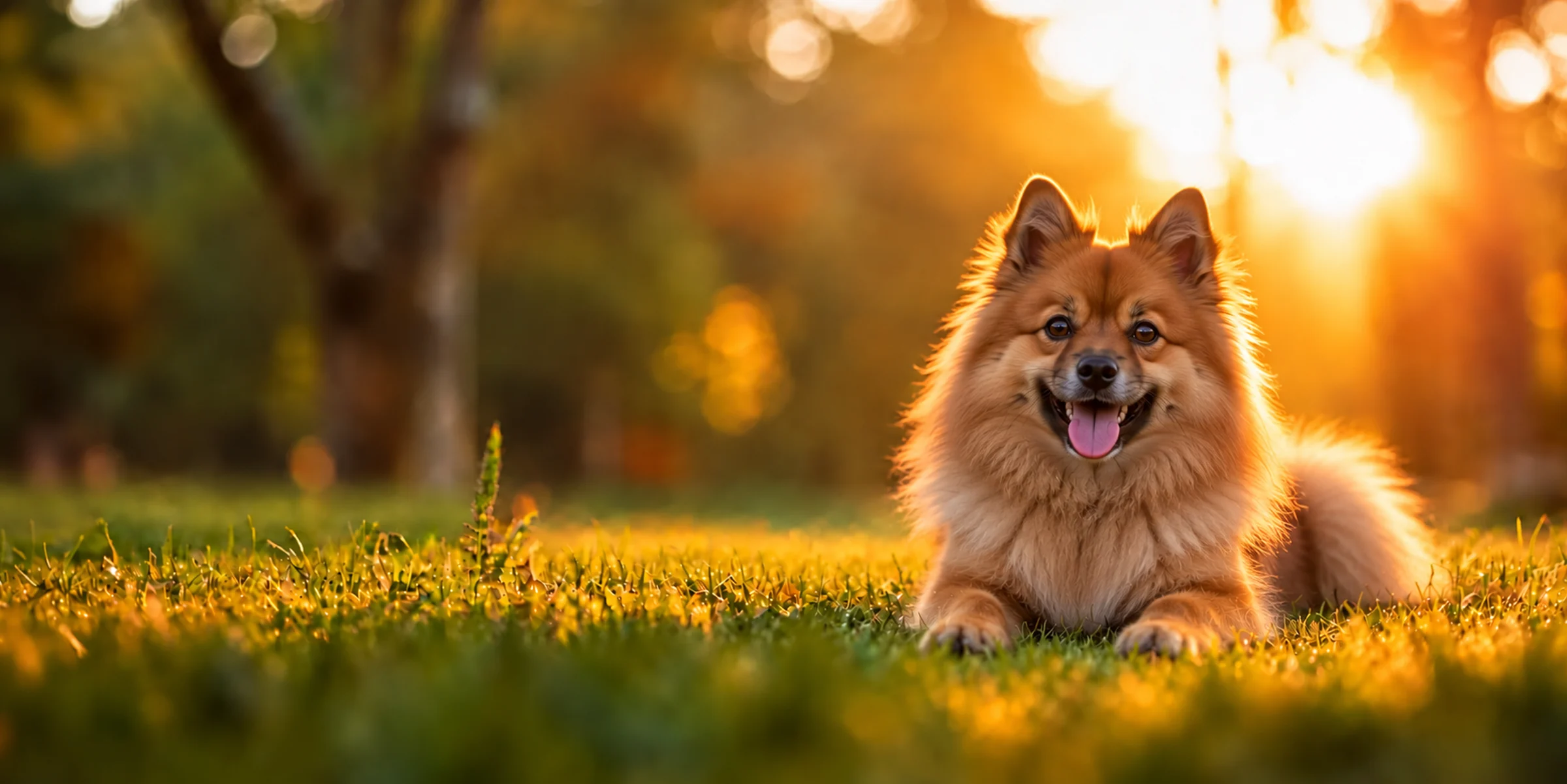
German Spitz
A comparable small spitz with similar coat care and an equally strong alarm bark. The German Spitz is a watchdog by history; the Icelandic is a herder and considerably more sociable with strangers.