

small breed
Lancashire Heeler
A ten-to-twelve-inch drover's dog from Lancashire that held down two jobs at once - moving cattle by nipping at heels, and killing rats around the farm and the butcher's shop. Both halves are still in there, which is what people underestimate about a thirteen-pound dog. The long back needs protecting from stairs and jumps, the voice carries through walls, and The Kennel Club lists the breed as a Vulnerable Native Breed, so expect a wait.

Pup Height
10-12 in

Pup Weight
9-17 lb
Both sexes weigh 9-17 lb, and the standard sets ideal height at 12 in for males and 10 in for females, on a body roughly an inch longer from withers to tail set than the height at the withers. Black and tan or liver and tan, with rich tan on the cheeks, muzzle, chest and lower legs and a distinct thumb mark above each front foot; white is discouraged beyond a small spot on the forechest. A short, hard, flat, weather-resistant topcoat over a fine undercoat. Ears erect or showing alert lift, and a natural tail carried over the back in a slight curve. Recognized into the AKC Herding Group in 2024. Source: AKC breed standard.

Pup Lifespan
12-15 years
Your pup, at a glance
What’s Life With This Pup Really Like?

High. Openly affectionate with their own people and happy to end the evening pressed against a leg, once the day has given them something to do.

Good with older children who understand the rules. The heel-nipping instinct aims at running toddlers, so supervision and redirection are part of the deal.

Mixed. Usually fine with other dogs; rabbits, rodents and birds are not safe around a breed kept for ratting, and cats need early socialization.

High. Talkative by design and quick to announce anything new. Trainable down to reasonable, never down to quiet.

Moderately high. An hour a day covers a Heeler physically, and the brain needs an equal share on top.

Moderate. A short double coat that sheds steadily and turns heavy for a couple of weeks twice a year.

Comic and relentless. Heelers throw themselves at games, invent new ones, and are still up for more after the toy has been put away.

Very low.

Good, with conditions. Quick to learn and equally quick to spot what is optional, so short sessions, clear rules and rewards work far better than repetition or pressure.

High. Alert, vocal and quick to flag a stranger at the door, without the size to do anything about one.

Low. A weekly brush, a heavier stretch during the shed, and no trimming at all.

Moderate. Small enough for most homes and tough enough for most weather, but the noise and the need for work put limits on where a Heeler fits comfortably.
Lifestyle fit
Could This Be Your Best Breed?
A Lancashire Heeler suits an active household that will spend an hour a day on exercise and training games, where close neighbors are not a problem. Upkeep is low - $1,100 to $2,000 a year over twelve to fifteen years, grooming done at home. Nobody should bring one home on the assumption that a small dog is an easy one; left to fill their own day, a Heeler picks jobs you did not want done.

Living Space
A house or an apartment both work at this size, provided the exercise and the training actually happen. Lancashire Heelers are flexible about square footage and far less flexible about boredom, and the barking carries through walls - worth thinking about before taking on a place with close neighbors.

Pup Experience
Workable for a committed first-time owner and a poor choice for anyone who picked a small dog expecting an easy one. Lancashire Heelers learn fast in both directions, test what is negotiable, and will happily run a household that has no plan. Nothing here takes strength, only consistency.

Daily Pup Time
About an hour of exercise a day with thinking work folded in, plus a few short training sessions. Grooming is a weekly brush, more during the twice-yearly shed, and regular nails and teeth.

Allergies & Coat
The Lancashire Heeler scores 6/10 for shedding and 1/10 for drooling. No dog is truly hypoallergenic. The allergens come from dander and saliva, and a dog that sheds this much will leave plenty of hair behind - especially on your furniture, floors, and clothes.
Quirks & challenges
The Not-So-Easy Stuff

Heel Nipping
The breed's actual job, aimed at whatever moves. Running children and jogging visitors set a Heeler off, and the habit needs redirecting early rather than scolding later.
Terrier Prey Drive
Bred to kill rats as well as move cattle. Hamsters, rabbits and free-ranging birds are a real risk, and cats work only with early socialization and some luck.
Vocal and Opinionated
Heelers announce arrivals, departures, squirrels and opinions. Quiet is trainable, silence is not.
Easily Bored, Very Inventive
A smart dog with time to spare will start projects - digging, barking, redesigning the baseboards. Puzzle work and training beat more mileage.
Protect the Long Back
Short legs under a long body. Ramps for the couch and the car, and no repeated jumping down from furniture.
Hard to Find
A Vulnerable Native Breed with very low annual registrations. A waiting list, a long drive or an import is the normal route to a puppy.
The good, the bad & the hairy
Health, Care & Costs
Understanding the health risks and ongoing costs of a Lancashire Heeler helps you plan for a happy, healthy life together.

12-15 years
$40-$70
per groom (bath, nails, ears) a few times a year, or done at home ($0-$250/year)
$1,100-$2,000/year
all-in (food, routine vet, grooming, insurance, incidentals)

Health Risks
Conditions this breed is prone to.

The lens slips out of position and can block drainage in the eye, causing a painful glaucoma that is an emergency and can cost the eye within a day. There is a reliable DNA test, so ask for both parents' results - two clear or tested-clear parents remove the risk of an affected puppy.
An inherited malformation at the back of the eye, usually mild but occasionally causing retinal detachment and blindness. A DNA test exists and the breed carries the mutation, so parental results matter here as much as the PLL paperwork.
Strands of fetal tissue left across the iris that can reach the lens or cornea. Most cause no trouble, some blur vision, and an annual eye examination by a veterinary ophthalmologist is how breeders keep track.
The kneecap slides out of the groove, producing a skipping step on a back leg. Mild cases live on management and muscle; severe ones need surgery running $1,500-$4,000 per knee. Keeping the dog lean is the cheapest prevention there is.
The long-low build carries the same shape of spinal risk seen in other short-legged breeds, even though the breed has less documentation behind that than the Dachshund does. Ramps, controlled stairs and a lean body weight are worth the fuss.
Not a disease but the reason the others matter. The breed passed through a genetic bottleneck and still registers very few dogs a year, so inherited conditions concentrate quickly and a breeder's testing record carries more weight than usual.

Insurance & Health Coverage
A small, generally sound working breed, which keeps premiums at the low end - a Heeler is not a giant breed with giant-breed surgical bills waiting.

The claims to plan for are orthopedic and ocular. A luxating patella repair runs into the thousands per knee, and spinal trouble on a long back costs more again if surgery enters the picture. Both tend to appear in middle age, which is exactly when a limp noted in the file two years earlier turns into a permanent exclusion. Insure young and before the first orthopedic note lands.

The inherited eye diseases sit outside insurance entirely, because congenital conditions are excluded by every policy. DNA results for PLL and CEA on both parents are the only real protection, and a breeder in this small a gene pool should hand them over without being asked twice.
 Get a Pet Insurance Quote
Care needs
The Daily Routine

Grooming
A short, hard, weather-resistant double coat that asks very little: a weekly going-over with a rubber curry brush, and daily work for a couple of weeks when the undercoat comes out in spring and fall. No trimming, no stripping, and baths only when genuinely dirty. Nails grow fast on a busy little dog, teeth need real attention in a small mouth, and ears want a weekly look.

Exercise
About an hour a day, split rather than done in one block, and the thinking half matters as much as the walking half. Training games, scent work, agility and herding all land well. A Heeler who only gets walked is a Heeler with spare capacity, and spare capacity gets spent on barking.

Food & Weight
Weight creeps up quickly on a small dog, and extra pounds on a long back and short legs load the spine and both kneecaps. Measure meals rather than eyeballing them, count training treats as part of the daily ration, and keep a visible waist - this is a breed where lean is not cosmetic.
Similar breeds
If This Isn’t Quite the One

Pembroke Welsh Corgi
Almost certainly part of the Heeler's own ancestry - a Welsh cattle drover with the same low build and the same heel-nipping method. Pembrokes are roughly twice the weight, shed a great deal more, and are easy to find; Lancashire Heelers are smaller, far rarer, and carry a ratting terrier's prey drive that the Pembroke does not.
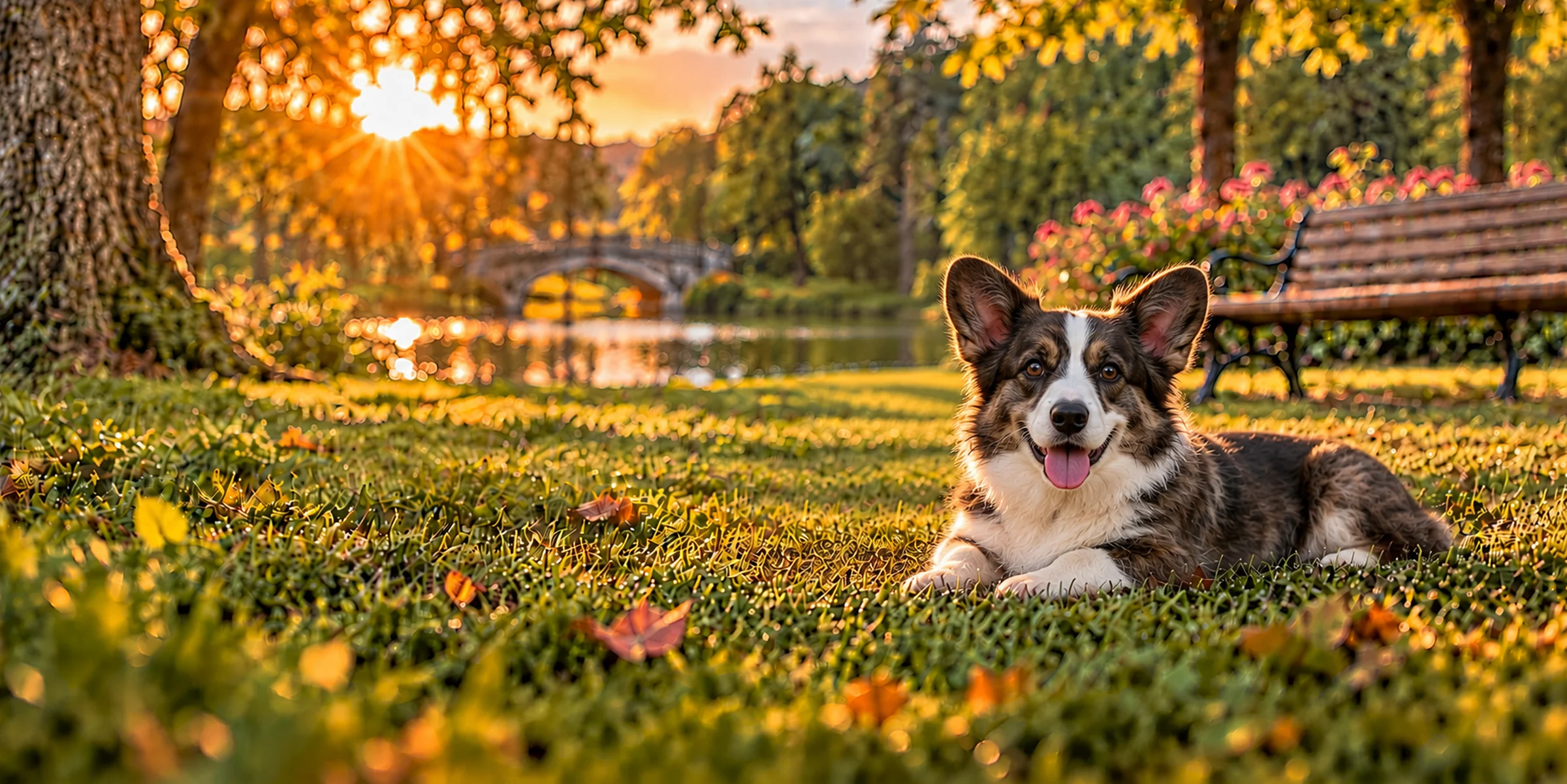
Cardigan Welsh Corgi
The older, heavier corgi at 25-38 lb, with more bone and a full tail. Cardigans are watchful and reserved in a similar way but steadier and slower to fire; the Heeler is lighter, louder and more terrier in the head.
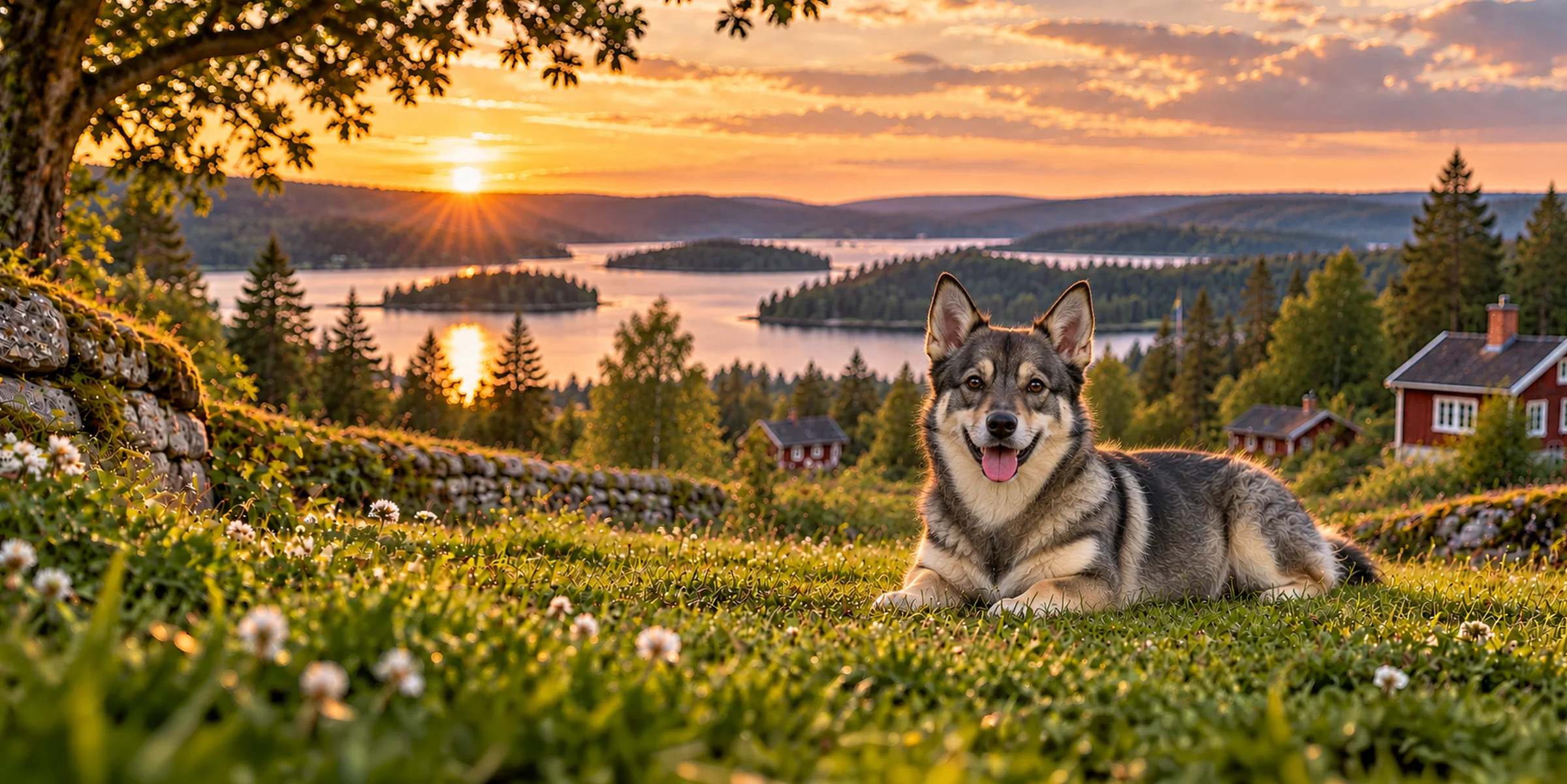
Swedish Vallhund
Another long-low farm dog with the same three jobs - herding, vermin and watching the place - and the same vocal streak. Vallhunds run 20-35 lb with a thicker coat that blows out twice a year; the Heeler is half the size and smooth-coated, and just as noisy.
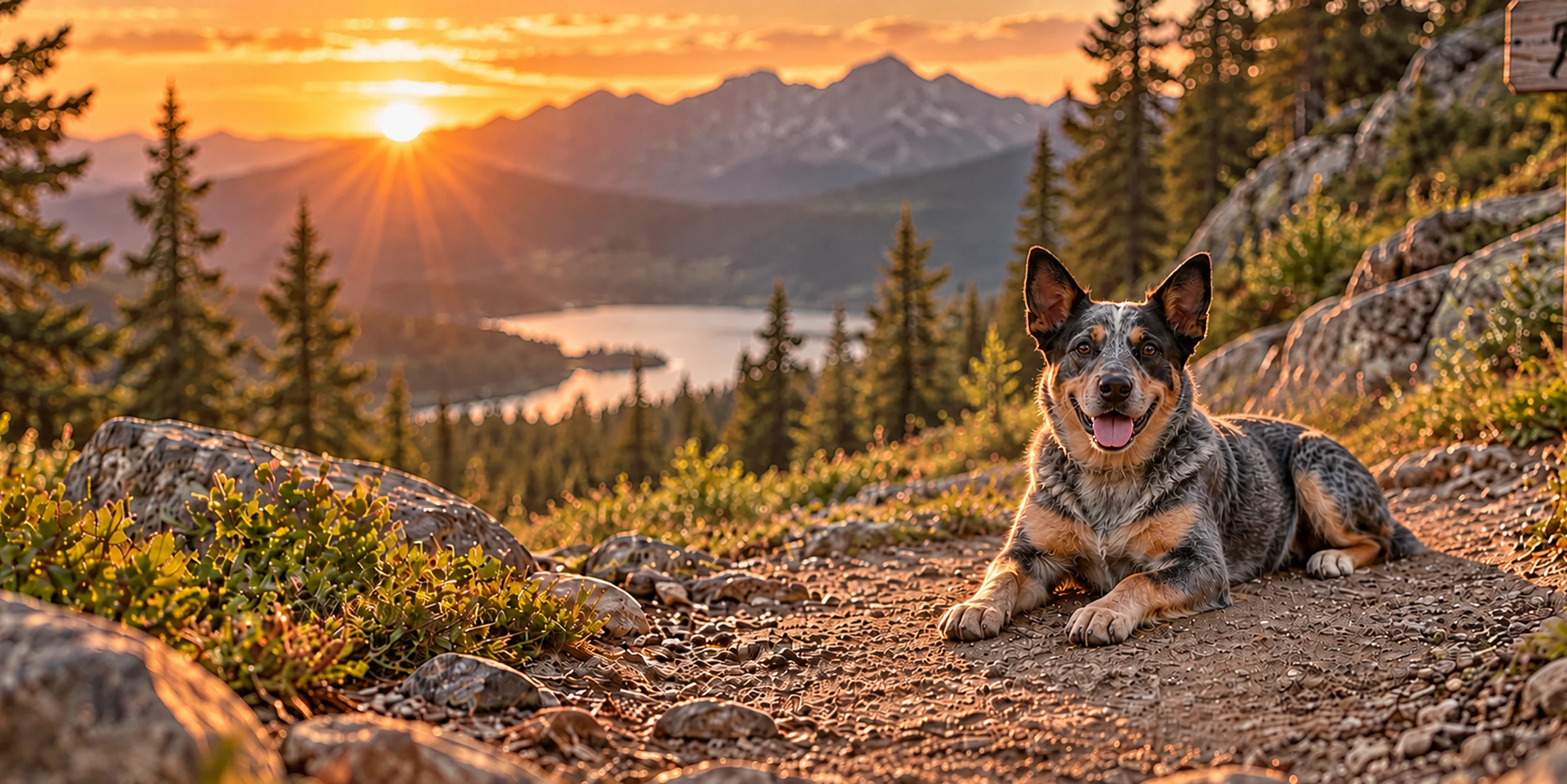
Australian Cattle Dog
The same heeling job scaled up to 35-50 lb and a great deal more dog. Cattle Dogs need hours of real work daily and turn difficult without a job; a Heeler wants work too, but an hour and a thinking game covers the day, where a Cattle Dog would only be warming up.