

small-to-medium breed
Swedish Vallhund
A Swedish farm dog of real antiquity, kept in Vastergotland for something like a thousand years to move cattle by barking, circling and nipping at heels. Swedish Vallhunds are quick, funny, tireless and closely attached, and they will argue with any rule that was only enforced once. The barking is a working trait rather than a fault, the herding drive lands on running children and ankles, and a long back on short legs needs protecting from sofa jumps.

Pup Height
11.5-13.75 in

Pup Weight
20-35 lb
Males 12.5-13.75 in, females 11.5-12.75 in, both 20-35 lb, on a 2:3 ratio of height to length that produces the long, low outline. Sable in any shade of gray through red, with lighter harness markings from the withers down behind the elbow - the harness pattern is essential - plus lighter hair on the muzzle, throat, chest and belly. A harsh medium-length double coat, wedge-shaped head and prick ears. Tails may be long, stub or natural bob, shown natural or docked, and all tail types are equally acceptable. Source: AKC breed standard.

Pup Lifespan
12-15 years
Your pup, at a glance
What’s Life With This Pup Really Like?

High. Affectionate and physically close with their people, though usually busy enough to want a game before a lap.

Very good. Playful, sturdy and patient, with the herding caveat that running children get their heels nipped until the drive is redirected.

Good. Usually sociable with other dogs and fine with cats raised alongside them, though a Vallhund will try to organize both.

Very high. Bred to move cattle with noise, and among the most vocal breeds anywhere - training shapes the barking rather than ending it.

High. An hour or more of real activity daily, and the mental half counts as much as the miles.

Heavy. Steady year-round shedding from a dense double coat, with two big undercoat blowouts a year.

Comic and relentless. Vallhunds love fetch, tug, tricks and anything that lets them work with a person.

Very low.

Very good. Fast, food-motivated and eager, but easily bored and quick to argue, so short varied sessions beat repetition.

Strong as an alarm. Alert, suspicious of anything out of place and loud about it, with no real guarding weight behind the noise.

Low. A weekly brush and no trimming most of the year, with a few daily weeks during each seasonal blowout.

Moderate. Sound in cold weather and portable enough for most homes, but the barking and the drive make apartments and long days alone genuinely hard.
Lifestyle fit
Could This Be Your Best Breed?
A Swedish Vallhund suits an active household with a fenced yard, a taste for dog sports, and a plan for the noise and the heel-nipping from week one. The breed is inexpensive at $1,200 to $2,000 a year, sturdy, and good for twelve to fifteen years. A shared wall is the one arrangement this breed reliably ruins, because a dog bred to move cattle by voice will comment on the hallway and everyone in it.

Living Space
A house with a securely fenced yard is the easy fit. Swedish Vallhunds are small enough for an apartment on paper, and the voice is what rules it out - a dog bred to move cattle by barking will comment on the hallway, the elevator and everyone in it.

Pup Experience
Workable for a first-time owner who wants an opinionated dog and will train consistently. Swedish Vallhunds are quick, food-motivated and genuinely fun to teach, but they argue, they test a rule that was only enforced once, and the barking and heel-nipping need a plan from week one rather than a year in.

Daily Pup Time
An hour or more of exercise daily with training, scent games or a dog sport in it. Grooming is light - a weekly brush most of the year, then daily work for a few weeks twice a year when the undercoat comes out.

Allergies & Coat
The Swedish Vallhund scores 8/10 for shedding and 2/10 for drooling. No dog is truly hypoallergenic. The allergens come from dander and saliva, and a dog that sheds this much will leave plenty of hair behind - especially on your furniture, floors, and clothes.
Quirks & challenges
The Not-So-Easy Stuff

Loud by Design
Bred to move cattle with noise, so barking is a working trait rather than a fault. Training moderates the volume, and nothing removes it.
Heel Nipping
The herding drive is real and aims at running children, joggers, bikes and other pets. Redirect it into games and training from the first weeks.
Opinionated and Pushy
Clever enough to test any rule that was enforced only once, and to invent their own job when the day is dull.
Long Back, Short Legs
Repeated jumping off the sofa or down stairs punishes a long spine. Ramps and lifted landings are worth the trouble early.
Seasonal Coat Blow
A short coat that still sheds out the whole undercoat twice a year. Expect drifts of hair for a few weeks each time.
Rare in North America
A small gene pool and few litters, so waiting lists are normal. Be wary of anyone with puppies always available.
The good, the bad & the hairy
Health, Care & Costs
Understanding the health risks and ongoing costs of a Swedish Vallhund helps you plan for a happy, healthy life together.

12-15 years
$50-$80
per groom (bath, de-shed, nails, ears), a few times a year or done at home ($0-$300/year)
$1,200-$2,000/year
all-in (food, routine vet, grooming, insurance, incidentals)

Health Risks
Conditions this breed is prone to.

Worth saying first. The breed is sturdy, long-lived and free of most of the manufactured problems, and the AKC parent club's health screening covers hips, eyes and the one significant inherited disease.
An inherited retinal disease specific to the breed, causing gradual vision loss that usually begins in middle age. There is a DNA test, so ask for both parents' results - two clear parents cannot produce an affected puppy.
The hip joint develops loosely and wears into arthritis over the years. Both parents should have hip scores from OFA or an equivalent scheme, and keeping the dog lean does more than any supplement.
The kneecap slips out of its groove, showing up as a skipping step. Mild cases need nothing beyond weight control; severe ones need surgery.
The long, low build does not come with the disc disease rates of the more extreme short-legged breeds, but repeated jumping down from height and carrying extra weight both tell on a long spine over time.
Cataracts and occasional cases of other retinal disease appear alongside the breed-specific retinopathy, which the DNA test does not cover. Breeding dogs should have an annual ophthalmologist evaluation.

Insurance & Health Coverage
A hardy medium breed with a long life expectancy, so premiums sit at the reasonable end and the case for cover is the ordinary one: accidents, illness and the expensive surprises that arrive over twelve to fifteen years.

Insure young. Hips, knees and eyes are the things most likely to be noticed early, and anything already on the record when a policy starts is excluded from it permanently.

Swedish Vallhund retinopathy is the exception no policy solves. It is inherited, so it counts as congenital and will not be covered whatever you pay - the DNA results on both parents are the only protection, and a breeder who cannot produce them is the risk. Budget separately for the accident side too, since a fast, low-slung herding dog collects sprains, torn nails and the occasional swallowed toy.
 Get a Pet Insurance Quote
Care needs
The Daily Routine

Grooming
A harsh medium-length double coat that needs a brush once a week for most of the year and no trimming at all. When the undercoat blows, in spring and often again in fall, switch to a daily undercoat rake for a few weeks and the house stays survivable. The coat sheds dirt well, so baths are occasional. Never shave the coat. Nails need regular trimming and ears a weekly check.

Exercise
An hour or more daily, and the thinking half is not optional. Brisk walks, hiking, fetch, herding, agility, rally and scent work all suit them - a Vallhund given only a stroll around the block will spend the rest of the day telling the neighborhood about it.

Food & Weight
Two measured meals a day of a diet suited to an active medium dog, with treats counted against the total because these are enthusiastic eaters. Weight control matters more than usual on a long back and short legs, so go by feel through the ribs rather than by the coat, which hides a good deal.
Similar breeds
If This Isn’t Quite the One

Pembroke Welsh Corgi
The obvious look-alike, and a different kind of dog underneath - the Vallhund is a Nordic spitz with a wedge head, prick ears and a sable coat, not a corgi, and whether the two lines ever met is unsettled. Pembrokes are heavier-bodied, softer-coated and easier to live with in a quiet home; the Vallhund is leaner, busier and considerably louder.
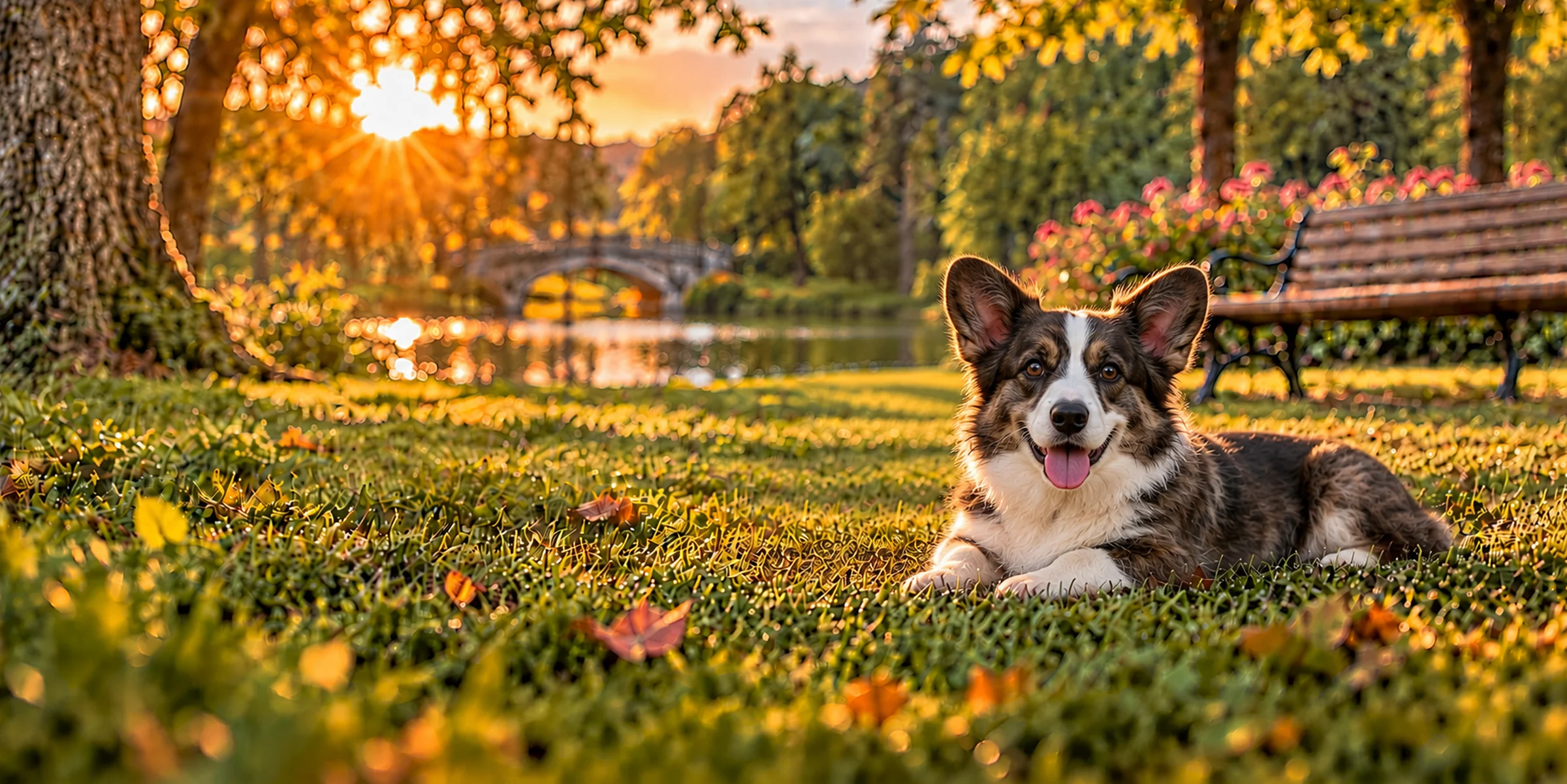
Cardigan Welsh Corgi
The other long-low cattle drover, and the closer match for size and substance. Cardigans are sturdier, more reserved with strangers and a little steadier indoors; Vallhunds are lighter on their feet, more driven and more vocal, and their tails run from a full curl to a natural bob.
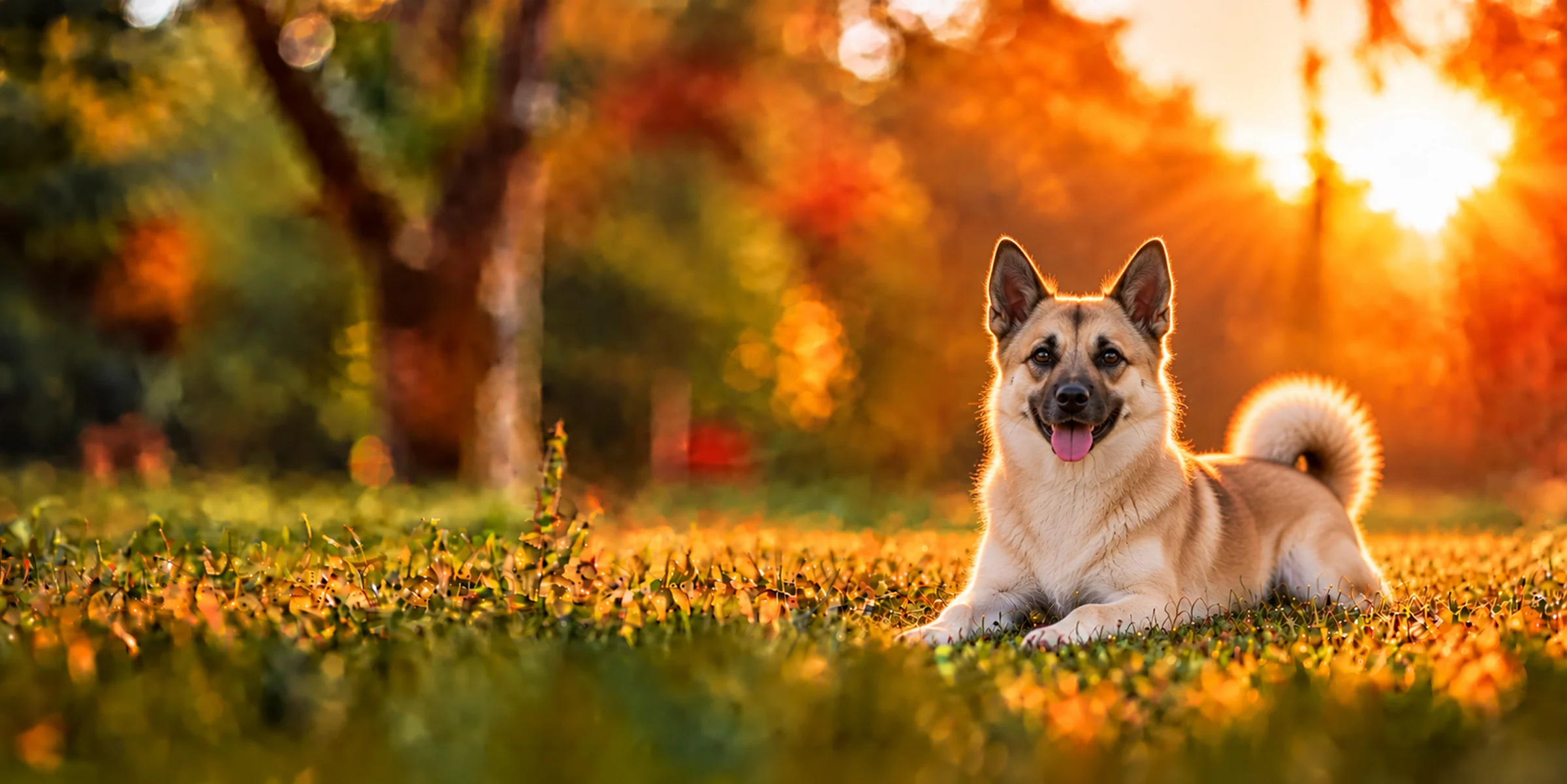
Norwegian Buhund
The nearest thing on temperament - another Scandinavian farm spitz that herds, guards and announces everything. The Buhund is taller and normally proportioned, so the back is less of a concern; the two are about equally opinionated and equally noisy.
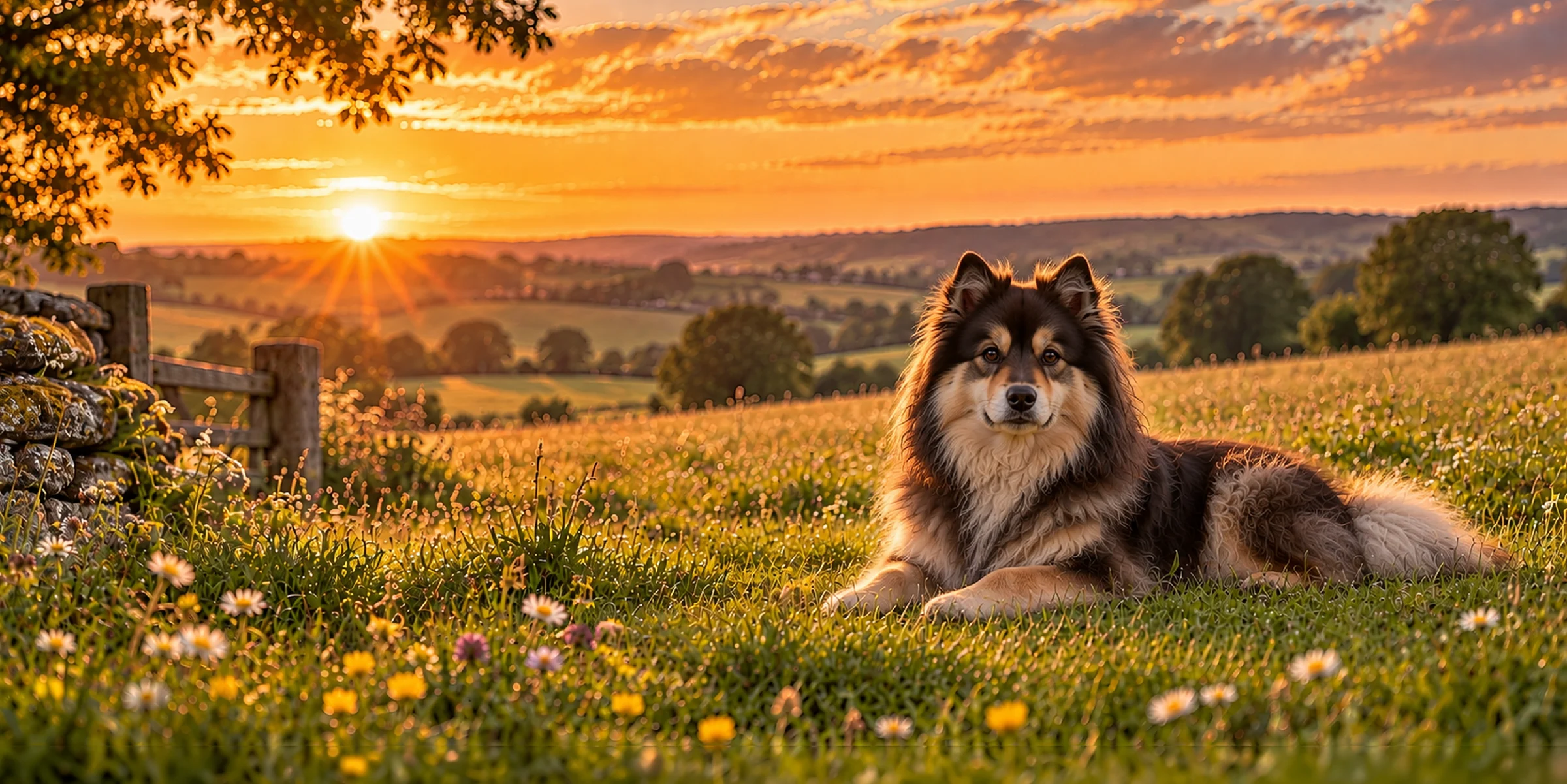
Finnish Lapphund
A larger Nordic herding spitz with the same bark-first working style and a far heavier coat. Lapphunds are calmer and gentler but a real grooming job; the Vallhund is a fraction of the coat work and considerably more intense.