

large-to-giant breed
Leonberger
Bred in the town of Leonberg in the 1840s to resemble the lion on the town crest, and the result is about as gentle as giants get - patient with children, easy with other dogs, and usually delighted by water. The costs stack up at both ends. Day to day it is a heavy shedding coat and drool on your sleeve; at the far end, a life of only eight or nine years.

Pup Height
25.5-31.5 in

Pup Weight
90-170 lb
Males 28-31.5 in and 110-170 lb, females 25.5-29.5 in and 90-140 lb. Lion-yellow, golden to red and red-brown, or sand, always with a black mask. A water-resistant double coat, noticeably fuller on males, who carry a mane over the neck and chest. Source: AKC breed standard.

Pup Lifespan
8-9 years
Your pup, at a glance
What’s Life With This Pup Really Like?

Very high. Leonbergers want to be close to their people and will lean their whole weight against a leg.

Excellent. Patient, gentle and tolerant, with the standing caveat that a giant dog can knock over a toddler by accident.

Very good. Sociable with other dogs and usually fine with cats raised alongside them.

Low. They bark to announce something worth announcing and are quiet otherwise.

Moderate. Playful bursts and a good daily walk, then long stretches of lying across the doorway.

Very heavy. A dense double coat that sheds constantly and blows out twice a year.

Gentle and good-natured, with a real love of water. Adolescents are clumsy and bouncy before they settle.

Moderate. Not a flews-and-strings drooler like a mastiff, but wet after drinking and in warm weather.

Good. Willing and sensitive, and responsive to rewards rather than pressure.

Moderate. The size and a deep bark deter people; the temperament behind it is welcoming rather than protective.

High. Several thorough brushings a week, daily work during the blowouts, and baths that take real effort.

Low. The size, the coat and the heat sensitivity make them a poor fit for small homes and hot climates.
Lifestyle fit
Could This Be Your Best Breed?
A Leonberger needs a house with a fenced yard, floor space for a dog the size of a small adult, and an owner who puts the manners in before the dog weighs 120 pounds. If $2,500 to $4,500 a year is not comfortably in the budget, stop here - the inherited neuropathy, the orthopedic risk and the cancers that cut this breed's life short all land on the same bill.

Living Space
A house with a fenced yard and room indoors for a dog the size of a small adult. Leonbergers are calm enough inside, but the size, the shedding and the need to be where the family is all make an apartment hard work.

Pup Experience
Fine for a committed first-time owner who does the training early. The temperament is gentle and cooperative; the difficulty is that manners have to be in place before the dog weighs 120 pounds, not after.

Daily Pup Time
About an hour of moderate exercise daily, plus several brushing sessions a week and daily attention during the seasonal coat blow.

Allergies & Coat
The Leonberger scores 9/10 for shedding and 6/10 for drooling. No dog is truly hypoallergenic. The allergens come from dander and saliva, and a dog that sheds this much will leave plenty of hair behind - especially on your furniture, floors, and clothes.
Quirks & challenges
The Not-So-Easy Stuff

Giant Size, Fast
A puppy that grows to over 100 pounds in under two years. Leash manners and no-jumping have to come early.
Heavy Shedding
A thick double coat that sheds year-round and blows out twice a year. Hair on everything.
Drool
Moderate by giant-breed standards, heavier after drinking and in the heat. Keep a towel by the water bowl.
Short Lifespan
Most live eight or nine years. Cancer and heart disease take many before their time.
Needs Company
Bred as a family dog and a poor fit for long hours alone or kenneling outside.
Heat Sensitivity
A heavy coat on a big body. Summer exercise belongs at dawn and dusk.
The good, the bad & the hairy
Health, Care & Costs
Understanding the health risks and ongoing costs of a Leonberger helps you plan for a happy, healthy life together.

8-9 years
$90-$150
per groom (bath, blow-out, de-shed, nails, ears), every 6-8 weeks or done at home ($0-$900/year)
$2,500-$4,500/year
all-in (food, routine vet, grooming, insurance, incidentals)

Health Risks
Conditions this breed is prone to.

An inherited nerve disease that weakens the hind legs and can affect breathing and the voice. DNA tests exist for the known forms (LPN1 and LPN2), so tested parents greatly reduce the risk, though not every form is testable yet.
An inherited disease of the brain and spinal cord that causes progressive loss of coordination in young adults. There is a DNA test, and breeders should have results for both parents.
Cancer is the leading cause of death in the breed. Osteosarcoma usually shows as lameness in a leg; hemangiosarcoma is a blood-vessel tumor that often goes unnoticed until it bleeds. Neither can be screened for in advance.
The joints develop loosely and wear into arthritis, sometimes needing surgery that runs into the thousands on a dog this heavy. Both parents should have scored hips and elbows, and puppies need controlled growth and exercise.
The stomach fills with gas and twists, cutting off circulation, and it kills within hours without emergency surgery. Deep-chested giants are at real risk - split meals and keep hard exercise away from feeding.
An underactive thyroid causes weight gain, coat loss and low energy, and a daily tablet manages it. Entropion, ectropion and cataracts also appear; annual eye examinations catch them early.

Insurance & Health Coverage
Insure young. Everything costs more on a giant breed - anesthesia, medication and surgery are dosed by weight - and the conditions that matter most arrive in middle age, when a pre-existing note on the record becomes a permanent exclusion.

Cancer is the claim to plan for. Bone cancer and hemangiosarcoma are common in the breed, treatment runs into the thousands, and a policy with a low per-condition or lifetime cap will not come close. Read the caps rather than the premium.

The inherited neurological diseases are different: they are congenital, so no policy covers them, and DNA results on both parents are the only real protection. Ask the breeder for the paperwork before you commit.
 Get a Pet Insurance Quote
Care needs
The Daily Routine

Grooming
A thick, water-resistant double coat that needs a thorough brush several times a week, and daily work with an undercoat rake through the spring and fall blowouts. Bathing a Leonberger is a project; many owners use a groomer for that part. Trim the feet and check the ears weekly, and never shave the coat.

Exercise
About an hour of moderate exercise a day - long walks, swimming and hiking all suit the breed. Puppies need restraint rather than mileage: no forced running, jumping or long hikes until the growth plates close at around 18-24 months.

Food & Weight
Large-breed puppy food and slow, controlled growth matter more here than in most breeds - a puppy pushed to grow fast is a puppy headed for joint problems. Adults do best lean, on two measured meals a day with exercise kept away from feeding because of the bloat risk.
Similar breeds
If This Isn’t Quite the One
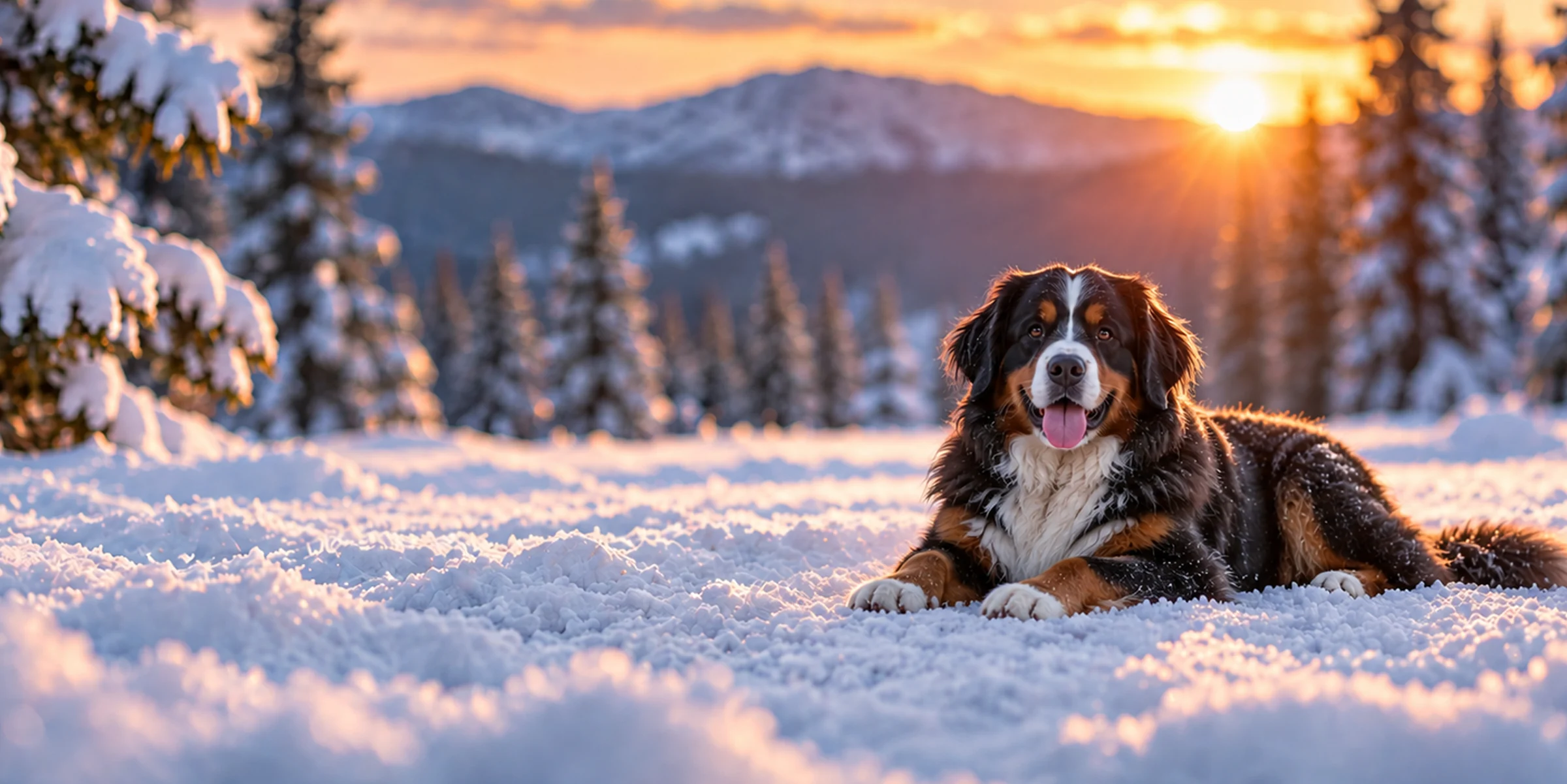
Bernese Mountain Dog
Another gentle, family-devoted giant with a heavy coat. The Berner is a little smaller and more of a farm worker; the Leonberger is larger, shaggier and more likely to head for the water.
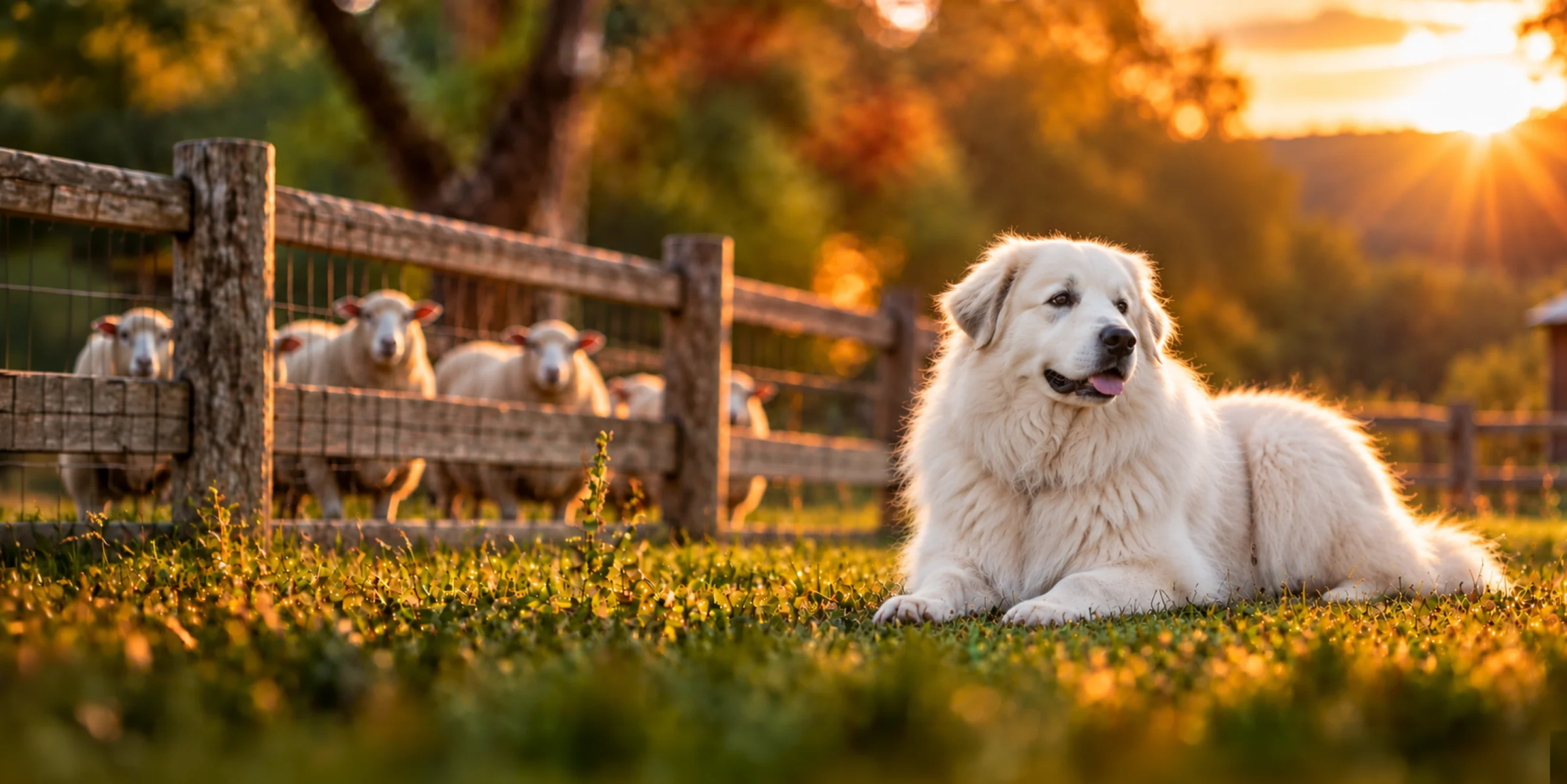
Great Pyrenees
A related giant with a similar calm presence and heavy shedding. The Pyrenees is an independent livestock guardian with a strong protective streak; the Leonberger is far more people-focused and easier to train.