

large-to-giant breed
Great Pyrenees
A white mountain guardian, bred to live out with flocks and handle wolves and bears without a shepherd in sight. Great Pyrenees are calm, gentle and remarkably tolerant of children, and they come with three non-negotiables: barking that runs through the night, a coat that blows twice a year and covers everything in between, and a dog who patrols a perimeter of their own choosing and keeps going past a weak fence.

Pup Height
25-32 in

Pup Weight
85-115 lb
Males 27-32 in and 100 lb upward, females 25-29 in and 85 lb upward. A weather-resistant double coat, always principally white, sometimes with badger, gray or tan markings on the head, ears and tail. Double dewclaws on the hind legs are required by the standard rather than removed - they are a breed hallmark, not a defect. Source: AKC breed standard.

Pup Lifespan
10-12 years
Your pup, at a glance
What’s Life With This Pup Really Like?

High. They are affectionate and physically close with their own family in an unhurried way, and they lean - which at a hundred pounds is noticeable.

Excellent, and unusual among guardians. The Great Pyrenees is famously gentle and patient with children they live with, though a Pyr's size alone warrants supervision with toddlers.

Very good with animals they were raised alongside - guarding stock is the original job. Unfamiliar dogs entering a Pyr's territory are a different matter.

Very high, deep, and concentrated at night. It is the working function rather than a fault, and it is the single most common reason these dogs are surrendered.

Low. An hour suits them and they conserve themselves deliberately the rest of the time.

Very heavy - among the worst on this site. A thick white undercoat that sheds year-round and blows out completely twice a year.

Limited. Puppies play; adults are dignified, slow-moving dogs who would rather hold a vantage point.

Moderate. Some drool around food and water, well short of a mastiff.

Low by breeding. Intelligent and independent in equal measure - they cooperate with a handler they respect rather than obeying one.

The maximum. Territorial, vocal, physically imposing, and entirely prepared to act on their own assessment.

High. Two or three deep brushings a week, daily in season, plus professional de-shedding on a very large coat.

Low. They need land, a fence, cool conditions and neighbors out of earshot, and they do badly without all four.
Lifestyle fit
Could This Be Your Best Breed?
A Great Pyrenees suits land, serious fencing, distant neighbors, and someone who wants a partner rather than a subordinate - ideally with stock to guard. Expect $2,200 to $3,600 a year, a good deal of it grooming, and ten to twelve years. A suburban lot in a hot climate, with neighbors close enough to hear the night barking, is where this falls apart - and so is any plan that involves walking off leash.

Living Space
Land with a serious fence, and neighbors at some distance. Great Pyrenees patrol a perimeter they define themselves and announce everything, all night, at volume - that is the single biggest constraint on where they can live.

Pup Experience
Experienced owners, ideally with livestock guardians specifically. Pyrs are gentle and affectionate and they were bred for two centuries to make their own decisions without a shepherd present, which is a different animal from a disobedient dog.

Daily Pup Time
Forty-five minutes to an hour of steady walking - they conserve energy like any flock guardian. The coat is the real work, particularly during the twice-yearly blowouts.

Allergies & Coat
The Great Pyrenees scores 9/10 for shedding and 4/10 for drooling. No dog is truly hypoallergenic. The allergens come from dander and saliva, and a dog that sheds this much will leave plenty of hair behind - especially on your furniture, floors, and clothes.
Quirks & challenges
The Not-So-Easy Stuff

They Bark All Night
Nocturnal patrolling is the job. It is the most common reason Pyrs are rehomed, and it cannot be trained out.
They Roam
They expand their territory if allowed. Serious fencing is a containment requirement, not a convenience.
Independent by Design
Bred to work without a shepherd. They weigh requests and recall is never reliable off-leash.
Enormous Shedding
A thick white double coat that blows out twice a year in sheets. It ends up on everything.
Slow to Mature
Two to three years before the adult guardian temperament settles, in a body that was full-size long before.
Poor in Heat
Built for mountain winters. Never shave the coat - it insulates both ways - and keep summer work to dawn and dusk.
The good, the bad & the hairy
Health, Care & Costs
Understanding the health risks and ongoing costs of a Great Pyrenees helps you plan for a happy, healthy life together.

10-12 years
$90-$140
per groom (bath, full blow-out, de-shed, nails, ears), every 8-10 weeks ($500-$900/year)
$2,200-$3,600/year
all-in (food, routine vet, grooming, insurance, incidentals)

Health Risks
Conditions this breed is prone to.

The joints develop loosely or unevenly and wear into arthritis, sometimes needing surgery - which on a dog over a hundred pounds sits at the top of the orthopedic cost range. Present at significant rates; both parents should have scored hips and elbows.
The stomach fills with gas and twists, cutting off its own circulation, and it kills within hours without emergency surgery. Deep-chested giants are the highest-risk group - split meals, keep exercise clear of them, and discuss a preventive gastropexy.
Osteosarcoma appears in giant breeds at rates well above average, usually in a limb and usually in middle age. Any persistent lameness or swelling in a leg warrants prompt investigation rather than watchful waiting.
The kneecap slips out of its groove, producing a skipping gait and sometimes needing surgery. Unusual in a giant breed but genuinely common in this one, partly because of the hind-leg structure that carries the double dewclaws.
Degenerative myelopathy - progressive, painless hind-leg weakness in older dogs - and entropion both appear. DM is DNA testable in the parents; entropion is corrected surgically.
Like several giant breeds, Pyrs can react poorly to standard anesthetic dosing. Make sure any vet performing a procedure knows the breed and doses by lean body mass rather than total weight.

Insurance & Health Coverage
Insure young and expect giant-breed pricing. Every bill scales with body mass - anesthesia, medication, surgery, boarding - and the three likeliest serious events are all costly.

Joint surgery at this weight is at the top of the orthopedic range, bloat is a several-thousand-dollar emergency at whatever hour it arrives, and bone cancer tends to appear in middle age, which for a Pyr is five or six. A policy started late misses much of the useful window.

Worth checking the liability side too. They are rarely on breed-exclusion lists by name, but insurers often categorize by size and guarding function rather than by breed, so confirm the position in writing rather than assuming the gentle reputation carries.
Grooming is the recurring uninsurable cost, and on this coat it is a real annual line item.
 Get a Pet Insurance Quote
Care needs
The Daily Routine

Grooming
A thick double coat that needs a thorough brush right down to the skin two or three times a week, and daily attention for several weeks in spring and fall when the undercoat comes out completely. Concentrate on the ruff, behind the ears and the trousers. Never shave it - the coat insulates against heat as well as cold and often regrows badly. Check the double dewclaws on the hind legs when you do nails, since they do not wear down and can grow into the skin.

Exercise
Forty-five minutes to an hour of steady walking, always on leash or inside a fence. They are not athletes and do not want to be; a flock guardian conserves energy deliberately.

Food & Weight
Two or three measured meals rather than one large one, with activity kept clear of feeding given the bloat risk. Grow puppies slowly on giant-breed food - forcing weight onto developing joints causes damage that lasts the whole life.
Similar breeds
If This Isn’t Quite the One
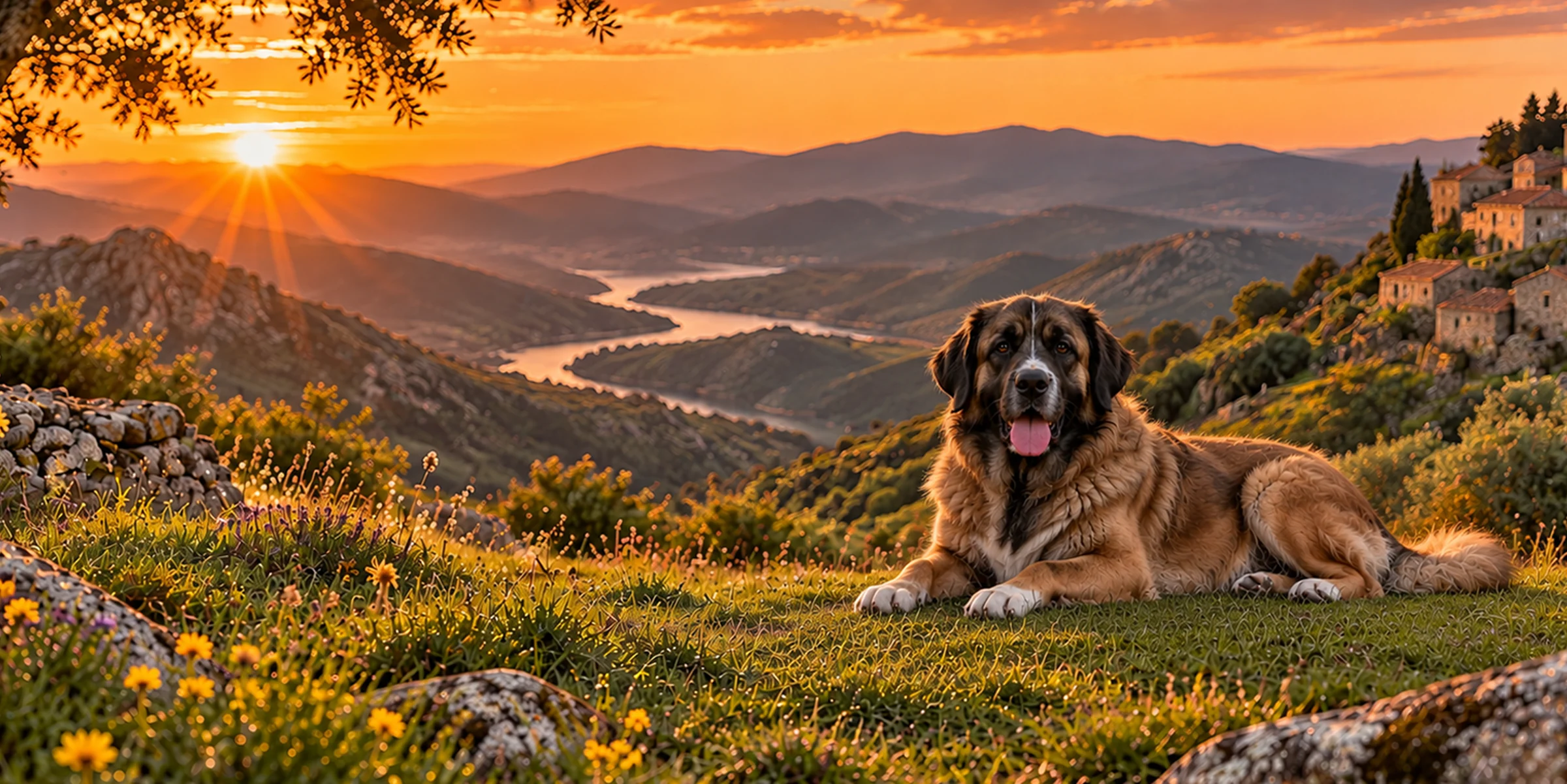
Estrela Mountain Dog
The same job in the neighboring mountain range - a Portuguese flock guardian of similar size, coat and temperament. The Estrela is a touch more reactive; the Pyr is gentler with strangers and barks rather more.
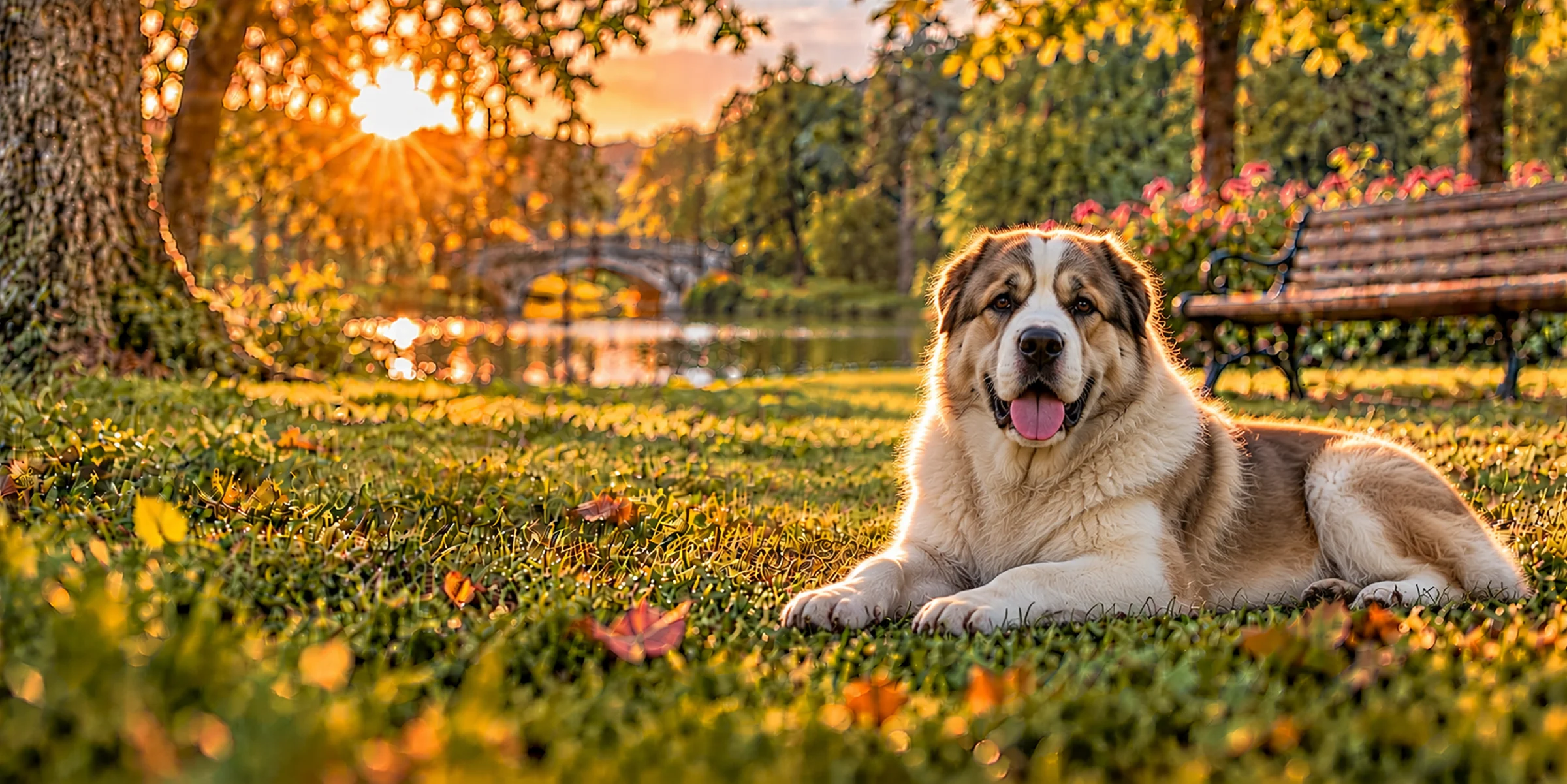
Central Asian Shepherd Dog
Another ancient livestock guardian with the same independence and territorial judgment. The Central Asian is harder-edged and more restricted; the Pyr is markedly softer and better suited to a family with children.
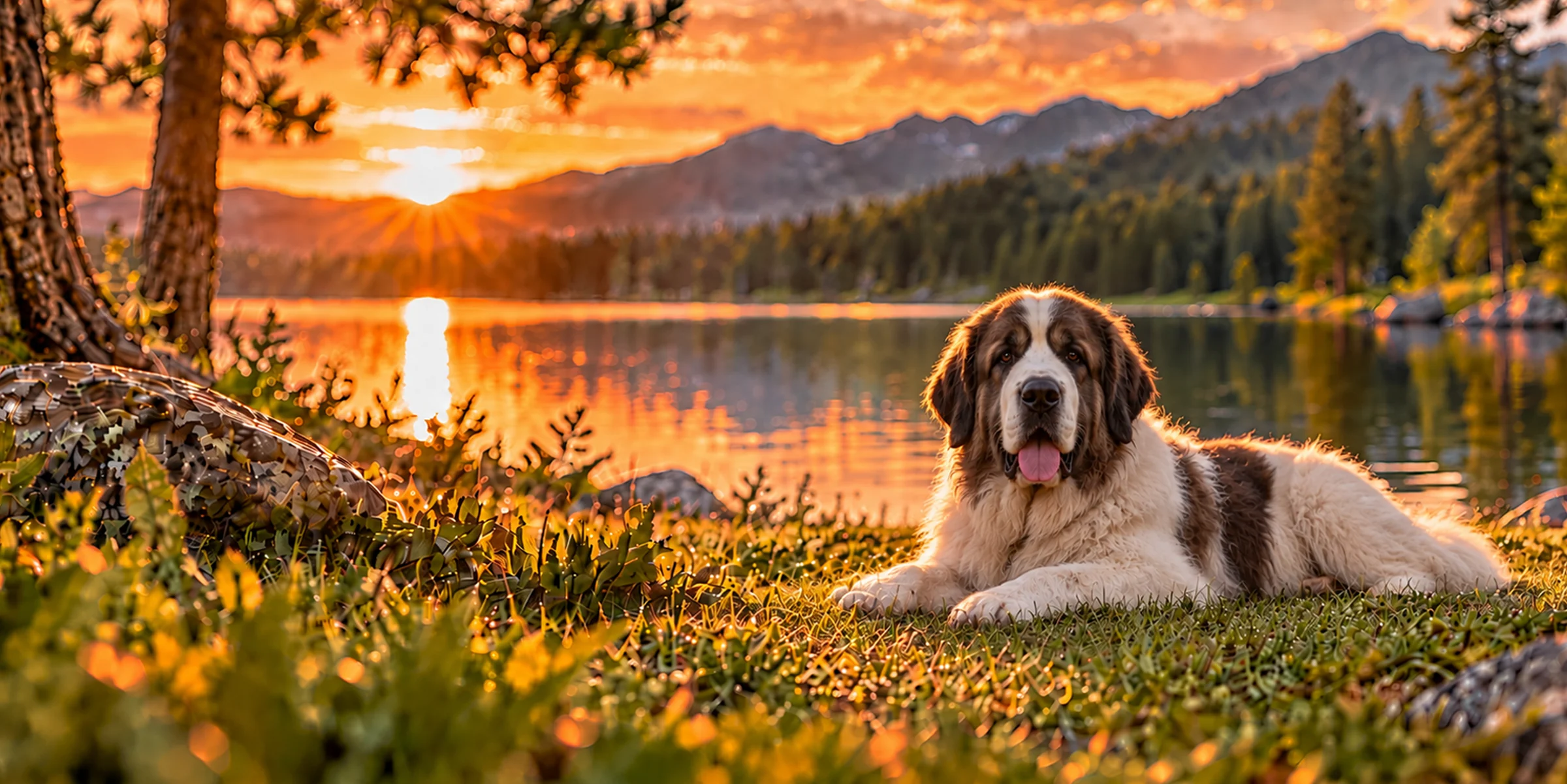
Pyrenean Mastiff
Often confused by name - the Pyrenean Mastiff guards flocks on the Spanish side of the same mountains, while the Great Pyrenees is from the French side and is also called the Pyrenean Mountain Dog. The Spanish breed is a heavier mastiff type, white with a colored mask and patches, and drools far more; the Pyr is lighter, mostly white and barks rather more.
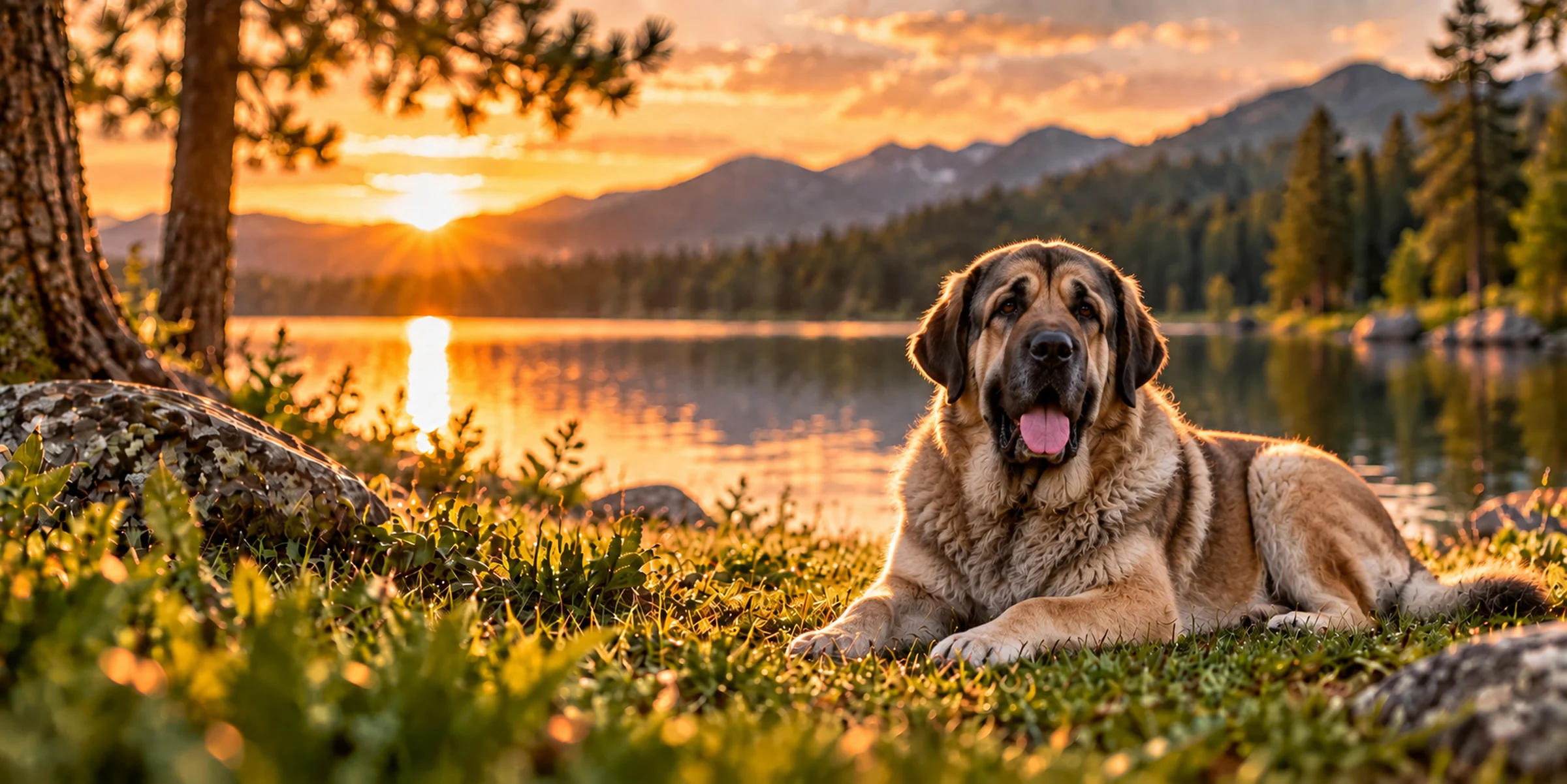
Spanish Mastiff
The Spanish end of the same mountain-guardian tradition, and a far heavier dog at 140-200 lb. Spanish Mastiffs drool where a Pyr does not, need more room again, and are less adapted to life as a family dog.